
← Back to Blog
Neighborhoods
Katy Texas Neighborhood Guide: What Every Buyer and Relocator Needs to Know
By Jennifer Taylor
EXP Realty
September 27, 2026 · 14 min read
Katy, Texas has grown into one of the Houston metro's most layered suburban markets, with dozens of distinct communities spread across Fort Bend, Harris, and Waller counties. This Katy Texas neighborhood guide breaks down the housing stock, price ranges, lot sizes, commute details, and amenities that define each major area, so you can compare your options with real numbers rather than vague impressions. Whether you are relocating from out of state or moving across town, here is what you actually need to know before you start touring homes.
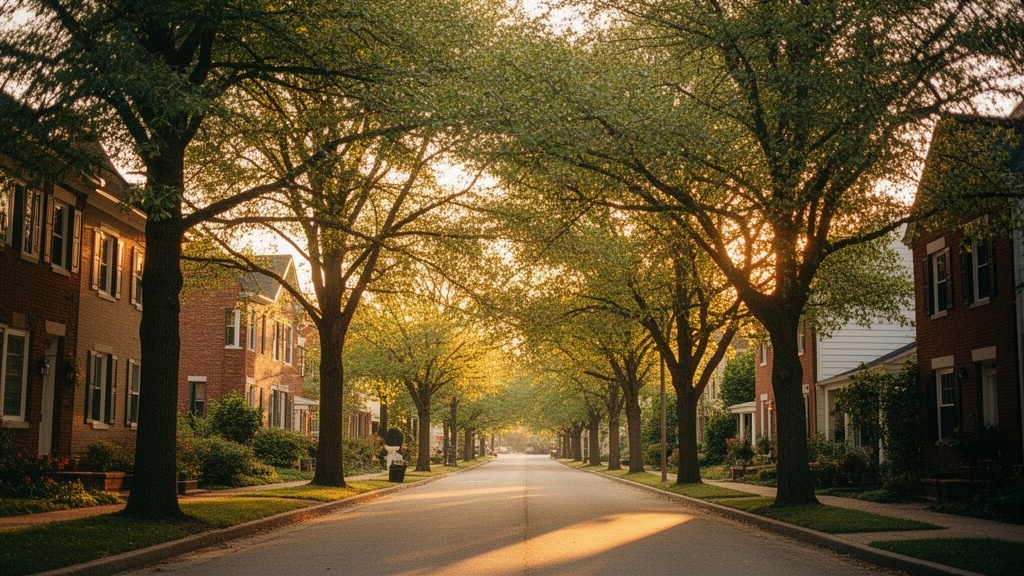
1. How Katy Is Organized: Geography and County Lines
Katy spans three counties. The city of Katy itself is small, roughly four square miles, but the broader Katy area that most buyers refer to stretches across portions of Harris County to the east, Fort Bend County to the south and west, and Waller County to the north and northwest. Your county of purchase affects your property tax rate, your MUD district, and sometimes your school district zoning, so it matters more than most buyers initially realize.
Three Counties, One Market
Harris County properties in the Katy area tend to carry slightly lower base tax rates than Fort Bend County properties, though MUD (Municipal Utility District) charges can close that gap quickly depending on the community. Fort Bend County covers a large swath of the master-planned communities south of I-10, including parts of Cinco Ranch and all of Cross Creek Ranch. Waller County picks up the newest growth corridors west of the Grand Parkway, including Jordan Ranch and Sunterra.
For a detailed look at how property tax rates vary by zip code across the Katy area, the article on Katy Texas zip codes and property tax rates breaks down the numbers community by community so you can factor that cost into your budget before you fall in love with a specific address.
Key Corridors and Landmarks
Interstate 10 (the Katy Freeway) is the main east-west spine of the market. Most buyers use it as a mental dividing line, with communities north of I-10 generally sitting in Harris or Waller County and communities south of I-10 falling into Fort Bend County. The Grand Parkway (Texas 99) cuts north-south and marks a rough boundary between the established master-planned communities to the east and the newer, still-developing corridors to the west. Katy Mills Mall at the intersection of I-10 and the Grand Parkway is the most recognizable landmark in the area and a useful geographic anchor when you are trying to orient yourself.
2. Master-Planned Communities: The Backbone of the Katy Texas Neighborhood Guide
Master-planned communities define the Katy market. Unlike older Houston suburbs where neighborhoods grew organically over decades, most of Katy's residential inventory was built inside large, developer-controlled communities with shared amenity centers, trail systems, lakes, and deed restrictions. Understanding the differences between these communities is the core of any useful Katy Texas neighborhood guide.
You can also explore a broader overview of these communities through HAR's Katy Texas neighborhoods resource, which provides additional context on the communities that make up this market.
Cinco Ranch
Cinco Ranch is one of the largest and most established master-planned communities in the Katy area, covering roughly 8,100 acres straddling the Harris and Fort Bend county line. The community was developed beginning in the early 1990s and now contains a mix of resale homes from multiple eras, from smaller 1,500-square-foot patio homes built in the mid-1990s to larger two-story homes exceeding 4,000 square feet built in the 2010s. Median home prices in Cinco Ranch as of September 2026 sit in the $400,000 to $550,000 range depending on the section, with some larger or lakefront properties pushing above $700,000.
The community's amenity network is extensive. Cinco Ranch features multiple recreation centers, a beach club with a lazy river, tennis courts, and over 30 miles of hike-and-bike trails connecting the various sections. The Cinco Ranch Town Center along Westheimer Parkway provides walkable access to restaurants, coffee shops, and retail. Commute to downtown Houston via I-10 runs approximately 30 to 40 minutes outside of peak hours, with morning rush adding 15 to 25 minutes depending on departure time.
Cross Creek Ranch
Cross Creek Ranch sits in Fort Bend County, west of the Grand Parkway along FM 1463. The community spans approximately 3,200 acres and is developed by Newland Communities. Home sizes range from roughly 1,800 to over 5,000 square feet, with prices currently running from the mid-$300,000s for smaller single-story homes to above $800,000 for larger custom-builder product on premium lots. The community is still actively building in several sections, so buyers have the option of new construction alongside resale inventory.
Cross Creek Ranch is built around a central amenity campus called The Hub, which includes a resort-style pool, fitness center, event lawn, and kayak launch on the community lake. The trail system connects to Flewellen Creek, giving the community a more natural, wooded feel than some of the more densely developed Katy communities. Commute to downtown Houston from Cross Creek Ranch is approximately 35 to 50 minutes via I-10 depending on traffic conditions.
Grand Lakes
Grand Lakes is a fully built-out community located just south of I-10 near the Grand Parkway, straddling the Harris and Fort Bend county line. Because it is an established community with no new construction, buyers are working entirely with resale inventory. Homes in Grand Lakes typically range from 2,000 to 4,500 square feet, with prices in September 2026 generally falling between $350,000 and $600,000. The community is known for its interconnected lake system, with many lots backing directly to water.
Grand Lakes has two recreation centers, multiple pools, a fitness facility, and a network of walking paths around the lakes. Its location near the Grand Parkway gives residents quick access to Katy Mills Mall, LaCenterra at Cinco Ranch, and the medical corridor along I-10. The proximity to I-10 also makes it one of the shorter commute options within the Katy area, with downtown Houston reachable in roughly 30 to 40 minutes under normal conditions.
Firethorne
Firethorne is located in Fort Bend County along FM 1463, south of Cross Creek Ranch. The community covers approximately 1,100 acres and is largely built out, with a small amount of new construction still available in later phases. Homes range from about 1,700 to 4,200 square feet, and prices in September 2026 generally span from the low $300,000s to just above $550,000. Lot sizes tend to be more generous than in some of the denser Katy communities, with many lots at 7,000 square feet or larger.
Firethorne's amenities center on a clubhouse, resort-style pool, splash pad, and approximately seven miles of trails that wind through wooded areas and along Flewellen Creek. The community has a notably quiet, tree-lined character due to the mature landscaping along its older sections. Commute to downtown Houston from Firethorne runs roughly 40 to 55 minutes via I-10 and the Grand Parkway depending on time of day.
Elyson
Elyson is one of the newer master-planned communities in the Katy area, located in Waller County north of I-10 along FM 529. Newland Communities developed Elyson on roughly 3,600 acres, and active building continues across multiple sections as of September 2026. New construction prices start in the mid-$300,000s and climb above $700,000 for larger homes on premium lots. Because the community is still growing, buyers will find a wide range of builder options including Perry Homes, Westin Homes, and Tri Pointe Homes.
Elyson's amenity campus includes a resort pool, fitness center, splash pad, and over ten miles of trails with plans for additional greenspace as later phases open. The community sits farther from I-10 than some Katy options, so commute times to downtown Houston are longer, typically 40 to 55 minutes under normal conditions. That distance is the tradeoff buyers accept for newer construction at relatively competitive price points.
3. Established and Older Neighborhoods Inside Katy's Core
Not every buyer wants a master-planned community. The older, established neighborhoods closer to the city of Katy's historic core offer larger lots, mature trees, and in some cases no HOA, which appeals to buyers who want more flexibility in how they use their property. These neighborhoods also tend to carry lower price-per-square-foot figures than the amenity-heavy master-planned communities.
Old Katy and the Historic Downtown Area
The area immediately surrounding the historic downtown Katy district along Avenue D and Pin Oak Road contains a mix of older bungalows, ranch-style homes, and some newer infill construction on larger lots. Home sizes vary widely, from under 1,000 square feet for a 1940s or 1950s cottage to over 2,500 square feet for newer builds. Prices in this pocket range from roughly $200,000 for a smaller older home needing updates to $450,000 or more for a renovated or newly built property on a large lot.
The old downtown area has seen renewed investment over the past several years, with local restaurants, boutique shops, and the annual Katy Rice Harvest Festival bringing activity to the historic main street corridor. Lots in this area frequently run 10,000 square feet or larger, which is considerably more land than most master-planned community lots offer at the same price point.
Kelliwood and Green Trails
Kelliwood and the adjacent Green Trails community sit in Harris County just east of the Grand Parkway, north of I-10. These are established subdivisions from the late 1980s and 1990s with heavily wooded lots, curving streets, and homes that range from 2,500 to over 5,000 square feet. Prices as of September 2026 generally fall between $450,000 and $850,000 depending on lot size, updates, and specific section. Many homes in Kelliwood back to Barker Reservoir greenspace or internal ponds, giving the community a distinctly wooded character.
Green Trails is built around a golf course and country club, and many of the homes in that community have course or water views. The combination of lot size, tree canopy, and proximity to I-10 makes these neighborhoods popular with buyers who want established character without the density of a newer master-planned community. Commute to downtown Houston is among the shortest in the Katy area at approximately 25 to 35 minutes under normal conditions.
Nottingham Country
Nottingham Country is one of the older established neighborhoods in the Katy area, located in Harris County south of I-10 near Westheimer Parkway. Homes here were built primarily in the 1980s and early 1990s on generous lots, with square footage ranging from about 2,000 to 4,500 square feet. Prices in September 2026 typically fall between $380,000 and $650,000. The neighborhood has a mature tree canopy, wide streets, and a quieter pace compared to the busier master-planned corridors nearby.
4. Newer Growth Corridors West of the Grand Parkway
The newest inventory in the Katy market is pushing west. As land east of the Grand Parkway has filled in, builders have moved into Waller County and the western edge of Fort Bend County, where larger tracts allowed for the next generation of master-planned communities. These areas offer the newest construction but require buyers to think carefully about commute times and the pace of surrounding retail and infrastructure development.
For a closer look at what new retail, restaurants, and infrastructure are coming to these growth corridors, the article on new development projects opening in Katy in 2026 covers the specific projects that will shape these western communities over the next several years.
Cane Island
Cane Island is located in Waller County just west of the Grand Parkway along I-10. The community is developed by Caldwell Communities and covers approximately 1,000 acres. It is positioned as a mid-to-upper price point community, with homes ranging from about 2,200 to over 5,000 square feet and prices in September 2026 running from the $400,000s to above $900,000. The community's design emphasizes open space, with about 200 acres of parks, trails, and amenity space woven through the residential sections.
Cane Island's amenity center includes a resort-style pool, fitness facility, and a community kitchen and event space. Because it sits directly on I-10, the commute to downtown Houston is more competitive than other west-of-the-parkway options, running roughly 35 to 50 minutes depending on traffic. Builders active in Cane Island include Taylor Morrison, Westin Homes, and David Weekley Homes.
Jordan Ranch
Jordan Ranch is a Waller County community developed by Hillwood Communities along FM 1463 west of the Grand Parkway. The community sits on approximately 1,700 acres and is still actively building across several phases as of September 2026. Home sizes range from about 1,600 to over 4,000 square feet, with prices starting in the low-to-mid $300,000s and reaching into the $600,000s for larger homes on premium lots. The community's central amenity is called The Shed, a large barn-style facility with a pool, fitness center, and open-air gathering spaces.
Jordan Ranch is one of the more affordably priced master-planned options in the broader Katy area for buyers seeking new construction. The tradeoff is distance: the community is approximately 35 to 45 miles from downtown Houston, and commute times via I-10 and the Grand Parkway can run 45 to 60 minutes or more during peak hours. Retail and dining options in the immediate area are still developing, though the FM 1463 corridor is expanding steadily.
Sunterra
Sunterra is located in Waller County north of I-10 along FM 529, developed by Caldwell Communities on approximately 2,000 acres. The community's signature amenity is a 3.5-acre crystal-clear lagoon, a large man-made swimming lagoon with sandy beaches, paddleboards, and watercraft rentals that functions as the community's central gathering space. Home prices in Sunterra as of September 2026 range from the mid-$300,000s for smaller single-story homes to above $650,000 for larger two-story homes on lakefront or greenbelt lots.
Sunterra is one of only a handful of communities in the greater Houston area with a crystal lagoon amenity, which sets it apart visually from other Katy neighborhoods. Builders active in the community include D.R. Horton, Westin Homes, and Beazer Homes. Commute to downtown Houston from Sunterra runs approximately 40 to 55 minutes depending on the route and time of day.
5. What to Think About Beyond the Neighborhood Name
The neighborhood name is just the starting point. Within any given community in the Katy area, the specific section, lot position, school district zone, MUD district, and HOA structure can meaningfully change your monthly cost and your long-term experience. Here are the layers that deserve attention before you make an offer.
School District Zones
The Katy area is served primarily by Katy ISD and Lamar CISD, and the boundary between the two runs through several communities including Cinco Ranch, Cross Creek Ranch, and parts of Firethorne. A home on one street may be zoned to Katy ISD while a home two blocks away falls in Lamar CISD. Both districts publish their own boundary maps and enrollment information, and the Texas Education Agency maintains performance data for individual campuses at tea.texas.gov. Researching school zoning directly through the district and the state is the most reliable approach, since boundaries can shift with redistricting.
For a detailed explanation of how the two district zones divide the Katy area, the article on Katy ISD vs. Lamar CISD zone differences walks through the boundary geography and what it means for buyers choosing between communities.
Property Tax Rates by County
Total effective property tax rates in the Katy area range from roughly 2.2% to 3.5% of appraised value depending on the county, MUD district, and any applicable city or special district levies. Waller County communities like Jordan Ranch and Sunterra often carry higher MUD rates in early phases because the infrastructure bonds are newer and not yet paid down. Fort Bend County communities can have combined rates above 2.8% when MUD and school district levies are stacked. Harris County properties in the Katy area sometimes carry lower combined rates, though this varies significantly by specific address.
Commute Times to Downtown Houston
Commute times vary considerably across the Katy Texas neighborhood guide. Kelliwood and Nottingham Country are roughly 25 to 35 miles from downtown Houston and can reach it in 30 to 40 minutes outside of peak hours. Cinco Ranch and Grand Lakes sit 30 to 35 miles out and typically add 10 to 20 minutes during morning rush. Communities west of the Grand Parkway like Jordan Ranch and Sunterra are 40 to 50 miles from downtown, and peak-hour commutes can exceed an hour on I-10 westbound in the evening.
Park and Ride options along I-10 provide an alternative for buyers who commute regularly. The Katy Freeway corridor has several Park and Ride facilities operated by METRO, and the managed lanes on I-10 can meaningfully reduce drive times during peak hours for drivers willing to pay the toll. Testing your specific commute route at the time of day you would actually travel is the most reliable way to gauge real-world drive time.
HOA Structure and Costs
HOA fees in the Katy area's master-planned communities typically range from $600 to $1,800 per year for the master association, with some communities also charging section-level HOA fees on top of that. Communities with more extensive amenities, such as multiple pools, fitness centers, and staffed facilities, tend to have higher annual fees. Older established neighborhoods like Nottingham Country and parts of Kelliwood have lower HOA fees or in some cases no HOA at all, which affects both your monthly cost and the deed restriction environment.
Before making an offer, ask for the full HOA disclosure package, which in Texas must be provided to buyers within a set timeframe after contract execution. The package includes the current budget, reserve fund balance, any pending special assessments, and the deed restrictions you will be agreeing to. Understanding what you are buying into at the HOA level is as important as understanding the home itself.
If you are also tracking current market conditions alongside this neighborhood research, the Katy TX real estate market trends article covers pricing, inventory levels, and days on market across the Katy area as of September 2026.
FAQ
What is the most affordable master-planned community in the Katy Texas neighborhood guide?
Among the major master-planned communities in the Katy area, Jordan Ranch and Sunterra in Waller County currently offer some of the lowest entry price points for new construction, with homes starting in the low-to-mid $300,000s as of September 2026. Firethorne in Fort Bend County also has resale inventory starting in the low $300,000s. The tradeoff for lower prices in these communities is typically a longer commute to downtown Houston and fewer surrounding retail options compared to more established communities like Cinco Ranch or Grand Lakes. Buyers focused on price per square foot in a newer home will generally find more value west of the Grand Parkway.
Do all Katy area neighborhoods fall within the same school district?
No. The Katy area is served by two primary school districts: Katy ISD and Lamar CISD. The boundary between the two runs through several communities, including Cinco Ranch, Cross Creek Ranch, and parts of Firethorne, meaning that two homes in the same master-planned community can be zoned to different districts. A smaller number of addresses in the far western growth corridors may fall within other district boundaries. Both Katy ISD and Lamar CISD publish their own boundary maps, and the Texas Education Agency at tea.texas.gov maintains campus-level data for buyers who want to research individual schools. Always verify district zoning by specific address rather than by community name.
How do I decide between a master-planned community and an older established neighborhood in Katy?
The decision generally comes down to what you value more: amenities and deed restriction consistency, or lot size, tree maturity, and flexibility. Master-planned communities like Cinco Ranch, Cross Creek Ranch, and Elyson offer resort-style pools, trail systems, and active community programming, but they also come with HOA rules, annual fees, and in many cases smaller lots than older neighborhoods. Established neighborhoods like Kelliwood, Nottingham Country, and areas near historic downtown Katy typically have larger lots, mature tree canopies, and lower or no HOA fees, but fewer organized amenities. Price per square foot tends to be more competitive in older neighborhoods, though renovation costs on older homes can offset that advantage. Visiting both types of communities in person before deciding is the most reliable way to understand which environment fits your day-to-day preferences.