← Back to Blog
Neighborhoods
Relocating to Katy Texas: Neighborhoods, Costs, Timelines
By Jennifer Taylor
EXP Realty
September 4, 2026 · 13 min read
Relocating to Katy, Texas puts you in one of the Houston metro's most established suburban corridors, with master-planned communities, a range of price points, and direct access to I-10 West. This guide covers everything you need to plan your move: which neighborhoods to know, what homes actually cost right now in September 2026, and how long the process typically takes from first search to closing day.
1. Why Katy Keeps Attracting Relocating Buyers
Katy draws a steady stream of relocating buyers because it delivers a lot of what people moving from other states or from inside Houston are looking for: newer housing stock, established retail and dining, and relatively straightforward access to the major employment hubs along I-10 West. It is not a single neighborhood or zip code. The Katy area spans portions of Harris, Fort Bend, and Waller counties, and the communities that most people call "Katy" stretch from the old downtown near Highway 90 out to Fulshear and beyond FM 1463.
The HAR.com market overview for Katy notes that Katy has consistently been one of the Houston metro's more active suburban markets, with demand driven in part by corporate relocations tied to the Energy Corridor and the Texas Medical Center. That context matters when you are planning your own move: inventory can move quickly in certain price bands, and knowing where you stand before you start touring homes saves a lot of time.
What the Katy Area Looks Like on the Ground
Most of the housing stock people relocate into was built between the late 1990s and today. You will find brick-front single-family homes on quarter-acre lots in established communities like Cinco Ranch, newer construction on larger lots in places like Cross Creek Ranch and Elyson, and a smaller inventory of townhomes and patio homes closer to the Katy Mills area near I-10 and Pin Oak Road.
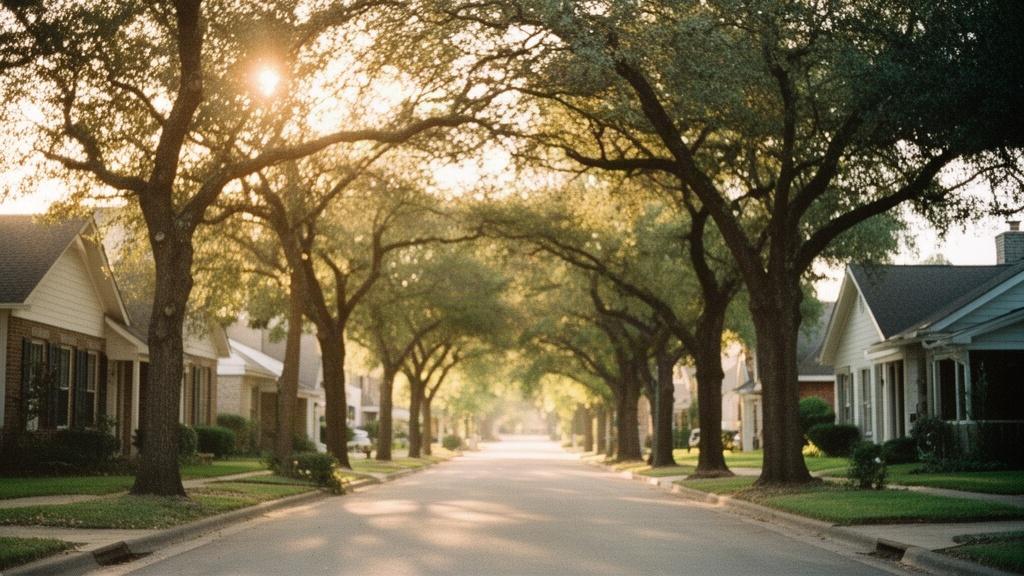
The landscape is flat and suburban, with retention ponds, greenbelt trails, and community recreation centers woven into most of the master-planned developments. LaCenterra at Cinco Ranch on the Grand Parkway serves as a central gathering point, with outdoor retail, restaurants, and a movie theater. Katy Mills Mall at I-10 and Pin Oak provides big-box retail and outlet shopping. H-E-B, Kroger, and Costco locations are distributed across the area so that most neighborhoods have a major grocery option within five to ten minutes.
Infrastructure and Everyday Logistics
The Grand Parkway (State Highway 99) runs north to south through the western portion of the Katy area and has become the main spine connecting communities like Cinco Ranch, Cross Creek Ranch, and Elyson to each other and to the Katy Freeway (I-10). FM 1093 and FM 1463 handle east-west traffic further south and west. Understanding these corridors before you choose a neighborhood matters because traffic patterns vary significantly depending on whether you are commuting east toward Houston or north toward the Cypress area.
2. Katy Neighborhoods: What to Know Before You Choose
Katy's residential landscape is organized almost entirely around master-planned communities, each with its own HOA structure, amenity set, and price range. The right community for you depends on your commute destination, your budget, and what kind of home you want. The HAR neighborhoods guide for Katy is a useful starting point, but walking through the specifics of each area helps you narrow down quickly.
Cinco Ranch and the Western Corridor
Cinco Ranch is one of the most established master-planned communities in the Katy area, with development that began in the early 1990s and continued through the mid-2010s. Homes here range from roughly 1,600 square feet to over 4,500 square feet, with prices in September 2026 generally spanning from the upper $300,000s to the low $700,000s depending on the section, lot size, and age of the home. The community sits along the Grand Parkway between I-10 and FM 1093, which puts it within about 25 to 35 minutes of the Energy Corridor on a non-peak commute.
Cinco Ranch has multiple recreation centers, a network of lakes and trails, tennis courts, and splash pads. Because it is fully built out, you will be buying resale here rather than new construction. That means more negotiating room in some cases, but it also means you are buying homes that are 10 to 30 years old, so inspection results and deferred maintenance become important factors. For a detailed look at this community, see the Cinco Ranch real estate market guide on this site.
Cross Creek Ranch and Fulshear-Adjacent Communities
Cross Creek Ranch straddles the Fort Bend and Harris county line near FM 1093 and the Grand Parkway, and it is one of the larger active master-planned communities in the broader Katy area. New construction is still underway in some sections, with builders including Perry Homes, Taylor Morrison, and Westin Homes offering homes from the mid-$400,000s into the $700,000s. The community has a lagoon-style amenity center, miles of trails along Flewellen Creek, and a well-established commercial corridor nearby on FM 1093.
The drive from Cross Creek Ranch to the Energy Corridor runs approximately 30 to 40 minutes during normal morning traffic, depending on the specific section of the community. Fulshear, just to the west, has its own growing commercial base along FM 1093 including restaurants, a Kroger, and medical offices, so residents in this corridor do not need to drive east for everyday errands. For a step-by-step look at buying in this community specifically, the Cross Creek Ranch buyer's guide covers the process in detail.
Grand Lakes and the Inner Katy Pocket
Grand Lakes sits east of the Grand Parkway between I-10 and Clay Road, putting it closer to the Energy Corridor than most other Katy communities. Homes here were built primarily in the 2000s and range from roughly 2,000 to 4,000 square feet, with prices in September 2026 generally in the $380,000 to $600,000 range. The community has a 24-hour gated entrance at one of its sections, multiple lakes, and a recreation center with a pool and fitness facility.
Because Grand Lakes is fully built out and sits in one of the more convenient locations relative to I-10, it tends to hold value well and sees consistent buyer interest from people who want an established neighborhood with a shorter commute. The Grand Lakes buyer's guide on this site walks through what to expect when purchasing there.
Firethorne and Smaller Master-Planned Options
Firethorne is a mid-sized master-planned community in the Katy area near FM 1463 and Kingsland Boulevard, with homes built from the mid-2000s through the early 2020s. It has a more intimate feel than Cinco Ranch or Cross Creek Ranch, with a community pool, splash pad, and trails. Prices in Firethorne in September 2026 generally run from the mid-$300,000s to the low $600,000s. For a detailed picture of what daily life looks like there, the Firethorne neighborhood guide covers the specifics.
Elyson, further northwest near FM 529 and the Grand Parkway, is one of the newer master-planned communities in the Katy area with active construction from multiple builders. It features a large amenity center with a resort-style pool, a cafe, fitness facilities, and extensive trail systems. New construction pricing there starts in the upper $300,000s and reaches into the $600,000s for larger homes on premium lots. The new construction guide for Katy has current details on what is being built across these communities.
3. What It Costs to Buy a Home in Katy Right Now
The cost of relocating to Katy, Texas goes beyond the purchase price. You need to account for property taxes, HOA fees, and closing costs before you can build an accurate budget. Here is a straightforward breakdown of what buyers are actually spending in September 2026.
Price Ranges by Area
The Katy area median home price in September 2026 sits in the mid-to-upper $400,000s, though that number spans a wide range depending on community and home size. Entry-level homes in established resale communities like parts of Cinco Ranch or Katy proper start around $310,000 to $340,000 for homes under 1,800 square feet. Mid-range homes between 2,200 and 3,200 square feet in communities like Grand Lakes, Firethorne, or the older sections of Cross Creek Ranch typically list from $420,000 to $580,000. Larger homes above 3,500 square feet in premium sections of Cinco Ranch, Cross Creek Ranch, or Elyson can reach $650,000 to $800,000 or more.
For a current, detailed look at what prices are doing across different Katy zip codes, the September 2026 Katy home price report on this site breaks it down by area and price band.
Property Taxes and HOA Fees
Property taxes in the Katy area vary depending on which county and which municipal utility district (MUD) your home falls in. Harris County portions of Katy tend to have combined tax rates (including the MUD, school district, and county levies) in the range of 2.4% to 3.0% of assessed value. Fort Bend County portions, which include most of Cross Creek Ranch and Fulshear-area communities, often run slightly lower, typically 2.2% to 2.7%. On a $500,000 home, that means an annual property tax bill anywhere from $11,000 to $15,000 depending on location.
HOA fees in Katy's master-planned communities generally run from $800 to $1,800 per year for standard single-family homes, though some communities with more extensive amenities charge more. Some communities also have sub-HOA fees for specific sections on top of the master HOA. Always request the full HOA disclosure package before going under contract so you know exactly what you are committing to each year.
Closing Costs and Cash to Close
Buyers in Texas should budget roughly 2% to 3% of the purchase price for closing costs, which include lender fees, title insurance, the survey, prepaid insurance, and escrow setup. On a $475,000 purchase, that is approximately $9,500 to $14,250 in closing costs on top of your down payment. Texas does not have a transfer tax, which is one cost that buyers moving from states like California or New York will not encounter here.
If you are buying new construction, builders sometimes offer closing cost incentives when you use their preferred lender, but those incentives often come with a rate that is not the most competitive on the market. It is worth getting an independent lender quote before committing to the builder's financing, even if the incentive is appealing on the surface.
4. Commutes, Amenities and Daily Life
Where you land in the Katy area has a direct effect on how long your commute is and what you have access to within a short drive. These are not minor details when you are relocating to Katy, Texas from out of state and building a new daily routine from scratch.
Getting to Downtown Houston and the Energy Corridor
The Energy Corridor, which runs along I-10 between Beltway 8 and the Grand Parkway, is the primary employment destination for many Katy residents. From communities like Grand Lakes or the eastern sections of Cinco Ranch, the drive to the Energy Corridor takes about 20 to 30 minutes in typical morning traffic. From Cross Creek Ranch or Elyson further west, expect 35 to 50 minutes depending on the time of day and specific route.
Downtown Houston is approximately 30 to 35 miles from central Katy, and the drive on I-10 East during morning rush hour typically runs 45 to 70 minutes. The Katy Freeway has managed lanes and HOV options that can cut that time meaningfully if you commute with a passenger or during off-peak hours. The Texas Medical Center, located south of downtown, adds another 15 to 20 minutes from Katy depending on the route.
Shopping, Dining and Recreation
Katy Mills Mall at I-10 and Pin Oak Road anchors the retail corridor in the eastern part of the area, with over 175 stores and a Bass Pro Shops. LaCenterra at Cinco Ranch on the Grand Parkway near I-10 has a more walkable outdoor format with restaurants, a Alamo Drafthouse Cinema, and boutique retail. The Mason Road and Katy Freeway intersection has a dense cluster of chain restaurants, urgent care clinics, and services that most residents use regularly.
Recreation options include Mary Jo Peckham Park near downtown Katy, which has a fishing pond, disc golf, and athletic fields. Bear Creek Pioneers Park in west Houston, just east of the Katy area boundary, has over 2,000 acres with equestrian trails, athletic complexes, and picnic areas. Most master-planned communities also have their own internal trail systems, pools, and fitness facilities, so residents often do not need to leave their neighborhood for everyday recreation.
5. Realistic Timelines for Relocating to Katy, Texas
One of the most common mistakes people make when relocating to Katy, Texas is underestimating how long the process takes from the moment they decide to move to the day they get keys. The timeline varies depending on whether you are buying resale or new construction, how quickly you get pre-approved, and how competitive the price range you are targeting happens to be.
How Long the Home Search Takes
For resale homes, most relocating buyers who are pre-approved and have a clear sense of what they want find a home within two to six weeks of actively touring. In September 2026, Katy's resale inventory in the $400,000 to $600,000 range is reasonably healthy, meaning you are unlikely to face the extreme bidding wars that characterized 2021 and 2022. That said, well-priced homes in established communities like Grand Lakes or Cinco Ranch still move within one to three weeks of listing, so being pre-approved before you start touring is not optional.
For new construction, the timeline depends entirely on whether you are buying a spec home that is already built or signing a contract on a home that has not broken ground yet. Spec homes can close in 30 to 45 days. Homes built to order in communities like Elyson or the newer sections of Cross Creek Ranch typically take five to nine months from contract to completion, sometimes longer depending on the builder's current backlog.
Contract to Close: What to Expect
Once you are under contract on a resale home in Texas, the typical closing timeline is 30 to 45 days. The option period, usually three to seven days in Katy-area contracts, is your window to complete inspections and negotiate repairs or price adjustments. After the option period ends, you move into the appraisal and underwriting phase, which typically takes two to three weeks for a conventional loan.
Texas uses a title company to handle closings rather than an attorney, and the process is generally straightforward for buyers who have their documentation ready. You will sign closing documents at the title company's office, and funding typically happens the same day or the following business day, at which point you receive keys. The Katy housing market overview has current context on how negotiation dynamics are playing out right now, which affects how smoothly contracts tend to move.
Planning Your Move-In Window
If you are relocating from out of state, build in extra buffer time for the logistical pieces that often take longer than expected: lease break or home sale timelines in your current city, getting movers booked, and transferring utilities. A realistic planning window for most relocating buyers is three to four months from the moment you begin seriously searching to the day you are settled in a Katy home, assuming you are buying resale. If you are building new construction, plan for six to ten months minimum.
If you need to be in Katy by a specific date, work backwards from that date and identify when you need to be under contract. For example, if you need to be in your home by January 1, 2027, you should ideally be under contract by mid-November 2026 to allow 30 to 45 days for closing. That means your active home search should begin no later than mid-October, and your pre-approval should be in hand before that.
FAQ
What is the average home price for someone relocating to Katy, Texas in 2026?
In September 2026, the median home price in the Katy area sits in the mid-to-upper $400,000s, though the range is wide. Entry-level resale homes in older sections of established communities start around $310,000 to $340,000, while mid-range homes in communities like Grand Lakes, Firethorne, or Cross Creek Ranch typically list from $420,000 to $580,000. Larger homes in premium sections of Cinco Ranch or newer communities like Elyson can reach $650,000 to $800,000 or more. Property taxes in the Katy area add another $11,000 to $15,000 per year on a $500,000 home depending on which county and MUD district your property falls in, so those costs need to be factored into your overall housing budget from the start.
How long does it take to buy a home when relocating to Katy, Texas?
For resale homes, most relocating buyers who are pre-approved and know what they want find a home within two to six weeks of actively touring, then close 30 to 45 days after going under contract. That puts the total timeline from the start of a serious search to move-in at roughly two to three months in a typical scenario. For new construction built to order, the timeline stretches considerably: five to nine months from contract to completion is common, and some builders are running longer depending on their current workload. If you have a hard move-in deadline, work backwards from that date to determine when you need to start your search and have your financing in place.
Which Katy neighborhood is closest to the Energy Corridor?
Grand Lakes and the eastern sections of Cinco Ranch sit closest to the Energy Corridor among the major Katy master-planned communities, with typical non-peak commute times of 20 to 30 minutes via I-10 East. Both communities are fully built out and offer resale homes built primarily in the 2000s and 2010s. Communities further west, like Cross Creek Ranch, Firethorne, or Elyson, add 10 to 20 minutes to that commute depending on the specific section and time of day. If minimizing the Energy Corridor commute is a priority, focusing your search on communities east of the Grand Parkway will give you the most options in that 20 to 30 minute range.