← Back to Blog
Buying
Where to Find Homes for sale in Greensboro, Georgia: Neighborhoods, Prices, and Buying Steps
By Jennifer Vaughan
Dwell Real Estate · DRE# 402355
October 26, 2026 · 4 min read
Searching for Homes for sale in Greensboro, Georgia? This guide covers local housing types, typical price ranges, commute and amenity details, plus step-by-step buying and selling tips specific to Greensboro.
1. Overview of Greensboro housing stock
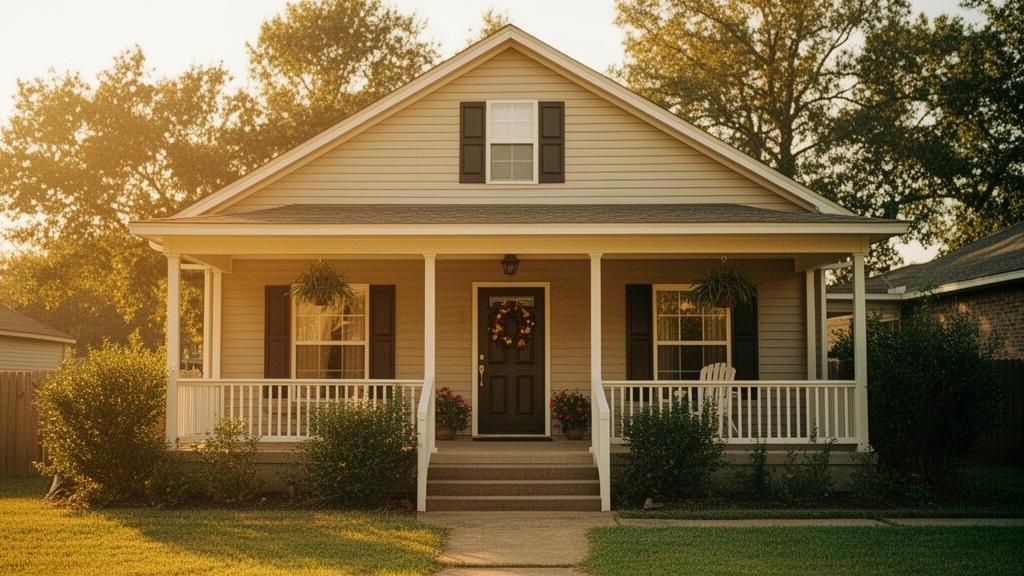
The mix of housing here is varied and locally distinct. Greensboro, Georgia has a blend of downtown historic cottages around Main Street, mid century and ranch houses on quarter to half acre lots, and larger lakefront properties along Lake Oconee. Many houses inside the city limits were built between the 1900s and 1970s; newer construction is more common on the outskirts and along roads heading toward Lake Oconee.
Historic downtown stock
Typical features. Downtown Greensboro properties often have original hardwoods, front porches, high ceilings, and smaller lots between 0.1 and 0.3 acres. Many are within walking distance of the courthouse square, antique shops, and local restaurants on Broad Street.
Lake and suburban houses
Lot sizes and finishes. Homes nearer Lake Oconee and on the town edges frequently sit on larger lots from half an acre to several acres. Many lakefront homes include docks, elevated views, and open floor plans. Suburban builds from the 1990s onward commonly have two car garages, master suites on the main level, and landscaped yards.
2. Typical price ranges and what to expect
Prices vary by location, size, and condition. Within Greensboro city limits you will find entry level single family homes, renovated historic houses, and higher priced lake-access and custom builds. Exact median figures change regularly, so check current MLS listings or ask a local agent for the latest numbers.
Common price checkpoints. Use these price bands to set expectations: smaller older homes and cottages, mid range renovated properties, and higher priced lakefront or large-lot custom homes. Also plan for closing costs, inspection repairs, and any homeowner association fees near Lake Oconee communities.
- Entry and smaller homes: check current MLS for local listings and prepare for renovation costs
- Renovated downtown properties: expect updated systems and historic features
- Lakefront and custom builds: factor in dock, shoreline, and insurance considerations
3. Where to look and local features
Look for homes near the features you use most. Greensboro's key anchors are the courthouse square and Broad Street downtown, the Greensboro Lakeside area by Lake Oconee, and corridors toward Eatonton and Madison. Identifying the parts of town with the amenities you want narrows your search quickly.
Downtown Greensboro and Main Street
What is here. The downtown area contains the historic Putnam County Courthouse, local boutiques, cafes, and seasonal events on the square. Properties within walking distance tend to be older and closer to the street grid, with smaller yards and mature trees.
Lake Oconee corridor
Lake features and access. Properties near Lake Oconee range from modest cottages with community docks to multi thousand square foot custom homes with private shoreline. Drive times from central Greensboro to the lakefront vary by neighborhood, typically 10 to 25 minutes depending on where you are on the lake.
4. Steps to buy or sell a home in Greensboro
Follow practical local steps from search to closing. Start with a clear list of must haves and deal breakers for Greensboro properties, schedule showings in targeted neighborhoods, and use local inspections and contractors when evaluating older homes downtown.
Search and financing
Get pre approved. A mortgage pre approval defines your price band and makes offers stronger. For buyers who plan to renovate an older downtown house, consider renovation loan options or factor contractor estimates into your offer.
Inspections, disclosures, and closing
What to check on Greensboro homes. For older properties check foundation, plumbing, wiring, and roof condition. For lake properties confirm shoreline easements, dock condition, and any flood insurance needs. Review seller disclosures carefully and hire a local inspector familiar with Putnam County building styles.
Documentation tip. Ask your agent for comparable sales from the same neighborhood and within a three month window of the listing date to evaluate price. Also ask about recent local listings that did not sell to understand market boundaries.
5. Questions buyers and sellers ask
Common practical questions have straightforward checks. Below are items buyers and sellers can verify quickly with their agent, or look up via county and local resources.
- How to compare comps: pull three to five recent closed sales within one mile and three months of the listing date
- What to watch in photos: look for roof stains, window condition, and grade changes at foundations
- Disclosure items: confirm presence of prior water damage, septic systems, or easements in the deed
Listing photo and privacy note. If you are concerned about photo privacy or how listing photos display, industry discussions about listing access and photo privacy are ongoing and affect how agents handle images and personal information in listings.
Further reading on listing access. For background on listing access and related industry practices see an article about open real estate listing access.
Final local preparation tip. Walk the neighborhood at different times, check drive times to the places you visit most, and if you are relocating, visit on a weekend and a weekday to compare traffic to Athens, Milledgeville, or I 20 access.
FAQ
How do I find current Homes for sale in Greensboro?
Start with the local MLS and filter by Greensboro, Putnam County boundaries, and your bed and bath requirements. Ask a local agent for a custom search that includes new listings the moment they hit the market, and request saved search alerts for price changes and status updates.
What should I inspect on an older Greensboro home?
Focus on foundation and crawlspace, roof age and leaks, original plumbing and electrical, and evidence of past water intrusion. Use a licensed local inspector who has worked on historic Putnam County houses; they will know common construction details to check.
How do I compare lakefront and in town properties?
Compare on a per feature basis: lot size, shoreline or dock rights, insurance implications, and travel time to downtown amenities. Request comparable sales for each property type and factor in recurring costs like HOA or shoreline maintenance when calculating long term ownership costs.