
← Back to Blog
Market Trends
The Cross Creek Area of Fayetteville, North Carolina Real Estate Market Guide: Prices, Neighborhoods and Timing
By Jessica Deshotel
September 17, 2026 · 10 min read
The Cross Creek area of Fayetteville, North Carolina carries a strong reputation among buyers and sellers for its central location, range of housing options, and consistent market activity. This guide breaks down current prices, what the surrounding neighborhoods actually look like on the ground, and how to read the timing signals that matter most whether you are buying or selling in 2026.
1. What Makes the Cross Creek Area Distinct in Fayetteville
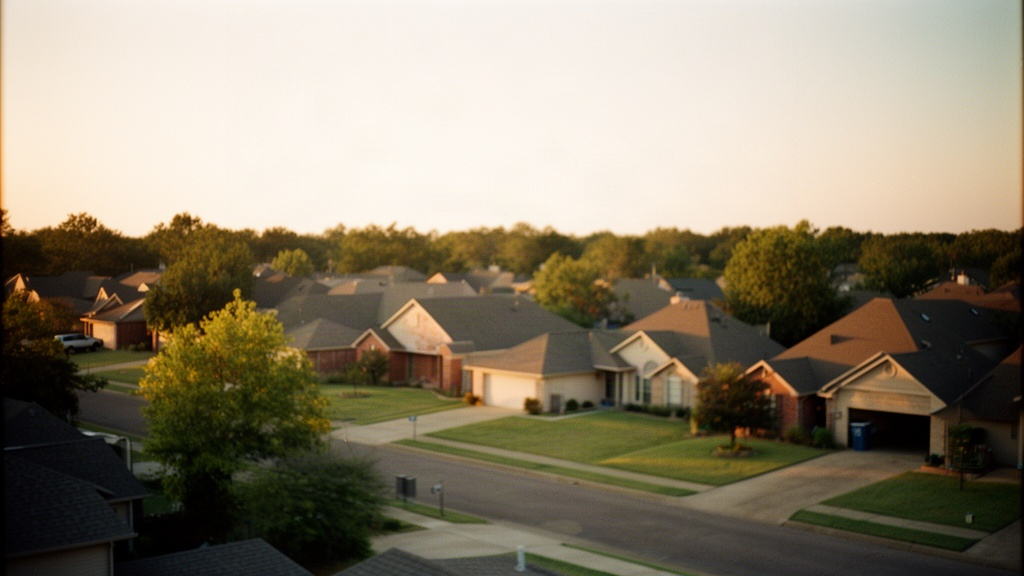
The Cross Creek area sits in the central-western portion of Fayetteville, anchored by Cross Creek Mall and the commercial corridor that runs along Skibo Road and Morganton Road. That central position is one of the primary reasons this part of the city sees steady real estate demand: residents can reach downtown Fayetteville in roughly 10 to 15 minutes, Fort Liberty's main gates in about 20 minutes via Raeford Road or All American Freeway, and the Fayetteville Regional Airport in under 15 minutes.
Geography and Landmarks
Cross Creek itself is an actual waterway, a tributary of the Cape Fear River that winds through several neighborhoods before emptying southward. The creek and its greenway corridors give portions of this area a natural buffer from the heavier commercial development along Skibo Road. Residents near the creek often have mature tree canopy and larger lots, which affects both property values and the character of individual streets.
The area is also home to Cape Fear Valley Medical Center on Owen Drive, which draws healthcare workers and support staff who prefer short commutes. Methodist University sits just south of the Cross Creek corridor on Ramsey Street, adding another employment and activity node to the area's draw.
Housing Stock and Architecture
The housing stock here spans several decades. Homes built in the 1960s and 1970s dominate some of the older streets closer to Morganton Road, typically ranch-style brick homes on lots ranging from 0.2 to 0.4 acres. Neighborhoods developed in the 1980s and 1990s tend toward larger two-story colonials and split-level designs. More recent infill development and newer subdivisions near the Skibo Road extension have added townhomes and smaller single-family homes built after 2005.
That variety in age and style means buyers at multiple price points can find something in this area, and sellers need to be precise about how they position their home relative to the specific decade and condition of nearby comparable sales.
2. Home Prices in the Cross Creek Area Right Now
As of September 2026, homes in the Cross Creek area of Fayetteville are generally trading in a range from the low $200,000s to the upper $400,000s, depending on size, condition, and how close a property sits to the commercial corridors versus the quieter residential streets. The broader Fayetteville market continues to benefit from North Carolina's relative affordability compared to national benchmarks, a point worth noting for buyers relocating from higher-cost metros.
Current Median Prices
Within the Cross Creek area specifically, the median sale price for a single-family home in September 2026 is hovering near $265,000 to $290,000 for homes in average to good condition. Fully updated properties with newer kitchens, HVAC systems replaced within the last five years, and fresh exterior work are pushing closer to $310,000 to $340,000 on streets that have seen consistent owner-occupant investment. Townhomes and attached units, which have become more common along the Skibo Road corridor, are trading in the $180,000 to $230,000 range.
Price Per Square Foot and What Drives It
Price per square foot in the Cross Creek area currently runs between $115 and $155 for most single-family homes, with outliers above that range for recently renovated properties. The biggest drivers of variation are lot size, garage configuration, and whether the home has been updated since 2010. Brick ranch homes from the 1970s in original condition tend to price at the lower end of that range, while two-story homes with open floor plans and updated bathrooms command the upper end.
How Cross Creek Compares to the Broader Fayetteville Market
Fayetteville as a whole remains one of the more affordable mid-size cities in North Carolina. According to Forbes Advisor's analysis of North Carolina housing market trends, the state's median home values have been rising steadily, yet Fayetteville continues to price below the state median, which gives buyers purchasing in the Cross Creek area a meaningful value position relative to cities like Raleigh or Charlotte.
Within Fayetteville, the Cross Creek area prices fall roughly in the middle of the city's overall range. Areas closer to downtown Fayetteville and the historic Haymount district, which you can read more about in the Haymount area guide on this site, often carry different price dynamics due to the older architectural character there. Cross Creek's pricing reflects its mix of established residential streets and proximity to major retail and medical employment.
3. The Neighborhoods That Make Up the Cross Creek Area
The Cross Creek area is not a single subdivision; it is a collection of residential communities that share the same general geography and commercial infrastructure. Understanding the differences between those communities matters because pricing, lot sizes, and home ages vary meaningfully from one street to the next.
Cross Creek Estates and Surrounding Streets
Cross Creek Estates is one of the established subdivisions in this corridor, featuring primarily brick homes on quarter-acre to half-acre lots. Many of these homes were built between the late 1970s and early 1990s, which means buyers should budget for potential HVAC, roof, and plumbing updates depending on the specific property's maintenance history. The streets are wide, lots have mature trees, and the neighborhood has a settled, established feel that newer developments in outer Fayetteville do not yet have.
Homes in this pocket typically sell between $230,000 and $310,000 in September 2026, with the spread driven almost entirely by update level and lot positioning. Corner lots and properties backing to the creek greenway tend to hold value well and attract multiple offers when priced correctly.
Bordeaux and Adjacent Communities
The Bordeaux area, which sits northeast of the Cross Creek Mall corridor, contains a mix of single-family homes and some older apartment complexes. The single-family homes here are largely brick ranch construction from the 1960s and 1970s on modestly sized lots. Entry prices in this pocket can start below $200,000 for homes needing work, which draws both owner-occupant buyers on tighter budgets and investors looking for rental properties given the proximity to Cape Fear Valley Medical Center.
Buyers considering this pocket should do careful due diligence on deferred maintenance, as homes of this age can have older electrical panels, original plumbing, and roofs that may be approaching end of life. A thorough home inspection is non-negotiable here, and factoring renovation costs into your offer strategy is essential.
Westover Hills and the Raeford Road Corridor
Moving south and west toward the Raeford Road corridor, the housing stock shifts toward larger lots and homes built from the 1980s through the early 2000s. Westover Hills and similar communities in this zone offer more square footage per dollar than many comparable Fayetteville neighborhoods, with two-story homes in the 1,800 to 2,600 square foot range common at prices between $260,000 and $380,000 as of September 2026.
Raeford Road itself is a primary route to Fort Liberty, so commute times to the installation's main gates are among the shortest in the city from this corridor, typically 15 to 20 minutes in normal traffic. That access has historically kept demand in this zone steady, even when other parts of Fayetteville have seen softer activity.
4. Market Timing: When to Buy or Sell Near Cross Creek
Timing in the Cross Creek area follows both national seasonal patterns and some Fayetteville-specific rhythms tied to the military community. Understanding both layers gives buyers and sellers a real advantage when deciding when to act.
Seasonal Patterns in Fayetteville
Spring remains the peak listing season in Fayetteville, with March through June typically bringing the highest number of new listings and the most buyer competition. Sellers who list in April or May in the Cross Creek area historically see faster sales and stronger offers than those who list in late summer or fall. That said, September, which is where the market sits right now, is not a dead period: buyers who paused over summer often re-enter in the fall, and inventory tends to be lower than spring, which can work in a motivated seller's favor.
For buyers, the September 2026 window can mean less competition than spring while still finding solid options before the holiday slowdown in November and December. Sellers who did not move their homes in spring sometimes reduce prices in the fall, creating negotiating room for prepared buyers.
Inventory Levels and Days on Market
Inventory in the Cross Creek area currently sits at a moderate level, with most well-priced homes going under contract within 20 to 35 days. Homes that linger past 45 days are almost always overpriced relative to their condition or have inspection-related issues that surfaced during a prior contract. Days on market is one of the most useful data points for buyers trying to assess negotiating leverage on a specific property.
The Fort Liberty factor is real and measurable in Fayetteville's market. Permanent change of station orders, which typically arrive in the late spring and early summer, create a wave of buyers who need to move quickly and sellers who must list on a timeline. That military-driven demand cycle adds a layer of urgency to the spring market that does not exist in most other North Carolina cities of similar size.
Interest Rate Environment in September 2026
Mortgage rates in September 2026 have stabilized compared to the volatility of the prior two years, though they remain higher than the historic lows of 2020 and 2021. For a home priced at $280,000 in the Cross Creek area, the difference between a 6.5% and a 7.0% rate on a 30-year conventional loan is roughly $90 per month in payment, which is meaningful for buyers stretching their budgets. Locking in a rate when you find the right property matters more than trying to time the rate market perfectly.
North Carolina's overall housing affordability continues to work in buyers' favor relative to national averages. Data from HousingWire's affordability analysis confirms that North Carolina home prices run roughly 20% below the national median, a gap that makes markets like Fayetteville's Cross Creek area genuinely accessible for buyers relocating from higher-cost regions.
5. What Buyers and Sellers Should Know Before Acting
Whether you are buying or selling in the Cross Creek area, there are practical steps specific to this market that make the difference between a smooth transaction and a frustrating one. Generic real estate advice only gets you so far; the details of this specific corridor matter.
Due Diligence Steps Specific to This Area
Flood zone status is worth checking carefully in the Cross Creek area because of the creek itself and its tributaries. Some properties sit in or near FEMA-designated flood zones, which affects both insurance costs and lender requirements. The Cumberland County GIS portal and FEMA's flood map service center are the tools to use before making an offer on any property near the waterway.
For sellers, pricing accuracy is the single biggest lever you control. The Cross Creek area has enough internal variety that a home on one street can have a very different comparable sales set than a home two blocks away. Relying on automated online estimates without a local agent pulling actual closed sales data from the Cumberland County market will almost always result in a price that is either too high or too low.
Buyers should also research school assignment zones directly through Cumberland County Schools, as attendance boundaries can affect your options depending on the specific address. The district's own website is the authoritative source for current boundary information, since those lines do change periodically.
Working With a Local Expert
The Cross Creek area of Fayetteville, North Carolina rewards buyers and sellers who work with an agent who knows the specific streets, the condition norms for homes of different eras, and the timing patterns driven by the local military community. An agent without that local depth will miss the nuances that determine whether a price is right or a deal makes sense.
Jessica Deshotel works with buyers and sellers across Fayetteville and has direct experience with the Cross Creek corridor's pricing patterns and neighborhood-level differences. If you are evaluating your options in this area, you can also review the broader guide to homes for sale in Fayetteville, NC for context on how Cross Creek fits into the city's overall housing picture.
Sellers considering listing in this area can find useful preparation context in the article on questions to ask a real estate agent before hiring them to sell your home, which covers what to look for in an agent's local track record and pricing approach before you sign a listing agreement.
FAQ
What is the average home price in the Cross Creek area of Fayetteville, NC right now?
As of September 2026, the median sale price for a single-family home in the Cross Creek area of Fayetteville, North Carolina is approximately $265,000 to $290,000 for homes in average to good condition. Fully updated properties with recent HVAC, roof, and kitchen improvements are selling closer to $310,000 to $340,000. Townhomes and attached units along the Skibo Road corridor are trading in the $180,000 to $230,000 range. Price per square foot for most single-family homes falls between $115 and $155, with the spread driven by update level, lot size, and home age. These figures can shift quickly based on inventory and interest rate changes, so pulling current comparable sales data with a local agent before making any decision is essential.
Is the Cross Creek area a good place to buy a home in Fayetteville, NC?
The Cross Creek area offers a central location in Fayetteville with access to major employment centers including Cape Fear Valley Medical Center, Fort Liberty, and the commercial corridors along Skibo and Morganton Roads. The housing stock spans several decades, giving buyers at different price points options ranging from 1960s brick ranch homes to newer townhomes and two-story colonials. Whether the area fits your specific needs depends on your commute requirements, budget, preferred home style, and personal priorities. Researching the specific streets and home ages within the area, checking flood zone maps through FEMA's service center, and reviewing school boundary information through Cumberland County Schools directly will give you the factual basis to make an informed decision.
When is the best time to sell a home in the Cross Creek area of Fayetteville?
Spring, specifically March through June, historically produces the highest buyer demand and fastest sales in the Cross Creek area, driven by both seasonal patterns and the military permanent change of station cycle that peaks in late spring and early summer. Sellers who list in April or May tend to see more competitive offers and shorter time on market than those who list in late summer or winter. That said, September 2026 is not a slow period: fall buyers are often more motivated than spring browsers, and lower inventory in the fall can reduce competition among sellers. The most important factor is not the month but the accuracy of your pricing relative to recent comparable closed sales in your specific pocket of the Cross Creek area.