← Back to Blog
Local Living
Homes for sale in Framingham: A Local Guide to Buying, Selling, and Relocating
By Jessica Ortega, Realtor
RE Lic.# 9553839
October 12, 2026 · 5 min read
Searching for homes for sale in Framingham? This guide walks buyers, sellers, and people relocating through Framingham housing types, price ranges, commute options, and actionable steps you can use right now.
1. What kinds of homes are available in Framingham
Short answer. Framingham has a broad mix of housing stock, including postwar single family homes, Victorian and Colonial-era properties, condominium conversions, and multiunit buildings in and near the downtown area.
Single family homes
Typical details. Most single family homes sit on quarter-acre to half-acre lots, with Cape, Colonial, and split-level styles common in neighborhoods such as Nobscot and Saxonville.
Condominiums and multiunit properties
Typical details. Downtown Framingham and areas near Framingham Centre have condo buildings and two to four unit houses that appeal to buyers looking for lower maintenance or rental income. Unit sizes range from one bedroom flats to three bedroom units.
Historic and architecturally distinct houses
Typical details. Framingham has Victorian and early 20th century homes concentrated around the Centre and the Dean Campus area. These properties often have mature landscaping and original woodwork, and they may need updating.
2. How pricing and inventory work locally
Short answer. Expect a wide price spread in Framingham. Which bracket a home falls into depends on size, lot, updates, and proximity to downtown or commuter rail.
Key local numbers to check. Pull recent sold prices for nearby streets, look at active listings in your target neighborhood, and verify days on market in the MLS or public sites to see how long similar properties are listed.
- Price bracket: Entry level condos start lower, midrange single family homes cluster in the middle, and larger renovated Colonials command higher prices depending on lot size and finishes.
- What to compare: Square footage, finished basement area, roof and mechanical age, and lot dimensions give the quickest apples-to-apples comparison.
- Where to check inventory: Use the MLS via a local agent or town property search pages for the most current active inventory and sold history.
3. Commutes, transit, and where people travel from
Short answer. Framingham is centrally located on the Massachusetts Turnpike corridor and has commuter rail service into South Station, making commute times highly dependent on the exact neighborhood and time of day.
MBTA and commuter rail
Short details. Framingham has several commuter rail stops, including Framingham and South Framingham on the Worcester Line. Check MBTA schedules for exact commute durations and peak vs off-peak frequency.
Key roads and drive times
Short details. Route 9, I-90, and the Mass Pike are primary routes. Typical drive times to downtown Boston vary by traffic, so measure commute times from specific addresses during rush hour to get accurate estimates.
4. Neighborhood features, parks, and schools to research
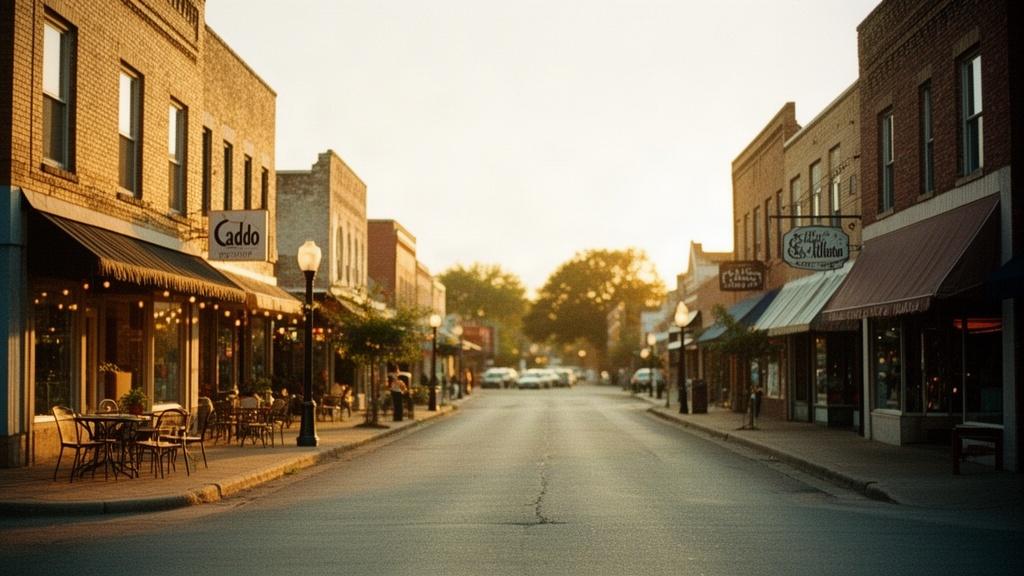
Short answer. Framingham offers riverfront parks, municipal green spaces, a walkable downtown with shops and restaurants, and multiple school options; buyers and sellers should research objective data and visit areas in person.
Parks and landmarks
Local highlights. Notable spots include the Sudbury Riverwalk, Garden in the Woods nearby in Framingham's periphery, and Memorial Building events downtown. These create walkable pockets and weekend options within the town.
Schools and objective sources
Research tip. For school information consult the Massachusetts Department of Elementary and Secondary Education and the Framingham Public Schools website for enrollment and program descriptions. These are objective resources to review directly.
5. Steps to buy or sell in Framingham
Short answer. Whether buying or selling, take a local, data-driven approach: review comps, verify property condition, and work with someone who understands Framingham logistics and paperwork.
Buyers checklist
- Get mortgage preapproval: Obtain preapproval that shows a lender is willing to fund up to a specific amount based on your finances.
- Identify target features: List must-haves like number of bedrooms, yard size, garage, and proximity to commuter rail or Route 9.
- Schedule inspections: Hire a local inspector who knows Framingham building styles and common issues, such as older plumbing or oil tank concerns.
Sellers checklist
- Prepare detailed comps: Compare sold listings on your street and nearby areas to set a competitive price range.
- Make targeted improvements: Focus on visible items like paint, staging, and curb appeal that affect buyer impressions in Framingham neighborhoods.
- Use quality listing photos and floor plans: Good visuals help your listing stand out on MLS and public sites, and make touring decisions easier for buyers coming from neighboring towns.
Local agent value. A Framingham agent handles town-specific disclosures, knows which utility companies serve particular streets, and can coordinate inspections and local contractors quickly.
6. What to watch and questions to ask
Short answer. Gather local facts and ask targeted questions about properties you like before making decisions.
- Ask about utilities: Who provides gas, electric, water, and sewer, and are there any known easements or assessments on the property?
- Ask about recent repairs: Request receipts or permits for work done on roof, furnace, septic or other major systems.
- Ask for comparable sales: Request 3 to 6 recent nearby sold listings to understand pricing context.
Local note. If you are relocating from outside the area, ask for a tour that covers multiple neighborhoods and transit options so you can compare commutes and local amenities in one visit.
7. Resources and next steps
Short answer. Use local town pages, the Framingham property database, the MBTA site for schedules, and an MLS-connected agent for current homes for sale in Framingham.
Final local tip. Bring a prioritized checklist to showings, note commute times from the address, and request recent utility bills or municipal records when you get serious about a property.
FAQ
How do I find current homes for sale in Framingham?
Start with an MLS-connected agent for the most up-to-date active listings. You can also search the town assessor site for parcel details, and check MBTA and town websites for neighborhood context. An agent can set up customized searches and alert you when new matching listings appear.
What costs should I budget for when buying in Framingham?
Budget for the down payment, lender and appraisal fees, home inspection, closing costs, and prorated property taxes and utilities. If the property is older, include reserves for likely updates such as roofing, heating systems, or lead paint remediation if applicable.
Should I use a local Framingham agent or a broker from outside the area?
A local Framingham agent brings knowledge of town-specific disclosure rules, local contractors, and neighborhood logistics. They can coordinate showings, inspections, and municipal paperwork efficiently. If you are relocating, a local agent can also provide guided neighborhood tours and connect you with community contacts.