

← Back to Blog
Selling
Downsizing in Orangevale, CA: Options, Costs and Timing
By Jessica Riley Bambach, Realtor
Better Homes & Gardens Reliance Partners · DRE# 02111061
September 13, 2026 · 12 min read
Downsizing in Orangevale, CA is one of the most financially significant decisions a homeowner can make, and the local market in September 2026 gives sellers real leverage. This guide breaks down your housing options, what the transaction actually costs, and when to list so you keep as much equity as possible.
1. What Downsizing in Orangevale Actually Looks Like
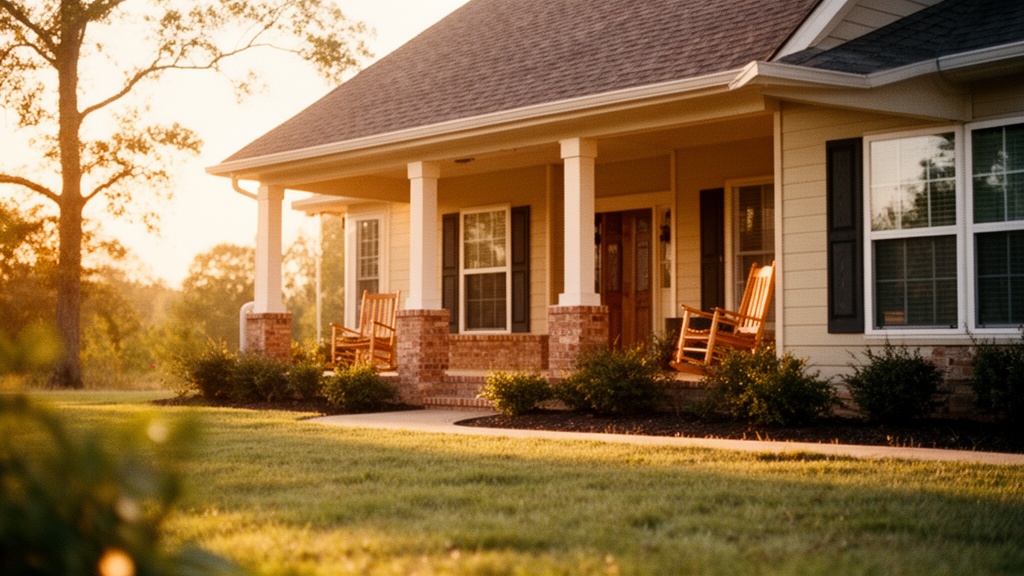
Downsizing in Orangevale, CA means something specific. Most homeowners here are sitting on a three- or four-bedroom ranch-style or split-level home built between the 1960s and 1990s, often on a lot between a quarter and half an acre. The yards are real, the square footage runs from about 1,400 to 2,400 square feet, and the deferred maintenance list grows every year. For many Orangevale homeowners, the question is not whether to downsize but when and where to go.
The Orangevale Housing Stock You Are Moving From
Orangevale sits in unincorporated Sacramento County, east of Citrus Heights and north of Folsom Lake's western arm. The community is almost entirely single-family residential, with large lots that were carved out of old orchard land. Streets like Greenback Lane, Hazel Avenue, and the corridors feeding off Orangevale Avenue are lined with homes that have appreciated sharply over the past several years.
If you bought your home before 2015, you are likely sitting on substantial equity. For current figures on what homes are selling for right now, the article on home prices in Orangevale in September 2026 gives you a detailed breakdown by bedroom count and street type.
Where Downsizers Typically Land
Some Orangevale downsizers stay within the community, trading a four-bedroom on a half-acre for a two-bedroom on a smaller lot. Others move to nearby Folsom, Roseville, or the El Dorado Hills corridor. A smaller group leaves the Sacramento foothills entirely for coastal communities or moves closer to adult children in other states. The right destination depends on your lifestyle priorities, budget, and how much you want to stay connected to the Orangevale area.
2. Your Housing Options When Downsizing in Orangevale, CA
You have four realistic housing categories to consider. Each carries a different price point, maintenance burden, and lifestyle tradeoff. Understanding them before you list your current home saves you from making a rushed decision under contract pressure.
Smaller Single-Family Homes in Orangevale
Two-bedroom and smaller three-bedroom homes in Orangevale do exist, though they are less common than in denser suburbs. These properties typically run from roughly 900 to 1,500 square feet and sit on lots ranging from 6,000 square feet to a quarter acre. In September 2026, smaller single-family homes in this zip code generally list in the mid-$400,000s to low $500,000s depending on condition and location relative to the American River Parkway trail system.
The appeal here is staying in a familiar community. You keep a yard, maintain your privacy, and avoid HOA fees. The tradeoff is that you still own exterior maintenance: roof, HVAC, landscaping, and fencing. For some downsizers, that is the whole point of the move, to shed exactly those responsibilities.
Condos and Townhomes Near Orangevale
Orangevale itself has very limited condo inventory, which is a function of its unincorporated, low-density character. The nearest condo and townhome supply sits in Citrus Heights to the west, Folsom to the south, and Roseville to the northwest. Folsom in particular has newer townhome communities in the $450,000 to $600,000 range, many within a short drive of Folsom Lake State Recreation Area and the Folsom bike trail network.
Condo living means HOA fees, which in the Sacramento foothills region typically run from $250 to $500 per month depending on amenities. That monthly cost replaces most exterior maintenance expenses, so the math often works out to be similar to owning a house with deferred maintenance costs, but the predictability is the advantage.
55-Plus and Active-Adult Communities in the Sacramento Foothills
The broader Sacramento region has a number of age-restricted communities within 30 to 45 minutes of Orangevale. Sun City Roseville in Placer County is one of the largest, with homes ranging from the mid-$400,000s to well over $700,000 depending on size and upgrades. The Lincoln Hills community in Lincoln is another large active-adult development roughly 35 miles northwest of Orangevale via Highway 80.
These communities typically include clubhouses, pools, fitness centers, and organized activities, all covered by HOA fees that run from $200 to over $400 per month. If you are considering this path, it is worth reading this Forbes piece on three key financial considerations before downsizing in retirement, which covers how HOA costs, tax changes, and cash-flow planning interact when you make this kind of move.
Renting as a Bridge or Long-Term Strategy
Some Orangevale downsizers sell their home, bank the equity, and rent for one to three years while the dust settles. This approach gives you time to test a new location, avoid buying in a market you do not yet understand, and keep your options open if health or family circumstances change.
The Sacramento region rental market currently runs from about $1,800 to $2,400 per month for a two-bedroom apartment or smaller house, depending on location and condition. Renting is not the right move for everyone, but for homeowners who are not yet certain where they want to land permanently, it removes the pressure of making two major decisions simultaneously.
3. The Real Costs of Downsizing in Orangevale
The total cost of downsizing includes selling costs, buying costs, moving expenses, and often overlooked transition costs. Running these numbers before you list is essential, because the gap between your gross sale price and your net proceeds can be surprisingly wide.
Selling Costs on Your Current Home
When you sell a home in Orangevale, your largest line items are real estate commissions, transfer taxes, and any pre-sale repairs or staging. Real estate commissions in California are negotiated, but a full-service listing typically runs from 4% to 6% of the sale price split between the listing agent and the buyer's agent. On a $600,000 sale, that is $24,000 to $36,000.
Sacramento County transfer tax runs $1.10 per $1,000 of sale price, so on a $600,000 sale that is $660. Sellers in California also typically pay for a natural hazard disclosure report (roughly $100 to $150), a home warranty if offered to the buyer ($400 to $700), and any negotiated repairs after inspection. Pre-sale repairs and cosmetic updates vary widely, but budgeting $3,000 to $10,000 for paint, landscaping, and minor fixes is realistic for a home that has been lived in for ten or more years.
Buying Costs on Your Next Home
If you are purchasing a replacement property, expect to pay closing costs as a buyer of roughly 1% to 2% of the purchase price. On a $450,000 purchase, that is $4,500 to $9,000, covering escrow fees, title insurance, lender fees if you are financing, and prepaid property taxes and homeowners insurance. The article on typical closing costs for a home buyer in Orangevale in 2026 walks through each line item in detail so you know exactly what to expect at the closing table.
Moving and Transition Costs
A local move within the Sacramento region typically costs $1,500 to $4,000 for a professional moving crew, depending on the volume of furniture and how far you are going. If you are moving out of state, full-service moving costs can reach $8,000 to $15,000 or more. Storage units, which many downsizers need while sorting through decades of accumulated belongings, run $150 to $300 per month in the Sacramento area.
Do not underestimate the cost of decluttering. Estate sale companies typically charge 30% to 40% of gross sales, junk removal services charge $300 to $800 per truckload, and donation pickups are free but require sorting time. Many Orangevale downsizers find this phase takes two to three months and costs $1,000 to $3,000 in total.
The Equity Math: What You Could Walk Away With
Here is a simplified example using current Orangevale market conditions. A homeowner selling a three-bedroom home at $620,000 with a remaining mortgage of $150,000 would have gross equity of $470,000. After a 5% commission ($31,000), transfer tax ($682), pre-sale repairs ($5,000), and miscellaneous closing costs ($2,500), net proceeds come to roughly $430,800. Purchasing a two-bedroom replacement at $460,000 with cash leaves approximately $0 financed and roughly $5,000 to $15,000 in buying-side closing costs, leaving the homeowner with $415,000 to $425,000 in liquid assets after both transactions close.
Capital gains tax is a real consideration for long-term Orangevale homeowners. The federal exclusion is $250,000 for single filers and $500,000 for married couples filing jointly on the sale of a primary residence, provided you have lived in the home for at least two of the last five years. Gains above those thresholds are taxable. If your equity is large, speak with a CPA before you close.
4. Timing Your Downsize in the Orangevale Market
Timing matters, but it rarely matters as much as sellers expect. The difference between listing in the optimal month versus an average month in Orangevale is typically a few thousand dollars, not tens of thousands. What matters far more is pricing accurately, presenting the home well, and having a clear plan for where you are going.
Where the Market Stands in September 2026
As of September 2026, the Orangevale market remains a seller's market with limited inventory relative to buyer demand. Homes priced correctly are moving within two to four weeks. The median days on market in Orangevale this month sits below 30 days for well-presented properties. For a deeper look at how long homes are sitting before they sell, the article on days on market in Orangevale gives you the current data by price range.
Interest rates in September 2026 remain a factor in buyer purchasing power, which affects how many buyers can compete for your home. Higher rates reduce the buyer pool for homes above $600,000 more than they affect homes in the $400,000 to $550,000 range, which is where many Orangevale downsizers will be landing as buyers.
The Case for Listing in Fall
Fall is often underrated as a selling season in the Sacramento foothills. The extreme summer heat that keeps buyers from touring homes in July and August breaks in September and October, and serious buyers who paused their search come back to the market. Inventory typically drops in October and November as fewer sellers list, which means less competition for your home.
Orangevale's tree-lined streets and mature landscaping photograph particularly well in fall light, which matters because online listing photos drive initial buyer interest. If your home has any outdoor living space, a deck overlooking a large lot, or mature oaks, September and October are when those features look their best in marketing photos.
How Long the Process Takes
From the day you decide to downsize to the day you hand over keys, most Orangevale homeowners should budget four to six months. The first month typically goes to decluttering and pre-sale preparation. Listing, accepting an offer, and closing escrow takes another 30 to 60 days. If you are buying a replacement property simultaneously, add two to four weeks for coordination and contingency management.
If you need to move into temporary housing between the sale and your next purchase, add another 30 to 90 days. Planning for the longer timeline from the start reduces stress and gives you negotiating room on both transactions.
5. Practical Steps to Start Your Downsize in Orangevale
Knowing your options and costs is useful; knowing what to do first is what actually gets the process moving. These four steps apply whether you are six months away from listing or just beginning to think seriously about downsizing in Orangevale.
Get a Current Value on Your Home First
Before you make any decisions about where to go next, you need to know what your current home is worth in today's market. Online automated valuation tools like Zillow's Zestimate are a starting point, but they frequently miss the mark in Orangevale because of the wide variation in lot size, condition, and proximity to the American River Parkway trail. A comparative market analysis from a local agent who knows the streets gives you a reliable number to plan around.
Decide on Your Next Housing Type Before You List
One of the most common mistakes Orangevale downsizers make is listing their home before they have a clear picture of what they are buying next. If you sell quickly and have not identified a replacement property, you may end up in a short-term rental paying $2,000 per month while searching under pressure. Spend time touring smaller homes, condos, and active-adult communities before you go to market.
The NAR has published guidance on how to approach downsizing conversations and decisions, which can be helpful reading for homeowners navigating this process. The NAR's resource on talking through downsizing covers the emotional and practical dimensions of the decision in a straightforward way.
Understand the Tax Implications
California's Proposition 19, which took effect in February 2021, allows homeowners who are 55 or older to transfer their current property tax base to a replacement home anywhere in California. This is a significant benefit for long-term Orangevale homeowners whose current assessed value is well below market value. Under Prop 19, you can use this benefit up to three times in your lifetime.
If your replacement home costs more than your current home's fair market value, the difference is added to your transferred base. If it costs the same or less, your base transfers directly. Consult the Sacramento County Assessor's office or a CPA to confirm how Prop 19 applies to your specific situation before you close.
Coordinate the Sale and Purchase Timeline
Selling and buying at the same time in a competitive market requires careful sequencing. One option is to include a contingency in your purchase offer that makes it conditional on the sale of your current home. Sellers in a strong market may resist this, so your agent's ability to negotiate terms matters.
Another option is to negotiate a rent-back agreement with your buyer, allowing you to remain in your Orangevale home for 30 to 60 days after closing while you complete your purchase. Rent-backs are common in the Sacramento market and give you the breathing room to close both transactions without rushing. Your agent can structure this into the purchase contract from the start.
If you are thinking about the broader picture of what it costs and takes to buy in this area, the guide on homes for sale in Orangevale covers the buying side of the equation in detail.
FAQ
Is it worth downsizing in Orangevale, CA right now in September 2026?
For most long-term Orangevale homeowners, the current market conditions are favorable for selling. Inventory remains relatively low, well-priced homes are moving in under 30 days, and equity levels are high compared to a decade ago. The calculation depends on your specific mortgage balance, your target replacement property's cost, and your personal goals. Running the numbers with a local agent before committing gives you a clear picture of your net proceeds and whether the move makes financial sense at this moment.
What is the least expensive way to downsize in Orangevale?
The lowest-cost path is typically selling your current home outright, paying cash for a smaller replacement property, and eliminating your mortgage entirely. This avoids loan origination fees, appraisal costs, and ongoing interest payments. If a full cash purchase is not possible, putting a larger down payment on a smaller home reduces your monthly carrying costs significantly. Avoiding a bridge loan or home equity line of credit, which carry their own fees and interest, also keeps transaction costs lower. Decluttering and selling excess furniture through estate sales or online platforms before moving reduces storage and moving costs as well.
Can I use California's Proposition 19 property tax benefit when downsizing in Orangevale?
Yes, if you are 55 or older, Proposition 19 allows you to transfer your current property tax base to a replacement home anywhere in California, up to three times in your lifetime. If your replacement home's purchase price is equal to or less than your current home's fair market value at the time of sale, your tax base transfers in full. If the replacement home costs more, the difference is added to your transferred base. This benefit can result in significant annual property tax savings, especially for Orangevale homeowners who have owned their homes for 15 or more years and have a low assessed value relative to today's market prices. Confirm the specifics with the Sacramento County Assessor's office before closing.