
← Back to Blog
Market Trends
Orangevale, CA Real Estate Market Guide: Prices, Neighborhoods and Timing
By Jessica Riley Bambach, Realtor
Better Homes & Gardens Reliance Partners · DRE# 02111061
September 11, 2026 · 10 min read
This Orangevale, CA real estate market guide covers everything you need to make a confident decision: where prices stand right now in September 2026, what distinguishes the different pockets of this unincorporated Sacramento County community, and how to time your move in the current market. Whether you are buying, selling, or relocating from out of the area, the details below are specific to Orangevale and grounded in what is actually happening on the ground this month.
1. What the Orangevale Housing Market Looks Like Right Now
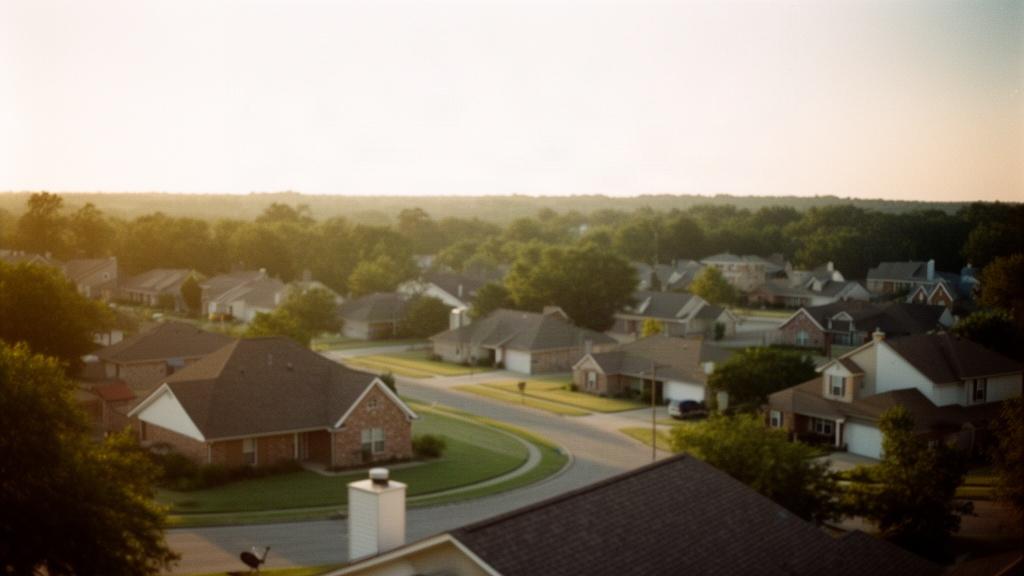
Orangevale sits in a balanced-to-slightly-competitive position in September 2026. Prices have held firm compared to the broader Sacramento region, and well-priced homes in good condition are still drawing multiple offers within the first two weeks of listing. Overpriced listings, however, are sitting longer, which creates real opportunity for buyers who know how to read the data.
Median Prices and Price Per Square Foot
As of September 2026, the median sale price for single-family homes in Orangevale is running in the $560,000 to $610,000 range, depending on lot size, condition, and exact location within the community. Price per square foot is hovering around $310 to $340 for updated homes, with older unrenovated properties coming in closer to $270 to $290 per square foot. These figures reflect the premium that buyers place on Orangevale's larger lots relative to comparable homes inside the Sacramento city limits.
For deeper historical context on how Orangevale values have moved over time, NeighborhoodScout's Orangevale real estate data tracks long-run appreciation rates and compares them to national benchmarks, which can be useful context if you are relocating from another market.
Inventory and Competition Levels
Active listings in Orangevale have increased modestly compared to September 2025, giving buyers more to choose from than they had during the low-inventory stretch of 2023 and early 2024. That said, the supply of move-in-ready homes priced under $575,000 remains tight. Homes in that bracket are still selling close to or above asking price when they are priced correctly from day one.
If you want to understand how quickly homes are moving right now, the days-on-market breakdown for Orangevale goes into granular detail on median days to offer by price tier and property type, which is worth reading before you make any offer or set a list price.
2. Orangevale Neighborhood Breakdown: What Each Area Offers
Orangevale is an unincorporated community of roughly 35,000 residents in the northeastern corner of Sacramento County. It does not have a city government of its own, which affects everything from zoning decisions to road maintenance, and it gives the community a distinctly rural-suburban character that you do not find in neighboring Citrus Heights or Folsom. Understanding the different pockets within Orangevale helps you zero in on the right streets before you start touring homes.
Central Orangevale and the Community Center Corridor
The area around Orangevale Community Center on Filbert Avenue anchors the heart of the community. Homes here tend to be on lots ranging from 6,000 square feet up to a quarter acre, built primarily between the 1960s and 1980s. You will find ranch-style and split-level homes with mature oak trees, detached garages, and in many cases, enough side yard to add an ADU. Prices in this central corridor typically run from the low $500,000s to the mid $580,000s for three-bedroom homes in average to good condition.
The Orangevale Town Center shopping area on Greenback Lane is within easy driving distance, providing grocery stores, restaurants, and services without requiring a trip onto the freeway. This central section of Orangevale also puts you within about a mile of the Rusch Community Park complex, which includes sports fields, a skate park, and a community pool.
North Orangevale Near Beals Point
The northern edge of Orangevale borders Folsom Lake State Recreation Area, and homes in this zone sit on some of the largest parcels in the community. Lots of half an acre to over an acre are common, and many properties include horse facilities, detached workshops, or secondary structures. Prices reflect that land premium: expect to see listings in the $650,000 to $850,000 range for homes with acreage and lake or foothill views.
Beals Point at Folsom Lake is accessible within a few minutes by car or bike from this part of Orangevale, offering swimming, boat launches, and miles of trail access. The Jedediah Smith Memorial Trail connects through this corridor as well, linking riders and runners toward the American River Parkway system to the west.
East Orangevale Toward Hazel Avenue
The eastern side of Orangevale runs up toward Hazel Avenue, which is one of the main north-south arterials connecting the community to Highway 50 to the south and Auburn-Folsom Road to the north. Homes in this section are a mix of 1970s tract housing and some infill construction from the 2000s. Lot sizes tend to be slightly smaller than the central or northern areas, typically 5,500 to 8,000 square feet, and prices generally run from the mid $480,000s to the low $560,000s.
The Hazel Avenue corridor also gives residents quick access to the Sunrise MarketPlace in Rancho Cordova and the Folsom Premium Outlets, both reachable in under 15 minutes without freeway driving. This eastern section tends to appeal to buyers who want proximity to retail and services without paying the premium of a Folsom address.
South Orangevale Bordering Fair Oaks
The southern portion of Orangevale transitions gradually into Fair Oaks, and the housing stock in this zone reflects that blend. You will find streets lined with larger ranch homes on half-acre lots, some with creek or greenbelt backing, built mostly in the 1960s through 1980s. Prices here range from the mid $520,000s to the low $700,000s depending on lot size and renovation level.
The American River Parkway trail system is within close reach from this southern section, with access points near the Sunrise Avenue bridge and through Fair Oaks. For buyers interested in proximity to the Parkway, the dedicated guide on Orangevale neighborhoods closest to the American River Parkway trail maps out which streets put you within the shortest distance of trailhead access.
3. Housing Stock: What Kinds of Homes Are Available
Orangevale's housing inventory is dominated by single-family detached homes, and that is unlikely to change given the community's zoning and the absence of a city council that would push for higher-density development. Condos and townhomes exist but represent a small fraction of total sales. If you are looking for a detached home with a real yard, Orangevale offers more square footage and land per dollar than most of the incorporated suburbs immediately to the west.
Single-Family Homes on Larger Lots
The backbone of the Orangevale market is the 1,400 to 2,200 square foot ranch or split-level home on a lot of 7,500 square feet to a quarter acre, built between 1960 and 1985. These homes frequently have original kitchens and bathrooms that buyers are updating, which means there is a genuine spread between move-in-ready and fixer pricing. A fully renovated version of the same floor plan can command $80,000 to $120,000 more than the unrenovated version on the same street.
Many of these properties also have detached garages, RV parking, and mature landscaping that would cost significantly more to replicate in a newer subdivision. The Sacramento Appraisal Blog has covered the nuances of Orangevale home valuation in detail, and their posts on condition adjustments are worth reading if you are trying to understand how appraisers think about renovation value in this specific market.
Newer Subdivisions and Infill Development
Orangevale does have pockets of newer construction, primarily infill homes built on previously subdivided lots between 2000 and 2015. These tend to be two-story homes with open floor plans, attached two-car garages, and smaller yards relative to the older stock. They typically price from the low $580,000s to the mid $650,000s and appeal to buyers who want a more modern layout without the maintenance concerns of a 1960s home.
True new construction is rare within Orangevale proper at this point, since most of the developable parcels have already been built out. Buyers seeking brand-new homes generally need to look toward Folsom, El Dorado Hills, or Rancho Cordova, all of which have active master-planned communities but come with different price points and lot configurations.
4. Commute Times and Practical Location Details
Location practicality is one of the most common questions from buyers relocating to the Sacramento region, and Orangevale's position in the northeast corner of Sacramento County gives it a specific commute profile that differs from what you find in Elk Grove, Roseville, or West Sacramento.
Getting to Sacramento and Folsom
From central Orangevale, the drive to downtown Sacramento via Highway 50 runs approximately 25 to 35 minutes in normal morning traffic, and closer to 45 minutes during peak congestion. The drive to Folsom's employment centers along East Bidwell Street or Iron Point Road runs 15 to 20 minutes in most conditions. Rancho Cordova's Sunrise Tech Center is about 15 minutes south via Hazel Avenue.
The Hazel Avenue light rail station in Rancho Cordova is the closest Sacramento Regional Transit stop, located roughly 10 to 12 minutes by car from most Orangevale addresses. From there, light rail provides a car-free connection into downtown Sacramento and the UC Davis Medical Center area, though the total transit trip takes considerably longer than driving.
Highway Access and Daily Logistics
Orangevale does not sit directly on a freeway, which contributes to its quieter character but also means every commute begins with surface streets. Greenback Lane, Auburn-Folsom Road, and Hazel Avenue are the primary arterials. Greenback Lane connects west toward Citrus Heights and east toward the Folsom boundary. Auburn-Folsom Road runs diagonally from the northeast corner of the community down toward Fair Oaks.
For buyers who need Highway 50 access regularly, homes in south or east Orangevale shave a few minutes off the surface street portion of the commute. For buyers prioritizing Auburn-Folsom Road access toward Granite Bay or Lincoln, the north and central sections of Orangevale work better. This is worth mapping out before you narrow your search to specific streets.
5. Timing: When to Buy or Sell in Orangevale
Timing in real estate is never a simple formula, but Orangevale does follow seasonal patterns that are worth understanding before you list or make an offer. The broader Sacramento region's trends apply here, with some local nuances.
Seasonal Patterns in the Local Market
Spring, specifically March through May, is historically the most active period for Orangevale home sales. Inventory peaks, buyer activity is highest, and the competition for well-priced homes is most intense. Summer sees continued activity but with a slight cooling as families focus on school transitions and vacations. Fall, meaning September through November, brings a second wave of motivated buyers who missed the spring market and sellers who need to move before year-end.
Right now in September 2026, the market is in that fall transition window. Buyer competition is present but not at peak-spring intensity, which means negotiating room is slightly better than it was in April or May. Sellers who price accurately are still closing in two to three weeks; sellers who overprice are experiencing price reductions after 30 or more days.
What Sellers Should Know Right Now
Sellers in Orangevale this September are working with a narrower margin for pricing error than they had in 2021 or 2022. Buyers are more informed, and they are comparing your home against every active and recently sold listing in the area. Homes that come out priced at or slightly below the comparable sales range are generating the most activity and the cleanest offers. Homes that start high and reduce tend to sell for less than they would have if priced correctly on day one.
Preparation also matters more now. Buyers are doing thorough inspections and are less willing to waive contingencies than they were during the frenzy years. Sellers who address deferred maintenance before listing, stage the home well, and invest in professional photography are consistently outselling neighbors who do not. The full breakdown of current fall market conditions for sellers is covered in the companion article on selling your home in Orangevale in fall 2026, which goes into specific prep steps and pricing strategy.
What Buyers Should Know Right Now
Buyers entering the Orangevale market in September 2026 have more options than they did a year ago, and they are facing slightly less competition than the spring peak. That does not mean the market is slow. It means that prepared buyers with pre-approval letters and clear criteria are in a solid position to move quickly when the right home appears.
Interest rates remain a key variable. Even a quarter-point change in your mortgage rate affects your monthly payment meaningfully at Orangevale price points. Buyers who are rate-sensitive should talk to a lender before setting a budget ceiling, and should understand how to use rate buydowns and seller concessions as negotiating tools in this market. The Orangevale buyer's guide walks through the full purchase process for this specific market, including what to expect at each stage from search to close.
FAQ
What is the median home price in Orangevale, CA right now?
As of September 2026, the median sale price for single-family homes in Orangevale is running between $560,000 and $610,000, depending on lot size, location within the community, and the condition and renovation level of the home. Price per square foot for updated homes is approximately $310 to $340. Unrenovated homes of similar size and age are trading closer to $270 to $290 per square foot. These figures can shift month to month, so asking a local agent for the most current comparable sales before making any pricing decision is the most reliable approach.
Is Orangevale, CA a good place to buy real estate compared to nearby cities?
Orangevale offers a distinct combination of larger lot sizes, mature tree cover, and an unincorporated character that differs from incorporated neighbors like Citrus Heights, Folsom, and Rancho Cordova. Prices per square foot in Orangevale are generally lower than in Folsom and El Dorado Hills, and lot sizes tend to be larger than what you find in Citrus Heights at a similar price point. Whether that trade-off works for a specific buyer depends on commute needs, school research, and lifestyle preferences, all of which are personal decisions. Reviewing school information directly through the Sacramento City Unified and San Juan Unified district websites, and checking Sacramento County's public data sources for other community details, will give you the most accurate picture for your own priorities.
How long does it take to sell a home in Orangevale in the current market?
In September 2026, well-priced and well-prepared homes in Orangevale are typically going under contract within 10 to 21 days of listing. Homes that are overpriced relative to comparable sales are taking 35 to 60 days or longer, often with one or more price reductions before finding a buyer. The gap between correctly priced and overpriced homes is wider right now than it was during the peak seller's market of 2021 and 2022, which makes accurate pricing from day one more important than ever. Working with an agent who has current, specific data on Orangevale sales rather than regional averages is the most effective way to set a price that generates activity quickly.