
← Back to Blog
Market Trends
Orangevale, CA Real Estate Market Guide: Prices, Neighborhoods and Timing for Buyers and Sellers
By Jessica Riley Bambach, Realtor
Better Homes & Gardens Reliance Partners · DRE# 02111061
September 25, 2026 · 12 min read
This Orangevale, CA real estate market guide covers everything buyers, sellers, and relocating households need to know right now: current prices, how the different pockets of this community differ from one another, and how to think about timing your move in September 2026. Whether you are purchasing your first home along the American River corridor or preparing to list a property on a quiet cul-de-sac off Hazel Avenue, the details in this guide will help you make a more confident decision.
1. What Orangevale Looks Like as a Housing Market Right Now
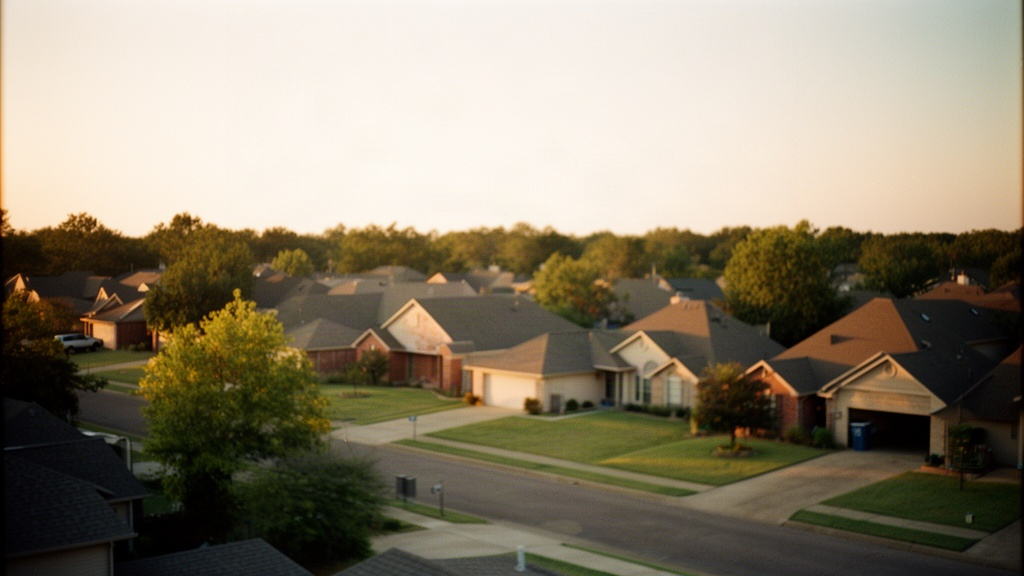
Orangevale is a mid-sized Sacramento County community of roughly 36,000 residents sitting east of Citrus Heights and north of Folsom Lake's western edge. It is an unincorporated area, which means no city hall and no city taxes, but it also means buyers get more house per dollar compared to incorporated neighbors like Folsom or Roseville. That structural price advantage has made Orangevale a consistent draw for households looking for space without the premium of a master-planned city.
Where Prices Stand in September 2026
The median home price in Orangevale sits at approximately $575,000 to $610,000 in September 2026, depending on the data source and the specific week of measurement. Single-family detached homes on lots of a quarter acre or more tend to anchor the upper portion of that range, while smaller-lot homes built in the 1970s and 1980s closer to Greenback Lane often trade closer to the $500,000 to $540,000 range. Townhomes and attached units, which represent a smaller share of Orangevale's stock, typically come in below $450,000.
For context on where Orangevale fits within the Sacramento metro, NAR's metropolitan median price data shows the Sacramento-Roseville-Arden Arcade metro consistently tracking above the national median. Orangevale generally prices below Folsom and El Dorado Hills while sitting above Sacramento proper, making it a middle-market option within an otherwise expensive region.
How Orangevale Compares to the Broader Sacramento Region
Days on market in Orangevale have been running between 18 and 28 days for well-priced homes through most of 2026, with overpriced listings sitting considerably longer. That pace is faster than the Sacramento metro average, which has been closer to 35 days. Sellers who price accurately and prepare their homes well are still seeing multiple offers, though the frenzy of 2021 and 2022 has not returned. Buyers have more time to think and more room to negotiate than they did three or four years ago.
You can track Orangevale's price trends over time through Redfin's Orangevale housing market page, which is updated regularly with median sale price, sale-to-list ratio, and inventory counts. Cross-referencing that data with what is actively listed right now gives you the clearest picture of where the market sits.
2. Understanding Orangevale's Distinct Neighborhoods and Housing Stock
Orangevale does not have a uniform look. The community developed in waves from the 1950s through the early 2000s, and those different eras produced genuinely different housing types, lot configurations, and price points. Understanding which pocket you are shopping in, or selling from, matters more here than in a newer master-planned community where every street looks the same.
The Older Ranch and Ranch-Style Core
The central and western portions of Orangevale, roughly between Greenback Lane to the south and Madison Avenue to the north, contain the community's oldest housing stock. Most homes here were built between 1955 and 1985. You will find single-story ranch-style homes on lots ranging from 6,000 square feet to a quarter acre, often with mature trees, detached garages, and original kitchens that buyers frequently update after purchase. Square footage tends to run from about 1,100 to 1,800 square feet. These homes are often the entry point into Orangevale ownership, and they attract buyers who want to put their own stamp on a property.
Prices in this older core generally range from $480,000 to $560,000 in September 2026, with fully renovated examples pushing toward $600,000. Buyers who purchase here and invest in a kitchen and bath renovation typically see strong appreciation relative to their cost basis, because the lot sizes and tree coverage are features that newer construction cannot replicate.
Newer Subdivisions and Larger Lots
The eastern and northeastern sections of Orangevale, particularly around Hazel Avenue and the streets that branch off it toward the Orangevale Community Park area, contain homes built between the mid-1980s and early 2000s. These properties tend to be larger, with square footage often running from 1,800 to 2,800 square feet, and lot sizes that frequently exceed a third of an acre. Two-story floor plans are common here, as are three-car garages, formal dining rooms, and larger backyard setups.
This segment of the market typically prices from $600,000 to $750,000, with premium lots or extensively updated interiors reaching higher. If you are buying in this part of Orangevale, the process and what to budget for closing costs differs meaningfully from the entry-level tier. For a detailed breakdown of what to expect at the closing table, see the property tax rates and calculation guide published here, which covers how Proposition 13 base-year values work and what new buyers should budget annually.
Parcels Near the American River Parkway
The southern edge of Orangevale borders the American River Parkway, one of the longest urban parkways in the United States at roughly 23 miles. Homes within walking distance of the Parkway's Orangevale access points, including the Harrington Access Area and the trails near Illinois Avenue, carry a noticeable premium. Properties here often sit on larger parcels with more privacy, and they appeal to buyers who prioritize outdoor access. Prices in this corridor can run $50,000 to $100,000 above comparable homes further from the river.
The trade-off is that some of these parcels have longer driveways, septic systems rather than sewer connections, and well water rather than municipal water, all of which affect both the purchase price and the ongoing cost of ownership. Buyers considering this area should budget for a thorough inspection that includes well flow testing and septic evaluation.
3. What Drives Prices in Orangevale and How to Read the Signals
Price per square foot in Orangevale tells only part of the story. The factors below have an outsized effect on where a specific property lands within the market's range, and understanding them helps both buyers evaluate offers and sellers set a list price that attracts real competition rather than sitting on the market.
Lot Size and Zoning
Sacramento County's zoning for much of Orangevale allows for agricultural residential uses on larger parcels, which means some properties can legally accommodate horses, chickens, or accessory dwelling units. A half-acre parcel with RD-5 zoning that permits an ADU will command meaningfully more than a similarly sized home on a standard residential lot, because the buyer is purchasing both a home and an income or flexibility option. Buyers should pull the county parcel data and confirm zoning before assuming what a lot can or cannot accommodate.
Condition and Renovation History
In Orangevale's older housing stock, the gap between a move-in-ready home and a deferred-maintenance home can be $80,000 to $120,000 in list price, but the actual cost to bring the deferred-maintenance home to the same standard is often $40,000 to $60,000. That spread creates opportunity for buyers who are willing to manage a renovation, and it creates risk for buyers who do not accurately estimate what the work will cost. Getting a contractor estimate before waiving inspection contingencies is a step that experienced buyers in this market rarely skip.
For sellers, the calculus runs the other direction. Strategic pre-listing updates, particularly new interior paint, refinished hardwood floors, and updated kitchen hardware, consistently produce a higher sale price than the cost of the work. The full seller strategy guide on this site walks through which updates produce the strongest return in this specific market.
Proximity to Parks, Trails, and Commercial Corridors
Orangevale Community Park, a 100-plus-acre park on Hazel Avenue, anchors the community's recreational identity. Homes within a half-mile of the park tend to sell faster than the Orangevale average, and the park's amenities, including baseball diamonds, a skate park, a large pond, and picnic areas, are a frequent reason buyers choose this area over Citrus Heights or Fair Oaks. The Orangevale Town Center along Greenback Lane provides the community's main commercial hub, and proximity to that corridor affects both convenience and noise levels depending on which side of a street a home sits on.
4. Timing Your Purchase or Sale in Orangevale
Timing matters in any real estate market, but it matters differently depending on whether you are buying or selling. Orangevale follows a recognizable seasonal pattern, though local conditions, interest rates, and inventory levels can compress or extend each phase. Understanding the rhythm of this specific market helps you avoid the most common timing mistakes.
The Fall 2026 Window for Buyers
September and October are historically among the more favorable months for buyers in Orangevale. Spring listings that did not sell have often been reduced or relisted, sellers who need to move before the end of the year are more motivated, and buyer competition has eased from its spring peak. Right now in September 2026, active inventory in Orangevale is running slightly above where it was in September 2025, which gives buyers modestly more selection and slightly more negotiating room than they had a year ago.
The practical implication: buyers who have been waiting on the sidelines through the summer should act with intention this fall rather than deferring to winter. December and January typically see the thinnest inventory in Orangevale, which means less selection even if there is less competition. The fall window, roughly September through mid-November, tends to offer the best balance of available homes and negotiating leverage.
When Sellers See the Strongest Demand
For sellers, the March through June window consistently produces the highest buyer traffic and the most competitive offer situations in Orangevale. Homes listed in late February or early March, when buyers are actively searching but spring inventory has not yet flooded the market, tend to sell the fastest and closest to or above list price. That pattern held through 2025 and into 2026, with spring listings in Orangevale averaging a sale-to-list ratio above 100 percent for well-prepared homes.
Sellers who are planning a spring 2027 listing should begin preparation now. Pre-listing repairs, decluttering, and any cosmetic updates take longer than most homeowners expect. Starting the process in the fall gives you time to complete the work thoughtfully rather than rushing in February. The guide on selling a home in the San Juan Unified area covers the preparation timeline in detail, including which repairs appraisers flag most often in this market.
How Inventory Levels Shift Through the Year
Orangevale typically sees its lowest inventory in December and January, its sharpest inventory increase in March and April, and a secondary inventory spike in August as summer sellers try to close before school resumes. That August spike often softens prices slightly, because supply increases faster than demand in that window. Buyers who can close in August or September sometimes find homes that were listed at peak spring prices and have since been reduced, representing genuine value compared to what the same home would have fetched in April.
Interest rate changes can compress or override these seasonal patterns. A meaningful rate drop in any month tends to pull buyers off the sidelines regardless of season, which is why tracking rate movements alongside inventory is more useful than relying on seasonal patterns alone. Jessica Riley Bambach monitors both in real time and can give you a current read on where the market sits the week you are ready to move.
5. Practical Steps for Buyers and Sellers Using This Market Guide
Knowing the market is useful; knowing what to do with that information is what moves you from research to results. The steps below are specific to Orangevale's current conditions in September 2026 and are not generic advice that applies to every market.
Steps for Buyers Entering the Orangevale Market
Get pre-approved, not just pre-qualified, before you tour homes. Orangevale sellers, even in a slightly softer market, expect to see a full underwriter pre-approval letter with offers. A pre-qualification letter from an online lender is not the same thing and will put you at a disadvantage against buyers who have done the full process.
Identify which of the three housing tiers, the older ranch core, the newer subdivision segment, or the river-adjacent parcels, fits your budget and priorities before you start touring. Buyers who tour across all three simultaneously often lose time and clarity. Pick a tier, understand its trade-offs, and then evaluate homes within it. If you are considering the competitive offer process, the guide on buying in competitive situations in Orangevale walks through offer strategy, escalation clauses, and contingency decisions specific to this market.
Budget for the full cost of ownership, not just the mortgage. Sacramento County's base property tax rate is 1 percent of the assessed value, plus local assessments and bonds that typically bring the effective rate to between 1.1 and 1.25 percent in Orangevale. On a $600,000 purchase, that translates to roughly $6,600 to $7,500 per year in property taxes alone.
Steps for Sellers Preparing to List
Price your home based on closed sales from the past 60 to 90 days, not active listings. Active listings represent what sellers hope to get; closed sales represent what buyers actually paid. In September 2026, the gap between optimistic list prices and actual closed prices in Orangevale is wider than it was in 2022 and 2023, which means overpricing carries a real cost in days on market and eventual price reductions.
Invest in professional photography and, where the home's layout allows, a 3D walkthrough. The majority of Orangevale buyers begin their search online, and the quality of listing photos determines whether a buyer schedules a showing or scrolls past. Homes with professional photography sell faster and at higher prices than comparable homes with phone photos, a pattern that Jessica Riley Bambach sees consistently in this market.
Consider the new construction activity in Orangevale as context for your pricing. When builders are offering incentives on new homes nearby, resale sellers need to compete on price, condition, or location advantages that new construction cannot offer, like lot size, mature landscaping, or proximity to the river. The overview of new housing developments in Orangevale for 2026 gives you a current picture of what buyers are being offered by builders and how resale homes can differentiate.
FAQ
What is the current median home price in Orangevale, CA?
As of September 2026, the median home price in Orangevale sits in the range of $575,000 to $610,000 for single-family detached homes, depending on the data source and the specific week measured. Smaller homes in the older ranch-style core of the community often trade closer to $480,000 to $540,000, while larger homes on bigger lots in the eastern subdivisions typically range from $600,000 to $750,000. Homes near the American River Parkway access points can push above that range, particularly on larger parcels with privacy and trail access. Prices have risen modestly compared to September 2025, though the pace of appreciation has slowed from the sharp gains seen in 2021 and 2022.
Is fall 2026 a good time to buy a home in Orangevale?
The fall window, roughly September through mid-November, is historically one of the more balanced periods for buyers in Orangevale. Inventory is slightly higher than it was in September 2025, motivated sellers who need to move before year-end are more open to negotiation, and competition from other buyers has eased from the spring peak. That said, the best time to buy is when your financial situation, life circumstances, and the available inventory align, not solely when the calendar says so. Working with a local agent who tracks Orangevale's active inventory and days-on-market data week by week gives you a more precise read than seasonal generalizations alone.
How do I research schools and other factors when deciding where to live in Orangevale?
School research is a personal process that every buyer should conduct directly rather than relying on third-party rankings. The California Department of Education's School Finder tool and the San Juan Unified School District's own website provide enrollment boundaries, test score data, and program information that you can review and weigh according to your own priorities. For other factors like local services, commute times, and neighborhood characteristics, Sacramento County's parcel viewer and Google Maps street-level views are useful starting points. Jessica Riley Bambach can walk you through the physical features of any Orangevale area, including lot sizes, street character, proximity to parks and transit, and what the surrounding land uses look like, so you can make an informed decision based on what you see firsthand.