
← Back to Blog
Selling
Selling a Home in Orangevale, CA: Pricing, Timeline and What to Expect
By Jessica Riley Bambach, Realtor
Better Homes & Gardens Reliance Partners · DRE# 02111061
September 12, 2026 · 10 min read
Selling a home in Orangevale, CA involves more moving parts than most people expect, from choosing the right list price to navigating inspection negotiations and timing your close. This guide walks through every stage of the process with specific numbers, local context, and practical steps so you know exactly what you are getting into before you put a sign in the yard.
1. What Orangevale Homes Are Selling For Right Now
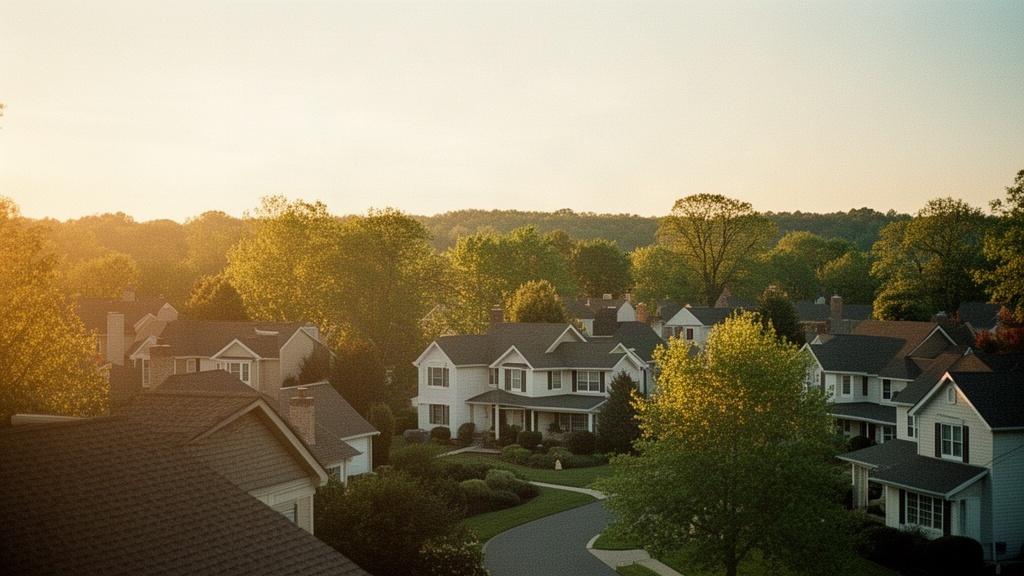
The Orangevale market in September 2026 is producing median sale prices in the $550,000 to $620,000 range for single-family homes, depending on lot size, condition, and location within the community. Homes closer to the American River Parkway corridor and those on larger parcels, which are common in Orangevale given the area's rural residential character, tend to land toward the upper end of that range.
Median Sale Prices in September 2026
Orangevale's housing stock skews toward detached single-family homes built between the 1960s and 1990s, many on quarter-acre to half-acre lots. That lot depth is one of the things that distinguishes Orangevale from denser Sacramento suburbs, and it shows up in price-per-square-foot figures that reward outdoor space. Three-bedroom homes in the 1,400 to 1,800 square foot range are currently trading between roughly $500,000 and $570,000, while four-bedroom homes above 2,000 square feet are pushing $600,000 and higher when updated.
For deeper context on current price movements, the September 2026 home prices breakdown on this site covers month-over-month and year-over-year figures in more detail.
How Orangevale Prices Compare to Nearby Areas
Orangevale sits between Folsom to the east and Citrus Heights to the west, and its pricing generally falls between those two markets. Folsom's newer master-planned neighborhoods often push median prices above $700,000, while Citrus Heights typically comes in below Orangevale. That middle-ground position, combined with larger lot sizes and a more rural feel along roads like Hazel Avenue and Greenback Lane, gives Orangevale its own distinct pricing logic that buyers and sellers both need to understand.
2. How to Price Your Orangevale Home to Sell
Pricing is the single decision that determines how fast your home sells and how much you net. Price too high and you sit on the market while buyers scroll past; price at or just below market value and you create competition that often pushes the final number above asking. In Orangevale specifically, where inventory has been relatively tight through 2026, the right price can attract multiple offers within the first two weeks.
The Comparative Market Analysis
A comparative market analysis, or CMA, is the foundation of any pricing conversation. It pulls recent closed sales of homes similar to yours within roughly a half-mile to one-mile radius, adjusting for differences in square footage, lot size, age, updates, and features like pools or ADUs. In Orangevale, where no two properties are identical, those adjustments matter enormously. A home on a flat, usable half-acre near Orangevale Community Park is not the same as a comparable-square-footage home on a sloped lot further from the parkway trail.
The CMA should look at homes that closed within the past 90 days, with the most weight given to the past 30 to 45 days. Sales from six months ago may not reflect current buyer demand or interest rate conditions, both of which have shifted meaningfully through 2026. Active listings matter too, because they show what your home will be competing against the day it goes live.
Avoiding the Overpricing Trap
Overpricing is the most common and most costly mistake sellers make. A home that sits on the market for 30 or 40 days in Orangevale starts to carry a stigma. Buyers begin to wonder what is wrong with it, even when the answer is simply that it was listed too high. Days on market accumulate fast, and once a listing goes stale, the path back usually runs through a price cut that ends up below where a correct initial price would have landed.
To understand how days on market work in Orangevale right now, the days on market breakdown for Orangevale is worth reading before you set your list price.
When a Price Reduction Becomes Necessary
If your home has been active for two to three weeks with few showings and no offers, the market is sending a clear signal. A price reduction at that point is not a failure; it is a correction that gets you back in front of motivated buyers before more time passes. According to guidance from the National Association of Realtors, navigating a listing price reduction requires transparency with buyers and a clear rationale for the new number, rather than a random cut that looks reactive. In Orangevale's market, reductions of three to five percent tend to re-engage buyer interest without signaling desperation.
3. The Selling Timeline: From Prep to Close
Most Orangevale sellers should plan for a total timeline of 60 to 90 days from the start of preparation to the day escrow closes. That window breaks into three distinct phases, and understanding each one helps you avoid surprises and make better decisions along the way.
Pre-Listing Preparation
Pre-listing prep typically runs two to four weeks, sometimes longer if repairs or updates are needed. This phase covers decluttering, deep cleaning, any cosmetic repairs, professional photography, and completing the required California seller disclosures. California law requires sellers to complete a Transfer Disclosure Statement, a Natural Hazard Disclosure, and several other forms before or at the time of accepting an offer. Getting these done early prevents delays later.
In Orangevale, where many homes have mature landscaping, older roofs, and features like wells, septic systems, or detached workshops, the disclosure process can be more involved than in newer suburban developments. A pre-listing inspection, which typically costs $400 to $600, can surface issues before buyers find them and give you time to address or price for them proactively.
Active Listing Period
Once your home goes live on the MLS, the first seven to ten days are the most important. Buyer interest peaks during that initial window, which is why pricing correctly from day one matters so much. In a balanced to slightly seller-favored market like Orangevale's in September 2026, well-priced homes are receiving offers within the first one to two weeks. Homes that are overpriced or poorly photographed often miss that window entirely.
Open houses along Orangevale's tree-lined streets, particularly on weekends when families are out exploring the area near Orangevale Community Park or the Fair Oaks Boulevard corridor, can generate meaningful foot traffic. Digital marketing through social media, targeted online ads, and email campaigns to active buyer pools supplements the MLS listing and broadens your reach to relocating buyers coming from the Bay Area or out of state.
Under Contract Through Closing
Once you accept an offer, escrow in California typically runs 21 to 30 days for conventional financing, and 30 to 45 days for FHA or VA loans. During this period the buyer completes their inspections, the lender orders an appraisal, and both parties work through any contingency-related negotiations. The escrow company handles the paperwork and fund transfers, with a title company ensuring the property transfers free of liens or title defects.
4. What Sellers Should Expect During the Process
Selling a home in Orangevale, CA involves several stages where the deal can accelerate, stall, or require negotiation. Knowing what is coming makes each one easier to handle without emotion getting in the way.
Showings and Offers in Orangevale
Showings in Orangevale typically happen through a lockbox system with 24-hour advance notice, though some sellers prefer appointment-only access. Making the home as accessible as possible during the first two weeks maximizes the number of buyers who walk through. Every showing you turn away is a potential offer you never receive.
When offers arrive, you will typically have 24 to 72 hours to respond. In a multiple-offer situation, your agent will present all offers side by side so you can compare not just price but also contingencies, down payment size, loan type, and proposed close date. A cash offer at $10,000 below asking with a 15-day close may net more than a financed offer at full asking price with a longer escrow and more contingencies.
Inspections and Repair Negotiations
Buyers in California have the right to conduct a general home inspection, pest inspection, and any specialty inspections they choose within their contingency period. For Orangevale homes, which often include older electrical panels, aging HVAC systems, and mature trees with root systems near foundations or sewer lines, inspection findings are common. The question is not whether something will be found; it is how you and the buyer negotiate the response.
Sellers can respond to inspection requests by making repairs, offering a credit at close, or declining and letting the buyer decide whether to proceed. Credits are often the cleaner path because they keep the deal moving without requiring you to manage contractors during escrow. A $3,000 to $5,000 credit for a roof that needs attention or an HVAC system approaching end of life is a reasonable outcome on a $580,000 transaction.
Appraisals and Buyer Financing
If the buyer is financing the purchase, the lender will order an appraisal to confirm the home's value supports the loan amount. In Orangevale, where some properties include non-standard features like horse property setups, large shops, or detached guest quarters, appraisers sometimes struggle to find clean comparable sales. Working with an agent who knows how to provide the appraiser with relevant comps and supporting data can prevent a low appraisal from derailing the deal.
If the appraisal comes in below the purchase price, you have three options: reduce the price to the appraised value, split the difference with the buyer, or hold firm and let the buyer cover the gap out of pocket. Which path makes sense depends on how much you need the deal and whether comparable sales genuinely support your price.
5. Costs Sellers Pay at Closing in Orangevale
Sellers in Orangevale, CA should plan for closing costs that typically total between eight and ten percent of the sale price, depending on commission structure and what the buyer negotiates. On a $580,000 sale, that is roughly $46,000 to $58,000 coming off the top before your net proceeds are calculated. Understanding each line item helps you project your actual take-home number accurately.
Agent Commission and Transfer Taxes
Agent commission is typically the largest seller cost and is negotiated at the time of listing. California also charges a documentary transfer tax at the county level, which in Sacramento County runs $1.10 per $1,000 of sale price. On a $580,000 sale that comes to $638. Some cities add a city-level transfer tax on top, but Orangevale is an unincorporated community in Sacramento County, so no additional city transfer tax applies.
Other Common Seller Costs
Beyond commission and transfer taxes, sellers in Orangevale commonly pay for title insurance on the owner's policy, escrow fees split with the buyer, any outstanding property tax prorations through the close date, and natural hazard disclosure report fees typically running $100 to $150. If you agreed to pay any of the buyer's closing costs as part of the negotiation, those concessions come out of your proceeds at close as well. Sellers with an existing mortgage will also see their loan payoff deducted from proceeds before they receive their net check.
Sellers who want a full picture of what buyers are bringing to the table, including what costs they are covering themselves, can read through the buyer closing costs guide for Orangevale for context on how the two sides of a transaction compare.
6. Timing Your Sale for the Best Outcome
Timing matters in any market, and Orangevale is no exception. Historically, spring listings in Sacramento County, including Orangevale, generate the most buyer activity, with the peak window running from late February through May. Research from the National Association of Realtors has shown that homes listed during peak spring weeks can sell faster and closer to asking price than those listed in slower months.
That said, fall listings in Orangevale are not without their advantages. September and October bring motivated buyers who did not find what they needed during the spring rush, and inventory often thins out as the year winds down, meaning your home faces less competition. Sellers planning ahead for a spring 2027 listing should start the preparation process now, in September 2026, to allow time for any updates, staging decisions, and contractor work before the market picks up.
Strategic sellers who plan early tend to net more than those who rush to list. According to Inman, sellers who start planning months before their target list date consistently outperform those who list reactively, particularly in markets where condition and presentation drive buyer perception.
FAQ
How long does it take to sell a home in Orangevale, CA?
From the start of pre-listing preparation to the close of escrow, most Orangevale home sales take 60 to 90 days total. The active listing period for a well-priced home is currently running one to three weeks before an accepted offer, followed by a 21 to 45 day escrow depending on the buyer's financing type. Homes that are overpriced can sit for 30 to 60 days before a price reduction resets the clock, which is why initial pricing accuracy is so important. Sellers with repairs to address or disclosures to complete should add two to four weeks of pre-listing time to that estimate.
What is the best time of year to sell a home in Orangevale?
Spring, specifically late February through May, historically produces the highest buyer activity in Orangevale and the broader Sacramento County market. Families looking to move before the school year and buyers trying to lock in purchases before summer rate uncertainty tend to be most active during this window. That said, fall listings in September and October can perform well because inventory typically drops and remaining buyers are motivated. If you are considering a spring 2027 listing, beginning your preparation in fall 2026 gives you enough lead time to make updates, complete disclosures, and choose a list date strategically rather than reactively.
What costs does a seller pay when selling a home in Orangevale, CA?
Sellers in Orangevale should expect total closing costs of roughly eight to ten percent of the sale price, with agent commission making up the largest portion. Sacramento County charges a documentary transfer tax of $1.10 per $1,000 of sale price, and because Orangevale is unincorporated, no additional city transfer tax applies. Other seller costs include the owner's title insurance policy, a share of escrow fees, property tax prorations through the close date, and natural hazard disclosure report fees. Any buyer concessions agreed to during negotiation, such as credits for repairs or closing cost assistance, also reduce the seller's net proceeds at close.