← Back to Blog
Neighborhoods
Living in Sunset Hills, Muscatine Iowa: What to Know
By Jessie Krieger
September 3, 2026 · 9 min read
If you are researching what it is like to live in the Sunset Hills neighborhood in Muscatine, Iowa, you are asking one of the more specific and useful questions you can ask before buying a home in this city. Sunset Hills sits on the west side of Muscatine and offers a distinct mix of lot sizes, home styles, and proximity to everyday conveniences that sets it apart from the riverfront districts and the older central neighborhoods closer to downtown.
1. Where Sunset Hills Sits in Muscatine and What That Means Day to Day
Sunset Hills occupies the western side of Muscatine, roughly between Highway 61 to the north and the rolling terrain that gives the neighborhood its name to the south and west. The City of Muscatine's official Living In Muscatine page outlines the broader city layout, and Sunset Hills slots into the western residential corridor that has grown steadily since the 1960s.
Location and Street Grid
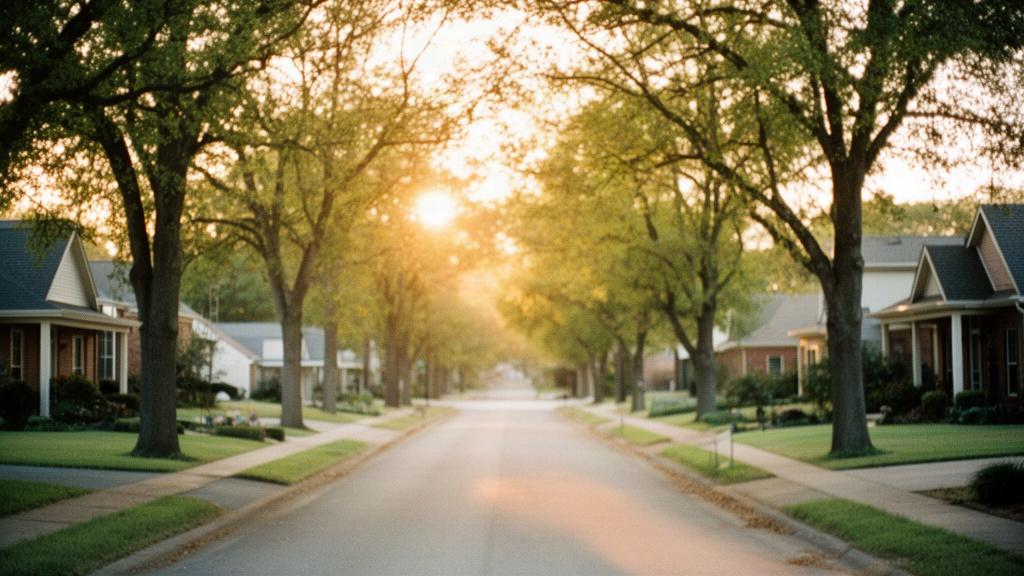
The neighborhood is bounded loosely by Grandview Avenue to the east and extends west toward the edge of the city's developed footprint. Streets curve and follow the natural topography rather than running in a strict grid, which gives the area a quieter, more residential feel than the more tightly packed blocks you find closer to the Mississippi riverfront. Cul-de-sacs are common, and lot lines tend to be generous by Muscatine standards.
Muscatine itself covers about 17 square miles and has a population close to 22,000 people. Sunset Hills is one of several established residential pockets on the west side, alongside areas like Green Acres and the neighborhoods near Weed Park. Understanding where Sunset Hills fits within the broader city helps buyers gauge what trade-offs they are making on commute time versus lot size versus price.
Getting Around from Sunset Hills
Commute times from Sunset Hills to major employers are manageable given Muscatine's compact size. The drive from Sunset Hills to the Muscatine industrial corridor along the river, where employers like HNI Corporation and Grain Processing Corporation operate, runs roughly 10 to 15 minutes depending on the specific destination and time of day. The connection to Highway 61 is straightforward, which matters for residents who commute north toward Davenport or south toward Burlington.
Davenport, the largest city in the Quad Cities metro, sits approximately 30 miles northeast of Muscatine via Highway 61 and Interstate 74. That translates to a commute of roughly 35 to 45 minutes under normal conditions. For buyers who work in the Quad Cities but want a smaller city's housing prices, Sunset Hills offers a reasonable position on that corridor.
2. Housing Stock, Architecture, and Price Ranges in Sunset Hills
The housing in Sunset Hills is predominantly single-family, owner-occupied, and built between the late 1950s and the early 1990s. That construction window means buyers encounter a specific set of architectural styles and a fairly predictable range of maintenance considerations.
What the Homes Look Like
Ranch-style homes are the most common footprint in Sunset Hills. You will find brick-faced ranches, wood-sided ranches with attached two-car garages, and split-level homes that take advantage of the sloped terrain. Square footage typically runs from around 1,200 square feet on the smaller end to just over 2,400 square feet for the larger two-story and split-level properties. Basements are nearly universal, and many have been finished into additional living space over the decades.
Lot sizes in Sunset Hills tend to run larger than what you find in Muscatine's older central neighborhoods. A typical lot is between 8,000 and 12,000 square feet, with some corner and cul-de-sac lots pushing past 15,000 square feet. Mature trees are a defining visual feature; many lots have oak and maple canopy that has been growing for 40 to 60 years.
What Buyers Are Paying Right Now
As of September 2026, homes in the Sunset Hills area of Muscatine are generally priced between $175,000 and $310,000, with the median for a move-in-ready three-bedroom ranch landing around $220,000 to $240,000. Larger updated properties with finished basements, newer roofs, and updated kitchens can reach $280,000 to $310,000. That pricing sits above the Muscatine citywide median for older central-city stock but remains well below comparable suburban neighborhoods in the Quad Cities metro, which gives Sunset Hills a distinct value position for buyers relocating from larger markets.
Muscatine's overall housing market has seen steady appreciation over the past two years, and Sunset Hills has tracked with that trend. Homes priced correctly and in good condition have been moving in 30 to 60 days in this part of the city during 2026. If you are a seller in this neighborhood, accurate pricing matters because buyers in this range are comparing carefully. For more on how pricing and timing work across Muscatine, the homes for sale in Muscatine guide covers the broader market context.
3. Everyday Life in the Sunset Hills Area
Understanding what it is like to live in the Sunset Hills neighborhood in Muscatine, Iowa means looking at what residents actually do on a Tuesday afternoon, not just what the neighborhood looks like from the street. The practical details of grocery runs, weekend activities, and access to green space matter as much as the housing itself.
Grocery, Retail, and Dining Within Reach
Hy-Vee on Grandview Avenue is the primary grocery anchor for Sunset Hills residents, sitting less than two miles from most addresses in the neighborhood. The store carries a full-service pharmacy, a fuel station, and an expanded deli section. Walmart Supercenter on Highway 61 is also within a five-minute drive and handles the bulk of big-box retail needs for the area.
For dining, Muscatine's restaurant scene is concentrated along Grandview Avenue and in the downtown riverfront district, both of which are accessible from Sunset Hills in under 15 minutes. Local spots like Bier Stube on Cedar Street and the restaurants along the redeveloped riverfront have given residents more options than they had a decade ago. The drive to downtown Muscatine from Sunset Hills is roughly 10 minutes, which keeps the historic district and the Mississippi riverfront within easy reach for weekend evenings.
Parks, Green Space, and Outdoor Access
Weed Park is the most significant green space near Sunset Hills and sits roughly one mile to the east. The park covers over 100 acres and includes a public pool, tennis courts, a disc golf course, picnic shelters, and a small lake. It is one of the most actively used parks in the city and draws residents from across Muscatine throughout the spring and summer months.
The Muscatine riverfront trail system extends along the Mississippi and connects to Riverside Park, which features boat ramps, a bandshell, and open lawn areas. Getting from Sunset Hills to the riverfront trail takes about 12 to 15 minutes by car. For residents who want a longer drive, the Nahant Marsh, a 310-acre urban wetland preserve on the north end of Muscatine, offers boardwalk trails and wildlife observation that feel genuinely removed from the city's built environment.
4. Schools and Education Resources Near Sunset Hills
Homes in the Sunset Hills area fall within the Muscatine Community School District, which serves the city and surrounding areas. School assignments for specific addresses in Sunset Hills are determined by the district's attendance boundaries, which can shift periodically.
How to Research Schools on Your Own
School programs and fit are personal decisions that every buyer should research directly. The Iowa Department of Education publishes school-level performance data, enrollment figures, and program offerings at educate.iowa.gov. The Muscatine Community School District's own website lists current attendance boundaries, magnet and specialty programs, and enrollment procedures. These are the most accurate and up-to-date sources for any specific address in Sunset Hills.
For buyers relocating from outside Iowa, it is worth noting that the district serves roughly 5,700 students across its elementary, middle, and high school campuses. Muscatine High School is the single comprehensive high school for the district and sits on the east side of the city. The commute from Sunset Hills to the high school campus is approximately 10 minutes. Buyers who want to understand the full picture of education options in Muscatine should schedule time with the district's enrollment office before making a final decision.
5. How Sunset Hills Compares to Other Muscatine Neighborhoods for Buyers and Sellers
Muscatine has several distinct residential pockets, and understanding how Sunset Hills fits into that landscape helps buyers make a more confident decision. Each area of the city has its own housing vintage, lot character, and price range.
What Makes Sunset Hills Distinct
The riverfront neighborhoods closer to downtown Muscatine offer older Victorian and Craftsman-era homes, often on smaller lots with more street-facing character, and prices that range widely based on renovation status. The central city areas near Mulberry Avenue and Iowa Avenue have bungalows and two-stories from the 1910s through the 1940s, with more variation in condition and a lower price floor.
Sunset Hills, by contrast, offers post-war and mid-century construction that tends to be structurally sound with fewer of the deferred-maintenance surprises that older homes can carry. The trade-off is that the architecture is less distinctive than what you find in the historic districts. Buyers who prioritize larger lots, attached garages, and homes with updated mechanicals tend to gravitate toward Sunset Hills and the surrounding west-side neighborhoods. Buyers drawn to architectural character and walkability to downtown often look at the riverfront corridor instead.
For a broader look at what is available across the city right now, the Muscatine community guide at Ruhl and Ruhl gives a useful overview of active listings across different parts of the market.
Thinking About Resale
Resale demand in Sunset Hills has been consistent because the neighborhood appeals to a broad range of buyers. The combination of lot size, garage space, and mid-century construction that has been updated over time creates a product that is not oversupplied in Muscatine. When a well-maintained home comes to market in this area, it typically draws multiple showings within the first two weeks.
Sellers in Sunset Hills who are thinking about timing should note that September and October in Muscatine still see active buyer traffic before the winter slowdown. Listing in early fall with accurate pricing and good presentation has historically produced competitive results in this part of the city. If you are weighing when and how to list, the article on which real estate agent to hire to sell your house in Muscatine walks through how to evaluate your options.
For buyers relocating to Muscatine from outside the area, Sunset Hills is often one of the first neighborhoods worth touring in person because the homes photograph well but show even better when you can walk the lot and feel the scale of the neighborhood. If you are moving to Muscatine for work and trying to narrow down where to focus your search, the guide on relocating to Muscatine and choosing the right agent covers how to approach that process efficiently.
FAQ
What are typical home prices in the Sunset Hills neighborhood in Muscatine, Iowa?
As of September 2026, homes in the Sunset Hills area of Muscatine are generally priced between $175,000 and $310,000. A move-in-ready three-bedroom ranch typically falls in the $220,000 to $240,000 range, while larger updated properties with finished basements and newer mechanicals can reach $280,000 to $310,000. These prices reflect the neighborhood's mid-century housing stock, larger lot sizes, and west-side location relative to downtown Muscatine. Prices have appreciated steadily through 2026 in line with the broader Muscatine market.
How far is Sunset Hills from downtown Muscatine and major employers?
Sunset Hills sits on the west side of Muscatine, roughly 10 to 15 minutes by car from the industrial corridor along the Mississippi River where major employers like HNI Corporation and Grain Processing Corporation are located. The drive to downtown Muscatine and the riverfront district takes about 10 to 12 minutes under normal conditions. For residents who commute to the Quad Cities, Davenport is approximately 30 miles northeast via Highway 61 and Interstate 74, which translates to a 35 to 45-minute drive. The neighborhood's access to Highway 61 makes it a practical base for commuters heading in multiple directions.
What kinds of homes are most common in Sunset Hills, Muscatine?
The most common housing type in Sunset Hills is the single-family ranch, built primarily between the late 1950s and the early 1990s. You will find brick-faced ranches, wood-sided ranches with attached two-car garages, and split-level homes that follow the neighborhood's natural terrain. Square footage typically ranges from about 1,200 to 2,400 square feet, and basements are nearly universal, with many finished into additional living areas over the years. Lots tend to be generous, often between 8,000 and 12,000 square feet, with mature tree canopy that has been established for several decades.