← Back to Blog
Market Trends
Muscatine, Iowa Real Estate Market Guide: Prices, Neighborhoods and Timing You Can Trust
By Jessie Krieger
September 17, 2026 · 10 min read
If you are trying to make sense of the Muscatine, Iowa real estate market, you are not alone. Prices have shifted, inventory has tightened, and knowing when to act matters more than ever in 2026. This guide covers what homes cost right now, what the city's distinct neighborhoods look like on the ground, and how to read the market timing signals that actually affect your outcome as a buyer or seller.
1. What the Muscatine, Iowa Real Estate Market Looks Like Right Now
The Muscatine, Iowa real estate market in September 2026 is active but measured. Inventory remains relatively lean compared to pre-2022 levels, and homes that are priced correctly are still moving within a few weeks of listing. Buyers who waited out 2024 and 2025 hoping for a sharp price correction are finding that Muscatine's market has held its footing better than many predicted.
Current Median Prices and Inventory
As of September 2026, the median home price in Muscatine sits in the range of $175,000 to $210,000, depending on the neighborhood and property type. That range reflects a modest increase from the $160,000 to $190,000 range seen in late 2024, driven largely by continued demand from buyers relocating from the Quad Cities metro area and from within Iowa itself. Entry-level homes, typically two and three-bedroom single-family houses, are the most competitive segment right now. Larger four-bedroom homes above $250,000 are sitting on the market slightly longer, often 30 to 50 days, which gives buyers in that price range more room to negotiate.
Active listings in Muscatine County have hovered between 80 and 120 properties through most of 2026. That is a meaningful improvement over the historic lows seen in 2022 and 2023, but it still puts Muscatine in seller-favorable territory overall. The City of Muscatine's 2024 Housing Market Analysis documented the persistent gap between housing supply and demand locally, a gap that has not fully closed heading into fall 2026.
How Muscatine Compares to the Broader Iowa Market
Muscatine's price points remain well below the statewide Iowa median and far below the national median, which has climbed past $400,000 in many tracked datasets for 2026. That affordability gap is one reason the city continues to attract buyers who are priced out of larger metro markets. Davenport and Bettendorf, roughly 30 miles northwest along the Mississippi River corridor, carry median prices 20 to 35 percent higher than Muscatine, making the commute trade-off appealing for buyers who can work remotely or whose employers are located along the Iowa 61 corridor.
2. Muscatine Neighborhoods: What the Housing Stock Actually Looks Like
Muscatine's neighborhoods are physically distinct from one another, and understanding those differences helps buyers know what they are shopping for before they ever schedule a showing. The city sits along the Mississippi River's sweeping bend, and its topography, bluffs rising steeply from the waterfront, shapes both the architecture and the lot sizes in each part of town. If you want more detail on what is currently listed, the Homes for Sale in Muscatine Iowa Guide on this site breaks down active inventory by area.
Downtown and Riverfront Area
The downtown and riverfront corridor is Muscatine's most architecturally varied stretch. You will find late-19th and early-20th century commercial buildings converted into loft-style condominiums, as well as narrow-lot Victorian-era homes on streets like Mulberry and Iowa Avenues. Riverfront Park and the Muscatine Art Center sit within walking distance of much of this housing stock, and the area connects directly to the Mississippi River Trail system. Prices here range broadly: a smaller updated condo may list in the $120,000 to $150,000 range, while a fully restored historic home can push past $300,000.
Buyers drawn to walkability and older architectural character tend to focus their search in this corridor. Maintenance costs on older structures can be higher, so a thorough inspection is especially important here. Deferred upkeep on roofing, electrical systems, and foundations is common in homes that have changed hands multiple times without significant renovation.
West Hill Historic District
West Hill sits on the bluffs above downtown and contains some of Muscatine's most recognizable historic homes. Large Queen Anne, Craftsman, and Colonial Revival homes on generous lots line streets like Cedar and Walnut. Many of these properties were built between 1880 and 1930 and have been maintained or restored over the decades. Lot sizes here often run from a quarter acre to a half acre, which is considerably more land than you find in the flatland subdivisions on the city's west and north edges.
Median prices in West Hill tend to run between $200,000 and $350,000, with fully updated homes at the top of that range moving quickly when they hit the market. The district's proximity to Weed Park, a 100-plus-acre municipal park with a pool, tennis courts, and paved walking paths, adds a concrete amenity that buyers consistently mention. The bluff elevation also means river views from upper floors and porches on many of the properties closest to the ridge.
Outlying Residential Areas and New Construction
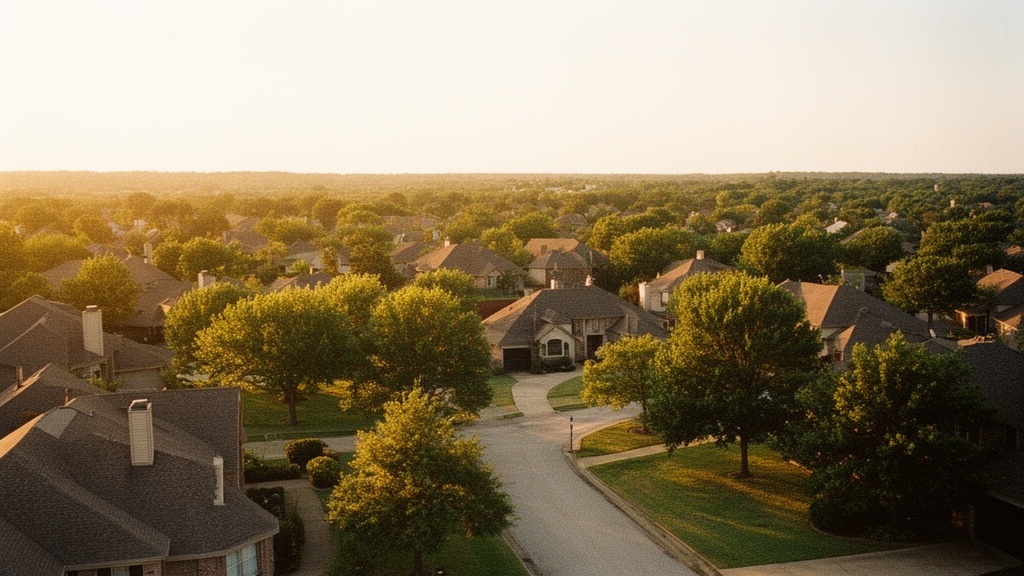
The north and west sides of Muscatine hold the city's newer subdivisions, most of them developed between the 1970s and the present day. Ranch-style homes from the 1970s and 1980s are common in areas like the Park Avenue corridor and neighborhoods near Highway 61. These homes typically sit on lots of 8,000 to 12,000 square feet and offer three to four bedrooms in the 1,100 to 1,800 square foot range. Prices in this segment generally run from $140,000 to $220,000, making it the most active price band in the Muscatine market right now.
New construction in Muscatine is limited but present. A handful of builders have active lots in the city's northwest quadrant, with new builds typically pricing from $260,000 to $320,000 for a 1,500 to 2,000 square foot home. Build times have stabilized compared to the supply-chain-disrupted years of 2021 through 2023, with most projects completing in six to nine months from contract.
3. Market Timing: When to Buy or Sell in Muscatine
Timing is one of the most common questions buyers and sellers bring to any Muscatine, Iowa real estate market conversation, and the honest answer is that timing depends on your specific situation more than on any single market indicator. That said, Muscatine does have seasonal and rate-driven patterns that are worth understanding before you decide when to act.
Seasonal Patterns in Muscatine
Spring, specifically March through June, is consistently Muscatine's busiest listing season. More homes come to market, more buyers are actively searching, and competition for well-priced properties peaks. For sellers, listing in April or May typically means more showings and a shorter time on market. For buyers, the same period means more choices but also more competition, sometimes multiple-offer situations on move-in-ready homes under $200,000.
Fall and winter listings, roughly September through February, tend to attract fewer competing buyers, which can mean more negotiating room. Sellers who list in these months often do so out of necessity, which can create genuine opportunity for buyers who are ready to move. The trade-off is a smaller selection of available homes. Right now, in September 2026, the market is transitioning from its summer pace into that quieter fall window, which is worth factoring into your strategy whether you are buying or selling.
What Mortgage Rates Are Doing to Buyer Demand
Mortgage rates remain the single biggest lever on buyer activity in Muscatine and across Iowa in 2026. Rates that climbed sharply through 2022 and 2023 pulled a significant number of would-be buyers to the sidelines, and many of them are still waiting. Research from the National Association of Realtors has tracked the rate threshold that tends to unlock sidelined demand: according to NAR's analysis of what mortgage rate will get more buyers moving, a meaningful wave of buyers re-enters the market when 30-year fixed rates drop into the mid-to-low 6 percent range. Any movement in that direction will increase competition for Muscatine's already limited inventory.
For buyers currently in the market, locking a rate and moving decisively on a well-priced home is often a better strategy than waiting for rates to fall further. If rates do drop, refinancing is always an option. Waiting, on the other hand, risks entering a more competitive market where prices have also moved up.
Seller Timing Considerations
Sellers in Muscatine who have owned their homes for five or more years are generally sitting on meaningful equity gains compared to their purchase price. The question of when to sell often comes down to where you are going next. If you are moving locally within Muscatine or Muscatine County, you are buying and selling in the same market, so timing matters less. If you are selling to relocate to a lower-cost area or to cash out and rent, the current price environment is still favorable compared to the longer historical baseline. For more on how to approach pricing and listing timelines, the article on selling your home in Muscatine, Iowa covers the specifics of what sellers should prepare for.
4. What Buyers Need to Know Before Making an Offer
Being a prepared buyer in Muscatine's current market means more than having a pre-approval letter in hand. It means understanding the true cost of ownership, knowing how fast the market moves, and having a clear sense of which neighborhoods match your priorities. If you are relocating to Muscatine from another state or city, the guide on relocating to Muscatine, Iowa is a useful companion to this article.
Budgeting Beyond the List Price
Property taxes in Muscatine County run roughly 1.5 to 1.8 percent of assessed value annually, which on a $185,000 home translates to approximately $2,775 to $3,330 per year. Homeowner's insurance in Iowa averages around $1,200 to $1,600 per year for a standard single-family home, though older homes with knob-and-tube wiring or aging roofs can push that figure higher. Buyers should also budget for an inspection, typically $350 to $500 in this market, and for any deferred maintenance items the inspection reveals. On older homes in the West Hill or riverfront areas, that number can be significant.
How Quickly Homes Are Moving
Well-priced homes under $200,000 in Muscatine are moving in 10 to 21 days on average in the current market. Homes in the $200,000 to $250,000 range are taking 20 to 35 days. Above $275,000, average days on market stretch to 45 days or more, with some properties requiring price adjustments before finding a buyer. These numbers mean that buyers in the entry-level segment need to be ready to act within a day or two of a new listing appearing. Having your financing fully pre-approved, not just pre-qualified, is a practical requirement, not a suggestion.
5. What Sellers Need to Know to Price and List Strategically
Sellers who price their Muscatine homes accurately from the first day of listing consistently outperform those who start high and reduce later. Price reductions signal to buyers that something is wrong, even when the only issue is an optimistic starting price. In a market where buyers are watching inventory carefully and tracking how long each property has been listed, a reduction can actually slow your sale rather than accelerate it.
Pricing Accuracy Matters More Than Ever
A comparative market analysis, or CMA, is the tool that tells you what buyers have actually paid for similar homes in your area in the past three to six months. In Muscatine, that means pulling sold data from neighborhoods with similar lot sizes, square footage, and condition. Zillow estimates and online automated valuations are a starting point, but they frequently miss neighborhood-level nuances that a local agent sees in the data every week. For context on how experienced agents approach this, the article on Muscatine realtors with the strongest sales records explains what to look for when evaluating an agent's pricing track record.
Preparing Your Home for the Muscatine Market
Muscatine buyers in 2026 are paying close attention to move-in condition, particularly on homes in the $175,000 to $225,000 range where competition is highest. Fresh paint in neutral tones, clean carpets or refinished hardwood, and updated light fixtures are low-cost improvements that consistently return more than their cost at closing. Kitchens and bathrooms are the rooms buyers remember most. You do not need a full renovation, but outdated hardware, stained grout, and worn countertops can anchor a buyer's perception of the whole home.
Curb appeal matters in Muscatine's older neighborhoods especially, where homes sit close to the street and first impressions form quickly. A clean exterior, trimmed landscaping, and a freshly painted front door are the kinds of details that make buyers slow down on a drive-by rather than keep going. In the West Hill district, where architectural character is part of the appeal, maintaining original exterior details like porch columns, trim work, and historic windows can meaningfully support your asking price.
FAQ
Is the Muscatine, Iowa real estate market a good time to buy in September 2026?
September 2026 sits at the beginning of Muscatine's slower fall season, which historically brings less buyer competition than the spring peak. Inventory remains limited overall, but homes above $250,000 are sitting longer and offering more negotiating room than they did earlier in the year. Mortgage rates are a key variable: if rates move down further, more buyers will re-enter the market and competition will increase. Buyers who are financially ready and have a clear sense of what they want in Muscatine are generally better served by acting now than waiting for a market shift that may bring more competition along with it. Working with a local agent who tracks Muscatine's active listings daily gives you the best chance of moving quickly when the right property appears.
What neighborhoods in Muscatine have the most affordable homes?
The most affordable homes in Muscatine tend to be concentrated in the north and west side subdivisions developed between the 1960s and 1990s, where ranch-style and split-level homes frequently list in the $130,000 to $190,000 range. The downtown and riverfront corridor also has pockets of affordability, particularly in smaller older homes or condominiums that need updating. West Hill carries higher price points because of the larger lot sizes and historic home character. Buyers with a firm budget ceiling should focus their search with a local agent who can filter by price, condition, and proximity to specific amenities like Weed Park, the riverfront trail, or the Highway 61 commute corridor.
How long does it typically take to sell a home in Muscatine, Iowa right now?
In September 2026, well-priced homes in Muscatine's most active price range, roughly $150,000 to $210,000, are going under contract in 10 to 21 days. Homes priced above $250,000 are taking 45 days or more on average, and some require price adjustments before finding a buyer. The single biggest factor in days on market is accurate pricing from the first day of listing: homes that start at the right price almost always sell faster and closer to full asking price than homes that begin too high and reduce later. Condition and presentation are the second biggest factor, with move-in-ready homes consistently outperforming dated or deferred-maintenance properties in the same price range.