← Back to Blog
Market Trends
Muscatine, Iowa Vacant Land Real Estate Market Guide: Prices, Neighborhoods and Timing
By Jessie Krieger
September 29, 2026 · 12 min read
Vacant land in Muscatine, Iowa is a distinct market from the single-family home segment, with its own price drivers, financing rules, and timing considerations. Whether you are looking to build a custom home on a lot near the Mississippi riverfront, purchase agricultural acreage on the city's western edge, or hold raw land as a long-term asset, this guide covers what you need to know right now. From current price ranges by area to the questions lenders will ask before approving a land loan, here is a thorough look at how Muscatine, Iowa handles the vacant land real estate market.
1. What Vacant Land in Muscatine Actually Looks Like
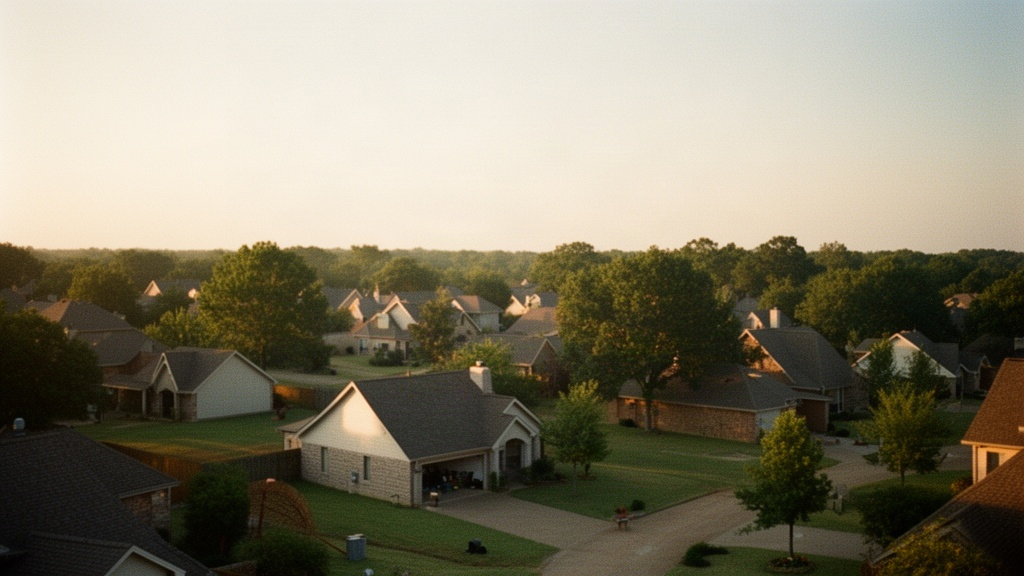
Muscatine's vacant land inventory is more varied than most buyers expect. The city sits along a pronounced bend in the Mississippi River, which means the topography shifts considerably from one part of town to another. Buyers will find everything from flat, utility-ready residential lots in established neighborhoods to rolling agricultural parcels on the county's western and northern edges, to commercial-zoned ground near the Highway 61 and Highway 38 corridors.
Types of Land Available
The broadest categories in the Muscatine area are residential lots, agricultural acreage, and commercial or light-industrial ground. Residential lots range from infill parcels inside city limits, sometimes as small as 6,000 to 8,000 square feet, up to two-acre or larger lots on the city's periphery where zoning allows more generous setbacks. Agricultural ground is typically sold in tracts of 10 acres and up, with some smaller hobby-farm parcels in the 3 to 10 acre range appearing occasionally in the rural Muscatine County market.
How Land Differs From a Home Purchase
Buying vacant land is a fundamentally different transaction from buying a house. There is no home inspection in the traditional sense, but there are soil tests, perc tests for septic feasibility, title searches for easements and encroachments, and zoning verifications that carry just as much weight. Financing is also handled differently: most conventional mortgage products do not apply to raw land, and buyers need to approach lenders with a specific land loan or construction loan strategy in mind before making an offer.
The due diligence period on a land purchase in Iowa can also be longer than on a residential sale. Buyers routinely need 30 to 60 days to complete environmental reviews, confirm utility access, and verify that the intended use aligns with the municipality's current zoning and future land use map. Muscatine's planning and zoning department, housed at City Hall on Mulberry Avenue, is a key first stop for anyone evaluating a parcel inside city limits.
2. Vacant Land Prices in Muscatine: What Buyers and Sellers Are Seeing Right Now
Land pricing in Muscatine as of September 2026 reflects a market that has held relatively steady compared to the volatility seen in the broader residential segment. Nationally, land price discovery has become more accessible: tools like Realtor.com's recently launched land price estimates, covered by Inman in April 2026, are beginning to bring more transparency to a segment that has historically relied on appraisals and comparable sales that are harder to find than single-family comps. In Muscatine, that transparency matters because land parcels are fewer and farther between, making accurate pricing more critical for both buyers and sellers.
Residential Lots
Finished residential lots inside Muscatine city limits, meaning parcels with street access, water, sewer, and gas stubs already at the property line, are currently trading in a range of roughly $25,000 to $75,000 depending on size, location, and topography. Lots in newer subdivision phases on the west and northwest sides of town, where most of the recent residential development has been concentrated, tend to sit in the $35,000 to $60,000 range for a standard 80 by 130 foot lot. Larger lots of a half-acre or more, particularly those with views toward the bluffs or backing to open space, push toward the upper end of that range and occasionally beyond it.
Infill lots within established neighborhoods closer to downtown Muscatine or near the riverfront corridor are priced more variably. Some of these parcels carry infrastructure that was installed decades ago, and buyers should budget for potential upgrades to water and sewer laterals. Prices on infill lots can be as low as $10,000 for a narrow or irregularly shaped parcel, and as high as $50,000 or more for a well-positioned lot on a desirable street with full utility service.
Agricultural and Rural Acreage
Farmland in Muscatine County continues to reflect Iowa's strong agricultural land market. Productive row-crop ground in the county has been trading in the range of $8,500 to $12,000 per acre in 2026, with the highest-quality, tile-drained, high-CSR2 (Corn Suitability Rating) ground pushing toward the top of that band. Buyers looking for smaller acreage tracts, in the 5 to 20 acre range, for hobby farming, hunting, or a rural homesite with a well and septic, will typically find per-acre prices that are lower on larger tracts and higher on smaller ones, as smaller parcels carry a premium for the homesite value they represent.
Timber and recreational ground along the county's creek corridors and wooded areas trades at a wider range, generally $3,000 to $6,000 per acre, depending on access, timber quality, and proximity to public hunting areas. Muscatine County's location between the Mississippi River and the Iowa interior makes it a draw for buyers interested in waterfowl and deer hunting, which adds a recreational premium to parcels with water features or established food plots.
Commercial and Mixed-Use Parcels
Commercial ground along the Highway 61 corridor, which runs north-south through the city and connects Muscatine to the Quad Cities, is priced based on visibility, traffic count, and lot depth. Outparcel lots near established retail anchors have traded anywhere from $5 to $15 per square foot in recent years, depending on the specific location and zoning classification. Light-industrial and warehouse-zoned ground on the city's north side, near the industrial park areas, is generally priced lower per square foot but attracts buyers with longer development timelines and specific operational needs.
3. Area-by-Area Breakdown: Where Vacant Land Sits in Muscatine
Muscatine's geography divides the vacant land market into three broad zones, each with different price points, buyer profiles, and development considerations. Understanding which zone a parcel falls into is the first step toward evaluating whether it fits your goals. For context on how these areas relate to the broader residential market, the Muscatine, Iowa Real Estate Market Guide on this site covers the full picture of home prices and neighborhood dynamics across the city.
Riverfront and Downtown-Adjacent Parcels
The Mississippi riverfront is Muscatine's most distinctive geographic feature, and vacant parcels near it are rare. The Riverview Park area and the blocks immediately north and south of downtown along the river are largely built out, so when a vacant lot or cleared parcel does appear in this zone, it draws significant attention. Buyers interested in this area should be prepared to act quickly and to work through a more complex due diligence process, as many of these parcels carry flood zone designations that require elevation certificates and flood insurance planning.
The downtown-adjacent blocks, particularly those within walking distance of the Muscatine Art Center and the Pearl City Station area, have attracted mixed-use redevelopment interest in recent years. Buyers considering these parcels for residential or commercial development should review the city's downtown master plan and confirm zoning with the planning department before making assumptions about permitted uses.
West Side and Highway 61 Corridor
The west side of Muscatine, stretching out toward the Highway 61 and Highway 38 intersection and beyond, is where most of the city's active residential lot development has been occurring. Subdivisions in this area have been adding new phases in recent years, and buyers can find both finished lots from developers and privately held lots from owners who purchased earlier and are now ready to sell. The terrain here is generally flatter than the bluff areas closer to the river, which simplifies construction and keeps site preparation costs lower.
The Highway 61 corridor itself, running north toward Davenport and the Quad Cities roughly 30 miles away, supports commercial land demand driven by the commuter traffic between Muscatine and the larger metro. For buyers thinking about the commute dimension of a land purchase, the commute guide from Muscatine to Davenport and the Quad Cities on this site covers drive times and route options in detail.
Rural Muscatine County Acreage
Outside city limits, Muscatine County offers a mix of productive cropland, pasture, and wooded recreational ground. Communities like Wilton, Atalissa, and Nichols anchor the rural parts of the county, and acreage parcels in these areas are often sold through farm auction or private treaty sale. Buyers interested in rural ground should be aware that Muscatine County has a mix of drainage districts, and tile drainage maps and drainage assessments are an important part of due diligence on any agricultural parcel.
4. Financing Vacant Land: What Lenders Want to See
Financing is where many first-time land buyers run into surprises. Unlike a home purchase where conventional 30-year mortgages are widely available, land loans are considered higher-risk by most lenders because there is no structure to serve as collateral. As a result, terms are shorter, down payments are larger, and rates are higher than what buyers are used to seeing on residential mortgages.
Raw Land vs. Improved Lots
Lenders draw a firm line between raw land and improved lots, and the distinction directly affects what financing you can access. A raw land parcel, meaning one with no utilities, no road access, and no development infrastructure, is the hardest to finance. Lenders who will touch raw land typically require 30 to 50 percent down and offer loan terms of 5 to 15 years at rates that currently run 1.5 to 3 percentage points above conventional mortgage rates. An improved lot, one with utilities stubbed to the property and a paved road in front, is more lender-friendly: down payments of 20 to 25 percent are more common, and some community banks in the Muscatine area will work with buyers on improved residential lots with terms up to 20 years.
Down Payment and Rate Expectations
As of September 2026, buyers financing a residential lot in Muscatine through a local community bank or credit union should expect to bring 20 to 30 percent down and plan for a rate in the range of 7.5 to 9 percent on a 10 to 15 year term. These figures vary by lender, borrower credit profile, and lot type. MidWestOne Bank, Heartland Financial, and several local credit unions serving the Muscatine market have historically been active in land lending, though buyers should shop multiple institutions before committing to terms.
USDA and Farm Credit Options
For agricultural land purchases in Muscatine County, Farm Credit Services of America is a primary lending source with deep experience in Iowa farmland transactions. They offer longer amortization periods and competitive rates for qualified agricultural borrowers. The USDA Farm Service Agency also offers loan programs for beginning farmers purchasing their first agricultural parcel, with reduced down payment requirements and below-market rates for eligible buyers. Buyers interested in a rural homesite on acreage outside city limits should also ask their lender about USDA Rural Development guaranteed loans, which can apply to properties that include a modest amount of land alongside a planned or existing residence.
For a broader look at what the buying process in Muscatine involves from offer to close, the guide to closing costs when buying a home in Muscatine in 2026 covers the fee structure buyers encounter at the closing table, some of which also applies to land transactions.
5. Timing the Vacant Land Market in Muscatine
Timing a land purchase or sale in Muscatine follows different rhythms than the residential market. Because land does not have the same seasonal urgency as a home with a family moving in and out, the market tends to be less compressed into the spring-summer window that dominates residential real estate. That said, there are still meaningful seasonal and cyclical patterns worth understanding.
Seasonal Patterns
Residential lot activity in Muscatine tends to pick up in spring, roughly March through June, as buyers who want to break ground on a new home that same construction season begin their search. This creates a window of stronger competition for finished lots in active subdivisions. Agricultural land in Muscatine County, by contrast, sees peak activity in late fall and early winter, after harvest is complete and farmers and investors assess their portfolios before year-end. Recreational and timber ground moves more steadily throughout the year, with a modest uptick in late summer and fall as hunting season approaches.
When to List, When to Buy
Sellers of residential lots in Muscatine get the most exposure by listing in February or March, when buyers planning a summer or fall construction start are actively searching. Buyers, on the other hand, may find less competition and more negotiating room if they shop in late summer or fall, when the urgency of the spring construction window has passed and sellers who did not move their lot are more open to price adjustments. For agricultural land, buyers who want to close before year-end for tax planning reasons should start their search no later than September, as the fall auction season compresses quickly.
Due Diligence Timeline
Plan for a longer due diligence period on a land transaction than you would on a home purchase. A realistic timeline for a residential lot purchase in Muscatine, from accepted offer to closing, is 30 to 45 days if utilities are already in place and zoning is straightforward. For raw land or agricultural parcels, 45 to 75 days is more common, particularly if a survey is needed, drainage tile maps must be located, or environmental review is required. Building contingency time into your offer is not a sign of weakness; it is standard practice in land transactions.
If you are evaluating land as part of a broader investment strategy rather than for immediate development, Forbes Business Council's guide to land development for first-time investors offers a useful framework for thinking through holding costs, development feasibility, and exit strategies before committing to a purchase.
For sellers, understanding how the land market timing intersects with your broader goals is important. If you are selling a lot as part of a larger property transition, the complete seller's playbook for Muscatine, Iowa covers pricing strategy and timeline expectations that apply whether you are selling a house or a parcel of ground.
FAQ
How do I find out what a vacant lot in Muscatine is actually worth?
Vacant land appraisals in Muscatine rely on comparable sales of similar parcels, which can be harder to find than residential comps because land trades less frequently. The best starting point is to pull recent sales from the Muscatine County Assessor's records, which are publicly available and searchable online. From there, a licensed appraiser with experience in Iowa land or a local real estate agent who tracks the land market can help you interpret those comps in the context of your specific parcel's utility access, zoning, topography, and location. Nationally, tools like Realtor.com's new land price estimate feature are beginning to add a layer of automated transparency to land valuation, though local expertise remains essential for parcels with unique characteristics. Jessie Krieger can walk you through how comparable land sales in Muscatine are being priced right now.
Do I need a survey before buying vacant land in Muscatine, Iowa?
In most cases, yes, a current survey is strongly advisable before closing on a vacant land purchase in Muscatine. An existing survey on file may be outdated or may not reflect recent changes to the parcel's boundaries, easements, or encroachments. Iowa title companies will typically require a survey or an affidavit from the seller regarding boundary changes in order to issue a clean title policy. If the parcel is being split from a larger tract, a new survey is required by Iowa law before the deed can be recorded. Budget $800 to $2,500 for a residential lot survey in the Muscatine area, depending on parcel size and complexity, and plan for the survey to take two to four weeks to complete.
Can I build a home on any vacant lot in Muscatine, or are there restrictions?
Not every vacant lot in Muscatine is buildable for a single-family home, and confirming buildability is one of the most important steps in your due diligence. Zoning is the first check: the lot must be zoned for residential use, and the intended structure must meet the minimum lot size, setback, and lot coverage requirements for that zoning district. If the lot is not connected to city water and sewer, a percolation test is required to confirm that an on-site septic system can be permitted, and not all soils in the Muscatine area pass that test. Flood zone designation is another critical factor, particularly for lots near the Mississippi River or any of the county's drainage corridors. The Muscatine City planning department and Muscatine County zoning office are the authoritative sources for these questions, and consulting them before making an offer can save you significant time and money.