← Back to Blog
Selling
Downsizing in Fairlawn, Ohio: Options, Costs and Timing
By Joey Dickerhoof
September 8, 2026 · 12 min read
Downsizing in Fairlawn, Ohio is one of the most financially significant moves a homeowner can make, and getting the options, costs, and timing right determines how much equity you walk away with. Whether you are trading a four-bedroom Colonial on Medina Road for a low-maintenance ranch or considering a condo near Fairlawn Town Centre, this guide covers everything you need to plan your move with confidence.
1. What Downsizing Actually Looks Like in Fairlawn
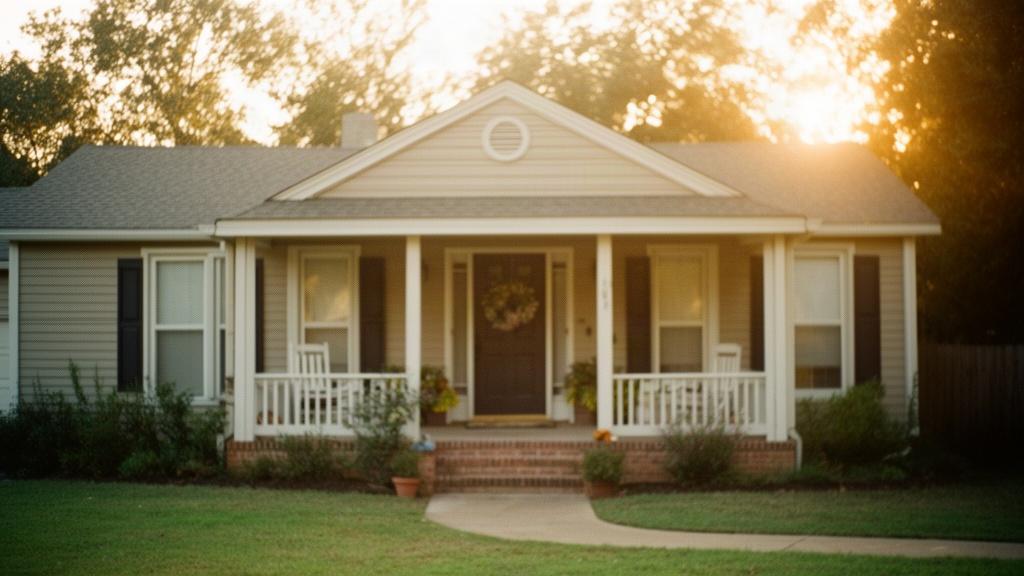
Downsizing in Fairlawn, Ohio means something specific. It is not simply buying a smaller house. It is a deliberate shift from a larger, often older home, typically a three or four bedroom two-story built between the 1960s and 1990s, into something with less square footage, fewer stairs, and lower ongoing maintenance costs. Fairlawn's housing stock gives you real options for making that shift without leaving the city you already know.
The Local Housing Inventory You Are Working With
Fairlawn sits in Summit County and covers roughly 5.5 square miles, so the inventory is not enormous, but it is varied. The city has a mix of established subdivisions with ranch-style homes on generous lots, two-story Colonials and split-levels, and a growing number of condo and townhome communities, particularly around the Fairlawn Town Centre corridor along West Market Street. As of September 2026, the median home price in Fairlawn is tracking in the low-to-mid $300,000s for detached single-family homes, with condos and attached units generally ranging from the upper $100,000s into the $250,000s depending on the complex and finish level.
For more context on current pricing across the Fairlawn market, the Fairlawn, Ohio Real Estate Market Guide breaks down price ranges, inventory levels, and what buyers are competing for right now.
Common Downsizing Paths Fairlawn Homeowners Choose
The three most common paths for downsizers in Fairlawn are: selling a larger single-family home and buying a smaller detached ranch in the same city; selling and purchasing a condo or townhome within Fairlawn or in neighboring Bath Township or Montrose; or selling and renting temporarily while searching for the right smaller home. Each path has different financial and logistical implications, which is why understanding the full cost picture before you list is so important.
A growing number of Fairlawn homeowners are also exploring communities in nearby Copley, Norton, or even Green, where larger lots and newer construction can offer single-floor living at competitive price points. The trade-off is a slightly longer drive to the shops and restaurants along West Market Street, which many Fairlawn residents use regularly.
2. The Real Costs of Downsizing in Fairlawn, Ohio
The cost of downsizing has two sides: what it costs to sell, and what it costs to buy. Most homeowners focus on the equity they will unlock and underestimate the transaction costs on both ends. Running the full numbers before you commit to a timeline prevents surprises at the closing table.
Selling Costs on Your Current Home
If your current Fairlawn home is worth $400,000, here is a realistic breakdown of what comes off the top before you see proceeds. Real estate commissions in Ohio are negotiated, but budget roughly 5 to 6 percent of the sale price, which on a $400,000 home is $20,000 to $24,000. Ohio sellers also typically pay the transfer tax, called the conveyance fee, at a rate of $4 per $1,000 of sale price in Summit County, adding $1,600 on a $400,000 sale. Title work, pro-rated property taxes, and any agreed-upon seller concessions can add another $3,000 to $6,000. Pre-listing repairs and staging, if needed, vary widely but a conservative budget of $2,000 to $5,000 covers most light updates.
All in, plan for 8 to 10 percent of your sale price going toward selling costs. On a $400,000 home, that is $32,000 to $40,000 before you net your equity. The good news is that many Fairlawn homeowners who purchased a decade or more ago are sitting on substantial appreciation, so the net proceeds are still significant even after those costs.
Buying Costs on Your Next Home
On the purchase side, closing costs in Ohio typically run 2 to 4 percent of the purchase price. If you are buying a $220,000 condo in Fairlawn, budget $4,400 to $8,800 for lender fees, title insurance, homeowner's insurance prepayment, and escrow setup. If you are paying cash from your sale proceeds, you skip the lender origination fees but still owe title insurance, recording fees, and prepaid property taxes.
Property taxes in Fairlawn are worth understanding before you choose your next home. Summit County millage rates vary by school district and municipality, and a smaller home does not always mean a proportionally smaller tax bill. The article on Fairlawn, Ohio property tax rates walks through exactly how the calculation works so you can compare the tax burden on your current home versus your target purchase.
The Hidden Costs Most People Miss
Moving costs in the Akron metro area run $1,500 to $4,000 for a local move, depending on the volume of furniture and whether you hire full-service movers or a hybrid approach. If you are moving from a 2,800-square-foot home and downsizing to 1,400 square feet, you will likely need to sell, donate, or store a meaningful portion of your belongings, which adds time and sometimes storage rental costs of $100 to $200 per month during the transition.
HOA fees are another cost that catches people off guard. Many of the condo communities near Fairlawn Town Centre carry monthly HOA fees between $200 and $500, which cover exterior maintenance, landscaping, snow removal, and sometimes water and trash. Those fees replace costs you currently pay separately, but they need to be factored into your monthly budget comparison between your current home and your target property.
Forbes points out that many retirees underestimate the ongoing costs of a smaller home, particularly HOA fees and the cost of furnishing a new layout that does not accommodate your existing pieces. Running a true apples-to-apples monthly cost comparison, not just the mortgage or purchase price, is essential before you commit.
3. Timing Your Downsize: When the Fairlawn Market Works in Your Favor
Timing a downsize well means selling when demand for your current home is highest and buying when competition for your target property is manageable. In Fairlawn, those two windows do not always align perfectly, which is why understanding the local seasonal rhythm matters.
Seasonal Patterns in the Fairlawn Market
Fairlawn follows the broader Northeast Ohio seasonal pattern. Listing activity picks up in March and peaks through June, with strong buyer traffic through the summer. September, where we are right now in 2026, is still an active month for showings. Buyers who did not find a home in the spring are still in the market, and competition from other sellers begins to ease as the school year starts. That combination can work well for a downsizer who is listing a larger home: motivated buyers, less competition, and a seller pool that is beginning to thin.
The fall window, roughly September through mid-November, is historically one of the cleaner times to transact in Fairlawn because both sides of the table tend to be serious. Buyers shopping in September are not browsing; they want to close before the holidays. If you are downsizing into a condo or a smaller home that is also listed in the fall, you may find sellers of those properties equally motivated to close.
Interest Rate Considerations in September 2026
Many downsizers pay cash or carry a very small mortgage on their next purchase, which means interest rates matter less to them than to first-time buyers. However, the rate environment still affects how many buyers can afford your current home. As of September 2026, rates for 30-year conventional loans remain elevated compared to the historic lows of 2020 and 2021, which has kept some buyer segments on the sidelines. That said, Fairlawn's price range for larger single-family homes, generally $300,000 to $550,000, still attracts buyers with substantial down payments who are less rate-sensitive.
How Long the Process Takes
A realistic timeline for downsizing in Fairlawn, from the decision to list through closing on your next home, runs four to six months for most homeowners. Pre-listing preparation, including decluttering, light repairs, and professional photography, typically takes two to six weeks. The average days on market for a well-priced Fairlawn home has been running roughly 20 to 35 days in 2026. Add a 30 to 45 day closing period, and you are looking at two to three months from list date to sale close. Finding and closing on your next home adds another four to eight weeks, though the timelines can overlap if you negotiate a post-closing occupancy agreement with your buyer.
4. Choosing the Right Downsizing Destination in and Around Fairlawn
Where you land after downsizing shapes your daily life, your monthly costs, and your long-term flexibility. Fairlawn and its immediate neighbors offer distinct trade-offs worth thinking through carefully before you commit.
Staying in Fairlawn vs. Moving to a Nearby Community
Staying in Fairlawn means keeping the proximity to the shops and restaurants along West Market Street, the quick access to I-77 and Route 18, and commutes to downtown Akron that run roughly 15 to 20 minutes depending on traffic. The city is compact enough that most errands are within a five-minute drive. For context on what daily life in Fairlawn looks like, the article on living in Fairlawn day to day covers the restaurants, parks, and routines that make up the local experience.
Moving to Bath Township or Montrose puts you within two to four miles of Fairlawn's retail corridor while potentially offering newer construction or different lot configurations. Copley, to the southwest, has a broader inventory of ranch-style homes on larger lots, often at slightly lower price points than comparable Fairlawn properties. Norton and Barberton are further afield but offer the most affordable entry points in Summit County for buyers seeking single-floor living under $200,000.
Condos and Maintenance-Free Living Near Fairlawn Town Centre
The area around Fairlawn Town Centre on West Market Street has the highest concentration of condo and attached-unit inventory in the city. These properties appeal to downsizers specifically because exterior maintenance, snow removal, and landscaping are handled by the HOA, eliminating the seasonal chores that come with a single-family home. Units in these communities typically range from around 1,000 to 1,800 square feet, with one or two bedrooms and either one-floor or townhome-style layouts.
The trade-off is the monthly HOA fee and, in some cases, age restrictions or pet policies that vary by community. Before making an offer on any condo in the Fairlawn area, it is worth reviewing the HOA's financial statements and reserve fund, because an underfunded reserve can lead to special assessments that add unexpected costs after you move in.
Single-Story Homes and Ranch-Style Options
Fairlawn has a solid supply of ranch-style homes built primarily in the 1950s through 1970s, concentrated in the neighborhoods north of West Market Street and in the streets surrounding Fairlawn Country Club. These homes typically run 1,100 to 1,800 square feet on lots of 0.2 to 0.4 acres. Prices for updated ranches in Fairlawn have been ranging from the low $200,000s to the mid-$300,000s in 2026, depending on renovation level, lot size, and location within the city.
A ranch in Fairlawn gives you the single-floor accessibility of a condo without the HOA fee, but you retain full responsibility for exterior maintenance. For homeowners who enjoy yard work and want to stay in a detached home, this is often the preferred path. For those who want to eliminate maintenance entirely, the condo route makes more sense.
5. How to Prepare Your Fairlawn Home to Sell at the Right Price
Getting the preparation and pricing right on your current home is the single biggest lever you have in a downsize. Underpricing leaves equity on the table. Overpricing leads to extended days on market, price reductions, and a weaker negotiating position on your purchase.
Pricing Strategy When You Are Also Buying
Downsizers face a specific pricing tension: you want maximum proceeds from your sale, but you also need to close in a reasonable timeframe so you can move on your purchase. The right list price is not the highest number the market might theoretically support; it is the price that generates multiple showings in the first week and a strong offer within the first two to three weeks. In Fairlawn's current market, well-priced homes in the $300,000 to $400,000 range are still moving with relative speed, while overpriced listings are sitting.
What Buyers Expect in the Fairlawn Market Right Now
Buyers shopping in Fairlawn in September 2026 are comparing your home to others in the $300,000 to $500,000 range across Fairlawn, Bath Township, and neighboring Akron suburbs. They expect updated kitchens and bathrooms, a functional HVAC system, and a home that photographs well. Homes with original 1970s kitchens and deferred maintenance are still selling, but they are selling at a discount, and buyers are requesting inspection concessions. A focused pre-listing investment of $5,000 to $15,000 on paint, flooring, and light fixture updates can meaningfully close that gap.
Coordinating the Sale and Purchase Timeline
The most stressful part of downsizing is the gap between selling and buying. There are three ways to manage it. First, negotiate a post-closing occupancy agreement with your buyer, which lets you stay in your home for 30 to 60 days after closing while you finalize your purchase. Second, close on your purchase first using a bridge loan or a home equity line of credit, then sell your current home. Third, sell first, move into temporary housing, and buy without the pressure of a contingency. Each approach has cost and risk trade-offs that depend on your financial situation and how quickly your target property comes to market.
Research from HousingWire notes that many older Americans feel stuck in homes that no longer fit their needs partly because the coordination complexity feels overwhelming. Having a clear plan for the sale-to-purchase transition, laid out before you list, removes the biggest source of that anxiety.
For a broader look at what the selling process looks like in Fairlawn from list to close, the guide on selling your Fairlawn home: pricing, timeline, and what to expect covers the full sequence in detail.
FAQ
How much equity do most Fairlawn homeowners unlock when they downsize?
It depends heavily on when you bought and what you owe, but homeowners who purchased in Fairlawn before 2018 have typically seen substantial appreciation. A home purchased for $200,000 in 2015 that is now worth $380,000 with a remaining mortgage of $80,000 would net roughly $260,000 to $300,000 after selling costs. That equity can be used to purchase a smaller Fairlawn home or condo outright, eliminating a mortgage payment entirely. Running your specific numbers with a local agent who knows current Fairlawn comps is the most accurate way to estimate your net proceeds before you commit to a timeline.
Is it better to sell first or buy first when downsizing in Fairlawn?
Most Fairlawn downsizers are better off selling first or at least getting their home under contract before making a strong offer on a smaller property. Sellers in the Fairlawn market are generally reluctant to accept contingent offers unless inventory is slow, and a contingency weakens your negotiating position. Selling first gives you a firm equity number to work with and removes the financial risk of carrying two properties. The main downside is the potential gap between closing on your sale and finding your next home, which can be managed with a post-closing occupancy agreement or short-term rental.
What is the smallest home size that makes downsizing worthwhile in Fairlawn?
There is no universal threshold, but the cost savings of downsizing become meaningful when you reduce your square footage by at least 30 to 40 percent. In practical Fairlawn terms, that often means moving from a 2,400 to 3,000 square foot Colonial into a 1,200 to 1,600 square foot ranch or a 1,000 to 1,400 square foot condo. The savings come not just from the purchase price but from lower utility bills, reduced property taxes if your assessed value drops, and lower maintenance costs over time. HOA fees can offset some of those savings in a condo, so the comparison needs to be done on a total monthly cost basis, not just the mortgage payment.