

← Back to Blog
Neighborhoods
What Are the Different Neighborhoods or Areas of Charlton, MA Like to Live In?
By John Capistran, Licensed Realtor
ERA Key Realty Serivces · DRE# 9633917
September 3, 2026 · 11 min read
Charlton, MA is a 36-square-mile town in southern Worcester County, and it is far from uniform. Depending on which part of town you look at, you might find a compact village center with sidewalks and older Colonials, a lakefront neighborhood with seasonal cottages converted to year-round homes, or a rural stretch of road where lots run two acres or more. Understanding what the different neighborhoods or areas of Charlton, MA are like to live in is the starting point for finding the right fit.
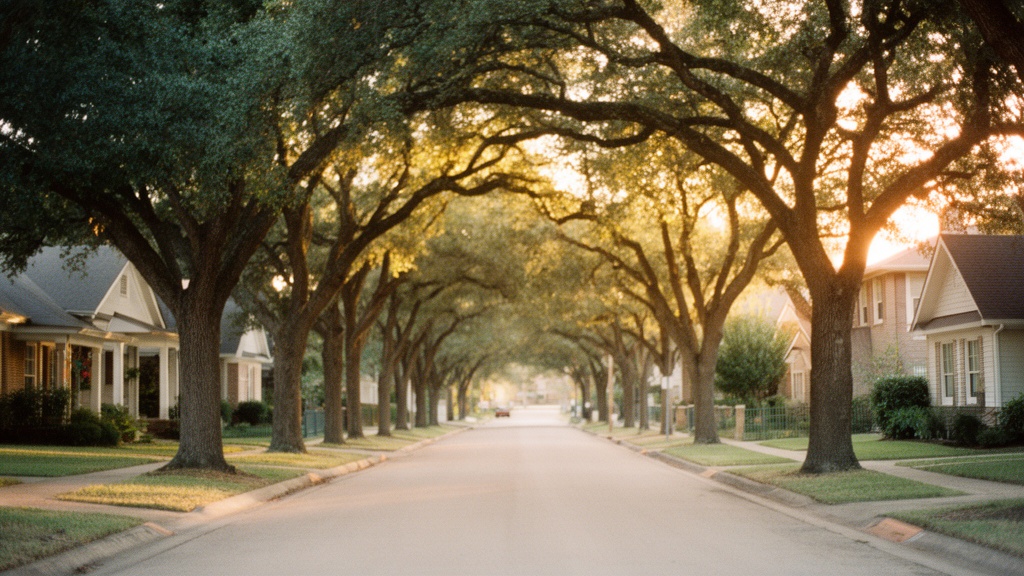
1. How Charlton Is Organized: Villages, Districts, and Rural Corridors
Charlton does not have traditional named neighborhoods the way a city does. Instead, it is organized around a handful of historic village centers, a few lake communities, and large swaths of rural land connected by Routes 20, 31, and 169. Buyers who understand this structure make much better decisions about where to focus their search.
Charlton City and the Town Center
The Town Center sits along Sturbridge Road (Route 20) and Main Street near the Charlton Town Hall, library, and common. This is the most walkable part of Charlton, which is still modest by suburban standards since Charlton is a rural town overall. Lots here tend to be smaller, typically a quarter to three-quarters of an acre, and the housing stock reflects the town's age: you will find Greek Revival and Colonial homes from the 1800s alongside mid-century Capes and some more recent infill construction.
Charlton City is a distinct village cluster in the southwestern part of town, closer to the Sturbridge line. It has its own tight-knit character, with older homes on modest lots and a mix of year-round residents who have lived in the area for generations. NeighborhoodScout profiles both Charlton City and the broader Charlton area for buyers who want to explore demographic and housing data in more detail.
Charlton Depot
Charlton Depot is the northeastern village, historically tied to the old rail corridor and sitting close to the Oxford and Auburn town lines. The housing here skews toward smaller, older homes on compact lots, with some larger parcels as you move away from the village core. Route 20 runs through this part of town, making it one of the more accessible areas for commuters heading east toward Auburn and Worcester. The Depot area has seen steady interest from buyers priced out of Oxford and Auburn, where median prices have climbed faster in recent years.
The Lake Districts
Charlton has several ponds and small lakes scattered across its interior, and the neighborhoods around them have a character all their own. Buffumville Lake, managed by the Army Corps of Engineers, anchors the northwestern corner of town and draws buyers interested in outdoor recreation. Cady Brook Pond, Dresser Hill Pond, and several smaller water bodies each have clusters of homes nearby. Many of these were originally built as seasonal camps or cottages in the mid-20th century and have since been converted or replaced with year-round homes. Lot sizes in these areas vary widely, from tight camp-style lots under a quarter acre to more generous parcels on higher ground away from the water.
If you are exploring land and rural property in Charlton, the article on land and rural property specialists in Charlton is worth reading alongside this guide, since many of the larger parcels near these lake corridors come with complex title and access considerations.
2. What the Housing Stock Looks Like in Each Area
The architecture and construction era of homes in Charlton shifts noticeably depending on which part of town you are in. Knowing what to expect before you tour saves time and helps you set realistic expectations about condition, systems, and renovation needs.
Older Colonials and Capes Near the Village Centers
Within a half-mile of the Town Center and Charlton City, you will find the oldest housing stock in town. Two-story Colonials, center-chimney Capes, and the occasional Federal-style home appear on Main Street and the side roads branching off it. Many of these homes were built before 1950, and some date to the 1800s. They typically have original hardwood floors, plaster walls, and older mechanical systems that buyers should plan to evaluate carefully during inspection. Lot sizes near the common tend to run between a third and three-quarters of an acre.
Ranch and Split-Level Homes in Mid-Century Subdivisions
The 1960s through 1980s brought a wave of ranch and split-level construction to Charlton, particularly along Dresser Hill Road, Stafford Street, and the roads radiating out from Route 31. These homes typically sit on lots of one to two acres, have attached garages, and offer single-floor or minimal-stair living. Many have been updated over the decades: new kitchens, replacement windows, and modern HVAC are common. This segment of the market tends to attract buyers who want more land than the village centers offer without committing to a full-scale rural property.
New Construction and Larger Lots on the Outer Roads
Charlton's outer roads, including sections of Charlton Road, Mason Road, and Muggett Hill Road, are where you find newer construction on two-acre-plus lots. Custom and semi-custom Colonials built between 2000 and 2020 dominate this segment. These homes typically run 2,000 to 3,500 square feet, have two-car or three-car garages, and were designed with modern open floor plans. Septic and well are the norm here since town water and sewer do not reach most of these roads. Buyers should budget for periodic well testing and septic inspections, which are standard in rural Worcester County.
For a broader look at how housing type affects pricing and timing in Charlton, the Charlton real estate market guide covers those dynamics in detail.
3. Price Ranges and Market Conditions by Area
Price in Charlton is driven primarily by lot size, home age, and proximity to Route 20 and Route 31. As of September 2026, the median single-family sale price in Charlton sits in the low-to-mid $400,000s, though the range is wide depending on the area and property type.
What Buyers Are Paying Right Now
Entry-level homes in Charlton, typically older Capes or ranches under 1,400 square feet in the Depot area or on smaller lots near the village centers, are trading in the $310,000 to $380,000 range as of September 2026. Mid-range homes, the updated ranches and split-levels on one-to-two-acre lots along Dresser Hill and Stafford Street, are selling in the $400,000 to $490,000 range. Newer Colonials on two-plus-acre lots on the outer roads are generally priced from $490,000 to $600,000 and above, depending on finish level and acreage. Waterfront or water-view properties near Buffumville Lake or the smaller ponds command a premium and can push well past $550,000 even for modest square footage.
How Lot Size and Location Move the Price
In Charlton, an extra acre of land typically adds $20,000 to $40,000 to a home's value, all else being equal. Proximity to Route 20 matters differently depending on the buyer: some value the quick on-ramp access to the Massachusetts Turnpike (I-90) at Exit 10 in Charlton, while others prefer the quieter roads deeper in town and accept a longer drive to the highway. Homes within a mile of Route 20 tend to sell faster, often in under three weeks, while properties on the rural outer roads can sit 30 to 60 days even in active markets.
The current market conditions piece on this site covers whether Charlton is favoring buyers or sellers right now. You can read that at the Charlton housing market update for 2026.
4. Commutes, Amenities, and What Daily Life Looks Like
Understanding what the different areas of Charlton, MA are like to live in day-to-day means looking at how long it takes to get places and what you can access without leaving town. Charlton is not a town where you walk to a grocery store from most addresses, so the drive matters.
Getting to Worcester, Springfield, and Hartford
Charlton's position along I-90 (the Mass Pike) makes it a legitimate commuter town for multiple employment centers. From the Town Center, Worcester is roughly 18 miles east, a drive of 25 to 35 minutes depending on traffic. Springfield is about 30 miles west, typically 35 to 45 minutes. Hartford, Connecticut is approximately 55 miles southwest, a 55 to 70-minute drive under normal conditions. Buyers coming from Sturbridge or Oxford often find Charlton's I-90 access at Exit 10 to be one of the town's most practical features.
Route 20 also connects Charlton directly to Sturbridge to the west and Auburn and Worcester to the east without using the highway. This surface route is slower but useful for errands, and it passes through the commercial strips in Sturbridge and Auburn where most Charlton residents do their grocery shopping, dining, and big-box retail.
Local Amenities Within Charlton
Charlton itself has a small commercial footprint. The town has a public library on Main Street, a town common, recreational fields, and Buffumville Lake Recreation Area, which offers swimming, fishing, picnicking, and hiking trails managed by the Army Corps of Engineers. There is a small cluster of local businesses along Route 20, including a handful of restaurants and service providers, but most residents drive to Sturbridge or Auburn for major shopping. The Charlton Orchard on Muggett Hill Road is a well-known local landmark, open seasonally for apple picking, pumpkins, and farm stand shopping.
Charlton also has a strong network of conservation land. The Charlton Land Trust and the town's own conservation commission have protected hundreds of acres of open space, and trails wind through several of these parcels. Buyers who prioritize outdoor access without needing to drive to a state park will find Charlton's trail network genuinely useful.
For a fuller picture of what daily life looks like before and after a move, the relocation guide for Charlton, MA covers utilities, town services, and practical logistics that this article does not repeat.
5. What Makes Each Part of Charlton Distinct: A Closer Look
Beyond the broad village categories, several specific roads and corridors in Charlton have a character worth knowing about before you search. These distinctions do not show up in a zip code search but they matter when you are comparing two homes that look similar on paper.
Dresser Hill Road Corridor
Dresser Hill Road runs north-south through the central part of Charlton and is one of the town's more active residential corridors. Homes here range from 1970s ranches on one-acre lots to newer Colonials built in the 2000s on two-acre parcels. The road itself is paved and well-maintained, and it connects to both Route 20 and Route 31 within a few miles. Buyers who want a central location without being in a dense subdivision tend to gravitate toward this corridor.
Stafford Street and the Southern Border
The southern edge of Charlton along Stafford Street and the roads approaching the Connecticut border has some of the most rural character in town. Lot sizes here frequently exceed three to five acres, and some parcels include woodlands, streams, or agricultural fields. Homes in this area are often custom-built and sit well off the road. The trade-off is distance: this part of Charlton is 10 to 15 minutes from Route 20 and closer to 20 minutes from the I-90 on-ramp, which adds up over a daily commute.
The Route 169 Corridor Toward Woodstock
Route 169 runs along Charlton's eastern edge toward the Woodstock, Connecticut line and is one of the quieter scenic routes in the area. Homes along and near this corridor tend to be older, with a mix of antique Capes and Colonials and some mid-century ranches. Lot sizes are generous and the landscape is open, with farm fields and stone walls visible from the road. Buyers drawn to the aesthetic of classic New England rural scenery often focus their search here.
You can explore additional neighborhood data and community ratings on the Camp Bement and Town Center neighborhood profile at NeighborhoodScout, which provides housing unit counts, age of housing stock, and other factual breakdowns for the central Charlton area.
6. Schools, Research, and Making the Right Decision for Your Household
School information is one of the most common questions buyers ask when exploring neighborhoods in Charlton, MA. Charlton is served by the Charlton public school system, with students attending Charlton Elementary, Charlton Middle School, and Shepard Hill Regional High School (shared with Dudley through the Shepherd Hill Regional School District). Because school performance and fit are deeply personal decisions, the right approach is to review the Massachusetts Department of Elementary and Secondary Education's school profiles directly at doe.mass.edu, where you can access accountability data, enrollment figures, and program information for each school. That data is updated regularly and is the most reliable source for making your own assessment.
For buyers who want to understand how the school question connects to home search strategy in Charlton, the dedicated article on researching schools when buying a home in Charlton provides a practical framework for doing that research before you make an offer.
For crime and public safety data, the Charlton Police Department publishes incident information, and the Massachusetts State Police maintain publicly accessible data through the Executive Office of Public Safety. These are the appropriate sources to consult directly rather than relying on third-party rankings, which use different methodologies and are updated on varying schedules.
FAQ
What is the most affordable area or neighborhood in Charlton, MA?
As of September 2026, the most accessible price points in Charlton tend to be in the Charlton Depot area and near the older village centers, where smaller homes on compact lots are trading in the $310,000 to $380,000 range. These are typically older Capes or ranches under 1,400 square feet that may need updating. The trade-off is smaller lot sizes compared to the rural outer roads, but commute access via Route 20 is generally quicker from these areas. Buyers working with a tighter budget should focus their search on homes built before 1980 in the Depot and Town Center corridors.
Is Charlton, MA mostly rural or does it have a suburban feel?
Charlton is predominantly rural in character. The town covers 36 square miles and most of that land is undeveloped forest, farmland, and conservation property. The village centers near the Town Common and Charlton Depot have a modest suburban feel with sidewalks and smaller lots, but even those areas are quiet compared to towns like Auburn or Shrewsbury. Most addresses in Charlton are on private wells and septic systems, and the majority of roads outside the village centers are lightly traveled. Buyers relocating from more suburban environments should plan for longer drives to reach grocery stores, restaurants, and retail, since Charlton's own commercial base is limited.
How do I figure out which part of Charlton, MA is right for my situation?
The most useful starting point is to map your daily commute from several addresses in different parts of town and compare the drive times honestly, not just on a map but at the time of day you would actually be traveling. From there, consider how much land you want and whether you are comfortable with a private well and septic system, since most homes outside the village centers rely on both. If you have children, review the Massachusetts DESE school profiles for Charlton's schools directly at doe.mass.edu to form your own view. Working with a local agent who has sold homes across multiple parts of Charlton, like John Capistran of ERA Key Realty Services, is the fastest way to narrow the search because they can tell you what actually comes up for sale in each area and how quickly those homes move.