← Back to Blog
Local Living
Relocating to Midland - Odessa, Texas works best: neighborhoods, costs and timelines
By Jolie Wenger, Licensed Real Estate Agent
Home Charm Realty
October 8, 2026 · 5 min read
Relocating to Midland - Odessa, Texas works best: neighborhoods, costs and timelines is a practical guide for people moving here. This post covers housing types, typical cost categories, commute times between Midland and Odessa, and specific neighborhood features to check before you choose where to live.
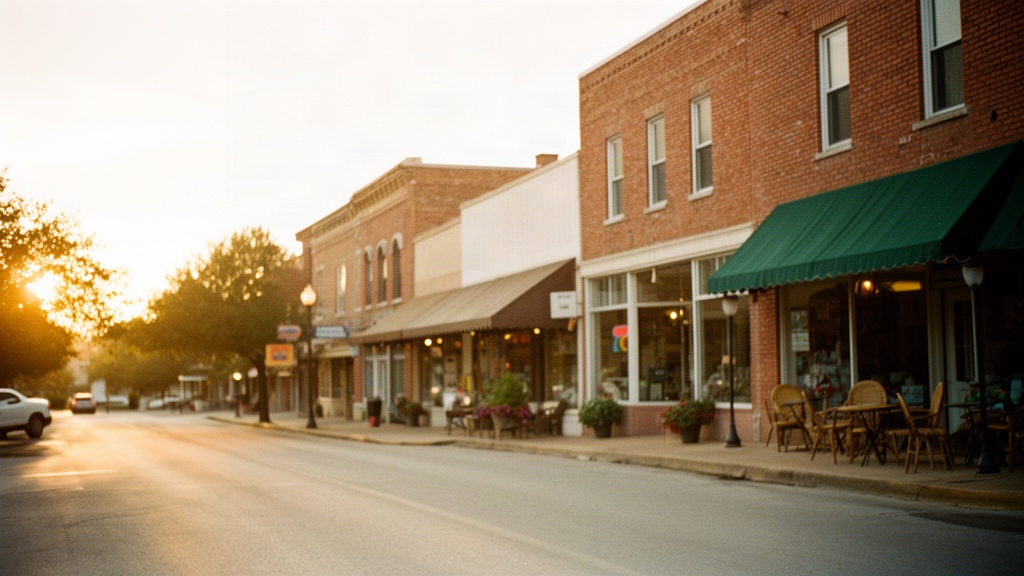
1. Choosing Between Midland and Odessa
Quick answer. Midland and Odessa are separate cities with different housing stock, commute patterns, and local amenities; choosing between them means weighing lot sizes, house styles, and how you plan to commute or work locally.
Housing stock differences
Midland features a mix of mid-century ranch homes, newer single family subdivisions, and infill around downtown; many lots are quarter-acre to half-acre in central neighborhoods.
Odessa features a larger share of one-story ranch homes and planned subdivisions with larger yards on the city outskirts; build-to-suit and new-construction neighborhoods are common near Loop 250 and I-20.
Commuting between the cities
Direct fact. The drive between downtown Midland and downtown Odessa is about 20 to 25 miles by I-20 or Business 20, and typical drive times range from 25 to 40 minutes depending on route and traffic.
2. Neighborhoods to Consider
Quick answer. Look for neighborhoods by the features that matter to you: lot size, home age, proximity to parks and hospitals, and commute routes to work centers like downtown Midland, Odessa Medical Center, or the airport.
Midland neighborhoods and features
Nearby parks and institutions. Midland neighborhoods such as neighborhoods around Loop 250, the area near Midland International Air and Space Port, and the corridors toward downtown include access to parks like Sibley Nature Center and the George W. Bush Childhood Home site.
Odessa neighborhoods and features
Points of interest. In Odessa, areas near Loop 338, the Music City Mall corridor, and the neighborhoods north of I-20 provide quick access to Ector County Coliseum, local medical centers, and shopping along Broadway and Andrews Highway.
Nearby suburbs and what they offer
Smaller communities. Towns and suburbs around the basin, including smaller bedroom communities along SH 349 and US 385, offer larger acreage parcels and quieter rural-feel properties while keeping commutes to Midland or Odessa within 45 to 60 minutes.
3. Costs to Budget For
Quick answer. Budget for purchase price, property taxes, utilities, insurance, and moving costs; each of these can vary substantially between Midland and Odessa and by neighborhood.
Purchase costs and typical price bands
Price ranges. Expect to see a range from modest single-story homes near central Odessa or older Midland subdivisions up to larger new-construction homes on larger lots near Loop 250 or the outskirts; use recent active and closed listings to check current local pricing.
Property taxes and fees. Property tax rates differ by city and school district; for a comparison of taxes on a typical mortgage load, see our in-depth post on property taxes for a $350,000 home at /agent/jolie-wenger/blog/property-taxes-350000-midland-vs-odessa-2026-mo-school-rates.
Ongoing expenses: utilities, HOA, insurance
Utilities and insurance. Utilities in the Permian Basin include water, sewer, electricity, and occasional irrigation or well service; homeowners insurance premiums reflect local construction types and coverage levels, so get quotes from providers before you commit.
Cost of living resources. For a quick cost of living snapshot specific to Odessa, use the Forbes cost of living calculator to compare groceries, housing, and transportation to other cities.
4. Realistic Timelines for a Move
Quick answer. Expect a coordinated timeline that covers house hunting, offers, inspections, closing, and moving logistics; the exact calendar depends on whether you need to sell a home first or are relocating for a job with fixed start dates.
House hunting and offer to close timeline
Typical steps. House hunting can take a few weeks to several months; once you have an accepted offer plan for inspections, appraisal, and title work before closing. If you want specific local averages, ask your agent for recent days-on-market and average closing times for the neighborhood you like.
Lease overlap and moving day planning
Practical tip. If you are renting first, plan at least one to two weeks of overlap between lease start and move-in for cleaning, repairs, and utility transfers. Local movers often have peak windows around local job start dates, so reserve moving services early.
Local permitting and utility set up
Utilities and permits. Plan for utility activation with Midland Municipal Utilities or Odessa providers, and check local city requirements for water meters or contractor permits if you plan renovations; scheduling these before move-in avoids delays.
5. Local Resources and Next Steps
Quick answer. Use local data sources, neighborhood visits, and a local agent to verify schools, commute times, and recent sold prices before making an offer; these checks reduce surprises and help you compare real numbers.
Where to check schools, safety and demographics
Objective sources. For school information consult the Texas Education Agency and district websites, for crime or public safety consult local police department data, and for demographics consult U.S. Census Bureau tools; these sources give raw data you can interpret for your needs.
Useful local links and articles
Contacting a local agent. A local agent can run tailored comparable searches, map commute times from specific addresses, and produce a neighborhood checklist. If you are relocating, I can run area-specific comps and set up synchronized showings across Midland and Odessa.
Economic context link. For broader economic and place context, Forbes provides a profile of Midland that summarizes local industries and living conditions.
6. Practical Checklist Before You Move
Quick answer. Run these checks before committing to a neighborhood: recent sold comps, commute times from specific addresses, utility provider accounts, local permit rules, and a moving cost estimate.
- Comparable sales: Ask for 6 months of closed sales within 1 mile and similar square footage
- Commute test: Drive the route at your commute times, or use mapping to record typical drive durations
- Utilities: Confirm water, sewer, and electric providers for the property and ask about average monthly bills
- Inspections: Budget for a full home inspection and any immediate repairs you might prioritize
FAQ
How long does it typically take to move and close on a house in Midland or Odessa?
Closing timelines vary by whether you need financing and whether the seller has title ready. Plan for at least 30 to 45 days for a financed transaction after an accepted offer, plus extra time if repairs are negotiated. If you are relocating with a firm job start date, allow additional buffer for utilities and movers.
What are the main cost differences between Midland and Odessa?
Cost differences show up in purchase price bands, property tax rates by school district, and sometimes homeowner insurance premiums. For specifics compare recent sold prices in your preferred neighborhoods and consult our property tax comparison post for an example calculation on a $350,000 home at /agent/jolie-wenger/blog/property-taxes-350000-midland-vs-odessa-2026-mo-school-rates.
Where can I find objective data on schools and safety for neighborhoods I am considering?
Use the Texas Education Agency and district websites for school performance data, local police department pages for crime reports and open data, and the U.S. Census Bureau for demographics. These primary sources let you draw your own conclusions about schools and community characteristics.