← Back to Blog
Neighborhoods
Old City Philadelphia Consistently Gets Great Results: Real Estate Market Guide for Prices, Neighborhoods and Timing
By Joshua Collazo
September 25, 2026 · 10 min read
Old City Philadelphia consistently gets great results for both buyers and sellers, making it one of the most closely watched urban neighborhoods in the Philadelphia real estate market. Bounded by the Delaware River to the east, Vine Street to the north, Walnut Street to the south, and 6th Street to the west, this roughly half-square-mile pocket sits at the geographic and historic center of the city. This guide covers current prices, what the housing stock actually looks like, how long homes are sitting on the market, and when to move if you are buying or selling here in 2026.
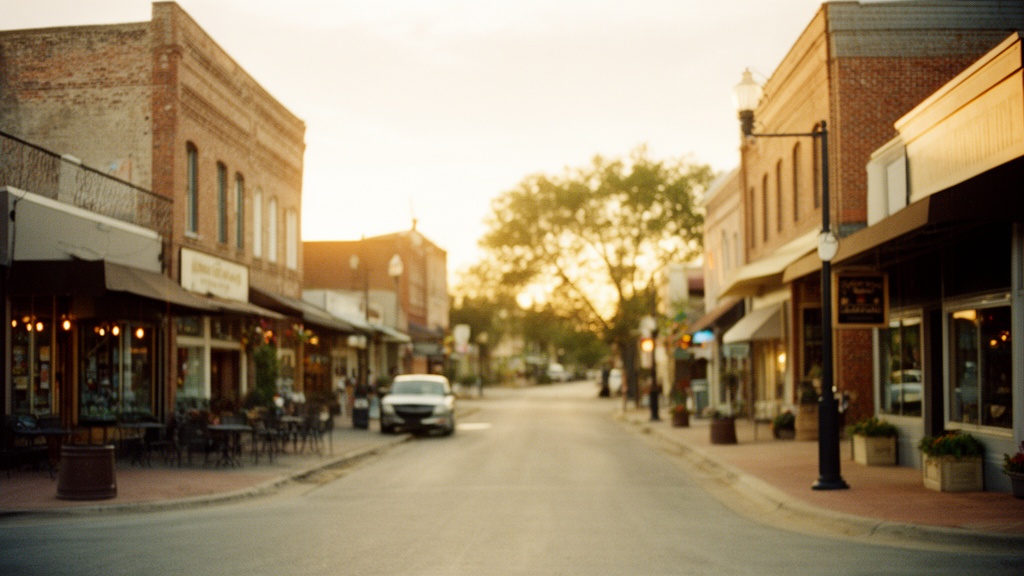
1. What Makes Old City a Distinct Real Estate Market
Old City is not a generic urban neighborhood. It is the oldest continuously inhabited part of Philadelphia, and that history shows up directly in the housing stock, the street grid, and the price per square foot. Buyers who understand what makes Old City structurally different from neighborhoods like Fishtown or Rittenhouse Square can make sharper decisions about where their dollar goes.
The Housing Stock
The dominant property type in Old City is the converted loft or industrial condo. The neighborhood contains dozens of former 18th and 19th century warehouses and commercial buildings that were converted to residential use starting in the 1980s and continuing through the 2010s. These units typically feature exposed brick, timber beam ceilings, oversized windows, and open floor plans ranging from around 700 square feet for a one-bedroom to over 2,000 square feet for a full-floor penthouse unit.
Traditional rowhomes and narrow townhouses also exist throughout Old City, particularly on streets like Elfreth's Alley, Church Street, and the blocks immediately west of 3rd Street. These properties often date to the 1700s and 1800s and carry historic designation in some cases, which affects what exterior renovations are permitted. Lot sizes are compact, typically 14 to 18 feet wide, with depths ranging from 40 to 70 feet. Parking is limited throughout the neighborhood; most condo buildings offer deeded spaces at a premium, and street parking is metered or permit-restricted.
New construction is rare in Old City. The combination of historic preservation overlays, limited vacant land, and the sheer density of existing structures means that buyers looking for brand-new product will find very little of it here compared to neighborhoods like South Philadelphia or Northern Liberties. What you find instead are well-renovated older buildings with modern interiors and preserved exteriors.
Location and Commute Context
Old City sits about a 15 to 20 minute walk from the heart of Center City at Broad and Market Streets. The Market-Frankford Line runs directly through the neighborhood at the 2nd Street station, connecting riders to 30th Street Station and University City in under 20 minutes. SEPTA bus routes along Market Street, Chestnut Street, and Delaware Avenue provide additional coverage. For residents commuting to New Jersey, the RiverLink Ferry operates seasonally from the Penn's Landing waterfront, which is a short walk from most Old City addresses.
Walkability is one of the neighborhood's defining physical characteristics. The Independence Mall, Liberty Bell Center, and National Constitution Center are all within a five-minute walk of most Old City addresses. Penn's Landing, the Race Street Pier, and the waterfront park system along the Delaware River are accessible on foot. The concentration of restaurants, galleries, and retail along 3rd Street and 2nd Street means most daily errands require no car at all. For a broader look at how commute times break down across Philadelphia neighborhoods, see our guide on which Philadelphia neighborhoods are within a 30-minute commute to Center City by public transit.
2. Old City Philadelphia Real Estate Prices Right Now
Old City Philadelphia consistently gets great results for sellers in part because prices here have held firm even as other parts of the city have softened. As of September 2026, the median sale price for all property types in Old City sits in the range of $430,000 to $480,000, depending on the specific block and building. Price per square foot for condos and lofts runs roughly $350 to $500, with premium conversions in buildings like the Bourse or the Lofts at 1100 Ludlow commanding the higher end of that range.
Condos and Lofts
Entry-level one-bedroom condos in Old City typically start around $280,000 to $340,000 for units in the 650 to 850 square foot range. Two-bedroom units in converted loft buildings most commonly trade between $420,000 and $580,000, depending on floor, ceiling height, and whether a deeded parking space is included. Penthouse and full-floor units in landmark conversions have sold above $900,000 in recent transactions, though that tier represents a small share of overall volume.
Condo fees in Old City vary significantly by building. Older conversions with aging mechanical systems and doorman service can run $600 to $900 per month. Smaller boutique buildings with self-managed associations often come in below $400 per month. Buyers should request at least two years of HOA meeting minutes and the current reserve fund balance before making an offer, since deferred maintenance in older converted buildings can result in special assessments.
Rowhomes and Townhouses
Rowhomes and fee-simple townhouses in Old City carry a premium over comparable square footage in condo form. A renovated three-story rowhome in the 1,400 to 1,800 square foot range typically lists between $550,000 and $750,000. Homes on historically significant blocks or with original period details intact often attract buyers willing to pay above that range. The absence of HOA fees is a financial advantage for rowhome buyers, though maintenance costs fall entirely on the owner.
How Old City Compares to Nearby Neighborhoods
Old City price points sit above Fishtown and Northern Liberties for comparable square footage, and generally below Rittenhouse Square for single-family product. The distinction is largely driven by building age, historic character, and proximity to the waterfront and Independence Mall. For context on how Fishtown's market is performing right now, see the Fishtown Philadelphia real estate market guide. And for a broader view of how Old City fits into the overall city picture, the Philadelphia real estate market guide covers citywide trends and pricing benchmarks.
3. How Quickly Homes Sell in Old City and What That Means for You
Old City moves faster than the Philadelphia metro average. The Philadelphia metro as a whole already sells homes at a faster pace than the national average, as noted in recent market analysis from HousingWire. Within that context, Old City's limited inventory and consistent buyer demand push median days on market even lower for well-priced listings.
Days on Market
Correctly priced condos and lofts in Old City are currently going under contract in 14 to 25 days. Rowhomes priced in line with recent comparable sales are moving in a similar window. Properties that sit beyond 45 days are almost always overpriced relative to the current market or carry a specific issue like a high special assessment, deferred maintenance, or a problematic HOA financial position. Buyers who see a listing sitting longer should investigate why rather than assuming they are getting a deal.
Inventory Levels in September 2026
Active inventory in Old City as of September 2026 remains constrained. At any given time, there are typically fewer than 40 to 50 active listings across all property types in the neighborhood. That is a function of the neighborhood's physical size and the fact that many residents, once settled, stay for years. Turnover is lower here than in higher-volume neighborhoods like South Philadelphia or Northeast Philadelphia, which means buyers should move with preparation rather than waiting for a larger selection to appear.
What Buyers Are Competing Against
Multiple-offer situations are not universal in Old City right now, but they happen regularly on move-in-ready units priced below $450,000. Buyers competing in that range should be pre-approved, not just pre-qualified, and should have their inspection contingency timeline tightened to the extent they are comfortable. Sellers in this neighborhood are accustomed to receiving offers within the first two weekends of listing, so buyers who take a week to deliberate often find the property already under contract.
4. Timing the Old City Market: When to Buy and When to Sell
Timing matters in Old City, but not in the same way it does in a suburban market with strong seasonal swings. Because Old City attracts a significant share of buyers relocating for work, buyers from out of state, and investors, demand does not collapse in winter the way it does in single-family suburban neighborhoods. That said, there are still meaningful windows that favor one side of the transaction over the other.
Best Windows for Sellers
March through June is historically the strongest window for Old City sellers. Spring brings the highest volume of active buyers, and the neighborhood's outdoor character, including the waterfront, the gallery district along 2nd Street, and the outdoor dining scene, shows at its best. Listings that hit the market in late February or early March consistently attract more showings and stronger offers than comparable listings that wait until summer.
September is also a strong listing month. Buyers who paused over summer often re-enter the market in September with urgency, wanting to close before the end of the year for tax and personal planning reasons. Sellers who list in September in Old City are typically meeting a motivated pool of buyers with fewer competing listings than spring. If you are a seller considering your options, the guide on selling a home in Philadelphia: pricing, timeline and what to expect covers the full process in detail.
Best Windows for Buyers
Buyers generally find more negotiating room in November through January. Listings that have been on the market since fall without a contract are often held by sellers who have already adjusted their expectations. Competition from other buyers thins out. Inspection timelines are more relaxed. The tradeoff is a smaller selection of available properties, but for buyers who know what they want and are pre-approved, winter can be a productive time to search in Old City.
What the Data Says About Fall 2026
National research from NAR points to mid-October as a window that has historically favored buyers in recent years. The NAR has also noted that the best buying window for 2026 arrives in the fall as summer competition fades. In Old City specifically, October and early November represent a window where buyers can find motivated sellers without the deep inventory drought of December and January. Buyers who are ready to act in October 2026 are entering a window that combines reasonable selection with reduced competition.
5. Costs, Taxes, and What to Budget Beyond the Purchase Price
The purchase price is only one piece of the financial picture in Old City. Philadelphia's tax structure, closing cost requirements, and HOA obligations mean that buyers need to budget carefully beyond the number on the listing sheet. Understanding these costs upfront prevents surprises at the closing table.
Property Taxes in Old City
Philadelphia's property tax rate is 1.3998% of assessed value as of 2026. For a condo assessed at $400,000, that works out to approximately $5,600 per year, or roughly $467 per month. Assessed values in Old City do not always match sale prices exactly, and the city reassesses on a rolling basis, so buyers should request the current assessment from the Office of Property Assessment and factor in the possibility of a reassessment after purchase. Many Old City condo buildings had tax abatements that have now expired, which is an important detail to verify before buying.
For a detailed breakdown of how Philadelphia property taxes work on a specific purchase price, see the guide on property taxes on a $400,000 home in Philadelphia.
Closing Costs for Buyers
Buyers in Philadelphia should budget 3% to 5% of the purchase price for closing costs. On a $450,000 Old City condo, that means $13,500 to $22,500 in closing costs on top of the down payment. Philadelphia-specific costs include the city's realty transfer tax of 3.278% of the sale price, split between buyer and seller by custom (though this is negotiable). Lender fees, title insurance, and prepaid items like homeowner's insurance and property tax escrow add to the total. A full breakdown is available in the guide on closing costs for home buyers in Philadelphia.
HOA and Condo Fees
HOA fees in Old City condo buildings range from under $300 per month in smaller self-managed associations to over $900 per month in larger buildings with full-time staff, amenities, and aging infrastructure. Lenders will include HOA fees in the debt-to-income calculation, so a $700 monthly HOA fee on a $450,000 purchase can meaningfully affect how much a buyer qualifies to borrow. Buyers should also ask specifically whether any special assessments are pending or have been approved but not yet invoiced, since sellers are not always required to disclose planned assessments that have not yet been formally levied.
If you are buying in Old City for the first time, the first-time home buyer guide for Philadelphia walks through the full process from pre-approval to closing, including what to watch for in a condo purchase specifically.
FAQ
Is Old City Philadelphia a good place to buy right now in September 2026?
Old City Philadelphia consistently gets great results for buyers who enter with realistic expectations about inventory. Supply is limited, with fewer than 50 active listings at most points during the year, so buyers should be pre-approved and ready to act quickly when the right property appears. Prices have held firm through 2026, which means Old City is not a market where buyers can expect significant discounts from asking price on well-maintained properties. That said, motivated sellers do exist, particularly on listings that have been sitting for 45 days or more. Working with a local agent who tracks Old City specifically is the most effective way to find leverage points in this market.
What types of homes are available in Old City Philadelphia?
Old City's housing stock is dominated by converted industrial and warehouse lofts, which were adapted from 18th and 19th century commercial buildings and typically feature exposed brick, timber ceilings, and open floor plans. Traditional narrow rowhomes and townhouses also exist throughout the neighborhood, particularly on historically significant blocks like Elfreth's Alley. New construction is rare due to historic preservation overlays and the density of existing structures. Buyers looking for a detached single-family home with a yard will need to look at adjacent neighborhoods, as that product type is essentially absent in Old City's core. Parking is limited and often comes at a premium as a deeded space in condo buildings.
How do property taxes work for an Old City condo purchase?
Philadelphia applies a property tax rate of 1.3998% to the assessed value of the property, not necessarily the sale price. For a condo purchased at $450,000, the annual tax bill will depend on what the Office of Property Assessment has the unit assessed at, which may be higher or lower than the sale price. Many Old City buildings had 10-year tax abatements that have expired in recent years, meaning buyers can no longer count on reduced tax bills the way buyers in the 2010s could. After purchase, the city may reassess the property, potentially increasing the tax bill. Buyers should request the current assessed value and any pending reassessment notices before closing.