← Back to Blog
Buying
Buying a Home Downtown Highlands: Process, Costs, Timeline
By Judy Michaud
September 2, 2026 · 12 min read
Buying a home in downtown Highlands, North Carolina involves a process, costs, and timeline that look quite different from purchasing in a typical suburban market. The walkable core of this small mountain town sits at 4,118 feet elevation, draws a mix of full-time residents and seasonal buyers, and carries price points that reflect both the limited inventory and the enduring appeal of Main Street proximity. This guide walks you through every step, every dollar, and every week you should plan for.
1. What Makes Downtown Highlands Different as a Purchase Target
Downtown Highlands is not a standard residential neighborhood. It is a walkable village core perched in the Blue Ridge Mountains where the commercial district, historic cottages, and luxury condominiums all exist within a few blocks of one another. Buying here means navigating a market shaped by seasonal demand, a very small total housing stock, and buyers who frequently pay cash. Understanding those dynamics before you start shopping saves time and prevents costly surprises.
A Compact, High-Demand Inventory Zone
The area most buyers think of as downtown Highlands spans roughly the blocks surrounding Main Street, extending toward Mirror Lake to the north and the Highlands Country Club corridor to the east. Active listings within that core regularly number in the single digits to low teens at any given time, which is why properties that are priced correctly tend to move quickly and why buyers who are not pre-approved often lose out.
Seasonal patterns matter here more than in most markets. New listings tend to appear in spring and early summer as sellers prepare for peak visitor season, and again briefly in early fall before the town quiets down. September 2026 sits at the tail end of summer activity, meaning buyers who move now may face slightly less competition than they would have in June or July, though well-located properties still attract multiple inquiries quickly.
Property Types You Will Actually Encounter
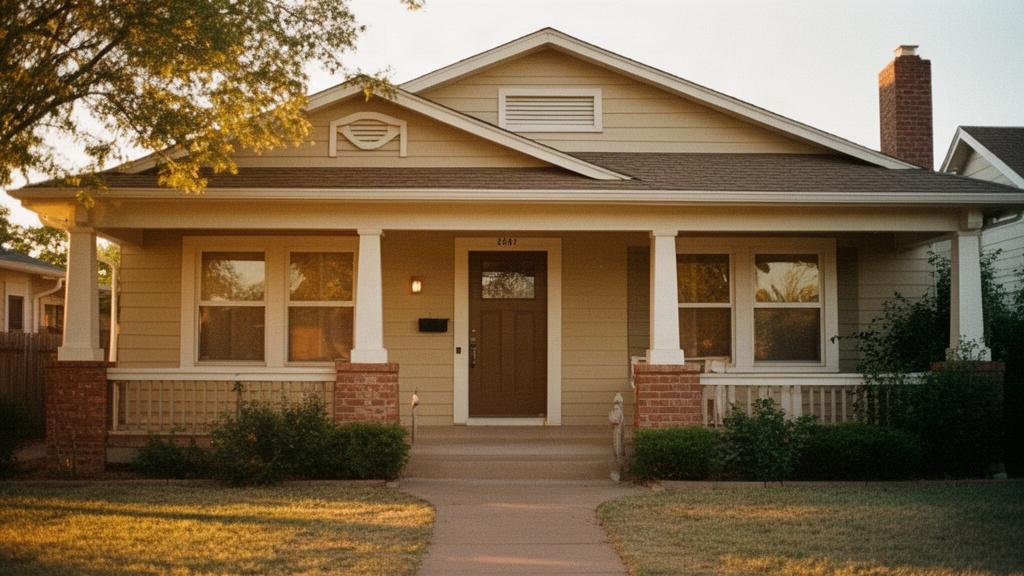
The downtown core offers a narrower range of property types than the broader Highlands market. You will find historic cottages built in the early to mid-twentieth century, many with original stone or wood construction and small lots measured in fractions of an acre. Condominiums and townhomes exist in a handful of developments within walking distance of Main Street. Larger single-family homes on the edges of the core tend to sit on slightly bigger lots, sometimes with long-range mountain views toward Whiteside Mountain or Sunset Rock.
New construction within the downtown footprint is rare because buildable lots are scarce and local design standards encourage compatibility with the town's historic character. When new construction does appear nearby, it is usually a spec home on a previously overlooked parcel or a gut renovation of an older structure. Buyers interested in new development should review considerations around that process carefully before committing.
2. The Step-by-Step Buying Process in Downtown Highlands
The buying process in downtown Highlands follows the same legal framework as any North Carolina real estate transaction, but several local factors shape how each step actually plays out. North Carolina uses a due diligence fee system that is particularly important to understand in a competitive mountain resort market, and the terrain itself introduces inspection considerations that buyers from flat-land markets rarely anticipate.
Getting Pre-Approved in a Mountain Resort Market
Pre-approval is the required first step, and in Highlands it carries extra weight. A meaningful share of downtown transactions close in cash, so sellers and their agents often look at financing contingencies with skepticism. A strong pre-approval letter from a lender familiar with mountain resort properties, or better yet a proof-of-funds letter if you are paying cash, signals that you are a serious buyer. The National Association of Realtors offers a useful primer on preparing for homeownership that covers credit, savings, and lender selection in plain language.
One financing note specific to this market: some older cottages and condominiums in the downtown area may not qualify for conventional financing if they have deferred maintenance, unusual construction materials, or association structures that lenders flag. Discussing the specific property type you are targeting with your lender before you start touring saves you from falling in love with a home you cannot finance.
Making an Offer When Inventory Is Tight
North Carolina purchase contracts include a due diligence fee paid directly to the seller at contract execution. This fee is non-refundable if you walk away during the due diligence period, but it is credited toward your purchase price at closing. In the downtown Highlands market, due diligence fees on desirable properties have ranged from a few thousand dollars on the low end to well into five figures on highly competitive listings. Your agent's read on local norms is essential here because offering too little signals weak commitment.
Earnest money is a separate deposit paid to the closing attorney's escrow account shortly after contract execution. Together, the due diligence fee and earnest money represent your upfront financial commitment. On a $900,000 downtown cottage, a buyer might offer $15,000 in due diligence and $25,000 in earnest money, though those numbers shift with market conditions and the specific property.
Due Diligence: What the Highlands Terrain Demands
The due diligence period is when you hire inspectors, review documents, and decide whether to proceed. In Highlands, this period typically runs 21 to 45 days depending on how it is negotiated. The mountain environment creates inspection priorities that go beyond a standard home inspection. You will want a general home inspector, but also specialists for: the well and septic system if the property is not on town utilities, the chimney and any wood-burning fireplaces given how heavily they are used at 4,000-plus feet, the foundation and any retaining walls given the sloped terrain common throughout the area, and the roof, which takes heavy weather year-round.
Properties within the downtown core are more likely to be on town water and sewer than those on the outskirts, which simplifies the inspection process somewhat. However, older plumbing and electrical systems in historic cottages can generate repair estimates that significantly affect your negotiating position or your decision to proceed. Budget time and money to get thorough inspections rather than cutting corners.
Closing Day in Macon County
North Carolina is an attorney-closing state, meaning a licensed real estate attorney must conduct the closing and handle the title search. In Macon County, closings typically take place at the attorney's office in Highlands or nearby Franklin. The attorney will confirm clear title, prepare the deed, and record the transaction with the Macon County Register of Deeds. You will sign a substantial stack of documents, wire your closing funds in advance, and receive keys once the deed is recorded, which usually happens the same day.
3. Real Costs to Budget When Buying in Downtown Highlands
Understanding the full cost of buying a home in downtown Highlands means looking beyond the purchase price. Closing costs, inspection fees, and ongoing ownership expenses add up to a meaningful sum, and in a market where properties can trade at $700,000 to well over $2 million, even a one-percent error in your cost estimate is a significant dollar amount.
Purchase Price Ranges Right Now
As of September 2026, downtown Highlands properties span a wide range depending on property type, condition, and exact location. Condominiums and smaller cottages within walking distance of Main Street typically start in the high $500,000s to low $700,000s for properties that need updating. Move-in-ready cottages with renovated interiors and outdoor living spaces commonly trade in the $800,000 to $1.4 million range. Larger single-family homes with long-range views, significant square footage, or prime positioning near the Highlands Country Club or Mirror Lake can reach $2 million and above. Prices have held firm through 2026 supported by constrained inventory and consistent demand from buyers relocating from Atlanta, Charlotte, and other Southeast metros.
Closing Costs Broken Down
Closing costs in North Carolina for buyers typically run between 2% and 5% of the purchase price, covering lender fees, attorney fees, title insurance, recording fees, and prepaid items like homeowner's insurance and property tax escrow. HousingWire has a detailed breakdown of what to budget for closing costs when buying a house that is worth reviewing before you finalize your budget. On a $1 million downtown Highlands purchase, that means setting aside $20,000 to $50,000 for closing costs alone, separate from your down payment.
Specific line items to plan for in a Highlands transaction include: attorney fees typically ranging from $800 to $1,500; title insurance for the lender and optionally for yourself; Macon County recording fees; transfer taxes, which in North Carolina are paid by the seller but can affect negotiation dynamics; and prepaid homeowner's insurance, which in the mountains can be higher than buyers expect due to elevation and weather exposure.
Inspection costs add another layer to your pre-closing budget. A thorough general inspection on a Highlands home runs $400 to $700 depending on size. Add $150 to $300 for a chimney inspection, $250 to $500 for a well and septic evaluation if applicable, and potentially $300 to $600 for a structural engineer if the foundation or retaining walls raise questions. These costs are paid out of pocket during due diligence and are not refunded if you proceed to closing.
Ongoing Ownership Costs Specific to This Market
Macon County property taxes are relatively modest by national standards, with an effective rate that keeps annual tax bills on a $1 million property in the range of $3,500 to $5,000 depending on the most recent reappraisal cycle. Homeowner's insurance in the mountains warrants a conversation with an independent insurance agent before you close; elevation, older construction, and proximity to forested areas can all affect premiums.
If you are buying a condominium or a home within a planned community, homeowner's association fees apply and can range from a few hundred to several thousand dollars per year. Buyers purchasing as a second home or investment property should also factor in property management fees if they plan to rent the property during periods they are not using it, as short-term rental management in Highlands typically runs 20% to 30% of gross rental revenue.
4. Realistic Timeline from Search to Keys
A realistic timeline for buying a home in downtown Highlands runs 60 to 120 days from the start of a serious search to closing, though cash buyers with clear criteria can occasionally move faster. The biggest variable is how long the search phase takes, which depends heavily on inventory levels and how specific your requirements are.
How Long the Search Phase Actually Takes
Buyers with very specific requirements, such as a renovated cottage within two blocks of Main Street under $900,000, may wait weeks or months for the right property to appear. Buyers with more flexibility on condition or exact location typically find a suitable property within four to eight weeks of active searching. The search phase moves faster when you are already pre-approved, have visited Highlands in person to understand the micro-geography, and have a local agent sending you alerts the moment new listings hit the MLS.
Remote buyers relocating from other states sometimes try to conduct their entire search online and then fly in to make an offer. That approach carries real risk in Highlands because the topography, the quality of views, the noise from Main Street activity, and the condition of older structures are all things that photographs cannot fully convey. Planning at least one dedicated in-person visit before making an offer is strongly advisable.
Contract to Close: What to Expect Week by Week
Once you are under contract, the timeline compresses into a structured sequence. Days one through three: pay your due diligence fee and earnest money, and order your inspections. Days four through fourteen: complete all inspections and review results with your agent. Days fifteen through twenty-one: negotiate any repair credits or price adjustments based on inspection findings, or decide to walk away if the findings are severe enough. If you are financing, your lender orders the appraisal during this same window.
Days twenty-two through thirty-five: the appraisal is completed and your lender processes the loan file, orders title work, and issues a Closing Disclosure at least three business days before closing. Days thirty-six through forty-five, approximately: closing takes place at the attorney's office. Cash transactions can close faster, sometimes in as few as two to three weeks from contract execution, because there is no lender timeline to accommodate. The full contract-to-close window for financed purchases in Highlands most commonly runs 30 to 45 days.
5. Working With a Local Expert in Highlands
Buying a home in downtown Highlands is not a transaction where a generalist agent from Asheville or Atlanta can serve you well remotely. The market is too small, the inventory too limited, and the local nuances too numerous for anyone without deep familiarity with Macon County and the Highlands plateau to guide you effectively.
Why Hyperlocal Knowledge Matters Here
A local agent knows which blocks have the most road noise from summer festival traffic on Main Street, which cottages have foundation issues common to their era of construction, and which properties have been sitting on the market because of a pricing issue versus a genuine structural problem. That knowledge directly affects how you write your offer, how aggressively you negotiate during due diligence, and whether you are getting fair value for the price you pay.
If you are relocating from outside the region, it is worth reading through this guide on relocating to Highlands and choosing the right agent before you start interviewing. The questions you ask during that process will shape the entire experience.
Questions Worth Asking Before You Hire Anyone
Before committing to an agent, ask how many transactions they have closed specifically within the downtown Highlands core in the past 24 months, not just in the broader Highlands market. Ask how they stay informed about off-market and coming-soon listings, because in a market this small, some of the best properties trade before they ever appear publicly. Ask how they approach due diligence fee strategy in competitive situations.
You can find a more complete list of interview questions in this article on questions to ask when interviewing a real estate agent in Highlands, NC. Taking the time to vet your agent thoroughly is one of the highest-return investments you can make in this process.
Judy Michaud has worked in the Highlands market for years and brings firsthand knowledge of downtown properties, pricing patterns, and the due diligence considerations unique to this mountain community. If you are weighing the luxury end of the downtown market, her background in that segment is covered in more detail in this guide to finding a luxury home specialist in Highlands, NC.
FAQ
How much should I budget for a home in downtown Highlands, NC in 2026?
As of September 2026, condominiums and smaller cottages within the downtown core start in the high $500,000s to low $700,000s for properties needing updates, while move-in-ready cottages typically trade between $800,000 and $1.4 million. Larger homes with views or premium positioning can exceed $2 million. Beyond the purchase price, plan for 2% to 5% of the purchase price in closing costs, plus $1,000 to $2,000 in inspection fees depending on which specialists you hire. Ongoing costs include Macon County property taxes, homeowner's insurance, and HOA fees if applicable.
How long does the process of buying a home in downtown Highlands take from start to finish?
From the beginning of a serious search to closing, most buyers should plan for 60 to 120 days, though the range is wide depending on inventory and how flexible your criteria are. The search phase alone can take four to eight weeks given how few downtown properties are available at any given time. Once under contract, financed purchases typically close in 30 to 45 days, while cash transactions can close in as few as two to three weeks. Buyers who are pre-approved, have visited in person, and work with a local agent tend to move through the process faster.
Is buying in downtown Highlands different from buying elsewhere in the Highlands market?
Yes, in several meaningful ways. The downtown core has the most limited inventory in the entire Highlands market, the highest concentration of older cottages with specific inspection considerations, and the most activity from cash buyers, which raises the stakes on due diligence fee strategy. Properties in the core are more likely to be on town water and sewer, which simplifies one aspect of due diligence, but the age of construction and mountain weather exposure create their own inspection priorities. The walkability and proximity to Main Street amenities, including restaurants, galleries, and the Highlands Biological Station, also command a premium that you will not find elsewhere in the broader market.