← Back to Blog
Local Living
Relocating to Yreka California: Neighborhoods, Costs, Timelines
By Julie Lemos, Broker/Owner
Siskiyou Realty Group Inc · DRE# DRE# 01890733/ 02190270
September 2, 2026 · 13 min read
Relocating to Yreka, California means trading a faster-paced metro for a small city of roughly 7,500 people tucked into the Shasta Valley at the foot of the Siskiyou Mountains, about 25 miles south of the Oregon border. This guide covers the neighborhoods you will actually choose between, what homes cost right now in September 2026, and a realistic timeline from your first search to your closing day so you can plan your move without surprises.
1. What Yreka Looks Like on the Ground
Yreka is the county seat of Siskiyou County, and it functions as the commercial and government hub for a large rural region. The city sits at an elevation of roughly 2,625 feet, which gives it four distinct seasons including genuine snowfall in winter, warm and dry summers, and vivid falls. That elevation also means air quality is generally excellent compared to California's Central Valley floor.
The City at a Glance
Yreka spans about 8.5 square miles and has a walkable, compact historic core centered on Miner Street, the main commercial street through downtown. The Yreka Western Railroad, a short-line tourist railroad that runs scenic excursions, operates seasonally near downtown and is one of the more distinctive local landmarks. The Siskiyou County Courthouse, built in 1857 and listed on the National Register of Historic Places, anchors the center of town. Yreka Creek runs through the city, and several parks and trail segments follow its banks.
For day-to-day needs, Yreka has a grocery store, hardware stores, medical services through Adventist Health Siskiyou, a county library, and a mix of locally owned restaurants and regional chain retailers along South Main Street. Larger shopping trips typically mean a drive to Redding, which is about 75 miles south on Interstate 5 and takes roughly an hour and fifteen minutes under normal conditions.
Getting Around and Commuting
Yreka is a car-dependent city. Interstate 5 passes directly through, which is both a convenience and a noise consideration depending on which neighborhood you choose. Within the city limits, most destinations are under a ten-minute drive from any residential area. The Siskiyou County Airport is a small general aviation facility roughly four miles from downtown; commercial air travel requires driving to Redding Municipal Airport or Medford-Jackson County Airport in Oregon, which is about 60 miles north and often has competitive fares.
People who work in Yreka itself face very short commutes, often five to fifteen minutes by car regardless of where they live in town. Those who commute to Medford, Oregon for work face roughly an hour each way depending on traffic and winter road conditions on the Siskiyou Pass, which sits at 4,310 feet and can close or require chains during winter storms.
2. Yreka Neighborhoods and What They Offer
Yreka does not have formally named neighborhoods in the way larger cities do, but buyers and longtime residents generally talk about four geographic areas that have distinct housing stock, lot sizes, and price points. Understanding what each area physically looks like helps you narrow your search before you ever step foot in a house. For a deeper look at how home styles map to budget across the city, the breakdown at Yreka Neighborhoods and Home Styles by Budget is a useful reference to read alongside this guide.
Downtown and West Side
The blocks immediately surrounding downtown and extending west toward the hills contain Yreka's oldest and most architecturally varied housing stock. You will find Victorian-era homes, Craftsman bungalows from the early 1900s, and mid-century ranch houses on lots that typically run from 5,000 to 9,000 square feet. Many of these homes have been renovated over the decades, though some retain original woodwork, high ceilings, and covered porches. Streets in this area tend to be tree-lined, and the proximity to Miner Street puts coffee shops, the library, and the courthouse within a short walk.
Prices in the downtown-adjacent area currently range from the low $200,000s for smaller fixer-upper properties to the mid $400,000s for fully updated homes with more square footage. Homes here sell at a range of price per square foot because condition varies so widely from one property to the next, so a thorough inspection is especially important in this part of town.
East Yreka and the Foothills
Moving east from downtown, the terrain rises toward the lower foothills of the Siskiyous, and the housing stock shifts toward larger lots and more post-1970 construction. You will find split-level homes, ranch-style houses with attached garages, and some newer builds on parcels that can reach a quarter-acre or more. Views of the surrounding mountains and valley are more pronounced from the elevated streets in this area. Some properties on the eastern edge of town sit on acreage that blends into unincorporated county land, which means more space but also well and septic systems rather than city utilities.
East Yreka tends to attract buyers who want newer construction or more outdoor space without leaving city limits entirely. Prices in this corridor currently run from roughly $250,000 for a modest three-bedroom to $500,000 and above for larger homes with acreage and updated interiors.
North Yreka and the Highway 3 Corridor
The north end of Yreka, running toward the Highway 3 junction that leads to the Scott Valley, has a mix of residential streets and light commercial uses. Housing here includes 1960s and 1970s tract-style homes on standard city lots alongside some mobile and manufactured homes on owned land. Lot sizes are generally comparable to the west side, though the streetscape is less uniform. The proximity to Interstate 5 on-ramps makes this area convenient for people who commute north toward Ashland or south toward Weed and Mount Shasta City.
Entry-level buyers often find their first purchase in north Yreka, where prices can start in the $180,000 to $220,000 range for smaller homes that need cosmetic updating. Turnkey properties in this area typically list in the $270,000 to $340,000 range as of September 2026.
South Yreka and Greenhorn Road Area
South Yreka, anchored roughly by the South Main Street commercial strip and extending toward Greenhorn Road, contains some of the city's more recently developed residential streets. You will find 1980s through 2000s construction here, including some small subdivisions with homes that have consistent lot sizes around 7,000 to 10,000 square feet and two-car garages. The Yreka Community Park and the city's public swimming pool are in this general area, giving residents easy access to recreational facilities. The Siskiyou County Fairgrounds are also on the south end of town.
South Yreka tends to offer more predictable floor plans and fewer deferred maintenance surprises than the older housing stock near downtown. Prices here currently run from the mid $200,000s to the low $400,000s depending on size, condition, and lot configuration.
3. What It Costs to Buy a Home in Yreka Right Now
Yreka's housing market is significantly more affordable than most of coastal California, but prices have moved meaningfully over the past several years. Understanding where the market sits in September 2026 helps you set a realistic budget before you begin your search. For a current snapshot of listing activity and price trends, Redfin's Yreka housing market page is updated regularly and worth bookmarking.
Median Prices and Price Ranges by Area
The median home price in Yreka as of September 2026 sits in the low-to-mid $300,000s, with the overall range for single-family homes spanning from roughly $175,000 for a small, older home needing significant work to $600,000 or more for a larger updated property with acreage or premium finishes. The inventory of homes for sale in Yreka at any given time is relatively small, often between 30 and 60 active listings citywide, which means competition can be real on well-priced properties even in a moderated market. If you want a thorough buyer-focused overview of what is currently available, the Homes for Sale in Yreka buyer's guide on this site covers the search process in detail.
Condos and townhomes are rare in Yreka; the market is almost entirely single-family detached homes, with a meaningful share of manufactured homes on owned land that can offer a lower entry price point in the $100,000 to $180,000 range. Lots with existing structures and acreage parcels outside city limits in the surrounding Siskiyou County area can also be compelling for buyers who want more land, though those properties come with different utility and access considerations.
Beyond the Purchase Price: Carrying Costs to Budget
Property taxes in Siskiyou County run at approximately 1.1 to 1.2 percent of assessed value annually, which on a $320,000 home works out to roughly $3,500 to $3,840 per year. Homeowner's insurance in Yreka warrants careful attention: the region's wildfire risk profile means some carriers have exited the California market, and buyers should budget for higher premiums or plan to use the California FAIR Plan as a backstop. Quotes can vary widely, so get insurance lined up early in your purchase process rather than waiting until escrow.
Utilities in Yreka are provided by Pacific Power for electricity and PG&E for natural gas in most of the city, with water and sewer billed by the City of Yreka. Heating costs can be meaningful given the cold winters; many older homes rely on natural gas furnaces or wood stoves, and some buyers factor in the cost of a cord of firewood as a regular winter expense. Combined monthly utility costs for a typical three-bedroom home run approximately $150 to $250 depending on the season and the home's insulation.
4. Your Relocation Timeline: From First Search to Move-In Day
A realistic timeline for relocating to Yreka, California from the point you decide to buy to the day you get keys runs four to six months for most buyers, though motivated buyers with clean finances and flexibility on property type can sometimes compress that to three months. Here is how the phases typically break down.
Months One and Two: Research and Pre-Approval
The first phase is about getting your finances in order and your priorities clear before you spend time touring homes. That means getting a mortgage pre-approval letter from a lender, not just a pre-qualification estimate. Lenders who are licensed in California and familiar with rural county properties will be most useful; some national online lenders struggle with appraisals on properties outside major metros. Your pre-approval should account for the full purchase price range you are considering, not just your target number.
During this phase, use online listing portals to track what comes to market in Yreka and get a feel for how quickly homes move and at what price relative to list. If you are relocating from out of the area, this is also the time to make at least one in-person trip to Yreka to drive the neighborhoods, see the scale of the city, and meet with a local agent. Working with someone who knows every street in Yreka makes a measurable difference when inventory is limited. Julie Kuck-Lemos, Broker/Owner of Siskiyou Realty Group Inc, has worked in this market for years and can give you a ground-level read on what is actually available and what is priced right.
Months Two Through Four: Active Search and Offer
With pre-approval in hand and your target areas identified, the active search phase begins. In a small market like Yreka, new listings do not appear every day. Setting up automated alerts through your agent so you hear about new listings the moment they hit is not optional; it is necessary. Well-priced homes in the $250,000 to $350,000 range can receive multiple offers within a week of listing, particularly if they are move-in ready.
When you find a home worth pursuing, your agent will run a comparative market analysis to determine a competitive offer price. In Yreka, the gap between list price and sale price has historically been modest, often within two to four percent in either direction depending on market conditions. Your offer will also include contingencies for inspection, appraisal, and financing; in a small-town market, sellers generally expect these standard contingencies rather than waived ones, which is a meaningful difference from the pressure-cooker dynamics of larger California metros.
The Closing Period: Weeks Four Through Eight After Acceptance
Once an offer is accepted, the standard escrow period in California is 30 days, though 45-day escrows are common in Yreka when buyers need more time for inspections or lender processing. During escrow, you will complete a general home inspection, a pest inspection (required by most lenders), and potentially a well or septic inspection if the property uses those systems. Appraisals in rural markets can take longer than in urban areas because comparable sales are fewer and appraisers may need to pull comps from a wider geographic radius.
Closing costs in California typically total two to three percent of the purchase price for buyers, covering lender fees, title insurance, escrow fees, and prepaid items like homeowner's insurance and property tax impounds. On a $320,000 purchase, budget $6,400 to $9,600 in closing costs on top of your down payment. Some sellers in Yreka will negotiate a credit toward buyer closing costs, particularly if the property has been sitting on the market for more than 30 days.
5. Practical Things to Know Before You Move
The logistics of relocating to Yreka, California go beyond finding a house. A few specific factors shape daily life here in ways that are worth understanding before your moving truck arrives.
Schools and Education Resources
Yreka is served by the Yreka Union Elementary School District and the Yreka Union High School District, which are separate administrative entities as is common in California. The California Department of Education maintains detailed data on enrollment, programs, and performance for every school in the state at the CDE website, and the Siskiyou County Office of Education at scoe.net publishes additional local resources. Researching schools is a personal decision that depends on your household's specific priorities; those sources give you the objective data to make your own assessment.
Utilities, Internet and Services
Internet connectivity in Yreka has improved but remains a consideration for remote workers. Within city limits, cable-based broadband through a regional provider is available at speeds adequate for video conferencing and streaming. Fiber is not yet widely available in residential Yreka as of September 2026, though infrastructure investment in the region has been ongoing. If you work remotely and need reliable high-speed internet, confirm service availability at a specific address before closing rather than assuming it based on the general area.
Cell service in Yreka itself is generally solid for the major carriers, but it drops off quickly once you head into the surrounding mountains or valleys. If your job involves driving rural roads in Siskiyou County, a satellite communicator device is a practical safety tool many locals carry. For healthcare, Adventist Health Siskiyou on Boles Creek Road is the primary hospital serving the area, with specialist services requiring travel to Redding or Medford.
What You Will Miss and What You Will Gain
People relocating to Yreka from larger California cities consistently note the same trade-offs: fewer dining options, no major concert venues, limited public transit, and the need to plan ahead for specialty shopping. What they gain is a shorter drive to work, access to outdoor recreation that would take hours from a metro, significantly lower housing costs, and a pace of daily life that feels different in a concrete way. The Klamath River, the Scott Valley, Marble Mountain Wilderness, and Mount Shasta are all within an hour's drive, making Yreka a practical base for hiking, fishing, skiing at Mount Shasta Ski Park, and rafting.
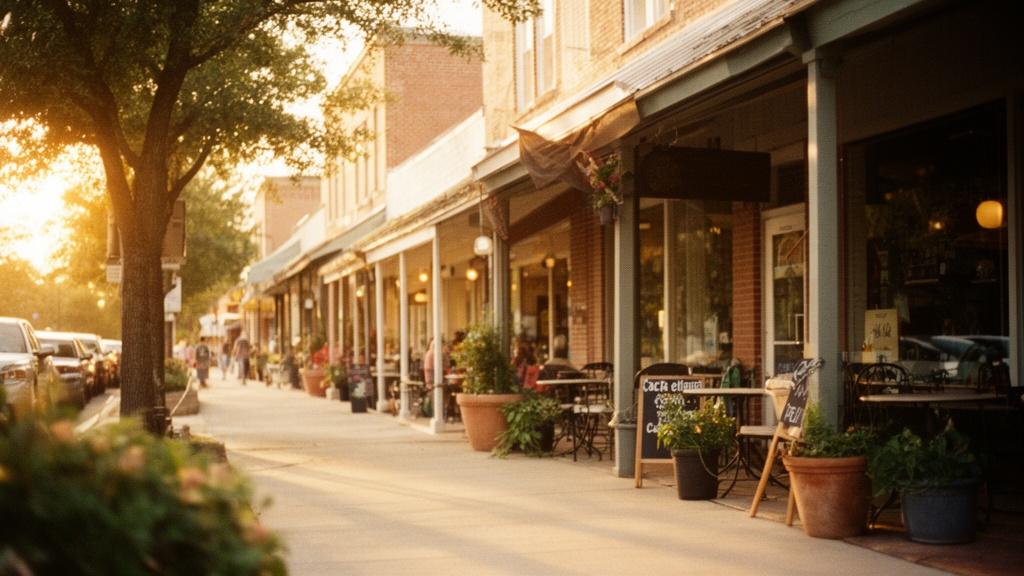
The historic downtown has a genuine character that newer suburban developments lack, with brick storefronts, a local farmers market in season, and community events tied to the county fair and the railroad. For buyers who want to understand how Yreka compares to other Northern California communities before committing, the profile at City-Data's Yreka page has detailed population, income, and cost-of-living data worth reviewing.
If you are also thinking about selling a home elsewhere as part of your move, understanding how to position your listing for the best outcome is equally important. The guide on choosing the right listing agent in Yreka walks through exactly what to look for in that process.
FAQ
How long does it take to buy a home in Yreka, California when relocating from out of state?
Most out-of-state buyers complete the purchase process in four to six months from the time they begin seriously searching, though the timeline depends heavily on how quickly a suitable home comes to market. Yreka has a small inventory, so buyers who are flexible on property type and condition tend to close faster than those with a narrow set of requirements. The escrow period itself is typically 30 to 45 days once an offer is accepted. Getting pre-approved by a California-licensed lender before you start touring homes is the single most effective way to compress the timeline, because it lets you move quickly when the right property appears. Working with a local agent who gets notified of new listings immediately is equally important in a market this size.
What is the cost of living like in Yreka, CA compared to other California cities?
Yreka's overall cost of living is substantially lower than California's coastal metros and meaningfully lower than Sacramento or Redding. Housing is the primary driver of that difference: a home that would cost $700,000 or more in the Bay Area can be purchased in Yreka for $300,000 to $400,000. Groceries, gas, and services are broadly comparable to other small Northern California cities, though some specialty items require driving to Redding or ordering online. Property taxes follow California's Proposition 13 framework, so your assessed value is set at purchase and increases are capped at two percent per year as long as you own the home. The main cost surprises for new residents tend to be homeowner's insurance premiums due to wildfire risk and heating costs during Yreka's cold winters.
Do I need to visit Yreka in person before buying, or can I purchase remotely?
Remote purchases are legally possible and have become more common since 2020, but for a relocation to a small city like Yreka, at least one in-person visit before making an offer is strongly advisable. The city's scale, the difference between neighborhoods, the condition of older housing stock, and the surrounding landscape are all things that are difficult to evaluate accurately through photos and video alone. A visit also lets you test the commute, check cell and internet service at specific addresses, and get a feel for the pace of the community. If a truly remote purchase is necessary, your agent can do a detailed live video walkthrough and coordinate local inspectors who will document everything thoroughly. Julie Kuck-Lemos, Broker/Owner of Siskiyou Realty Group Inc, has experience guiding out-of-area buyers through the process and can help structure a purchase that protects you even if you cannot be there in person for every step.