← Back to Blog
Market Trends
Spokane, Washington Real Estate Market Guide: Prices, Neighborhoods and Timing for 2026
By Julie Herrmann, REALTOR® | Mortgage Broker
Kelly Right Real Estate, LLC · NMLS# 1563583
September 28, 2026 · 10 min read
If you are trying to understand the Spokane, Washington real estate market in September 2026, you are in the right place. This guide covers current home prices, what is happening in key Spokane neighborhoods, and how to think about timing whether you are buying, selling, or relocating. Every number and detail here is specific to Spokane so you can make a confident, informed decision.
1. Where Spokane Home Prices Stand Right Now
Spokane home prices in September 2026 are holding firm after a period of gradual appreciation. The median sale price for a single-family home in the city of Spokane sits at approximately $345,000 to $360,000 this month, depending on the neighborhood and condition of the property. That figure represents modest year-over-year growth from the $320,000 to $335,000 range seen in September 2025, a gain of roughly 6 to 8 percent.
Median Price and Price-Per-Square-Foot
Price per square foot currently runs between $195 and $230 across most of Spokane proper, with the higher end of that range concentrated in walkable, established neighborhoods close to Manito Park, the South Hill bluff, and the Riverside corridor. Condos and townhomes closer to downtown are trading in a tighter band around $215 to $250 per square foot. Entry-level detached homes, particularly in north Spokane neighborhoods like Hillyard and Whitman, can still be found in the $230,000 to $270,000 range, which continues to attract buyers who need to keep monthly payments manageable.
For broader regional context, Norada Real Estate's Spokane housing market analysis tracks Spokane's appreciation trajectory against Pacific Northwest benchmarks and shows the metro has consistently outpaced many larger Washington cities on affordability relative to income, a pattern that continues into 2026.
How Inventory Is Shaping Prices
Active listings in Spokane County are running at approximately 1,200 to 1,500 units this month, which is meaningfully higher than the sub-800 levels seen in 2022 but still well below the 2,500-plus inventory that defined a fully balanced market in the pre-pandemic period. That supply gap is the primary reason prices have not softened more despite higher mortgage rates. Sellers who price accurately are still moving homes; overpriced listings are sitting.
Price Trends Compared to a Year Ago
Year-over-year appreciation has moderated from the double-digit pace of 2021 and 2022, but Spokane has avoided the price corrections that hit some larger coastal markets. The practical takeaway: buyers who waited for a significant price drop have largely not seen one, and sellers who held out for 2021-style bidding wars are adjusting expectations to a more measured pace of offers.
2. Spokane Neighborhoods: What the Housing Stock Actually Looks Like
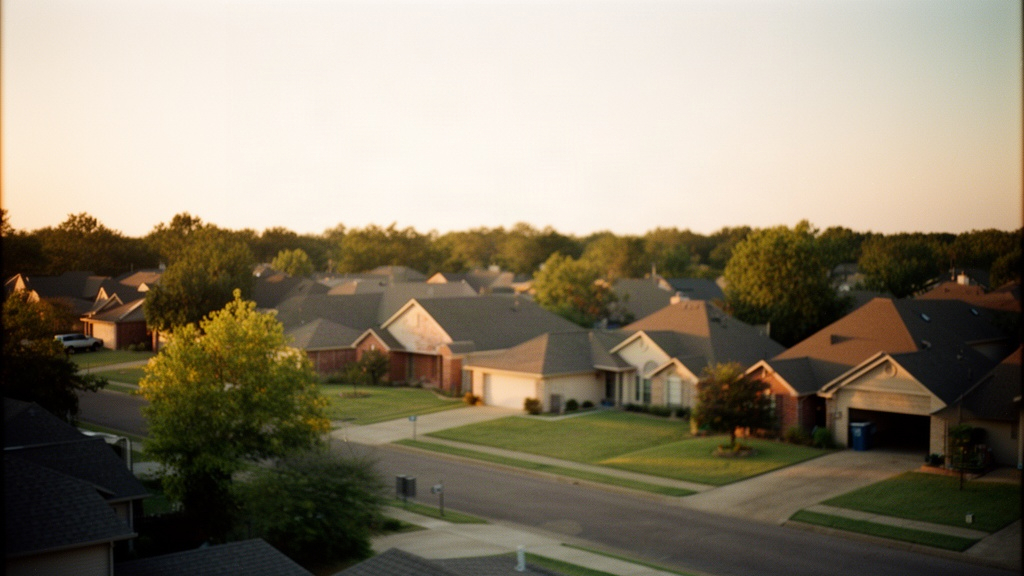
Spokane's neighborhoods vary considerably in architecture, lot size, price point, and proximity to the city's major corridors. Understanding those differences is essential before making any offer, because a home priced at $380,000 in one part of the city can look very different from a $380,000 home three miles away. Here is a factual breakdown of what you will find in the most active parts of the Spokane market right now.
South Hill and the Comstock Area
South Hill is one of Spokane's most established residential areas, stretching south from downtown toward the Palouse Highway corridor. Homes here range from 1920s bungalows and Craftsman-style houses near Manito Park to larger mid-century ranches and newer construction on larger lots further south. Median prices on South Hill currently run from $380,000 to $480,000 for a three-bedroom detached home, with premium properties along the bluff or near Comstock Park pushing well past $500,000. Lot sizes tend to be generous, commonly 7,000 to 12,000 square feet, and many homes retain original hardwood floors, covered porches, and mature landscaping.
For a detailed breakdown of South Hill pricing and what drives value in that specific market, the South Hill real estate market guide on this site goes deeper on the neighborhood's individual pockets.
North Spokane Corridor
The north side of Spokane, anchored by the Division Street and Nevada Street corridors, offers a wide range of housing types at generally lower price points than the South Hill. Neighborhoods like Audubon Park, Indian Trail, and Whitman contain a mix of post-war ranch homes, split-levels, and newer infill construction. Median prices in north Spokane run from roughly $290,000 to $380,000 for a three-bedroom home, with Indian Trail and the areas near Wandermere Golf Course trending toward the upper end of that range. Lot sizes are typically 6,000 to 9,000 square feet, and many homes were built between 1955 and 1985, which means buyers should budget for updates to roofing, HVAC, and electrical systems in older stock.
West Side Neighborhoods: Browne's Addition and Peaceful Valley
Browne's Addition sits immediately west of downtown Spokane and is one of the city's oldest residential districts, featuring Victorian-era homes, Queen Anne architecture, and brick apartment buildings dating to the early 1900s. Single-family homes here are relatively scarce and command prices from $350,000 to $550,000 depending on condition and square footage. The neighborhood borders Coeur d'Alene Park and sits within walking distance of the Monroe Street Bridge and the Riverside Avenue dining corridor. Peaceful Valley, tucked along the Spokane River just below the bluff, has smaller lots and cottages that often trade between $280,000 and $380,000.
If you are weighing Browne's Addition against the nearby Perry District, the Browne's Addition vs. Perry District comparison guide walks through the architectural differences, price gaps, and commute considerations between the two.
Spokane Valley and the East Side
Spokane Valley is a separate incorporated city east of Spokane proper, but it functions as part of the same metro housing market. Homes here skew toward 1960s through 1990s ranch-style construction on larger lots, commonly 8,000 to 15,000 square feet, with newer subdivisions in areas like Greenacres and Liberty Lake pushing median prices toward $400,000 to $460,000. The older core of Spokane Valley along Sprague Avenue offers more affordable stock in the $260,000 to $320,000 range. Commute times from Spokane Valley to downtown Spokane run approximately 20 to 35 minutes depending on the route and time of day.
3. Market Conditions: Buyer's Market, Seller's Market, or Something In Between
Spokane's market in September 2026 is best described as a mild seller's market, though conditions vary significantly by price point and neighborhood. Homes priced under $350,000 continue to see multiple offers within the first week. Homes priced above $500,000 are sitting longer and giving buyers more room to negotiate on price, contingencies, and closing timelines.
Days on Market and Absorption Rate
The median days on market for Spokane County homes is currently running at 18 to 25 days, up from the 7 to 12-day pace of 2022 but still reflecting active demand. The absorption rate, which measures how quickly available homes are being purchased, sits at roughly 2.0 to 2.5 months of supply. A balanced market is generally considered 4 to 6 months of supply, so Spokane remains tilted toward sellers, though not dramatically so.
Mortgage Rate Environment in September 2026
Thirty-year fixed mortgage rates are currently in the 6.2 to 6.8 percent range nationally, with well-qualified Spokane buyers securing rates at the lower end of that band. That rate environment has kept some move-up buyers on the sidelines, particularly homeowners who locked in sub-3 percent rates in 2020 and 2021 and are reluctant to trade up. That hesitation is one reason inventory remains constrained even as demand has moderated from its peak.
What Sellers Are Actually Accepting
The list-to-sale price ratio in Spokane currently sits around 98 to 99 percent for well-priced homes, meaning buyers are not routinely winning large discounts off asking price but are also not being forced into significant overbids the way they were in 2021 and 2022. Seller concessions, including contributions toward closing costs and rate buydowns, are more common now than they were two years ago, particularly for homes that have been on the market longer than 30 days.
If you want to understand what closing costs look like from the buyer's side in this market, the Spokane buyer's closing costs guide breaks down every line item you should expect to see on a settlement statement.
4. Timing Your Move in Spokane's 2026 Market
Timing matters in Spokane because the market follows a fairly predictable seasonal rhythm, even if the amplitude of that rhythm has compressed in recent years. Understanding where we are in that cycle right now, in September 2026, helps both buyers and sellers set realistic expectations for the next 60 to 120 days.
Best Windows for Buyers This Year
September through November is historically one of the more favorable periods for buyers in Spokane. Listings that did not sell over the summer often see price reductions in the fall, and seller motivation tends to increase as the holiday season approaches. Competition from other buyers also thins out compared to the March through June peak season. Buyers who are ready to move now, with financing in place and a clear sense of what they want, are in a reasonable position to negotiate.
For a detailed look at how fall compares to spring as a buying window in Spokane, the article on fall versus spring 2027 timing covers the tradeoffs in depth, including what typically happens to inventory and prices between October and March.
Best Windows for Sellers This Year
Sellers who list in September and early October in Spokane typically benefit from buyers who are motivated to close before the holidays and before winter weather complicates moves. Homes that are priced correctly and in good condition are still moving quickly. Sellers who wait until January or February will face a slower market with fewer active buyers, though the spring surge that begins in March tends to bring competition back. The key variable for sellers right now is pricing: the homes sitting on the market for 45 or more days in Spokane are almost universally overpriced relative to recent comparable sales.
Relocation Timelines and What to Plan For
Buyers relocating to Spokane from out of state should plan for a 45 to 75-day timeline from accepted offer to close, accounting for inspection periods, appraisal scheduling, and lender processing. Spokane's market does not move as fast as Seattle or Portland at their peak, which gives relocating buyers a bit more breathing room, but well-priced homes under $375,000 can still go under contract within days. If you are moving from a higher-cost metro, your purchasing power in Spokane will likely feel significantly greater than what you are used to.
5. Frequently Overlooked Costs and Considerations in Spokane
Beyond the purchase price, Spokane buyers and sellers regularly encounter costs and decisions that catch them off guard. This section addresses the ones that come up most often in transactions across the Spokane market right now.
Property Taxes and HOA Fees
Spokane County property taxes are assessed at approximately 1.0 to 1.3 percent of assessed value annually, which on a $360,000 home translates to roughly $3,600 to $4,680 per year, or $300 to $390 per month added to your housing cost. Washington State does not have a personal income tax, which affects how many buyers from income-tax states recalibrate their total cost of living when moving here. HOA fees in Spokane vary widely: planned communities in Liberty Lake and parts of the South Hill can run $150 to $400 per month, while most older in-city neighborhoods have no HOA at all.
New Construction vs. Resale Tradeoffs
New construction in Spokane is concentrated in the north side, the Mead area, Liberty Lake, and portions of the South Hill near the Palouse Highway. Entry-level new construction starts around $380,000 to $420,000 for a 1,500 to 1,800 square foot home, and builders are currently offering incentives including rate buydowns and appliance packages to move inventory. Resale homes in established neighborhoods often come with mature landscaping, larger lots, and proximity to parks and walkable corridors that new subdivisions on the urban fringe cannot replicate. The right choice depends on your priorities around commute distance, lot size, and tolerance for updating an older home.
Working With a Local Expert
Spokane's neighborhoods are distinct enough that generic market data often misses the price variation between blocks, let alone between districts. An agent who works specifically in Spokane and knows the difference between a South Hill Craftsman that needs a full electrical update versus one that was rewired in 2018 can save you tens of thousands of dollars on a purchase or prevent a listing from sitting. Julie Herrmann of Kelly Right Real Estate, LLC works across the Spokane market and brings that kind of neighborhood-level knowledge to every transaction.
For buyers considering investment properties in addition to a primary residence, the Spokane investment property guide covers rental demand, cap rates, and what to look for in Spokane's rental housing stock.
FAQ
What is the median home price in Spokane, Washington right now?
As of September 2026, the median sale price for a single-family home in Spokane sits between approximately $345,000 and $360,000, depending on neighborhood and property condition. That represents year-over-year growth of roughly 6 to 8 percent compared to September 2025. Entry-level homes in north Spokane can still be found in the $230,000 to $270,000 range, while South Hill and established west-side neighborhoods push median prices closer to $400,000 to $480,000. Price per square foot across the city runs from about $195 to $230 for most detached homes.
Is Spokane currently a buyer's market or a seller's market?
Spokane in September 2026 is a mild seller's market, with roughly 2.0 to 2.5 months of housing supply available compared to the 4 to 6 months that defines a balanced market. Homes priced under $350,000 are seeing the most competition and tend to go under contract within one to two weeks. Above $500,000, buyers have more negotiating room on price and terms. Seller concessions such as closing cost contributions and mortgage rate buydowns are more common than they were in 2021 and 2022, particularly for homes that have been listed for more than 30 days.
How do I research schools and other personal factors when evaluating Spokane neighborhoods?
School district information and other personal factors are important decisions that each buyer should research directly using objective sources. For school information, the Washington State Office of Superintendent of Public Instruction publishes school and district data at ospi.k12.wa.us, and the Spokane Public Schools and East Valley and Central Valley district websites provide enrollment and program details. For demographic information, the U.S. Census Bureau's American Community Survey provides neighborhood-level data at census.gov. Municipal and police department websites publish public safety statistics for Spokane. Julie Herrmann can help you understand the physical characteristics, price points, and commute logistics of any Spokane neighborhood so you can combine that information with your own research on the factors most important to your household.