← Back to Blog
Market Trends
Innisfail Alberta Rural Real Estate Market Guide
By Kari Flaws
Royal Lepage Network Realty
September 2, 2026 · 12 min read
Innisfail, Alberta handles rural real estate differently than most markets in Central Alberta, and understanding those differences can save buyers and sellers significant time and money. This guide covers current prices, the distinct property types across town and the surrounding countryside, what each part of the Innisfail area looks like on the ground, and how to read the seasonal timing of this market. Whether you are relocating, upsizing to acreage, or preparing to list, here is what you need to know right now.
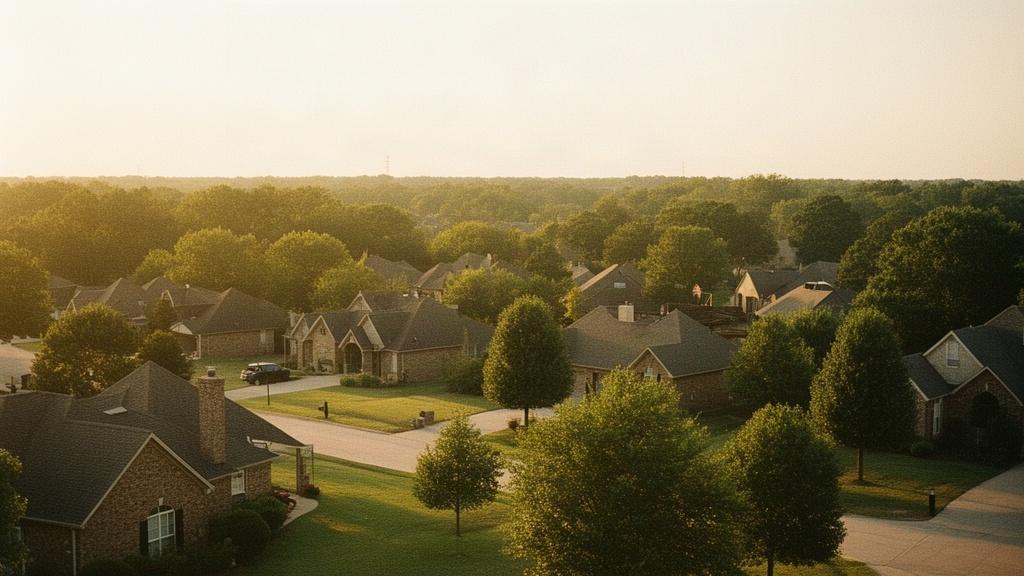
1. What Makes the Innisfail Rural Real Estate Market Distinct
Innisfail sits at a genuine crossroads of rural and urban Alberta real estate. The town itself has a population of roughly 8,000 people and sits on Highway 2, about 30 kilometres south of Red Deer and 110 kilometres north of Calgary. That location means buyers here are not choosing between city and country in the abstract; they are making a concrete decision about commute distance, land access, and the specific character of a Central Alberta small town.
A Town Surrounded by Working Land
The agricultural land surrounding Innisfail is active and productive. Red Deer County wraps around the town on all sides, and the countryside includes grain farms, cattle operations, hobby farms, and country residential acreages on parcels ranging from two acres to several quarter sections. The Innisfail Research Centre, operated by the Alberta government just north of town, is a visible reminder of how deeply tied this community is to agricultural land use and innovation.
The Red Deer River valley cuts through the region east of town, and several rural properties in that corridor sit on or near the river, offering a different landscape than the open plains to the west. Buyers looking at acreages should understand that terrain, well water, and septic systems vary considerably depending on which direction from town a property sits.
Property Types You Will Encounter
In-town Innisfail listings include bungalows and two-storey homes built between the 1940s and the 2010s, manufactured homes on owned lots, and a smaller number of newer infill builds. Outside town, the market splits into country residential lots (typically two to ten acres with a home or ready to build), hobby farms with outbuildings and small livestock operations, and larger agricultural parcels that may include grain bins, shops, and multiple structures.
Each property type carries different due diligence requirements. Rural properties require well water testing, septic inspection, surface rights review if there are oil and gas leases on the land, and in some cases an agricultural land use review. Buyers new to rural Alberta real estate often underestimate how much these factors affect both the purchase process and the ongoing cost of ownership.
2. Current Prices in the Innisfail, Alberta Real Estate Market
Prices in Innisfail remain meaningfully lower than Red Deer and dramatically lower than Calgary, which is one of the primary reasons buyers relocating from larger centres find this market appealing. As of September 2026, in-town residential properties and rural acreages each occupy a distinct price band, and understanding both helps buyers set realistic budgets.
In-Town Residential Prices
Detached homes in Innisfail currently range from approximately $200,000 for older bungalows needing updates to around $450,000 for newer or substantially renovated two-storey homes with double attached garages. The bulk of in-town inventory sits in the $260,000 to $370,000 range, which places Innisfail well below the Red Deer median and makes it one of the more accessible entry points for buyers in Central Alberta.
Manufactured homes on owned lots in town can be found from $120,000 to $200,000 depending on age, condition, and lot size. These properties attract buyers looking for lower carrying costs, though financing terms and insurance considerations differ from site-built homes, so buyers should confirm lender requirements early in the process.
Acreage and Rural Property Prices
Country residential acreages within roughly 15 kilometres of Innisfail currently list from about $400,000 for a two-to-four-acre parcel with an older home to $750,000 or more for properties with newer construction, large shops, horse facilities, or river valley views. Bare land acreage lots, where a buyer would build from scratch, range from approximately $100,000 to $250,000 depending on size, services, and proximity to pavement.
Larger agricultural quarter sections in Red Deer County near Innisfail have been trading in the $800,000 to $1.5 million range depending on soil class, improvements, and whether the land is currently cultivated or in pasture. These are specialized transactions that require a working knowledge of agricultural land valuations, lease agreements, and often involve conversations with the Farm Credit Canada lending programs.
What Drives Price Differences
Within the Innisfail rural real estate market, four factors consistently separate properties at the lower end of a price range from those at the top: the age and condition of the well and septic system, the size and quality of any shop or outbuilding, road access (paved versus gravel, and whether the approach is maintained by the county or the owner), and the presence or absence of natural gas versus propane heat.
For in-town homes, the biggest price drivers are garage configuration (single detached versus double attached), basement development, and the decade of construction. Homes built in the 1990s and early 2000s in Innisfail tend to offer larger lots than newer infill properties, which is a trade-off buyers weigh differently depending on whether they want yard space or lower maintenance.
For a broader look at how Central Alberta's market has been performing heading into this period, the Central Alberta Real Estate Market Update for Early 2026 provides useful regional context on inventory levels and price trends that apply to the Innisfail area.
3. Neighborhoods and Areas: What Each Part of Innisfail Looks Like
Innisfail's in-town areas each have a distinct physical character shaped by when they were built and what lots are available. Buyers should walk or drive these areas in person rather than relying on aerial maps, because the street-level experience of lot size, tree cover, alley access, and proximity to the commercial core varies considerably across just a few blocks.
Established In-Town Areas
The older parts of Innisfail, particularly the blocks surrounding 50th Street and the downtown commercial strip along 42nd Avenue, contain homes built from the 1940s through the 1970s. These properties typically sit on larger lots, often 50 by 120 feet or more, with mature trees and back alleys. Many have been updated over the decades, though buyers will find a mix of renovated and original-condition homes on the same block.
The Innisfail Museum, the Aquatic Centre on 40th Avenue, and the Doris Robins Park along the creek are all within walking distance of these older residential areas. Buyers who want to be close to town amenities on foot will find the older core gives them that option in a way the newer edges of town do not.
Newer Subdivisions
Innisfail's growth in the 1990s through the 2010s pushed development north and west of the older core. Areas like Hazelwood Estates and the streets off 70th Street to the north feature homes built on tighter lots, typically 40 by 110 feet, with attached garages, open-concept layouts, and newer mechanical systems. These properties appeal to buyers who want lower maintenance and more predictable repair timelines.
The Innisfail Golf Club sits on the western edge of town, and several streets near it back onto open space or have views across the course. Proximity to the golf course does not dramatically inflate prices in this market the way it might in a larger city, but it does give those streets a quieter feel at their edges.
Rural Acreages and Country Residential Lots
The countryside around Innisfail is divided into several distinct zones by Red Deer County zoning. Country residential subdivisions, where parcels are typically two to ten acres with registered road access and sometimes shared well agreements, are clustered in areas like Springbrook to the southeast and along the range roads west of town toward the foothills. These differ from bare agricultural land in that they are already subdivided and serviced to a basic level.
Properties closer to the Red Deer River, particularly east of town along Township Road 370 and 374, often have river valley access and more dramatic topography. These parcels tend to carry higher prices and require buyers to understand flood mapping, bank stability, and county setback requirements before making an offer.
For buyers weighing which part of the Innisfail area fits their goals, Kari Flaws at Royal Lepage Network Realty has deep working knowledge of both the in-town streets and the rural range roads. She can walk you through what each area looks like on the ground and what the due diligence process involves for each property type. You can also read more about what to look for in a local agent in the article Who Are the Top-Rated Real Estate Agents in Innisfail, Alberta? What to Know Before You Search.
4. Timing the Innisfail Real Estate Market
Timing matters in any real estate market, but rural markets like Innisfail have seasonal rhythms that are more pronounced than urban centres. Understanding those rhythms helps buyers plan their search and helps sellers choose when to list for maximum exposure.
Seasonal Patterns in Central Alberta
The Innisfail market follows a Central Alberta seasonal pattern: listing activity picks up in March and April as the ground thaws and sellers prepare for spring, peaks through May and June, slows noticeably in July and August as people travel, then sees a secondary burst of activity in September and October before winter quiets things down. January and February are the slowest months for new listings and buyer activity alike.
For in-town homes, the spring window is the most competitive for buyers. Multiple offers on well-priced properties in the $280,000 to $360,000 range have occurred during spring peaks in recent years, though the market has not reached the frenzy levels seen in larger Alberta cities. Sellers who list in April or May typically see more showings per week than those who list in November.
When Acreage Buyers Are Most Active
Rural and acreage buyers in the Innisfail area have a different seasonal pattern than in-town buyers. Many acreage buyers want to see a property in summer conditions, when they can assess the drainage, the condition of the yard and outbuildings, and whether the well produces adequately during peak use. This pushes acreage buyer activity toward May through August.
Sellers of rural properties who list in late April or early May capture buyers who want to complete a purchase and move before school starts in September. Sellers who list after Labour Day are still able to attract serious buyers, but the pool is smaller and those buyers are often more deliberate and price-sensitive heading into winter.
What September 2026 Looks Like Right Now
As of September 2026, the Innisfail market is in its post-summer transition. Inventory that did not sell through July and August is still available, and some of those properties have seen price adjustments. This creates a window for buyers who were priced out or outcompeted during the spring. Sellers listing now face less competition from other new listings than they would have in May, but they should price accurately from day one because fall buyers in this market are patient and willing to wait for the right number.
Nationally, the Summer 2026 Real Estate Market analysis from NAR notes that smaller markets with affordability advantages relative to major metros have continued to attract relocation buyers through 2026, a trend visible in Innisfail as Calgary and Red Deer buyers look for more space at lower price points.
5. Practical Steps for Buyers and Sellers in Innisfail
Knowing the market is only useful if you can act on it. Here is what buyers and sellers in the Innisfail rural real estate market should actually do to move forward effectively.
For Buyers: How to Approach This Market
Get pre-approved before you start viewing properties, and make sure your lender has experience with rural and acreage properties if that is what you are targeting. Not all lenders treat country residential and agricultural parcels the same way, and some have restrictions on minimum acreage, well and septic requirements, or outbuilding square footage that can affect approval.
Build in time for rural due diligence. A well water test typically takes five to seven business days to return results from an Alberta-certified lab. A septic inspection requires a qualified inspector who may not be available on short notice. Surface rights searches through the Alberta Energy Regulator can reveal oil and gas leases or pipeline right-of-ways that affect how you use the land. None of these are reasons to avoid rural properties, but they require a longer conditional period than a standard in-town purchase.
If you are relocating from a larger city, drive the commute to Red Deer or Calgary at the time of day you would actually be travelling. Highway 2 between Innisfail and Red Deer is a 25-to-30-minute drive under normal conditions, but winter driving and construction seasons can extend that. Rural properties west of town add range road driving time on top of the highway portion.
You can read more about working with a local buyer's agent in the article Best Realtor in Innisfail Alberta for First Home Buyers, which covers what to look for when choosing representation in this specific market.
For Sellers: Preparing a Rural or In-Town Property
Pricing accurately from the start is the single most important thing a seller in Innisfail can do. This market has enough active buyers to reward a well-priced listing with quick action, but it also has enough inventory that an overpriced property will sit. Days on market is visible to every buyer and their agent, and a listing that has been sitting for 60 or 90 days invites lower offers.
For rural properties, gather your documents before you list. Have a current real property report, your well records and any existing water test results, your septic maintenance records, and your utility bills for at least one full year. Buyers and their agents will ask for all of these, and having them ready shortens the conditional period and signals that you have maintained the property properly.
Photography matters more in rural listings than many sellers expect. A property on five acres with a shop and a pond needs aerial photography to show what it actually is. Ground-level photos alone cannot communicate the layout of a rural property the way they can for a standard in-town home. Budget for professional photography including drone images if your property has any significant land features.
Sellers looking for guidance on what the listing process involves in this market can find detailed information in the article What Should I Look for When Choosing a Realtor to Sell My Home in Innisfail, Alberta, which covers the specific questions to ask before signing a listing agreement.
FAQ
What is the typical price range for acreage properties near Innisfail, Alberta right now?
As of September 2026, country residential acreages within 15 kilometres of Innisfail are generally listed between $400,000 and $750,000 depending on lot size, home condition, outbuildings, and proximity to pavement. Bare land acreage lots without a home range from roughly $100,000 to $250,000. Larger agricultural quarter sections in Red Deer County near Innisfail have been trading from $800,000 to $1.5 million depending on soil class and improvements. These ranges shift based on specific features, so a comparative market analysis from a local agent is the most reliable way to assess any individual property.
Is it harder to get a mortgage for a rural property in Innisfail than for an in-town home?
Rural and acreage properties in Innisfail can involve additional lender requirements compared to standard in-town homes. Many lenders have policies around minimum acreage thresholds, well and septic system condition, and the presence of large outbuildings that could affect the property's classification. Agricultural properties with significant farming operations may require specialized agricultural lending programs such as those offered through Farm Credit Canada. Buyers should speak to their lender or mortgage broker specifically about the property type they are targeting before making an offer, and should allow for a longer conditional period to complete the required inspections and water testing.
When is the best time of year to list a home or acreage in Innisfail?
For in-town homes, the spring window from late March through June typically produces the highest buyer activity and the most competitive conditions. For rural acreages, the peak buyer window runs from May through August, as buyers want to assess drainage, yard condition, and well performance during warmer months. Sellers who list in September, as is the case right now in 2026, face less competition from other new listings but should price accurately from the start because fall buyers in this market tend to be patient and deliberate. Winter listings are possible but generally attract a smaller buyer pool, with the exception of buyers who are highly motivated by relocation timelines.