← Back to Blog
Local Living
What Is the Difference Between Living in Lafayette Versus West Lafayette Indiana
By Karina Hernandez
Trueblood Real Estate
September 24, 2026 · 12 min read
If you are trying to decide between Lafayette and West Lafayette Indiana, you are not alone. People relocating to Tippecanoe County ask this question constantly, and the answer involves real differences in home prices, property taxes, housing stock, and what daily life actually looks like on each side of the Wabash River. This guide breaks down everything side by side so you can make an informed decision.
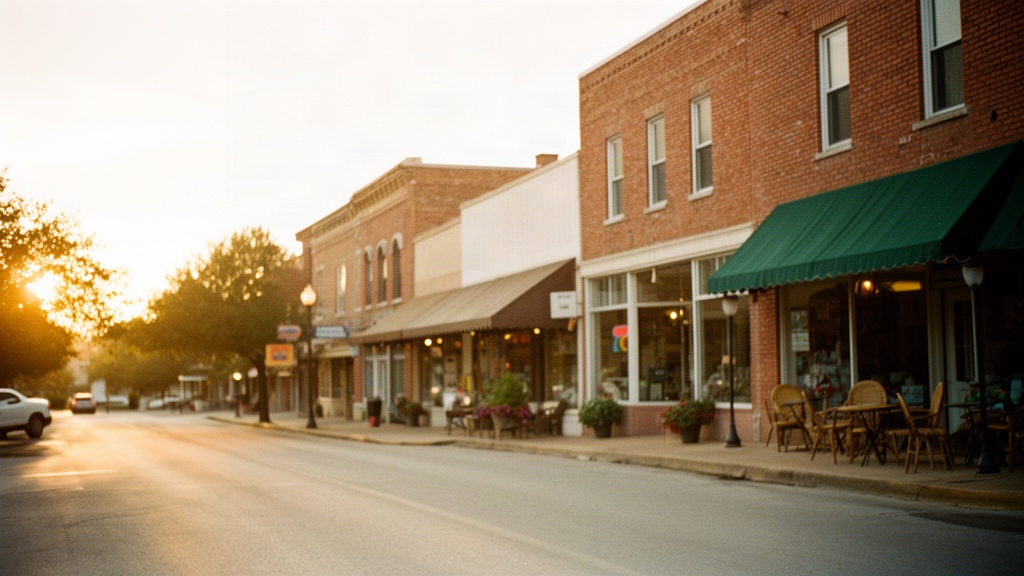
1. Two Cities, One Metro: Understanding the Basic Geography
Lafayette and West Lafayette are two separate incorporated cities in Tippecanoe County, Indiana. They share a county, a metro area, and a lot of daily life, but they have separate city governments, separate tax rates, separate school districts, and distinctly different housing markets. Understanding that distinction is the starting point for any relocation decision.
How the Two Cities Are Physically Arranged
Lafayette sits on the eastern bank of the Wabash River and is the larger of the two cities by both land area and population, with roughly 75,000 to 80,000 residents. West Lafayette occupies the western bank and has a population closer to 45,000 to 50,000. The two downtowns are less than two miles apart by road, and most residents cross the river several times a week for work, dining, or errands.
The Wabash River as a Dividing Line
The Wabash River is more than a geographic boundary; it marks a real shift in housing density, street layout, and community character. West Lafayette is more compact and grid-like near Purdue University, with streets that feed directly into campus. Lafayette spreads out more, with a broader mix of commercial corridors, older residential streets, and newer suburban subdivisions on its north and south ends. Bridges on State Road 26, State Road 25, and US 52 connect the two cities in under five minutes by car.
2. Home Prices and Housing Stock: Lafayette vs West Lafayette
West Lafayette carries a meaningful price premium over Lafayette across almost every housing category. As of September 2026, the median home sale price in West Lafayette sits in the range of $290,000 to $330,000, while Lafayette's median hovers closer to $210,000 to $240,000. That gap reflects proximity to Purdue University, higher land values near campus, and sustained demand from faculty, staff, and buyers who want a shorter walk or bike ride to campus.
What You Can Buy in Lafayette for Your Budget
In Lafayette, a budget of $200,000 to $250,000 can reach a three-bedroom, two-bathroom home on a standard city lot, often with a two-car garage. Neighborhoods like Happy Hollow and the streets surrounding downtown Lafayette offer Craftsman bungalows and two-story American Foursquares from the early 1900s, many of which have been updated but still carry original woodwork and plaster ceilings. The north side of Lafayette, near Creasy Lane and the Hazel Dell Road corridor, has newer ranch-style and two-story homes built between the 1980s and 2010s, typically on lots of 7,000 to 12,000 square feet.
For buyers looking at new construction, Lafayette is where most of the active subdivision development in the metro is happening right now. You can find brand-new homes in the $250,000 to $350,000 range in several subdivisions on the city's south and north sides. If new construction is on your radar, the article on new housing developments and subdivisions in Lafayette Indiana in 2026 covers the specific projects currently underway.
What You Can Buy in West Lafayette for Your Budget
In West Lafayette, $250,000 to $300,000 typically gets you a smaller footprint than the same money would in Lafayette. You might find a two-bedroom condo near campus, a 1960s ranch on a narrow lot in the Wabash Landing area, or a three-bedroom home in the Lindberg Road corridor that needs cosmetic updating. Above $350,000, the inventory opens up considerably, with larger homes in the Soldiers Home area, near Happy Hollow Road on the West Lafayette side, and in subdivisions along Lindberg Road and Yeager Road that offer newer construction and larger lots.
Condos and townhomes are a more prominent part of the West Lafayette housing mix than they are in Lafayette. If that format interests you, the guide on buying a condo in Lafayette Indiana explains what to look for in both markets.
3. Property Taxes, City Services, and Cost of Living
Property taxes in Tippecanoe County are set at the county level but vary by city because each municipality levies its own additional rate on top of the county base. West Lafayette's effective property tax rate has historically run slightly higher than Lafayette's, in part because the city funds its own parks department, utility infrastructure, and city services independently. On a $300,000 home, the difference can amount to several hundred dollars per year, though the exact figure depends on the assessed value and any applicable deductions. The Indiana Department of Local Government Finance publishes current rates by taxing district and is the most reliable source to check before you close on a home.
How Tax Rates Compare
Both cities benefit from Indiana's homestead exemption, which reduces the assessed value used to calculate your bill if the home is your primary residence. In practical terms, a homeowner in Lafayette paying taxes on a $220,000 assessed value and a homeowner in West Lafayette paying on a $300,000 assessed value may end up with annual tax bills that are closer together than the raw rate difference suggests. Still, the higher purchase prices in West Lafayette mean the dollar amount of annual taxes tends to be higher in absolute terms.
Utilities and City Infrastructure
Both cities are served by Duke Energy for electricity and Centerpoint Energy for natural gas. Water and sewer billing differs because each city operates its own utility department. West Lafayette Utilities and the City of Lafayette's utility billing office each set their own rate schedules, so monthly water and sewer costs can vary by address. The difference is generally modest, but it is worth requesting a utility history from the seller when you are under contract on a home in either city.
4. Neighborhoods, Architecture, and Lot Sizes
The built environment on each side of the river tells a different story about when and how each city grew. Lafayette's older core developed as a commercial and manufacturing hub in the late 1800s and early 1900s, which is why you find dense blocks of Victorian-era homes, Craftsman bungalows, and brick two-flats within a mile of downtown. West Lafayette developed more intentionally around Purdue, which was founded in 1869, and its residential fabric near campus reflects mid-century construction with ranch homes, split-levels, and small Cape Cods built for faculty and university staff.
Lafayette Neighborhoods and Housing Styles
Downtown Lafayette and the streets immediately surrounding it, including the Happy Hollow area, contain some of the most architecturally distinctive housing in the county. Homes here sit on lots of 4,000 to 7,000 square feet with mature trees and alleys behind the properties. The south side of Lafayette, near South Street and the Columbian Park area, offers similar vintage housing stock with slightly larger lots. Moving north along the US 52 corridor or east toward Creasy Lane, the homes transition to postwar ranches, 1970s colonials, and newer two-story builds on lots that can reach a quarter acre or more.
Columbian Park, located on the south side of Lafayette along the Wabash, is one of the city's most prominent green spaces, featuring a zoo, a pool, walking paths, and a small lake. Homes within a few blocks of the park command a modest premium and tend to turn over less frequently than homes in other parts of the city.
West Lafayette Neighborhoods and Housing Styles
West Lafayette's residential neighborhoods closest to Purdue, such as the blocks around Salisbury Street and Northwestern Avenue, are dense and walkable, with small lots and homes that were built between the 1940s and 1970s. Many of these properties have been updated but retain their original footprints. Further west and north, in areas like the Lindberg Road corridor and the subdivisions near Klondike Road, the housing stock shifts to newer construction on larger lots, with homes built from the 1990s onward. These neighborhoods have a more suburban feel with wider streets, attached garages, and HOA-maintained common areas in some developments.
For a deeper look at how Purdue shapes the West Lafayette real estate market specifically, the guide on the Purdue University real estate market covers pricing patterns, rental demand, and timing considerations tied to the academic calendar.
5. Commute, Walkability, and Getting Around
Both cities are car-dependent for most daily errands, but West Lafayette offers a walkability advantage for anyone whose daily destination is Purdue's campus. If you work or study on campus and live within a mile of it in West Lafayette, you can reasonably walk or bike to work year-round. Lafayette requires a car or the CityBus system for most trips, including the cross-river commute to Purdue.
Driving and Parking in Each City
Traffic in the greater Lafayette area is light compared to Indianapolis, which is roughly 65 miles south on I-65. A typical cross-town drive within Lafayette takes 10 to 15 minutes. Crossing from Lafayette to West Lafayette via the State Street bridge or the Veterans Memorial Bridge adds 5 to 10 minutes during peak hours, with the heaviest congestion occurring on weekday mornings and afternoons near the Purdue campus area. Parking is generally available in residential neighborhoods in both cities, though street parking near Purdue's campus in West Lafayette is more competitive.
Biking, Transit, and Walkability
CityBus serves both Lafayette and West Lafayette with fixed routes that connect the two downtowns, the Tippecanoe Mall, and Purdue's campus. Rides are free for Purdue students with a valid ID, which reduces car traffic in West Lafayette during the academic year. The Wabash Heritage Trail runs along the river and connects the two cities by foot or bike, covering roughly 35 miles of paved path through Tippecanoe County. For anyone who wants to commute by bike between the cities, the trail and the dedicated bike lanes on State Street make it a practical option in warmer months.
6. Parks, Amenities, and Daily Errands
Both cities have strong parks systems and access to the same regional retail, but the character of their amenities differs in meaningful ways. Lafayette's amenities tend to be spread across a larger geographic footprint, while West Lafayette's are concentrated in a denser area around campus and the Wabash River corridor.
Green Space and Recreation
Lafayette's park system includes Columbian Park, which covers about 140 acres along the Wabash and includes the Lafayette Amphitheater, a free zoo, a spray park, and boat launch access. Clegg Botanical Gardens, located on the northeast side of the county near the Wildcat Creek, is a 16-acre natural area with footbridges and native plantings. West Lafayette's Celery Bog Nature Area is one of the most visited natural spaces in the county, covering over 100 acres of wetland, prairie, and woodland with a 1.5-mile loop trail and a nature center operated by the city.
Shopping, Dining, and Services
The Tippecanoe Mall, located on the east side of Lafayette along US 52, is the primary regional shopping destination and includes anchor stores, a food court, and surrounding big-box retail. Downtown Lafayette has seen consistent investment in its restaurant and retail scene, with independent restaurants, breweries, and coffee shops concentrated along Main Street and the blocks around the Courthouse Square. Downtown West Lafayette, anchored by the Wabash Landing development along the river, offers additional dining and retail options that draw residents from both sides of the river. Grocery options are well distributed across both cities, with Meijer, Kroger, and Aldi stores accessible from most residential neighborhoods.
For a broader look at what daily expenses look like across both cities, the article on the cost of living in Lafayette Indiana breaks down groceries, utilities, transportation, and housing costs in detail.
7. Schools, Purdue, and Community Character
Lafayette and West Lafayette are served by two entirely separate school districts, and this is one of the most consequential practical differences between the two cities for buyers with school-age children. Lafayette is served by the Lafayette School Corporation, while West Lafayette is served by the West Lafayette Community School Corporation. The boundaries follow city limits, so your address determines which district your children attend. For detailed boundary maps and information about each district, the Indiana Department of Education and each district's own website are the most accurate sources. The article on school districts in Lafayette Indiana and which zip codes they serve provides a zip-code-level breakdown to help you confirm which district applies to a specific address.
School Districts on Each Side
The Lafayette School Corporation operates multiple elementary schools, two middle schools, and Jefferson High School. The West Lafayette Community School Corporation is a smaller district with a single high school, West Lafayette Junior-Senior High School, serving a more compact geographic area. Because school assignment is a personal decision that depends on your household's priorities, we encourage you to visit each district's website, attend open houses, and review data published by the Indiana Department of Education before drawing any conclusions.
The Purdue Effect on West Lafayette
Purdue University is the single largest driver of West Lafayette's housing market, its population, and its community calendar. The university employs roughly 10,000 to 12,000 faculty and staff and enrolls approximately 50,000 students, a significant portion of whom live in off-campus housing in West Lafayette. This creates consistent rental demand and a buyer pool that is heavily influenced by academic hiring cycles and the start of each fall semester.
Lafayette, by contrast, has a more economically diverse employment base that includes manufacturing, healthcare, and regional retail. Subaru of Indiana Automotive, located just north of Lafayette in Lafayette's industrial corridor, is one of the largest private employers in the county and draws a workforce that spreads across both cities. Franciscan Health Lafayette and IU Health Arnett Hospital are major healthcare employers that also attract buyers to both sides of the river.
For anyone considering the investment angle of either market, the investment property guide for Lafayette Indiana covers rental demand, cap rates, and the differences between investing near campus versus in the broader Lafayette market.
If you want a broader overview of the two markets from another local perspective, this comparison of Lafayette vs West Lafayette housing offers additional context on how buyers in the area typically approach the decision.
FAQ
Is it cheaper to live in Lafayette or West Lafayette Indiana?
Lafayette is generally less expensive than West Lafayette in terms of home purchase prices. As of September 2026, the median sale price in Lafayette runs roughly $210,000 to $240,000, compared to $290,000 to $330,000 in West Lafayette. Property taxes also tend to be slightly lower in Lafayette on a dollar-for-dollar basis, though the exact difference depends on the assessed value of the specific home and any exemptions that apply. For buyers working with a set budget, Lafayette typically offers more square footage and lot size per dollar. That said, both cities are affordable compared to most major Indiana metros, and the right choice depends on your specific priorities.
What is the difference between living in Lafayette versus West Lafayette Indiana in terms of daily life?
The most noticeable day-to-day difference is proximity to Purdue University. In West Lafayette, the campus is walkable or a short bike ride from most neighborhoods near it, and the city's rhythm follows the academic calendar closely. Lafayette has a more varied daily character with a larger commercial base, more spread-out neighborhoods, and a downtown that draws residents from across the county. Both cities share the same regional shopping, hospital systems, and county services, so the practical differences are less about access to amenities and more about the pace and character of the neighborhood you choose.
Can I live in Lafayette and easily commute to Purdue or West Lafayette for work?
Yes, the commute from most Lafayette neighborhoods to Purdue's campus in West Lafayette takes 10 to 20 minutes by car depending on where you live and what time you travel. The State Street bridge and the Veterans Memorial Bridge are the primary crossing points, and traffic is generally manageable outside of peak hours near campus. CityBus also provides public transit connections between the two cities, and the Wabash Heritage Trail offers a bike commute option for warmer months. Many Purdue employees and affiliated workers choose to live in Lafayette specifically because of the lower home prices, accepting the short cross-river commute as a reasonable trade-off.