← Back to Blog
Market Trends
Good Time to Buy a House in Lafayette Indiana Now?
By Karina Hernandez
Trueblood Real Estate
August 27, 2026 · 6 min read
If you have been wondering whether right now is a good time to buy a house in Lafayette, Indiana or whether you should wait, you are not alone. It is one of the most common questions buyers are asking in 2026, and the honest answer depends on more than just interest rates or national headlines. This post breaks down what is actually happening in the Lafayette housing market right now so you can make a decision grounded in local facts.
1. What the Lafayette, Indiana Housing Market Looks Like Right Now
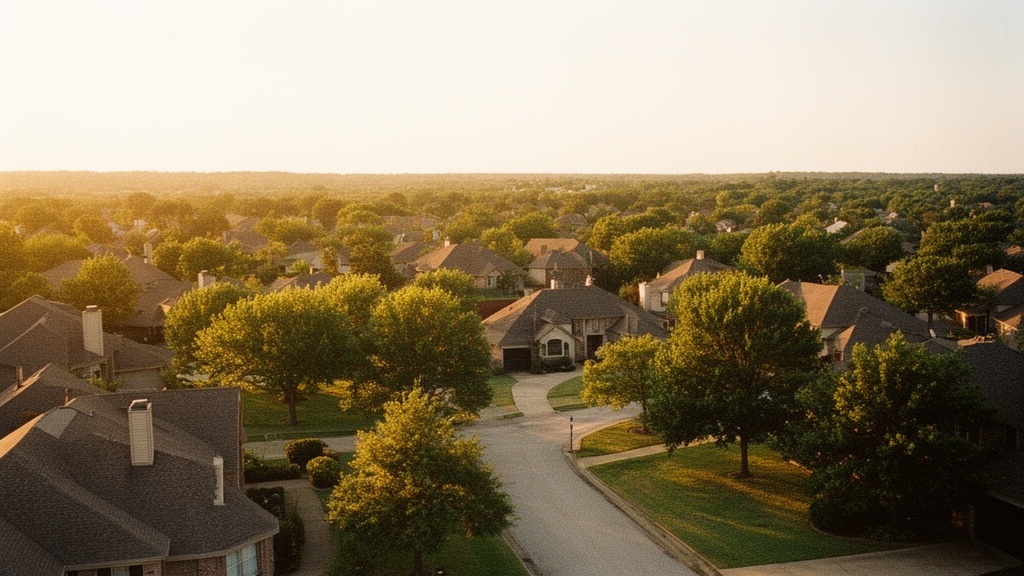
Lafayette's housing market in August 2026 is moving at a measured but competitive pace. Inventory has ticked up slightly compared to where it sat in 2025, giving buyers a few more options, but well-priced homes in established neighborhoods near downtown Lafayette, Happy Hollow, and the areas surrounding Columbian Park are still moving quickly. Median home prices in Tippecanoe County have continued to climb, though not at the sharp pace seen a few years ago.
Inventory and Price Trends
Homes in Lafayette priced in the $200,000 to $320,000 range continue to attract the most buyer activity. Entry-level properties, particularly three-bedroom ranch-style homes and older two-story colonials on the city's south and east sides, tend to receive multiple offers within the first week of listing. The upper end of the market, homes priced above $400,000 in areas like the Winding Creek or Arbor Glen subdivisions, is seeing longer days on market, which creates some negotiating room for buyers at that price point.
How Lafayette Compares to the Broader Market
Nationally, forecasters are cautiously optimistic. The National Association of Realtors has predicted home sales will increase roughly 4 percent in 2026, pointing to stabilizing mortgage rates and pent-up buyer demand as the main drivers. Lafayette benefits from that same tailwind, but with the added stability of Purdue University anchoring employment and population in the area. That institutional presence means Lafayette's market does not swing as dramatically as purely speculative markets in other parts of the country.
2. The Real Cost of Waiting to Buy in Lafayette
The instinct to wait for prices or rates to drop is understandable, but it carries a real cost that is easy to underestimate. In Lafayette, where median home values have risen steadily over the past several years, waiting six to twelve months can mean paying noticeably more for the same property, even if mortgage rates shift slightly in your favor.
What Rising Prices Mean for Your Purchasing Power
Consider a home priced at $275,000 today. If Lafayette home values appreciate even three to four percent over the next year, that same home could list closer to $285,000 or $290,000. The monthly payment difference, combined with another year of rent paid with no equity building, adds up fast. Buyers who wait hoping for a dramatic price correction in a market like Lafayette, which has consistent demand from university staff, healthcare workers at IU Health Arnett, and Subaru of Indiana Automotive employees, are often disappointed.
Renting vs. Owning in Tippecanoe County
Rental rates in Lafayette and the surrounding Tippecanoe County area have not softened meaningfully in 2026. Two-bedroom apartments near downtown Lafayette or along the South Street corridor are regularly listing above $1,100 per month, and three-bedroom rentals can push well past $1,400. When you compare that to a mortgage payment on a modestly priced home, ownership often comes out close to even on a monthly basis, with the added benefit of building equity rather than paying someone else's mortgage.
3. Reasons Buying Right Now in Lafayette Makes Sense
There are specific conditions in Lafayette's market right now that work in a buyer's favor, and they are worth understanding before you decide to sit on the sidelines.
Purdue's Stabilizing Effect on Demand
Purdue University, located just across the Wabash River in West Lafayette, creates a consistent and renewable wave of housing demand. Faculty, staff, graduate students, and visiting researchers are always cycling through the area, and many choose to buy in Lafayette proper because of the lower price points compared to West Lafayette. That steady demand creates a reliable resale market, which is an important consideration when you think about your investment long-term.
New Construction Activity Near Lafayette
New construction in the greater Lafayette area has picked up in 2026. Subdivisions on the north and southeast edges of the city are adding new inventory, and the National Association of Realtors has noted that the new-home market in 2026 presents a rare opportunity for buyers who are willing to consider builder inventory alongside resale homes. Builders in the Lafayette area are offering incentives including rate buydowns and closing cost assistance that were not widely available a year or two ago.
4. When Waiting Might Actually Be the Right Call
Asking whether right now is a good time to buy a house in Lafayette, Indiana or whether you should wait is not purely a market question. It is also a personal finance question, and sometimes the honest answer is to wait.
Your Financial Picture Matters More Than the Market
If your credit score is below 640, your debt-to-income ratio is stretched, or your down payment savings are thin, waiting to strengthen those numbers often makes more sense than rushing in. A stronger financial profile can mean a meaningfully lower interest rate, which saves real money over the life of a 30-year loan. Spending six months paying down debt and building reserves before buying in Lafayette is a legitimate strategy, not a missed opportunity.
Timing Your Move Around Life, Not Headlines
If you are relocating to Lafayette for a job at Purdue, IU Health Arnett, or one of the manufacturing facilities along the I-65 corridor, timing your purchase around your move-in date is more important than trying to catch a market bottom. Similarly, if you are a current Lafayette homeowner thinking about selling and buying something larger, your decision depends heavily on what your existing home is worth right now and what you can realistically afford to step into. The market does not exist in a vacuum separate from your life circumstances.
5. How to Position Yourself to Buy Smart in Lafayette
Whether you decide to buy now or in a few months, the steps you take today will determine how competitive you are when you do make an offer.
Get Pre-Approved Before You Search
In Lafayette's current market, sellers are not seriously entertaining offers from buyers who have not been pre-approved by a lender. Pre-approval tells you exactly what price range is realistic, which saves time and prevents the frustration of falling in love with a home you cannot qualify for. Contact a lender before you start touring properties, not after.
Know Your Target Neighborhoods and Price Bands
Lafayette offers a wide range of housing stock depending on where you look. The historic areas near Ellsworth Street and the blocks surrounding Columbian Park feature older craftsman and Victorian-era homes, often with larger lots and more character, typically priced in the $180,000 to $280,000 range depending on condition. Newer subdivisions on the city's north side, including areas near Creasy Lane and SR-38, offer more recently built homes with open floor plans in the $280,000 to $380,000 range. Knowing which type of home and which part of the city fits your priorities before you start searching makes the whole process faster and less stressful.
Work with a local agent who knows these submarkets from the inside. Karina Hernandez of Trueblood Real Estate works with buyers and sellers throughout Lafayette and Tippecanoe County and can give you a candid read on what is moving, what is sitting, and where your dollar goes furthest right now.
FAQ
Is right now a good time to buy a house in Lafayette, Indiana or should I wait for rates to drop?
Mortgage rates in 2026 have stabilized compared to the sharp swings of earlier years, but waiting specifically for rates to drop is a gamble with no guaranteed payoff. If rates do fall, more buyers typically enter the market at the same time, which drives prices up and eliminates the savings you were hoping for. In Lafayette, where demand is supported by Purdue University and major employers like Subaru of Indiana Automotive and IU Health Arnett, waiting often means paying more for the same home later. The better approach is to buy when your personal finances are ready and let your agent help you negotiate the best possible terms in the current market. You can always refinance if rates improve significantly down the road.
What price range should I expect when buying a home in Lafayette, Indiana in 2026?
As of August 2026, the most active price range in Lafayette sits between roughly $200,000 and $320,000, covering a wide variety of single-family homes from older ranch-style properties on the city's east and south sides to newer construction in subdivisions north of downtown. Entry-level homes under $200,000 do exist but require quick action and often need updating. Homes above $380,000 are available in newer subdivisions and tend to sit on the market a bit longer, giving buyers more room to negotiate. Your specific budget, down payment, and financing will determine which pockets of the market make the most sense for you.
How do I know if I am financially ready to buy a home in Lafayette right now?
A few key indicators point to readiness: a credit score of 640 or higher (with 700-plus getting you the most competitive rates), a debt-to-income ratio below 43 percent, and enough savings to cover a down payment plus closing costs and a small cash reserve after closing. If you are stretching on all three of those, spending a few months shoring up your finances before buying is a sound plan. If two of the three are solid, it is worth talking to a lender and a local real estate agent to see what is actually possible in today's Lafayette market. Karina Hernandez can connect you with trusted local lenders who know the Tippecanoe County market and can give you an honest pre-approval conversation.