← Back to Blog
Local Living
Tippecanoe County Indiana Homes for Sale: A Lafayette Buyer's and Seller's Guide
By Karina Hernandez
Trueblood Real Estate
October 14, 2026 · 5 min read
Searching for Tippecanoe County Indiana homes for sale means looking across Lafayette, West Lafayette, and smaller towns that share schools, parks, and commute corridors. This guide walks buyers and sellers through the housing types, local price ranges, commute and amenity details, and practical steps to find or list a home in Lafayette and surrounding Tippecanoe County.
1. What Areas Are Included in Tippecanoe County Searches
Tippecanoe County searches cover Lafayette, West Lafayette, Battle Ground, Dayton, Otterbein, and smaller townships. When someone searches for Tippecanoe County Indiana homes for sale they will see listings across these municipalities, which differ by lot size, street grid, and proximity to Purdue University and I 65.
City limits and nearby towns
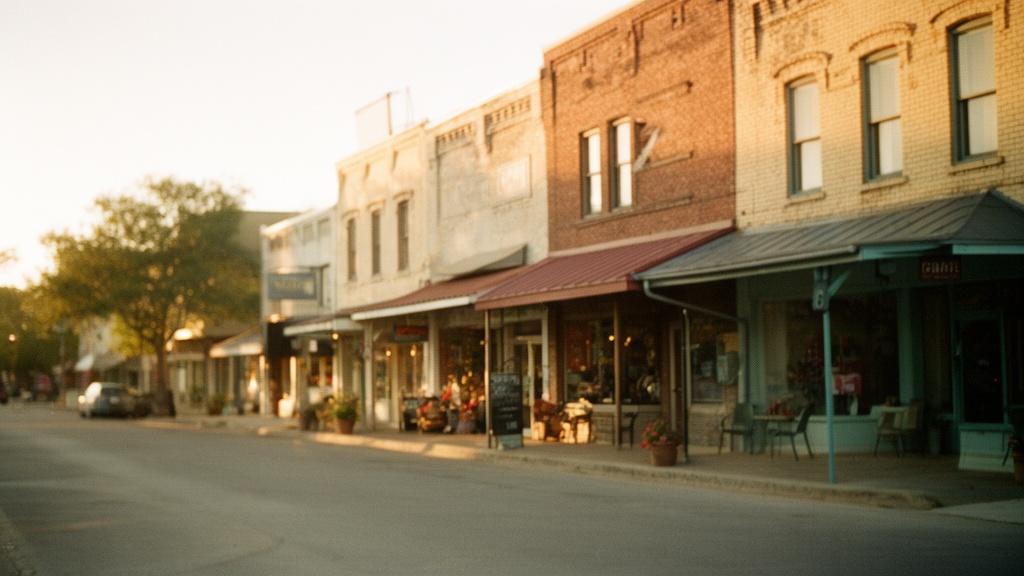
Lafayette and West Lafayette make up the core urban area. Battle Ground sits northwest of Lafayette along State Road 43, Dayton is to the north, and Otterbein lies to the southwest; each place shows on county-wide searches and will affect commute distances and school zoning designations.
Common search zones
Search filters to use. When running county searches set filters for school district, commute time to Purdue or downtown Lafayette, lot size, and year built to narrow results quickly.
2. What Types of Homes You Will Find
Tippecanoe County offers a mix of historic homes, post war bungalows, suburban newer builds, and condos. Knowing the housing stock helps buyers set realistic expectations and helps sellers position features that matter to local buyers.
Older historic homes
Features to note. Neighborhoods inside Lafayette feature late 19th and early 20th century homes with wood floors, front porches, and mature trees; buyers should check for foundation and mechanical updates, and sellers should highlight documented restorations.
Suburban single family homes
Lot sizes and layouts. Developments outside central Lafayette and toward Battle Ground and Otterbein typically have larger lots, two car garages, and floor plans designed for multiple bedrooms and shared living spaces, while inner city lots are smaller with more walkable block patterns.
Condos and apartments
Condo inventory. West Lafayette and pockets of Lafayette include condo units and apartment conversions close to Purdue and the riverfront; check HOA rules, fee history, and reserve fund information when evaluating these listings.
New construction
Where builders are active. New subdivisions have been active on Lafayette outskirts along SR 38 and near County Road 350 South; these homes often include energy efficient appliances, open plans, and lot premiums for corner or pond lots.
3. How to Compare Listings in Tippecanoe County
Use specific, comparable data to compare listings rather than broad statements about the market. Pull these metrics for each property you consider to make an apples to apples comparison.
Key metrics to pull
- List price per square foot
- Recent comparable sales within one mile and six months
- Days on market and price changes history
- Condition, updates, and known deferred maintenance
How to read days on market and comps
Days on market is a snapshot, not a verdict. Look for price reductions, consecutive relists, and the set of comps used to justify a list price; if active listings have very different lot sizes or room counts than the comps, adjust your comparison accordingly.
4. Costs, Taxes and Affordability
Property taxes and monthly carrying costs matter when evaluating Tippecanoe County homes for sale. Know the local tax rates, HOA fees, and typical utility costs for the property type you are considering.
Property tax and premium factors
Typical variables. In Tippecanoe County tax bills reflect assessed value, special taxing districts, and any exemptions; buyers should check the county assessor site for a parcel s tax history and sellers should prepare the last two tax bills to share with buyers.
Affordability snapshot resources
5. Steps to Buy or Sell a Home in Lafayette and Tippecanoe County
Practical, ordered steps help both buyers and sellers move efficiently through local transactions. Below are checklists tailored to Lafayette and county level considerations.
Actions for buyers
- Get preapproved: Obtain a written preapproval from a lender that includes loan type and maximum loan amount.
- Map commutes: Measure drive times to Purdue, downtown Lafayette, and major employers during peak hours.
- Pull comparables: Ask your agent for three recent sales within one mile that match bedroom count and lot size.
- Inspect and budget: Schedule inspections and request utility averages from the seller for the past 12 months.
Actions for sellers
- Prepare a local comps packet: Collect recent Lafayette area sales with similar square footage and lot dimensions.
- Document upgrades: List dates and permits for roof, HVAC, electrical, and foundation work.
- Plan staging for photos: Highlight riverfront views, porches, and original millwork when present.
- Estimate closing costs: Request a local net sheet showing county transfer taxes, title fees, and prorated utilities.
Tools like Trolto generate listing videos automatically from your photos. The property descriptions you provide become the foundation for how those videos appear in search.
Listing visibility tip. In Lafayette include clear directions to nearby landmarks such as the Wabash River, Columbian Park, or the Lafayette Farmers Market so buyers who search by neighborhood features can find your listing.
Local resources. For property records and parcel information consult the Tippecanoe County Auditor and Recorder pages to verify lot lines and deed history.
6. How to Keep Your Search Focused When Looking for Tippecanoe County Indiana Homes for Sale
Keep search parameters tight to avoid irrelevant results. Use filters for lot size, year built, beds, baths, and commute time rather than relying on a county wide radius alone.
Search filter checklist
- Bedrooms and bathrooms: Exact minimums to match your needs
- Lot size: Minimum acreage or square feet
- Commute time: Use driving times to key addresses during rush hour
- School zoning: If relevant, filter by district name rather than broad descriptors
7. Local Amenities and Landmarks to Use When Searching or Marketing Homes
Mentioning nearby amenities helps buyers identify listings quickly. List proximity to Purdue University, the Wabash River, Columbian Park, the Tippecanoe County Fairgrounds, and major employers in Lafayette.
Commute examples. Drive times can vary with traffic; for instance a home in south Lafayette may be a 10 to 20 minute drive to downtown, while parts of Battle Ground are 20 to 30 minutes depending on route. Measure actual drive times during commute hours when comparing listings.
Recreation and green space. Columbian Park, Prophetstown State Park nearby, and riverfront trails are common selling points; include walking distances and parking details when you list or when you ask about a property s neighborhood amenities.
FAQ
How can I find accurate comparable sales for a Lafayette property?
Ask your agent for three to five recent closed sales within one mile that match the property s bedroom count, square footage, lot size, and age. Verify each comp s sale date, sale price, and any seller concessions. If nearby properties have different lot sizes or major updates, request adjustments or additional comps that account for those factors.
Where can I check property tax records and parcel maps in Tippecanoe County?
Use the Tippecanoe County official real estate and auditor pages to look up parcel information, assessed values, and tax history. These county records show legal descriptions and recent deed transfers. Bringing printouts to negotiations helps clarify assessed values and any special taxing districts.
What should I ask about when touring a historic Lafayette home?
Ask for records of structural work, roof and foundation repairs, HVAC and electrical updates, and any permits. Request a seller s disclosure that explicitly lists past water, termite, or settling issues. Plan for a professional inspection focused on mechanical systems and on features unique to older homes, such as knob and tube wiring or uninsulated plaster walls.