

← Back to Blog
Market Trends
The Killearn Estates Area of Tallahassee, Florida Real Estate Market Guide: Prices, Neighborhoods and Timing
By Kathy Reardon
Coldwell Banker Hartung
September 18, 2026 · 12 min read
If you are researching the Killearn Estates area of Tallahassee, Florida real estate market guide on prices, neighborhoods and timing, you are in the right place. This article breaks down what homes actually cost right now, how the sub-neighborhoods within the Killearn corridor differ from one another, and what the September 2026 market means for buyers and sellers making decisions today.
1. What Makes Killearn Estates Its Own Real Estate Market
Killearn Estates is a distinct real estate submarket within Tallahassee. It is not simply a neighborhood; it is a corridor of established subdivisions stretching across the northeast quadrant of the city, roughly between Thomasville Road to the west and Bannerman Road to the north. Understanding how this corridor functions as a market unto itself is the starting point for any serious buyer or seller.
The Physical Footprint
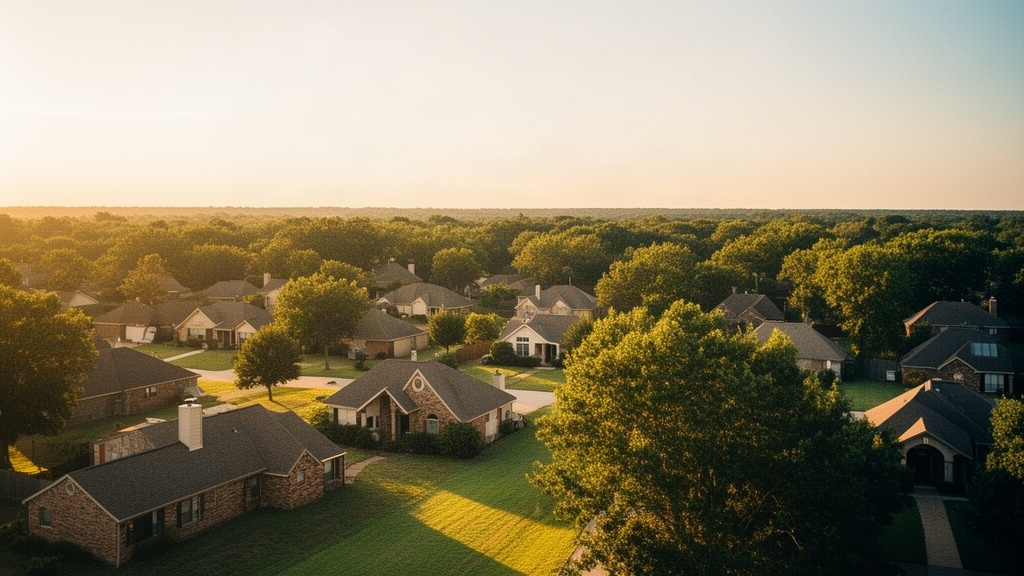
The Killearn area spans several thousand acres of northeast Tallahassee. The original Killearn Estates development dates to the 1960s and 1970s, making it one of the older planned communities in Leon County. Streets wind through mature canopy oaks and longleaf pines, and the landscape has a settled, established character that newer construction areas north of Bannerman Road do not yet have. Residents are within a few miles of both the I-10 corridor and the commercial activity along Thomasville Road, giving the area strong connectivity without sitting directly on a major arterial.
Housing Stock and Architecture
Homes built in the 1970s and 1980s dominate the original Killearn Estates sections. You will find traditional ranch layouts, split-level floor plans, and brick-front colonials on lots ranging from a quarter acre to nearly half an acre. Many of these homes have been substantially updated over the decades: renovated kitchens, added square footage, and replaced roofs and HVAC systems are common. Killearn Lakes Plantation, which developed through the 1990s and into the early 2000s, added a layer of larger two-story homes with more open floor plans and attached three-car garages. The result is a corridor where a buyer can find a 1,600-square-foot three-bedroom from the 1970s alongside a 3,200-square-foot four-bedroom built in 2002, often on the same street.
How Killearn Fits Into the Broader Tallahassee Market
Killearn consistently draws strong buyer interest relative to other Tallahassee submarkets. The combination of lot sizes, mature tree canopy, proximity to Maclay Gardens State Park, and access to both Thomasville Road shopping and the Capital Circle NE loop makes it one of the more active resale markets in the city. If you want a citywide picture first, the article on the average home price in Tallahassee right now gives useful context before you drill into Killearn-specific numbers.
2. Current Prices in the Killearn Estates Area
In September 2026, the Killearn Estates area is priced above the Tallahassee citywide median but below the premium tier of newer construction in the far northeast. That positioning makes it one of the more active price bands in the city, drawing buyers who want established neighborhoods without paying new-construction premiums.
Median and Average Sale Prices in September 2026
Closed sales data for the Killearn Estates area as of September 2026 shows median sale prices running in the $340,000 to $390,000 range depending on the specific subdivision and the size of the home. The lower end of that band reflects the smaller ranch-style homes in the original Killearn Estates sections, while the upper end reflects updated four-bedroom homes in Killearn Lakes Plantation with larger square footage and more recent renovations. Homes priced above $450,000 do trade in the corridor, but they typically represent either significant lot premium, substantial renovation, or pool additions.
For historical context, this Killearn Estates market report from September 2024 provides a useful baseline for tracking how prices have shifted over the past two years. Comparing those figures to what is closing right now in September 2026 gives both buyers and sellers a clearer sense of the trajectory.
Price Per Square Foot Breakdown
Price per square foot in the Killearn corridor currently runs between $175 and $220 for most homes, with outliers on both ends. A well-maintained 2,000-square-foot home with an updated kitchen and a newer roof tends to land at the higher end of that range. An original-condition home from the 1970s that needs cosmetic work will price closer to $175 per square foot or below. Buyers doing per-square-foot comparisons should be careful to compare homes of similar vintage and condition, since a 1978 ranch and a 2001 two-story are fundamentally different products even if they sit on adjacent streets.
How Killearn Prices Compare to the Tallahassee Citywide Average
The Killearn corridor trades at a premium of roughly 10 to 20 percent above the Tallahassee citywide median in September 2026. That premium reflects lot sizes, canopy coverage, and the established infrastructure of the area rather than any single feature. Buyers relocating from larger metro areas often find Killearn pricing favorable relative to comparable suburban neighborhoods in other Florida cities, particularly given the lot sizes and the amount of living space available at these price points.
3. Neighborhoods Within the Killearn Corridor
The Killearn corridor is not a single neighborhood but a collection of distinct subdivisions with their own character, price points, and HOA structures. Knowing the differences before you start touring homes will save you significant time.
Killearn Estates Proper
The original Killearn Estates sections sit primarily south of Killearn Center Boulevard, developed in phases from the mid-1960s through the 1980s. Lots here are generous, often running 0.3 to 0.5 acres, and the street grid is curvilinear with cul-de-sacs throughout. Many homes back up to one of the area's retention ponds or wooded buffers. The Killearn Country Club sits at the center of the original development, and its golf course creates a significant open-space buffer that shapes the feel of the surrounding streets. The country club is private and membership is separate from home ownership, but the golf course views add to the visual character of many lots.
Homes in the original Killearn Estates sections typically range from 1,500 to 2,800 square feet. The variation in condition is wide: some owners have invested heavily in updates over the decades, while others are still carrying original 1970s kitchens and bathrooms. That variation creates real opportunity for buyers willing to take on a renovation project, and it also means that pricing homes accurately here requires genuine local knowledge rather than a simple algorithm.
Killearn Lakes Plantation
Killearn Lakes Plantation developed primarily through the 1990s and early 2000s, north of the original Killearn Estates sections. The homes here are generally larger, with more two-story layouts and open floor plans that reflect the design preferences of that era. Square footage typically runs from 2,000 to 3,500 square feet, and the community includes its own amenity center, multiple lakes, and a network of walking paths. The HOA in Killearn Lakes Plantation is active and maintains common areas and the community dock areas on the lakes. Buyers should request the HOA documents and current fee schedule early in the process, as fees and rules vary by section within the plantation.
Killearn Acres and Adjacent Streets
Killearn Acres occupies the southern edge of the broader Killearn corridor, closer to the intersection of Thomasville Road and Killearn Center Boulevard. Homes here tend to be smaller and older on average, with more ranch-style single-story layouts from the 1960s and early 1970s. Lot sizes are still generous by Tallahassee standards. This section draws buyers who want the Killearn address and the proximity to Thomasville Road retail and restaurants at a lower price point than the larger homes deeper in the corridor. There are also several streets adjacent to the formal Killearn Estates plat that carry similar character and price points; a local agent who knows the area can identify which of those streets track with Killearn values versus which are priced differently.
4. Market Conditions and Timing for Buyers and Sellers
In September 2026, the Killearn Estates area market is more balanced than it was during the peak seller's market of 2021 and 2022, but it has not swung into a full buyer's market either. Sellers who price accurately are still moving homes; sellers who overprice are sitting.
Days on Market and Inventory Levels
Well-priced homes in Killearn Estates are typically going under contract within 20 to 35 days in September 2026. Homes that need significant work or that are priced above comparable recent sales are sitting longer, sometimes 60 days or more before a price reduction brings them back into the active conversation. Inventory in the corridor has increased compared to 2022 and 2023, which gives buyers more options than they had during the peak, but total active listings remain below what would be considered a traditional buyer's market. For a broader look at how days on market are trending across Tallahassee right now, the article on how long homes are sitting on the market in Tallahassee in 2026 puts the Killearn numbers in citywide context.
What Sellers Are Facing Right Now
Sellers in the Killearn corridor are navigating a market where buyers have more choices and are doing more due diligence than they were two or three years ago. Inspection contingencies are back in most contracts. Buyers are asking for repairs or credits more routinely. Homes that show well and are priced within 2 to 3 percent of their true market value are still getting solid offers, but the days of listing above market and expecting multiple offers to bridge the gap are largely over in this price range.
The statewide pricing reality is consistent with what is happening specifically in Killearn. A recent analysis from HousingWire on Florida's housing market pricing realities confirms that sellers across Florida who anchor to 2022 peak values are experiencing longer market times and eventual price reductions. The Killearn market reflects that pattern.
What Buyers Should Know Before Making an Offer
Buyers in Killearn have more negotiating room in September 2026 than they did in 2021, but they should not assume every listing is overpriced or that sellers will accept low offers. The homes that are priced correctly are still moving at or close to asking price. The opportunity for buyers is in identifying the homes that have been sitting, understanding why (condition, price, or both), and making a well-supported offer. Getting a pre-approval letter from a local lender before you start touring is essential; sellers in this corridor still expect to see financing credentials before they take an offer seriously.
If you are weighing the timing question from a seller's perspective, the article on whether September 2026 is a good time to sell in Tallahassee walks through the seasonal and market factors that apply to the current window.
5. Property Taxes, Commutes, and Practical Ownership Details
Understanding the full cost of ownership in Killearn means looking beyond the purchase price. Property taxes, HOA dues, commute patterns, and community amenities all factor into whether a specific home in this corridor fits your budget and your daily life.
Property Tax Expectations in Killearn
Leon County property taxes on a Killearn home assessed at $360,000 will generally run in the range of $4,000 to $5,500 annually before any exemptions. Florida's homestead exemption reduces the assessed value by $25,000 for the first layer of taxation and provides an additional exemption for the school portion of the millage, which meaningfully lowers the annual bill for primary residents. The Save Our Homes cap, which limits annual assessment increases to 3 percent or the CPI increase (whichever is lower) for homesteaded properties, can create a significant gap between the assessed value and market value over time. Buyers purchasing a home that the seller has owned for many years should be aware that their assessed value will reset to market value in the year following purchase. For a detailed explanation of how this works, the article on property taxes in Tallahassee and how they are calculated is worth reading before you close.
Commute Times to Key Tallahassee Destinations
From the center of Killearn Estates, the drive to the Florida State Capitol building in downtown Tallahassee is approximately 9 to 12 miles and takes 18 to 25 minutes under normal traffic conditions. The primary route is Thomasville Road southbound, which runs directly from the Killearn corridor into the heart of midtown and then downtown. During morning peak hours between 7:30 and 8:30 a.m., Thomasville Road can slow at the intersection with Betton Road and again near the Midtown area, adding 5 to 10 minutes to the drive.
Florida State University's main campus is roughly 10 to 14 miles from Killearn, depending on the specific starting point, and the drive typically takes 20 to 28 minutes. The FAMU-FSU College of Engineering campus on Levy Avenue is a similar distance. Tallahassee Memorial Healthcare on Miccosukee Road is closer, running about 6 to 8 miles from the Killearn corridor and taking 12 to 18 minutes depending on the route. Capital Circle NE provides an alternative loop route that avoids Thomasville Road entirely and connects to I-10 and the eastern commercial corridor along Apalachee Parkway.
HOA Considerations and Community Amenities
HOA structures in the Killearn corridor vary significantly by section. The original Killearn Estates sections have a relatively modest HOA with fees in the range of $200 to $400 annually, primarily covering common area maintenance and the community pool. Killearn Lakes Plantation has a more active HOA with fees that can run $500 to $900 annually depending on the section, covering the amenity center, lake access, and walking path maintenance. Some sections within the plantation have additional sub-association fees on top of the master HOA. Always request a full HOA disclosure package before going under contract, and verify current fees directly with the management company rather than relying on listing sheet figures, which can be outdated.
Alfred B. Maclay Gardens State Park sits at the northern edge of the Killearn area, offering 1,176 acres of gardens, trails, and lake swimming along Lake Hall. The park is a significant amenity for Killearn residents, with the main entrance on Thomasville Road just north of the Killearn corridor. Tom Brown Park, located on Capital Circle NE about 4 miles from the center of Killearn, provides athletic fields, disc golf, a dog park, and paved trails. Publix, Whole Foods, and a wide range of restaurants and retail are concentrated along Thomasville Road within 2 to 4 miles of most Killearn addresses.
6. School Zones and Research Resources
School zone assignment in Killearn depends on the specific address, not the subdivision name. Leon County Schools assigns attendance zones by street address, and those boundaries can shift over time. The district's official zone lookup tool at the Leon County Schools website is the only reliable way to confirm which elementary, middle, and high school serve a specific home. Do not rely on listing descriptions or neighborhood assumptions for school zone information; verify it directly with the district.
For buyers who want to understand how school zones work across Tallahassee more broadly before narrowing their search to Killearn, the article on public school zones to know when buying a home in Tallahassee explains the Leon County system and how to use the district's own tools for verification.
FAQ
What is the typical price range for homes in the Killearn Estates area of Tallahassee right now?
In September 2026, most homes closing in the Killearn Estates corridor are selling in the $320,000 to $450,000 range, with the median landing between $340,000 and $390,000 depending on the specific subdivision and condition. Smaller original-condition homes in the 1970s sections of Killearn Estates proper trade toward the lower end, while updated four-bedroom homes in Killearn Lakes Plantation with larger square footage and newer systems push toward the upper end. Homes with pools, significant renovations, or premium lot positions on the golf course or lakefront can exceed $450,000. Price per square foot for most transactions falls between $175 and $220, with condition and vintage being the primary drivers of where a specific home lands in that range.
How long does it take to sell a home in Killearn Estates in 2026?
Well-priced homes in the Killearn corridor are going under contract in roughly 20 to 35 days as of September 2026. Homes that are overpriced relative to recent comparable sales, or that have deferred maintenance issues visible to buyers during showings, are sitting 60 days or longer before price adjustments bring them back into active consideration. The market is more balanced than it was during the 2021 and 2022 peak, which means buyers are doing more due diligence and sellers cannot count on multiple competing offers to make up for aggressive pricing. Accurate pricing at the outset is the single most important factor in achieving a timely sale at a strong number.
What is the difference between Killearn Estates and Killearn Lakes Plantation?
Killearn Estates proper refers to the original development built primarily from the mid-1960s through the 1980s, featuring ranch-style and split-level homes on generous lots, many adjacent to the Killearn Country Club golf course. Killearn Lakes Plantation is a separate subdivision that developed through the 1990s and early 2000s to the north, with larger two-story homes, a community amenity center, multiple lakes, and an active HOA that covers lake access and walking path maintenance. The two communities share a general geographic corridor and similar proximity to Thomasville Road and Maclay Gardens, but they differ in home size, architectural era, HOA structure, and price point. Buyers should tour both areas and compare the specific features that matter most to them, since the right fit depends on lot preferences, square footage needs, and budget.