← Back to Blog
Market Trends
Northwest Reno Real Estate Market Guide: Prices & Neighborhoods
By Katie Gillespie
Gillespie Group Brokered by eXp Realty · DRE# Bs.146653
September 11, 2026 · 13 min read
Northwest Reno has the strongest track record of any submarket in the Reno area for holding value through market cycles, and this real estate market guide covers prices, neighborhoods, and timing so you can make a confident move. Whether you are buying, selling, or relocating, the northwest quadrant of Reno offers a distinct mix of housing stock, proximity to outdoor recreation, and price points that differ meaningfully from South Reno or Midtown. Here is what the numbers and the neighborhood details actually look like right now in September 2026.
1. What Makes Northwest Reno a Distinct Real Estate Market
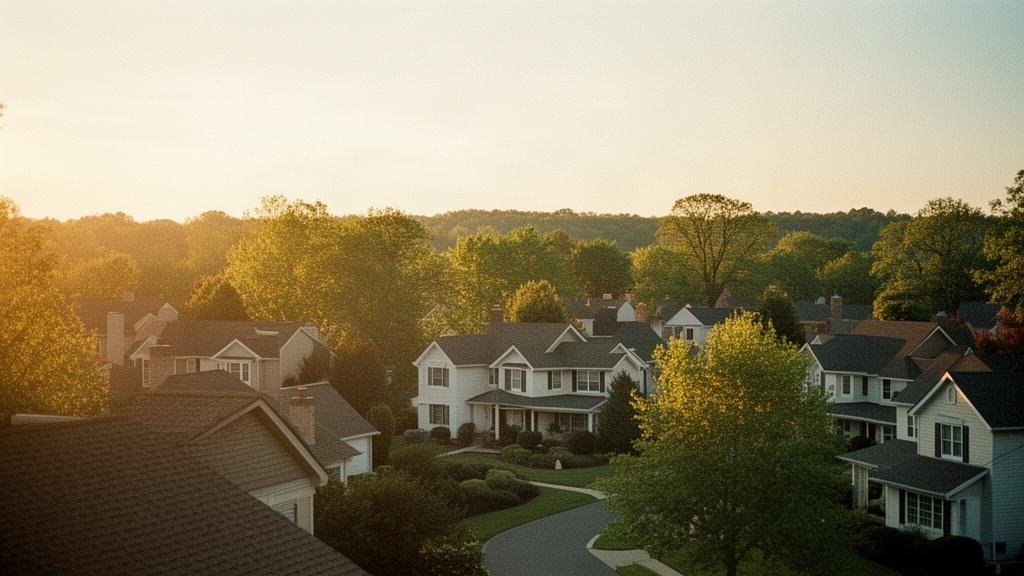
Northwest Reno is a distinct submarket because of its geography, not its reputation. The area sits north and west of downtown Reno, bounded roughly by Interstate 80 to the south, the Truckee River corridor near Verdi to the west, and the North Valleys communities stretching toward Stead and Lemmon Valley to the north. That geography creates a submarket with a wider spread of housing types and price points than you find in more uniform areas like South Meadows.
Geography and Housing Stock
The housing stock in northwest Reno spans a wide era of construction. Older ranch-style homes from the 1970s and 1980s sit alongside master-planned communities from the early 2000s, and newer construction pockets continue to fill in along the foothills. Lot sizes tend to be larger here than in South Reno subdivisions, with many properties in the half-acre to full-acre range once you move into the Verdi corridor or the unincorporated Washoe County parcels near Mogul. That land area, combined with mountain and valley views, contributes to the price resilience the northwest has shown through multiple market cycles.
Proximity to outdoor amenities is a defining feature of this submarket. Residents have direct access to Rancho San Rafael Regional Park, which covers more than 580 acres and includes the Great Basin Adventure park, botanical gardens, and extensive trail systems. The Truckee River runs along the western edge of the submarket through Verdi, and the drive to Lake Tahoe via Interstate 80 takes roughly 45 to 50 minutes under normal conditions. Reno-Tahoe International Airport is accessible in about 20 minutes from most northwest Reno addresses.
How Northwest Reno Differs from Other Reno Submarkets
Compared to Midtown Reno, the northwest trades walkability for space. Midtown's bungalows and mixed-use corridors attract buyers who want to walk to restaurants and coffee shops, while northwest Reno buyers typically prioritize square footage, lot size, and mountain views. You can read more about how Midtown's market works in the Midtown Reno Real Estate Market Guide if you are comparing the two areas side by side.
Compared to South Reno, the northwest tends to have older infrastructure but more varied terrain. South Reno's master-planned communities like South Meadows were largely built out between 2000 and 2015 on relatively flat land. Northwest Reno's topography is more varied, which produces the hillside lots and view corridors that command premium prices in communities like Somersett. The two submarkets also differ in their commute patterns: northwest Reno residents heading downtown or to the University of Nevada, Reno campus on North Virginia Street are often closer in drive time than South Reno residents.
2. Northwest Reno Home Prices in September 2026
Northwest Reno home prices in September 2026 range from the low $400,000s for entry-level homes in the North Valleys to well above $1 million in Somersett's premium view sections. The spread is wider than in more uniform submarkets, which means buyers need to understand which pocket they are shopping in rather than relying on a single area-wide median. For broader context on where Reno's overall market sits right now, the average home price in Reno Nevada in September 2026 article gives a citywide baseline to compare against.
Current Median Prices by Area
Breaking the northwest into its component pockets gives a clearer picture than a single number. In Somersett, the gated and semi-gated sections regularly see median sale prices between $750,000 and $950,000, with custom homes on view lots transacting above $1.2 million. In the Caughlin Ranch adjacent neighborhoods along Caughlin Parkway, median prices typically fall in the $550,000 to $700,000 range depending on the specific subdivision and lot orientation. The Verdi corridor, which includes properties along the Truckee River and in the hills above Interstate 80, spans a broad range from the mid-$400,000s for older homes on standard lots to over $800,000 for acreage properties with river or mountain exposure.
North Valleys communities including Stead, Lemmon Valley, and Spanish Springs adjacent areas offer the lowest price points in the northwest submarket. Entry-level buyers can find homes in the $380,000 to $480,000 range in these areas, though the tradeoff is a longer commute to central Reno and fewer walkable amenities. These communities have seen consistent appreciation over the past several years as buyers priced out of closer-in neighborhoods moved north.
Price Per Square Foot and What Drives It
Price per square foot in northwest Reno currently runs from roughly $230 per square foot in North Valleys to $380 or higher in Somersett's premium sections. The primary drivers of price per square foot in this submarket are view orientation, lot size, HOA amenity level, and the age and condition of the home. Somersett's Town Center, which includes a golf course, clubhouse, pools, and tennis courts, commands a measurable premium over comparable square footage in non-amenitized northwest Reno neighborhoods. Homes backing to open space or with Sierra Nevada views consistently sell at the top of their range.
Reno's overall market trajectory provides important context for these numbers. According to Norada Real Estate's Reno market analysis, the Reno metro has shown consistent year-over-year price appreciation driven by in-migration from higher-cost California markets and a constrained housing supply relative to demand. Northwest Reno's price-per-square-foot premium over the metro average has held steady through multiple market cycles, which is part of why this submarket is often cited for its track record of value retention.
3. Northwest Reno Neighborhoods: What Each Area Looks Like on the Ground
Each northwest Reno neighborhood has a distinct physical character, price band, and set of tradeoffs that matter for both buyers and sellers. Understanding those differences is the starting point for making a well-informed decision about where to buy or how to price a home you are selling.
Somersett
Somersett is the largest master-planned community in northwest Reno, covering approximately 3,000 acres in the foothills west of town. The community was developed primarily between 2003 and 2015, with infill construction continuing into the present. Homes range from attached townhomes in the $500,000s to custom single-family residences on large view lots above $1.5 million. The Town Center anchors the community with a golf course designed around the natural terrain, a clubhouse with indoor and outdoor pools, fitness facilities, and event space. Residents also have access to a network of hiking and biking trails that connect directly to the surrounding open space.
HOA fees in Somersett vary by sub-association but generally run between $150 and $350 per month depending on the specific village and amenity access included. Buyers should factor those costs into their monthly payment calculations. The community's distance from central Reno means a commute of roughly 20 to 30 minutes to downtown or the University of Nevada campus, depending on traffic on McCarran Boulevard and the I-80 interchange.
Northwest Reno Foothills and Verdi Corridor
The Verdi area sits at the western edge of the Reno metro, straddling the Nevada-California state line along the Truckee River. Properties here include older ranch homes on large lots, riverfront parcels, and hillside homes with panoramic views of the Sierra Nevada foothills. The area has a semi-rural character that differs sharply from the planned subdivisions of Somersett or South Reno. Lot sizes of one acre or more are common, and many properties have outbuildings, horse facilities, or significant natural landscaping. Verdi's proximity to Interstate 80 makes the commute to central Reno straightforward, typically 15 to 25 minutes.
The foothills neighborhoods between Verdi and Somersett, including areas along Stead Boulevard and the older subdivisions near Peavine Mountain, offer a middle ground between rural acreage and planned community living. Homes here are frequently from the 1980s and 1990s, with larger floor plans and established landscaping. These neighborhoods often have no HOA, which appeals to buyers who want more flexibility in how they use their property.
Caughlin Ranch Adjacent Areas
Caughlin Ranch itself is one of Reno's more established planned communities, developed primarily in the late 1980s and through the 1990s along the foothills west of South Virginia Street. The surrounding neighborhoods along Caughlin Parkway and the adjacent streets share similar characteristics: homes from that same era, mature trees, and easy access to the Caughlin Club, which offers tennis, swimming, and fitness facilities. The area's location puts residents within 10 to 15 minutes of both downtown Reno and the South Virginia Street retail corridor, making it one of the more centrally convenient northwest Reno locations.
North Valleys
The North Valleys encompass Stead, Lemmon Valley, Golden Valley, and the communities north of Reno along U.S. Highway 395. Housing here is a mix of older tract homes from the 1970s through the 1990s, newer construction subdivisions, and manufactured homes on larger lots. The area has seen significant new development activity in recent years, with builders targeting buyers seeking lower price points than the closer-in northwest Reno neighborhoods. The commute to central Reno or the Reno-Sparks metro employment corridor runs 25 to 40 minutes depending on origin and destination. For buyers interested in what new construction looks like across the broader Reno market, the new housing developments and master-planned communities guide covers current projects across the metro.
4. Market Timing: When to Buy or Sell in Northwest Reno
Timing in northwest Reno follows some of Reno's broader seasonal patterns but with submarket-specific nuances that matter for both buyers and sellers. Understanding those nuances can be the difference between a smooth transaction and a prolonged negotiation.
Inventory Trends in Northwest Reno
Inventory in northwest Reno remains constrained relative to buyer demand in September 2026, particularly in the $500,000 to $800,000 range where competition is most active. Somersett sees the most consistent turnover of any northwest Reno neighborhood simply because of its size, but even there, well-priced homes in desirable village sections move quickly. The Verdi corridor and the older foothills neighborhoods have lower turnover because many owners have held their properties for a decade or more, often with low property tax bases that reduce the financial incentive to sell. Nationally, housing inventory has been rising, but Reno's local supply picture remains tighter than the national trend suggests, as detailed in this analysis of Reno's inventory relative to national trends.
Days on Market and What It Signals
Days on market in northwest Reno varies significantly by price tier and neighborhood. Homes priced correctly in the $450,000 to $700,000 range in Somersett and the Caughlin Ranch adjacent areas are currently going under contract in 10 to 21 days on average. Luxury properties above $900,000 take longer, often 45 to 90 days, because the buyer pool is smaller and those buyers conduct more thorough due diligence. In North Valleys, days on market have been slightly longer than in closer-in neighborhoods, reflecting the longer commute tradeoff buyers weigh carefully. For a broader look at how days on market are trending across Reno right now, the homes sitting on market in Reno Nevada article gives metro-wide data.
Seasonal Patterns Specific to This Submarket
Northwest Reno's seasonal market rhythm is shaped partly by its proximity to the Sierra Nevada and Tahoe recreation corridor. Spring, from March through May, is consistently the most active listing period, when sellers capitalize on curb appeal from blooming landscaping and buyers who want to be settled before the following school year. Summer activity remains strong through July, then moderates slightly in August before picking up again in September as out-of-state relocating buyers, often on corporate timelines, enter the market. Winter slowdowns are real but less pronounced than in colder markets; Reno's mild valley winters mean homes still show well and serious buyers remain active through December.
For sellers, listing in late February or early March captures the largest buyer pool. For buyers, September through November can offer slightly more negotiating room than the competitive spring window, particularly in the luxury tier where sellers who did not move their property over the summer are often more flexible on price and terms.
5. What Buyers and Sellers Need to Know Before Transacting in Northwest Reno
Northwest Reno has specific due diligence considerations that do not apply in the same way to other parts of the metro. Buyers and sellers who understand these details going in avoid surprises that can derail transactions or affect long-term ownership costs.
Due Diligence Specific to Northwest Reno
HOA structure is one of the most important factors to review carefully in northwest Reno. Somersett alone has a master HOA and multiple sub-associations, each with its own fee schedule, CC&Rs, and reserve fund status. Buyers should request the full HOA documents and budget, not just the monthly fee disclosure, before removing inspection contingencies. Some Somersett sub-associations have recently completed or are planning significant capital improvement projects that affect reserve fund balances.
Water and utility infrastructure varies across northwest Reno in ways that matter at closing. Homes in Verdi and the unincorporated Washoe County areas near Mogul may be on private wells and septic systems rather than municipal water and sewer. Buyers purchasing these properties need a well flow test and a septic inspection as part of their due diligence, and lenders often require these reports before funding. Property tax calculations in Nevada are based on assessed value, which can differ significantly from purchase price, so buyers should review their projected tax bill carefully. The property taxes in Reno Nevada guide explains how the calculation works in detail.
Wildfire risk and insurance costs are a real consideration for properties in the northwest Reno foothills and Verdi corridor. Buyers should request a CLUE report on any property they are considering and get insurance quotes before closing, since some hillside and foothill properties have seen significant premium increases or reduced carrier availability in recent years. This is not unique to Reno but is more pronounced in the northwest submarket than in the valley-floor neighborhoods of South Reno or Sparks.
How to Position an Offer or a Listing Here
Buyers competing in northwest Reno's most active price bands need a pre-approval letter from a lender who can close on a competitive timeline. In Somersett and the Caughlin Ranch adjacent areas, sellers are accustomed to seeing clean offers with minimal contingencies during the spring and early summer peak. Cash offers remain competitive but are less dominant than they were in 2021 and 2022; financed buyers with strong pre-approvals are winning regularly in the current market. Escalation clauses are less common than they were at the height of the seller's market but still appear on well-priced properties in desirable locations.
Sellers in northwest Reno benefit most from accurate pricing at launch. Overpricing a northwest Reno home by even five percent in the current market typically results in a longer days-on-market count that signals weakness to subsequent buyers, often leading to a final sale price below what an accurate initial price would have achieved. Staging matters more in this submarket's luxury tier than in the entry-level North Valleys segment, where buyers are more focused on price per square foot than on presentation. For sellers specifically, the selling a home in the South Reno area guide covers pricing and timeline principles that apply broadly across Reno submarkets, including the northwest.
FAQ
What is the typical price range for homes in northwest Reno in 2026?
Northwest Reno home prices in September 2026 range from the low $400,000s in North Valleys communities like Stead and Lemmon Valley to well above $1 million in premium sections of Somersett with Sierra Nevada views. The middle of the market, covering most of Somersett's established villages and the Caughlin Ranch adjacent neighborhoods, sits between $550,000 and $850,000. Price per square foot runs from roughly $230 in North Valleys to $380 or higher in Somersett's most sought-after sections. The wide range reflects the submarket's geographic and housing diversity rather than a single uniform price level.
How long do homes stay on the market in northwest Reno before going under contract?
In September 2026, correctly priced homes in northwest Reno's most active price bands, roughly $450,000 to $700,000 in Somersett and the Caughlin Ranch area, are going under contract in approximately 10 to 21 days. Luxury properties above $900,000 typically take 45 to 90 days because the buyer pool is smaller and due diligence timelines are longer. Homes in North Valleys are currently taking slightly longer than closer-in northwest Reno neighborhoods, often 25 to 40 days. Overpriced homes in any northwest Reno neighborhood tend to sit significantly longer and frequently sell below their original asking price.
What are the most important due diligence items for buyers in northwest Reno?
Buyers in northwest Reno should prioritize four areas of due diligence that are more consequential here than in other Reno submarkets. First, HOA documents: Somersett's layered master and sub-association structure means buyers need to review multiple sets of CC&Rs, fee schedules, and reserve fund reports. Second, water and sewer: properties in Verdi and unincorporated Washoe County areas may be on private wells and septic systems, requiring specialized inspections and lender-required reports. Third, wildfire insurance: foothill and hillside properties have seen premium increases and carrier availability changes, so getting insurance quotes before removing contingencies is essential. Fourth, property tax projections: Nevada's assessed value calculation can differ from purchase price, and buyers should confirm their expected annual tax bill before closing.