← Back to Blog
Buying
Homes for Sale in Detroit: Buyer's Guide
By Kay Davis
September 12, 2026 · 10 min read
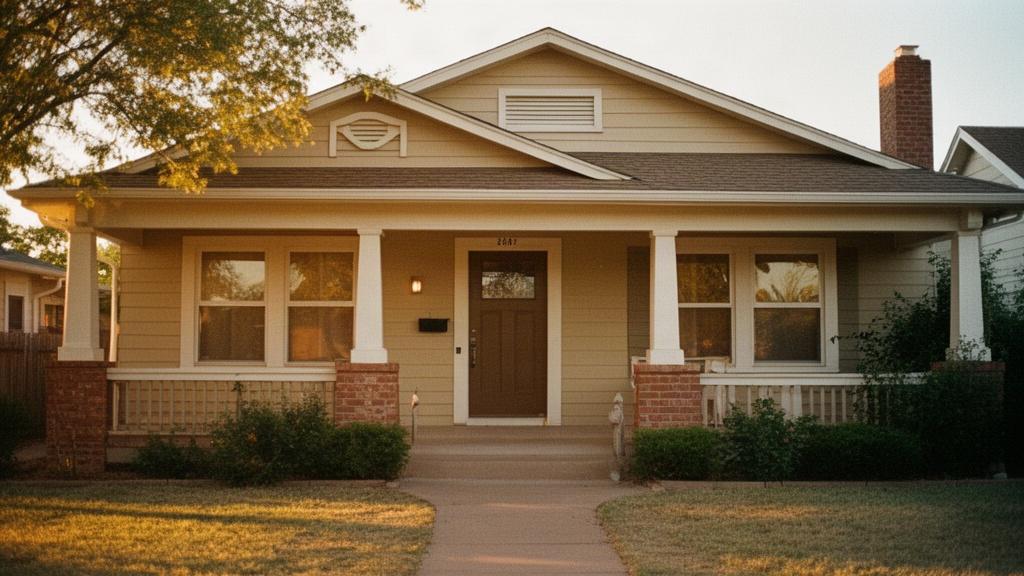
If you are searching for homes for sale in Detroit, you are looking at one of the most active and genuinely interesting housing markets in the Midwest right now. Detroit offers a wide range of housing stock, from century-old brick colonials and craftsman bungalows to newer construction in revitalized corridors, all at price points that still stand out compared to coastal cities. This guide covers what the market looks like in September 2026, what different parts of the city offer, and what you need to know to buy or sell here with confidence.
1. What the Detroit Housing Market Looks Like Right Now
Detroit's housing market is seller-leaning in September 2026, with median home prices sitting around $257,000 citywide. That figure represents meaningful appreciation from where the city was just a few years ago, and it reflects genuine demand, not speculative inflation. Inventory remains constrained relative to the number of active buyers, which means well-priced homes in move-in condition are moving quickly.
Median Prices and Inventory
According to HousingWire's analysis of the Detroit market, sellers currently hold the advantage as median prices reach $257K. Homes in the city's most active corridors, including Midtown, Corktown, and the northwest residential neighborhoods, are drawing multiple offers within days of listing. Days on market for move-in-ready properties in these areas routinely runs under three weeks.
The market is not uniform across all zip codes. Some blocks on the east side still carry prices well below $100,000, particularly for properties that need significant renovation work. On the northwest side, brick colonials and tudors in established residential corridors regularly list between $180,000 and $350,000. Understanding which part of Detroit you are targeting changes your strategy considerably.
How Detroit Compares to the Broader Michigan Market
Michigan as a whole has seen sustained price growth, with statewide median prices climbing steadily through 2025 and into 2026. The Forbes Advisor overview of the Michigan housing market notes that tight supply has kept upward pressure on prices across the state, and Detroit reflects that trend while still offering entry points that cities like Ann Arbor or Grand Rapids no longer can. For buyers relocating from higher-cost metro areas, Detroit's price-per-square-foot remains a genuine draw.
Detroit was also identified as one of the 10 home buying hot spots to watch in 2026 by the National Association of Realtors, citing its combination of relative affordability, job market recovery, and increasing buyer interest from outside the region. That recognition has translated into real activity on the ground this year.
2. Detroit Neighborhoods: What the Housing Stock Actually Looks Like
Detroit is a physically large city, covering roughly 139 square miles, and the housing stock varies dramatically from one area to the next. Knowing what you are likely to find, and at what price, saves time and helps you focus your search. Here is what the major residential areas of the city actually contain.
Midtown and New Center
Midtown sits roughly two miles north of Downtown Detroit and is anchored by the Detroit Medical Center, Wayne State University, and the Detroit Institute of Arts. The housing stock here includes converted lofts, renovated Victorian-era row houses, and newer mixed-use condo buildings. Condos in Midtown currently list between $175,000 and $450,000 depending on size and finishes. Single-family homes in this corridor are scarce and sell quickly when they appear.
New Center, just north of Midtown along Grand Boulevard, offers a mix of early 20th-century apartment buildings and detached brick homes. Prices here run somewhat lower than Midtown proper, with single-family homes often listing in the $130,000 to $260,000 range. The area is walkable to the QLine streetcar corridor and sits about 15 minutes by car from Downtown via Woodward Avenue.
Corktown and Southwest Detroit
Corktown is Detroit's oldest surviving neighborhood, located just west of Downtown near Michigan Avenue and the old Tiger Stadium site. The housing stock consists largely of worker cottages, Victorian-era homes, and some newer infill construction. Prices in Corktown have risen sharply over the past several years; renovated homes regularly list between $350,000 and $600,000, while properties needing work can still be found below $200,000.
Southwest Detroit, including the Mexicantown area along Vernor Highway, offers a denser concentration of brick bungalows and two-family flats. Lot sizes here tend to be smaller, typically 30 to 40 feet wide, and the area sits close to the Ambassador Bridge and the I-75 and I-96 interchange. Commute times to Downtown run about 10 to 15 minutes by car. Homes in this corridor are generally priced between $80,000 and $200,000.
East Side and Grosse Pointe Border Communities
Detroit's east side covers a large geographic area with housing that ranges from dense urban blocks near Jefferson Avenue to more spacious residential streets approaching the Grosse Pointe border. Along the Mack Avenue and East Jefferson corridors, buyers can find brick bungalows and Cape Cods from the 1920s through 1950s, many on 40-by-120-foot lots. Prices in this zone run from $60,000 for properties needing full renovation up to $220,000 for updated homes near the Grosse Pointe Park border.
The streets closest to the Grosse Pointe Park city line, particularly in the East English Village neighborhood, contain some of the most well-maintained housing stock on the east side. Tudor revivals, brick colonials, and craftsman bungalows built between 1920 and 1950 define this area. Homes here list between $150,000 and $320,000, and the neighborhood association is active in maintaining streetscapes and organizing community events.
Sherwood Forest, Palmer Woods, and the Northwest Neighborhoods
The northwest quadrant of Detroit contains some of the city's most architecturally significant residential streets. Sherwood Forest and Palmer Woods, both located near the Seven Mile and Woodward intersection, feature large Tudor, Colonial Revival, and English cottage-style homes built in the 1920s and 1930s. Lot sizes are generous, often 60 to 80 feet wide with deep backyards. Homes in Palmer Woods regularly list between $350,000 and $700,000; Sherwood Forest tends to run between $250,000 and $500,000.
Further west along the Seven Mile corridor and into the University District, buyers find brick bungalows and colonials in the $150,000 to $300,000 range. The University District, adjacent to the University of Detroit Mercy campus, is a historic district on the National Register of Historic Places and features curving streets and mature tree canopy that are unusual for a city grid. Commute times from these northwest neighborhoods to Downtown Detroit average 20 to 30 minutes by car via Woodward or the Lodge Freeway.
3. What It Costs to Buy a Home in Detroit in 2026
Detroit's price range is one of the broadest of any major American city, which makes it essential to anchor your budget to a specific area before you start touring homes. The citywide median of approximately $257,000 is a useful reference point, but individual neighborhoods can sit well above or below that figure.
Price Ranges by Area
- Palmer Woods and Sherwood Forest: $250,000 to $700,000 for large Tudor and Colonial Revival homes on wide lots.
- Corktown: $175,000 to $600,000 depending on renovation status; renovated Victorian cottages command the upper end.
- Midtown condos: $175,000 to $450,000 for units in converted and new-construction buildings.
- East English Village: $150,000 to $320,000 for well-maintained brick bungalows and tudors near the Grosse Pointe Park border.
- Southwest Detroit and Mexicantown: $80,000 to $200,000 for brick bungalows and two-family flats.
- East side renovation properties: $30,000 to $100,000 for homes requiring significant work; buyers should budget for full rehab costs on top of purchase price.
Additional Costs Buyers Should Budget For
Detroit has some of the highest property tax rates in Michigan, which affects monthly carrying costs significantly. The city's millage rate is among the highest in Wayne County. On a $250,000 home, annual property taxes can run between $5,000 and $8,000 depending on the specific parcel and any applicable exemptions. Buyers who will occupy the home as a primary residence should apply for the Principal Residence Exemption, which reduces the taxable portion of the assessment and can meaningfully lower the annual tax bill.
Homeowner's insurance in Detroit runs higher than the Michigan state average, partly due to the age of the housing stock and local claims history. Buyers should request quotes early in the process, before going under contract, because some older homes with knob-and-tube wiring or aging roofs can be difficult or expensive to insure. Budgeting $2,000 to $4,000 annually for insurance on a typical Detroit home is a reasonable starting estimate, though quotes vary widely.
4. Buying a Home in Detroit: Steps That Matter Here
The process of buying a home in Detroit follows the same general arc as any Michigan purchase, but a few local factors make certain steps more important here than in other markets.
Get Pre-Approved Early
In a market where well-priced homes attract multiple offers quickly, arriving without a pre-approval letter puts you at an immediate disadvantage. Sellers in Detroit's active corridors, particularly Midtown, Corktown, and the northwest neighborhoods, are accustomed to seeing offers arrive with financing fully documented. A pre-approval from a lender who understands the Detroit market is worth more than a generic letter, because local lenders are familiar with appraisal patterns and property condition requirements that can complicate deals on older housing stock.
Detroit also has several down payment assistance programs available through the Michigan State Housing Development Authority and through city-specific programs like the Detroit Home Mortgage initiative. These programs have income and purchase price limits, and availability changes, so confirming current eligibility with your lender at the start of the process is worth the time.
Understand the Inspection Process for Older Homes
The vast majority of homes for sale in Detroit were built before 1960, and a significant portion date to the 1920s and 1930s. That means inspections routinely turn up items that are uncommon in newer construction: knob-and-tube wiring, galvanized steel water pipes, single-pane windows, plaster walls, and original cast-iron radiator systems. None of these are automatically deal-breakers, but each carries cost implications that a buyer should understand before making an offer.
Hiring a licensed inspector with specific experience in pre-war Detroit housing is worth the effort. Beyond the general inspection, buyers purchasing homes built before 1978 should also request a lead paint inspection, particularly if there are young children in the household. Detroit's housing stock makes this a practical consideration rather than a theoretical one.
Know the Timeline
A standard Detroit residential transaction from accepted offer to closing typically runs 30 to 45 days for conventionally financed purchases. FHA and VA loans can take slightly longer, particularly if the appraiser flags condition issues that require repairs before the loan can close. Cash transactions can close in as few as 10 to 14 days, which gives cash buyers a meaningful negotiating advantage in multiple-offer situations. Sellers generally prefer shorter timelines, so buyers who can be flexible on closing date sometimes use that as a negotiating chip.
5. Selling a Home in Detroit: What Sellers Should Know
Sellers in Detroit's current market hold a real advantage, but that does not mean every home sells quickly or at asking price. Condition and pricing still determine outcomes. Homes that are priced accurately and presented well are selling in days; overpriced listings or homes with deferred maintenance are sitting longer.
Pricing Strategically in a Seller-Leaning Market
Detroit's block-by-block price variation makes comparative market analysis more complex here than in suburban markets with uniform housing. A home on one street can be worth 30 percent more than a structurally similar home two blocks over, depending on the condition of surrounding properties, proximity to commercial corridors, and recent renovation activity in the immediate area. Sellers who price based on broad neighborhood averages rather than truly comparable recent sales often leave money on the table or overprice and stall.
Preparing a Detroit Home for Sale
Detroit buyers are often knowledgeable about older housing and will notice deferred maintenance during showings. Addressing obvious items before listing, such as repairing gutters, refreshing exterior paint, servicing the furnace, and ensuring all systems are operational, consistently produces better offers than selling as-is in most price ranges. Professional photography matters here too; Detroit's architectural character photographs beautifully when shot well, and strong listing photos drive more showings in the first critical week.
Sellers should also be prepared for buyers to request a Certificate of Compliance from the City of Detroit, which is required for most residential sales. This certificate confirms that the property meets minimum housing code standards, and the inspection process to obtain it can take several weeks. Starting that process early, before the home is listed, prevents delays at closing.
FAQ
What is the median home price in Detroit right now?
As of September 2026, the median home price in Detroit is approximately $257,000 citywide. That figure covers a wide range, from homes priced below $100,000 in areas requiring significant renovation to properties listing above $500,000 in architecturally significant northwest neighborhoods like Palmer Woods. The most active price band for move-in-ready homes sits between $150,000 and $350,000. Buyers should anchor their search to specific neighborhoods rather than relying on the citywide median, since prices vary considerably from one area to the next.
Is Detroit a buyer's or seller's market in 2026?
Detroit is currently a seller-leaning market in September 2026. Inventory remains below what would be needed to give buyers significant negotiating leverage, and well-priced, move-in-ready homes in areas like Corktown, Midtown, East English Village, and the northwest neighborhoods are drawing multiple offers and selling quickly. That said, the market is not uniformly competitive across all price points and areas; homes needing substantial work or priced above comparable sales are taking longer to move. Buyers who are pre-approved, flexible on closing timelines, and working with an agent who knows the local market are better positioned to compete.
What should out-of-state buyers know before relocating to Detroit?
Buyers relocating to Detroit from out of state should understand that the city's housing stock is predominantly pre-war construction, which means inspections often surface items uncommon in newer markets, including knob-and-tube wiring, original plaster, and aging mechanical systems. Property taxes in Detroit are among the highest in Michigan, so factoring in the annual tax bill alongside the mortgage payment is essential for accurate affordability calculations. Detroit is also a large geographic city, and commute times, walkability, and neighborhood character vary significantly depending on where you buy. Visiting in person before making an offer, and working with a local agent who can walk you through specific blocks and realistic carrying costs, is strongly recommended for anyone moving from outside the region.