← Back to Blog
Neighborhoods
Indian Village Detroit Real Estate Market Guide: Prices, Neighborhoods and Timing
By Kay Davis
September 16, 2026 · 10 min read
Indian Village is one of Detroit's most architecturally distinct residential corridors, and right now in September 2026 it is drawing serious attention from buyers relocating to the city and longtime Detroiters looking to put down deeper roots. This Indian Village Detroit real estate market guide covers current prices, what the housing stock actually looks like, how the surrounding streets compare, commute details, and how to time a purchase or sale in this market.
1. What Is Indian Village and Where Does It Sit in Detroit?
Indian Village is a historic residential district on Detroit's east side, tucked between East Jefferson Avenue to the south and Mack Avenue to the north, running from Burns Street on the west to Seminole Street on the east. It sits roughly four miles east of downtown Detroit, close enough to feel connected to the city's core but buffered from the density of Midtown and the lower east side. The neighborhood borders East English Village to the north and east, and the Detroit River waterfront is less than half a mile south via East Jefferson.
The Three Streets That Define the Village
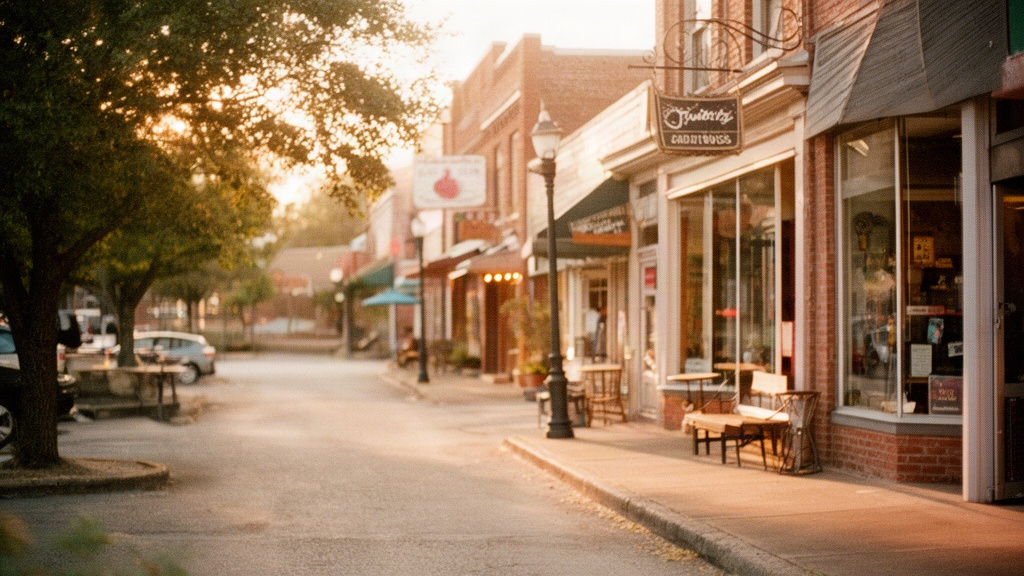
Indian Village proper consists of three parallel residential streets: Iroquois Avenue, Burns Avenue, and Seminole Street. These three blocks contain the densest concentration of large historic single-family homes in the district. Each street runs north to south and is lined with mature trees, wide lots, and homes that date primarily from 1895 through the early 1930s. The streetscape is cohesive in a way that is rare anywhere in Metro Detroit.
The area is listed on the National Register of Historic Places, which matters practically: it can affect renovation decisions, financing options, and the types of improvements permitted under local historic preservation guidelines. Buyers should factor this into their planning before closing.
What Sits Around Indian Village
East Jefferson Avenue forms the southern boundary and connects directly to downtown Detroit heading west, making it a primary commute corridor. Immediately south of East Jefferson, the Detroit River waterfront includes Maheras-Gentry Park, a riverfront green space with walking paths, a boat launch, and open lawn. Balduck Park, a larger park with athletic fields and wooded trails, is about a mile north on Mack Avenue. The Grosse Pointe municipalities begin just east of Alter Road, roughly one mile from the eastern edge of Indian Village.
2. Indian Village Detroit Real Estate Prices Right Now
Indian Village commands some of the highest per-home prices of any residential district in Detroit proper. In September 2026, homes on the three core streets (Iroquois, Burns, and Seminole) are typically listed between $350,000 and $900,000 depending on square footage, condition, and how much restoration work has been completed. The median sale price for the immediate Indian Village district has been hovering in the $475,000 to $550,000 range for well-maintained homes that have been updated without losing their historic character.
How Indian Village Compares to Detroit's Broader Market
Detroit's citywide median home price has climbed significantly over the past several years. According to HousingWire, Detroit sellers have been controlling the market as the citywide median price reached $257,000. Indian Village prices run roughly double that citywide median, reflecting the scale of the homes, the lot sizes, the architectural pedigree, and the historic designation. For buyers comparing options across Detroit, you can find a broader breakdown of citywide pricing in the Detroit, Michigan real estate market guide.
Homes that have been fully restored, with updated electrical, plumbing, HVAC, and kitchens while retaining original woodwork, plaster medallions, and leaded glass windows, are the ones pushing toward the upper end of that range. Homes needing significant work can still be found in the $250,000 to $350,000 range, but renovation costs on structures of this age and size are substantial and must be budgeted carefully.
What Different Price Points Get You
At the $350,000 to $450,000 level, buyers are typically looking at homes with 2,500 to 3,500 square feet that need cosmetic updates or have been partially renovated. These properties often retain original floors, trim, and built-ins but may have older mechanicals.
At the $550,000 to $750,000 level, buyers find homes in the 3,500 to 5,000 square foot range that have been thoughtfully restored: updated kitchens and baths, newer roofs and windows, and functioning original fireplaces. These are move-in ready with minimal deferred maintenance.
Above $750,000, buyers are looking at the largest estate-scale homes on the street, often exceeding 5,000 square feet, with carriage houses, formal gardens, and high-end finishes throughout. These listings are rare and tend to move quickly when they hit the market in good condition.
Property taxes in Detroit are a significant line item that buyers should understand before making an offer. The city's assessment and millage structure can result in tax bills that surprise buyers coming from suburban markets. Kay Davis recommends reviewing the property tax guide for Detroit home purchases before finalizing your budget.
3. The Housing Stock: Architecture, Lot Sizes, and Condition
The homes in Indian Village are genuinely large by any standard, and the architectural variety within a two-block radius is striking. Most structures were built between 1895 and 1930, meaning buyers are looking at homes that are now between 95 and 130 years old. That age brings character and craftsmanship that cannot be replicated, and it also brings real maintenance considerations.
Architectural Styles You Will Actually See
Colonial Revival is the most common style on the three core streets, characterized by symmetrical facades, brick or wood clapboard exteriors, multi-pane double-hung windows, and formal entry porticos. Tudor Revival homes appear frequently as well, with steeply pitched rooflines, decorative half-timbering, and arched doorways. Georgian Revival, Dutch Colonial, and Prairie-influenced designs round out the mix. A handful of homes show Craftsman influence in their wide front porches and exposed rafter tails.
Interior features that buyers consistently encounter include original hardwood floors (often quarter-sawn oak), plaster walls and ceilings with decorative moldings, wood-burning fireplaces with original tile surrounds, butler's pantries, formal dining rooms, and back staircases. These elements are part of what drives the price premium in Indian Village relative to other Detroit districts.
Lot Sizes and Property Layouts
Lots in Indian Village are generous by Detroit standards, typically running 50 to 75 feet wide and 150 to 200 feet deep. That translates to private rear yards, space for garages (many original carriage houses survive), and meaningful setbacks from the street. Corner lots are particularly sought after and tend to command a price premium when they come available.
What to Know About Older Construction
Buying a home built before 1950 in Detroit requires a thorough inspection approach. Knob-and-tube wiring, galvanized steel plumbing, original single-pane windows, and older boiler or radiator heating systems are all common in this vintage of construction. None of these are disqualifying on their own, but each carries a cost to update. A detailed inspection by someone experienced with pre-war construction is essential before making a final decision. Kay Davis has put together a dedicated resource on home inspections for older Detroit homes built before 1950 that covers exactly what to look for.
The historic designation also means that exterior alterations visible from the street generally require approval from the Detroit Historic District Commission. This applies to window replacements, roofing materials, additions, and fence installations. Buyers should ask sellers for documentation of any prior permits and approvals before closing.
4. Commute Times and Getting Around from Indian Village
Indian Village's location on East Jefferson Avenue gives it direct, uninterrupted access to downtown Detroit. That matters for buyers who are weighing urban living against suburban alternatives, and it is one of the practical advantages the district offers over other historic residential areas in the city.
Driving to Downtown Detroit
The drive from Indian Village to Campus Martius Park in the heart of downtown Detroit runs approximately four miles along East Jefferson Avenue. In normal morning traffic, that trip takes between 12 and 20 minutes depending on signal timing and whether there is construction activity along Jefferson. Off-peak, the same drive runs closer to 10 minutes. The route is entirely on surface streets with no highway required, which many residents find preferable to freeway commuting.
For trips to Midtown Detroit, the drive west along East Jefferson and then north on Woodward or St. Antoine covers roughly five to six miles and takes 15 to 25 minutes in typical morning traffic. Wayne State University, the Detroit Medical Center, and the Cultural Center are all within that range. For a deeper look at Midtown as a comparison point, the Midtown Detroit real estate market guide covers pricing and development activity there.
Public Transit and Biking Options
DDOT bus service runs along East Jefferson Avenue and connects Indian Village to downtown Detroit and points west. The route is functional for commuters willing to work around bus schedules, though service frequency varies by time of day. The QLine streetcar does not extend to Indian Village; the nearest stop is several miles west in Midtown. Buyers who rely on transit should test the specific routes they would use before committing to a purchase.
The East Jefferson corridor is also used by cyclists, and the relatively flat terrain between Indian Village and downtown makes biking a realistic option for some residents during warmer months. The riverfront path along the Detroit RiverWalk extends westward toward downtown and provides a low-traffic route separate from vehicle traffic.
5. Timing the Indian Village Market: When to Buy or Sell
Indian Village has a thin inventory at any given time, which changes how seasonal timing plays out compared to higher-volume Detroit markets. When only a handful of homes trade in a given year, the difference between a spring listing and a fall listing matters more than it would in a neighborhood with dozens of active listings.
Seasonal Patterns in This Pocket of Detroit
Spring (April through June) is historically the most active period for Indian Village listings. Buyers relocating for work tend to be in the market during that window, and the homes photograph beautifully once the mature trees are in full leaf. Multiple-offer situations are more common during spring than at any other time of year.
Summer (July and August) sees continued activity but with slightly fewer competing buyers in the market. A seller who missed the spring window can still achieve a strong result in summer, particularly if the home is well-priced and in good condition.
Fall (September through November) is a window that buyers sometimes underestimate. Sellers who list in fall are often motivated, and buyer competition is lighter than in spring. For buyers, this can mean more negotiating room and a calmer process. For a broader look at how fall timing plays out across Detroit, the article on selling a house in Detroit in fall 2026 is worth reading.
What the Current September 2026 Market Looks Like for Sellers and Buyers
In September 2026, the Indian Village market reflects the broader Detroit dynamic: inventory remains constrained, and well-priced homes in good condition are not sitting long. The Michigan housing market overall has continued to favor sellers in most price segments, as noted by Forbes Advisor's Michigan housing market analysis, and Indian Village is no exception. Days on market for move-in ready homes has been running between 20 and 45 days in this district, which is relatively brisk given the price point.
For buyers, the practical reality right now is that pre-approval and inspection readiness matter. Indian Village sellers at the upper end of the market are selective, and a clean offer with solid financing and a short inspection period is taken more seriously than a contingency-heavy offer at the same price. Working with an agent who knows this specific district and its sellers is not optional; it is the difference between getting a home and watching it go to someone else.
For sellers, pricing discipline is essential. Indian Village buyers at this price point are sophisticated and have typically toured comparable homes in the Grosse Pointes and other Metro Detroit markets. Overpricing relative to recent comparable sales leads to extended days on market, which erodes perceived value. A strategic pricing conversation with a knowledgeable local agent before listing is the most important step a seller can take.
Buyers who want to understand the full cost picture before making an offer should review the closing costs guide for buying a home in Detroit in 2026. At Indian Village price points, closing costs can run $10,000 to $20,000 or more depending on loan type and negotiated terms, so budgeting for them accurately matters.
FAQ
How many homes typically sell in Indian Village each year?
Indian Village is a small, geographically defined district with only three core residential streets. In most years, between 10 and 25 homes change hands within the historic district boundaries, which makes it a thin market by volume. That low turnover is part of what sustains prices: supply is structurally limited. Buyers should expect to wait for the right property rather than having multiple options to choose from at any given moment, and sellers benefit from that same scarcity when they are ready to list.
Are there any restrictions on renovating a home in Indian Village?
Yes. Indian Village is a locally designated historic district in Detroit, and exterior alterations visible from the public right-of-way require review and approval from the Detroit Historic District Commission before work begins. This covers changes to windows, roofing materials, siding, additions, fences, and outbuildings. Interior renovations are generally not regulated by the historic commission, though building permits are still required for structural and mechanical work. Buyers planning significant renovations should consult with the commission and a contractor experienced in historic preservation before finalizing their purchase plans.
How does the Indian Village real estate market compare to East English Village?
East English Village borders Indian Village to the north and east and offers a different set of trade-offs. Homes in East English Village are generally smaller, with square footage typically in the 1,200 to 2,200 range, and prices run considerably lower, often between $120,000 and $250,000 in September 2026. The architecture is primarily brick bungalows and Colonial Revival homes from the 1920s through 1940s. East English Village has its own local historic district designation as well. Buyers who want the East Side Detroit location but have a smaller budget, or who prefer a more modest home size, often look at both districts before deciding.