
← Back to Blog
Local Living
What Is It Actually Like to Live in Pagosa Springs Colorado Year Round, Including Winters, Road Conditions, and Access to Amenities
By Kaylee Irwin
September 16, 2026 · 11 min read
Living in Pagosa Springs, Colorado year round is genuinely different from visiting for a ski weekend or a summer rafting trip. The winters are real, the roads require attention, and the nearest big-box store is about an hour away. This guide covers what daily life actually looks like across all four seasons, from navigating Highway 160 in January to getting groceries, medical care, and internet service in a mountain town of roughly 1,800 residents.
1. The Four Seasons in Pagosa Springs and What Each One Demands
Pagosa Springs sits at about 7,100 feet elevation in the San Juan Mountains of southwestern Colorado. That elevation shapes every season. Summer days are warm but rarely brutal, with afternoon highs typically in the low to mid 80s and evenings that cool into the 50s. Winter lows regularly drop into the single digits. The town averages around 100 inches of snowfall per year, though that number swings significantly depending on whether Wolf Creek Pass, located about 23 miles east of town, has a big year.
Spring and Summer: The Long High Season
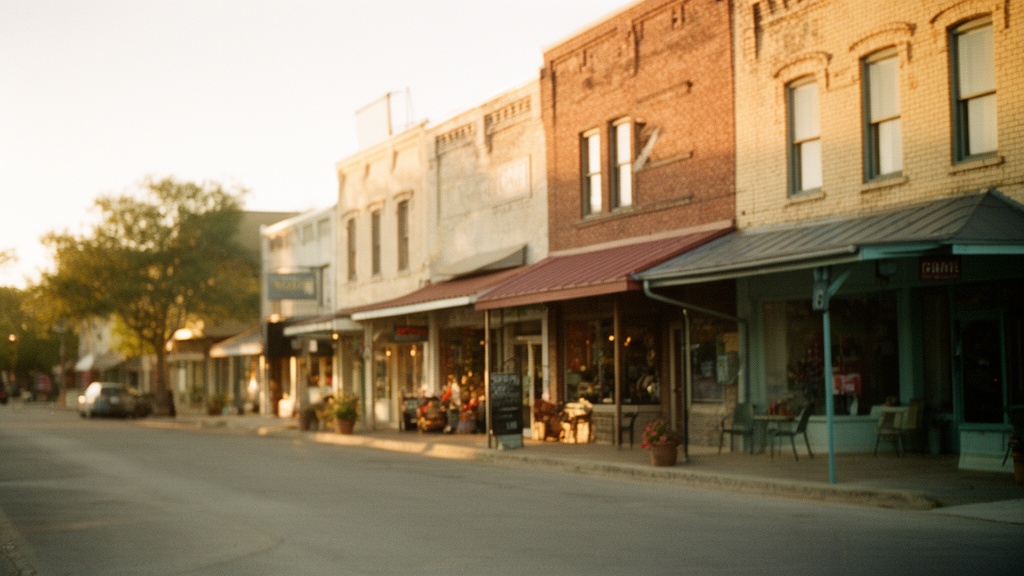
May through September is when Pagosa Springs is most alive. The San Juan River runs through the center of town, and the Pagosa Hot Springs pools along its banks stay busy. The Riverwalk connects downtown to the hot springs area and draws foot traffic from both locals and visitors. Farmers markets run on weekends, local restaurants fill up, and the population swells noticeably with seasonal tourists and second-home owners.
The surrounding San Juan National Forest offers hundreds of miles of trails accessible within 20 minutes of most neighborhoods. Piedra Road and Fourmile Road lead to trailheads that most residents use regularly. The Weminuche Wilderness, one of the largest wilderness areas in Colorado, is reachable in under an hour.
Fall: The Shoulder Season Most Locals Love
October in Pagosa Springs is genuinely striking. The aspen groves on the hillsides above town turn gold, the tourist crowds thin out, and temperatures drop into a comfortable range for hiking and mountain biking. Many long-term residents say October is their favorite month. Hunting season brings its own wave of visitors, particularly elk and deer hunters accessing the national forest.
By late October, the first meaningful snowfall is possible at elevation. Most years, town itself stays relatively clear through mid-November, but residents start thinking about firewood, propane tanks, and whether their vehicles are ready well before then.
Winter: What the Cold and Snow Really Mean Day to Day
Winter in Pagosa Springs runs from roughly December through March, and it is not mild. Temperatures regularly drop below zero overnight in January and February. The town itself receives less snow than the pass, but accumulations of 12 to 18 inches from a single storm are not unusual. Wolf Creek Ski Area, located on the pass, averages over 400 inches of snow per season, making it one of the snowiest ski areas in Colorado. Locals with ski passes treat this as a major perk.
The flip side is that winter requires preparation and a different pace. Outdoor gear, layering habits, and a reliable heating system are not optional. For a fuller picture of what the local housing stock looks like across different parts of town, the guide to neighborhoods and subdivisions in Pagosa Springs covers how elevation and location vary by area, which matters a lot when you are thinking about snow load and driveway grades.
2. Winter Road Conditions and Getting Around
Road conditions are one of the most practical realities of living in Pagosa Springs year round. The main corridor in and out of town is US Highway 160, which runs east toward Wolf Creek Pass and west toward South Fork and eventually Alamosa, and also west toward Durango, roughly 60 miles away. CDOT maintains the highway and the pass, but closures and chain restrictions happen every winter season.
Highway 160 and Wolf Creek Pass
Wolf Creek Pass crests at 10,857 feet. When a significant storm moves through, CDOT may close the pass entirely for several hours, sometimes longer. This is not a rare event. Most full-time residents plan around it, keeping supplies stocked and avoiding unnecessary travel during active storms. The CDOT website and the CoTrip app are tools most locals check before driving east in winter.
The drive to Durango on Highway 160 west is generally more manageable in winter than the pass, but it still crosses terrain that can be slick. The route takes 60 to 75 minutes in clear conditions. In a winter storm, add significant time and plan accordingly.
Local Roads and Neighborhood Access
Within Pagosa Springs, Archuleta County maintains most roads, but response times after a storm vary. Subdivisions outside of town, particularly those on steeper terrain or at higher elevation, may sit unplowed for 12 to 24 hours after a heavy snow. Driveways in many rural properties are long and steep, and a front-wheel-drive sedan will not cut it. This is a real consideration when evaluating a property.
Some HOA communities include road plowing as part of their dues structure. Others do not. Understanding what is covered before you buy matters. The article on extra costs of buying a home in Pagosa Springs covers HOA structures and other recurring costs that affect the real monthly expense of owning here.
What You Need in Your Driveway and Garage
Four-wheel drive or all-wheel drive is not a luxury in Pagosa Springs; it is a baseline expectation. Most full-time residents also keep a set of dedicated winter tires, a quality snow blower or snowplow attachment for a tractor, and a supply of sand or gravel for icy driveways. If you are moving from a flat climate, budget for these items before your first winter. A reliable snow blower runs anywhere from $600 to $2,000 depending on capacity, and a good set of studded winter tires adds another $800 to $1,200 installed.
3. Access to Groceries, Shopping, and Daily Errands
Pagosa Springs has enough for daily basics, but not everything. Understanding what you can get in town and what requires a trip to Durango is one of the most important adjustments for anyone relocating from a suburban or urban area. This is not a complaint about the town; it is simply the reality of living in a small mountain community 60 miles from the nearest regional hub.
What You Can Get in Town
Pagosa Springs has a City Market grocery store, which is the primary full-service grocery option in town. There is also a Walmart Supercenter, which covers most household staples, basic clothing, and some hardware needs. Several local restaurants operate year round, including options along Pagosa Street and near the hot springs. A handful of locally owned shops, a hardware store, and a True Value cover basic home and ranch supply needs.
For specialty groceries, organic produce, or specific dietary items, in-town options are limited. Many residents supplement with Amazon deliveries, though delivery windows to rural addresses can run longer than in urban areas.
The Durango Run and What It Covers
Most full-time residents make a trip to Durango once or twice a month for larger shopping needs. Durango has a Costco, a Home Depot, Target, multiple specialty grocery options including Natural Grocers, and a broader range of restaurants and retail. The drive is about 60 miles on Highway 160 and takes roughly 60 to 75 minutes each way. Locals plan these trips strategically, combining Costco runs with medical appointments, specialty errands, and anything else that requires a bigger town.
For context on what the Pagosa to Durango drive looks like in practice, including road conditions and commute times, the dedicated article on the Pagosa Springs to Durango commute goes into detail on what that corridor is like in all seasons.
Planning Ahead as a Way of Life
Living remotely changes your relationship with planning. Residents who thrive in Pagosa Springs tend to keep a well-stocked pantry, order non-perishables online in bulk, and think ahead before a storm closes the pass. Running out of a prescription or a critical household item on a Friday evening during a January storm is a real scenario that new residents sometimes encounter once before adjusting their habits. This is not a hardship for most people who choose this lifestyle intentionally; it is simply a different rhythm.
4. Healthcare, Services, and Internet in a Remote Mountain Town
Healthcare access is one of the most common questions from people considering a move to Pagosa Springs. The short answer is that primary care and urgent care are available locally, but anything requiring a specialist or a hospital stay typically means Durango or further. This is a genuine consideration for anyone with chronic health conditions or a family with young children who may need pediatric specialty care.
Medical Care in Pagosa Springs
Pagosa Springs Medical Center is the main healthcare facility in town. It operates a critical access hospital, an emergency room, and a range of primary care and some specialty clinics. Dental offices and optometry practices operate locally as well. For orthopedic surgery, cardiology, oncology, or other specialty care, most patients travel to Mercy Regional Medical Center in Durango, which is a full-service regional hospital.
Telehealth has made a meaningful difference for many Pagosa Springs residents, particularly for follow-up appointments and mental health services. The combination of a local ER and telehealth covers a wide range of needs, but it requires being realistic about what in-person specialty care requires a drive.
Internet and Cell Service
Internet service in Pagosa Springs has improved significantly in recent years but remains variable depending on location. Within town limits, fiber and cable internet options are available through providers including Spectrum, and speeds adequate for remote work are accessible for most in-town addresses. Properties outside of town, particularly in rural subdivisions or on larger acreage parcels, may be limited to fixed wireless, satellite, or Starlink. Starlink has become widely used in the area and provides workable speeds for most remote workers, though latency and performance can vary during peak hours.
Cell service follows a similar pattern. In-town coverage from major carriers including Verizon and AT&T is generally reliable. Once you leave town on county roads or into the national forest, dead zones are common. This is worth testing at any specific property you are seriously considering.
Other Services Worth Knowing
Pagosa Springs has a public library, a post office, a senior center, and a small but active arts community anchored by the Pagosa Springs Center for the Arts. The town hosts events through most of the year, including the Pagosa Folk 'N Bluegrass festival in summer and various holiday events in winter. The Pagosa Springs Hot Springs, operated by The Springs Resort and Spa, is a significant local landmark and a year-round destination that many residents use regularly.
Banking, insurance, and legal services are available locally in limited form. Most residents handle more complex financial or legal matters in Durango. Auto repair shops, plumbers, electricians, and HVAC contractors operate in the area, though scheduling a contractor during busy seasons can require lead time.
5. What Year-Round Life Costs Beyond the Mortgage
The cost of living in Pagosa Springs involves more than the purchase price of a home. Heating, vehicle maintenance, and the logistical costs of living remotely add up in ways that are easy to underestimate if you are accustomed to suburban infrastructure. For a detailed look at what buyers pay beyond the purchase price, the article on average home prices in Pagosa Springs in September 2026 provides current market context.
Heating and Utilities
Most homes in Pagosa Springs rely on propane for heat, since natural gas lines do not extend to most of the area. Propane costs fluctuate with the market, but a household in a 2,000 square foot home can expect to spend between $2,000 and $4,000 or more on propane over a full winter depending on how cold the season runs, how well-insulated the home is, and how warm residents keep the house. Locking in a pre-buy rate before the heating season starts in October is a strategy many locals use to manage costs.
Electric rates in Archuleta County are served by San Luis Valley Rural Electric Cooperative and are generally in line with rural Colorado rates. Many homes also have wood stoves as a supplemental heat source, which reduces propane consumption for residents who split and stack their own firewood or purchase cords locally.
Vehicle and Transportation Costs
There is no public transit in Pagosa Springs. Every errand requires a vehicle. Most households run two vehicles, and both need to be capable of winter driving. Fuel costs are higher than the Front Range because Pagosa Springs is a long way from a fuel distribution hub. As of September 2026, gas prices in town typically run 20 to 40 cents per gallon above Denver-area prices. Annual tire and vehicle maintenance costs are higher than average due to road conditions and the mileage that accumulates from Durango runs and mountain driving.
The Trade-Offs Most Residents Accept
People who live in Pagosa Springs year round are generally not there by accident. The trade-offs, including higher heating bills, longer drives for specialty goods, and real winters, are accepted in exchange for direct access to public land, a small-town pace, and a physical environment that is difficult to replicate anywhere closer to a metro area. The Weminuche Wilderness, the San Juan River, Wolf Creek Ski Area, and the hot springs are not amenities that require a weekend trip; they are part of the daily backdrop.
For those considering a purchase, understanding the full picture of year-round life is essential before committing. Resources like the overview of living in Pagosa Springs year-round from Jeremiah Aukerman offer additional perspectives from people who have made the transition.
FAQ
Does Pagosa Springs get a lot of snow in winter, and does it affect daily life significantly?
Pagosa Springs town itself averages around 100 inches of snowfall per year, with Wolf Creek Pass receiving over 400 inches in a good season. Snow does affect daily life in meaningful ways: roads require four-wheel drive or all-wheel drive vehicles, driveways and rural roads may go unplowed for 12 to 24 hours after a storm, and Wolf Creek Pass can close temporarily during heavy snowfall. Most year-round residents adapt quickly by keeping vehicles properly equipped, maintaining a well-stocked pantry, and checking CDOT road conditions before driving east. The winters are real and require preparation, but they are manageable for people who plan for them.
Is it realistic to work remotely from Pagosa Springs, Colorado?
Remote work is possible in Pagosa Springs, but internet service quality depends heavily on your specific address. Within town limits, cable and fiber internet options through providers like Spectrum support most remote work needs. Properties outside of town may be limited to fixed wireless or Starlink satellite internet, which works for most tasks but can have higher latency. Cell service from major carriers is reliable in town and drops off on rural roads and in the national forest. Before purchasing a property for remote work purposes, it is worth testing the actual internet connection at that specific address rather than relying on coverage maps alone.
What do residents do for healthcare in Pagosa Springs?
Pagosa Springs Medical Center serves as the town's main healthcare facility, operating a critical access hospital, an emergency room, and primary care clinics. Dental and optometry services are also available locally. For specialty care including cardiology, orthopedics, or oncology, most residents travel to Mercy Regional Medical Center in Durango, about 60 miles west. Telehealth has expanded access for follow-up care and mental health services, which many residents use to reduce the frequency of Durango trips. Anyone with significant or ongoing medical needs should evaluate the local healthcare landscape carefully before committing to a move.