
← Back to Blog
Market Trends
Pagosa Springs, Colorado Real Estate Market Guide: Prices, Neighborhoods and Timing — What Locals Actually Know
By Kaylee Irwin
September 17, 2026 · 11 min read
If you are researching the Pagosa Springs, Colorado real estate market and wondering what locals actually know about prices, neighborhoods, and timing, this guide pulls it all together in one place. The market here behaves differently than most Colorado mountain towns, and understanding those nuances can save you real money whether you are buying, selling, or relocating. Here is what you need to know before making a move.
1. What Makes the Pagosa Springs Market Different From Other Colorado Mountain Towns
Pagosa Springs operates on its own logic. It sits at roughly 7,100 feet elevation in Archuleta County, about 60 miles east of Durango on U.S. Highway 160, and its real estate market reflects the character of a town that is genuinely remote without being inaccessible. The nearest major airport is Durango-La Plata County Airport, about an hour west, and that distance shapes who buys here and why.
A Smaller, More Seasonal Inventory Pool
Pagosa Springs has a full-time population of roughly 1,900 people within city limits, with Archuleta County overall sitting around 14,000 residents. That small base means active inventory at any given moment is measured in dozens of listings, not hundreds. When a well-priced property hits the market, it moves. When a property is overpriced, it can sit for months without much competitive pressure to force a correction.
The town's economy runs on tourism anchored by the Pagosa Springs hot springs along the San Juan River, Wolf Creek Ski Area about 23 miles to the northeast, and a growing outdoor recreation draw that brings visitors from Texas, Arizona, and the Front Range. That tourism base creates consistent demand for short-term rental properties, which competes directly with local buyers looking for primary residences.
The Role of Second Homes and Vacation Properties
A significant share of Pagosa Springs real estate transactions involve buyers who are not relocating full-time. Second home and vacation property buyers often have different financing profiles, different urgency levels, and different price tolerances than primary residence buyers. This mix keeps prices from behaving the way they might in a purely residential market. A buyer from Dallas purchasing a mountain cabin will weigh value differently than a local nurse buying her first home near the hospital.
For anyone researching the Pagosa Springs, Colorado real estate market, understanding this dual-demand dynamic is the first step. It explains why prices held up through interest rate increases that hammered other markets, and why entry-level inventory under $400,000 is consistently tight.
2. Current Prices in Pagosa Springs: What the Numbers Say in September 2026
Prices in Pagosa Springs currently sit well above where they were five years ago, though the pace of appreciation has moderated from the sharp run-up seen between 2020 and 2022. As of September 2026, the median home price in Pagosa Springs is in the range of $480,000 to $530,000 depending on the data source and whether rural acreage parcels are included in the calculation.
Median Home Price and Price Per Square Foot
Price per square foot currently runs between $230 and $290 for typical single-family homes in established subdivisions like Pagosa Lakes. Newer construction, log-style homes, and properties with direct river or mountain views push toward $320 to $380 per square foot. Cabins on acreage east of town along Blanco Basin Road or south toward Chromo carry wide price variance depending on road access, water source, and proximity to the national forest boundary.
Condominiums and townhomes, which represent a smaller slice of the market, generally start around $280,000 for smaller units and range up to $450,000 for larger or recently updated properties near the hot springs district. Land-only parcels in Pagosa Lakes and surrounding areas start around $40,000 for smaller lots and climb significantly for acreage with utilities already stubbed in.
For a detailed breakdown of the current median figures, Redfin's Pagosa Springs housing market page tracks active listings, days on market, and sale-to-list price ratios updated regularly. Cross-referencing that with local MLS data gives the clearest picture of where prices actually land at closing.
How Prices Have Shifted Over the Past Decade
The long view matters here. The Pagosa Daily Post published a detailed ten-year analysis of local real estate trends that is worth reading if you want to understand how the market has evolved since 2015. The analysis shows that Pagosa Springs went through a prolonged period of modest appreciation before the 2020 to 2022 surge, followed by a stabilization phase. That pattern differs from what happened in Telluride or Steamboat Springs, where prices ran further and correction was sharper.
You can read that full analysis at the Pagosa Daily Post's ten-year real estate review. It provides useful historical context for anyone trying to evaluate whether current asking prices are reasonable relative to the town's trajectory.
For a current snapshot of what homes are listed at right now, the complete buyer's guide to homes for sale in Pagosa Springs covers what to expect at each price point across the market.
3. Neighborhood Breakdown: What Each Area of Pagosa Springs Offers
Pagosa Springs is not a large town, but its geography creates distinct pockets of housing stock with different price ranges, lot configurations, and access to amenities. Knowing the physical differences between these areas helps buyers narrow a search before they ever step foot in a property.
Downtown and East Village
The downtown core sits along Pagosa Street and Hot Springs Boulevard, within walking distance of the Healing Waters Resort and Spa, the San Juan River, and the main commercial corridor with restaurants, galleries, and the weekly farmers market. Homes here tend to be older, often built between the 1950s and 1980s, with smaller lots typically under a quarter acre. Prices for single-family homes in this walkable zone range from roughly $350,000 for a fixer to $600,000 or more for a renovated property with river proximity.
East Village, the neighborhood extending east along Highway 160 toward the Piedra Road intersection, offers a mix of modestly sized homes and some newer infill construction. The East Village area has seen renovation activity as buyers look for walkable options at prices below the Pagosa Lakes range.
Pagosa Lakes
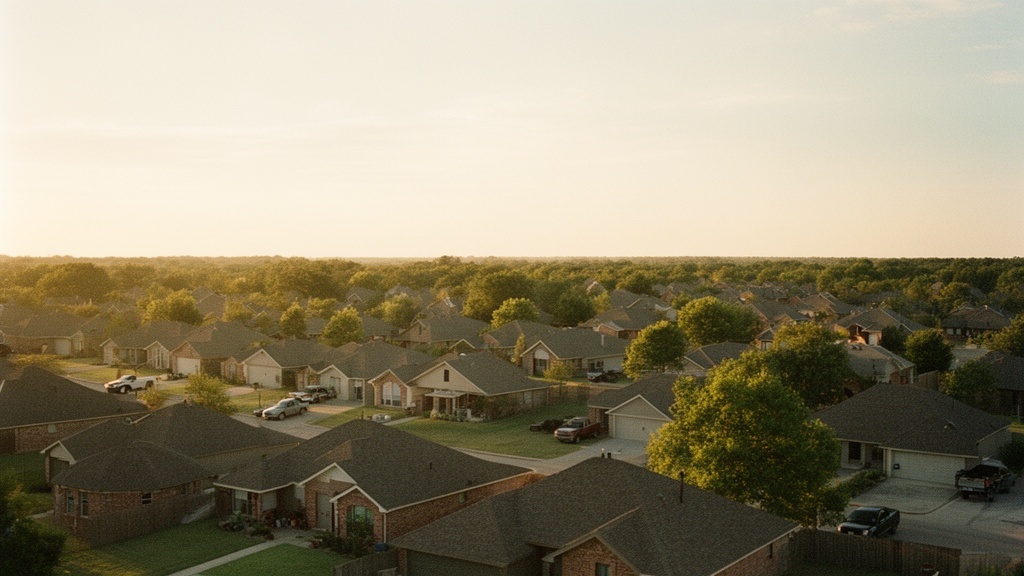
Pagosa Lakes is the largest planned residential community in Archuleta County, covering several square miles west of downtown with a network of lakes, a property owners association, and a mix of housing types from modest three-bedroom homes to larger custom builds. The community includes amenities such as tennis courts, a recreation center, boat ramps, and maintained common areas.
Prices in Pagosa Lakes currently range from the low $400,000s for smaller, older homes on interior lots to well over $700,000 for lakefront properties or larger homes with mountain views. The HOA structure means buyers need to factor in monthly dues, which vary by section. For a thorough look at this specific area, the Pagosa Lakes real estate market guide covers pricing, lot types, and what the HOA actually governs.
South Fork Road and Rural Acreage Corridors
Heading south on Piedra Road or east along Blanco Basin Road opens up the rural acreage market. Properties here typically sit on two to forty acres, often with well and septic rather than municipal utilities, and frequently border or sit near San Juan National Forest land. Log homes, manufactured homes on permanent foundations, and custom timber-frame builds all appear in this corridor.
Buyers drawn to this area value privacy, acreage, and direct access to trails and hunting grounds. The tradeoff is road conditions in winter, longer drives to town for groceries or medical care, and the added cost of maintaining private water and septic systems. Prices range widely, from $350,000 for a smaller cabin with basic amenities to over $1 million for a well-appointed home on significant acreage with creek frontage.
The Springs Boulevard and West Side
The west side of Pagosa Springs along Hot Springs Boulevard and extending toward the Walmart and commercial strip on Highway 160 includes a mix of newer construction, manufactured home parks, and some light commercial zoning. This corridor has seen the most new development activity in recent years as builders respond to demand for more attainable price points. Homes in this area often start in the $320,000 to $420,000 range for newer builds, making it one of the more accessible entry points into the Pagosa Springs market.
For a full breakdown of all areas including smaller subdivisions and rural pockets, the Pagosa Springs neighborhoods and subdivisions guide goes deeper on each area's housing stock, lot sizes, and what buyers typically find at each price tier.
4. Timing the Market: When to Buy and When to Sell in Pagosa Springs
Timing in Pagosa Springs follows a seasonal pattern that differs from the Front Range. The market does not behave like Denver, where spring is the dominant selling season. Here, the rhythm is shaped by ski season, summer tourism, and the reality that many buyers are visiting from out of state and making decisions during vacation trips.
The Seasonal Rhythm Locals Watch
Summer, specifically June through August, brings the highest foot traffic and the most out-of-state buyer activity. Visitors come for rafting on the San Juan, hiking in the Weminuche Wilderness, and the hot springs, and some of them start browsing real estate while they are in town. This creates a seasonal demand spike that sellers can take advantage of by listing in late May or early June before inventory peaks.
Winter brings a different buyer profile: ski-focused second home buyers who want proximity to Wolf Creek, which averages over 400 inches of snowfall per year and sits at a base elevation of 10,300 feet. This group tends to be serious and financially prepared, which means well-priced ski-adjacent properties can move quickly between November and February even as overall inventory thins out.
Why Fall Has Become a Serious Window
September and October have quietly become one of the more productive windows in the Pagosa Springs market. Summer visitors who toured properties in July and August often circle back in fall once they have made a decision. Meanwhile, sellers who did not get the price they wanted over summer sometimes become more negotiable as the ski season approaches and they face another winter carrying the property.
Right now in September 2026, the market is in that transitional window. Buyers who are ready to move can often find motivated sellers, reduced competition from other buyers, and properties that have had price reductions after sitting through summer. For sellers, listing in September with a clean presentation and accurate pricing still reaches a meaningful pool of buyers before the market quiets in November.
The question of whether this is currently a buyer's or seller's market is covered in depth in the fall 2026 Pagosa Springs market conditions article, which breaks down inventory levels, days on market, and negotiating leverage as of this month.
5. What Buyers and Sellers Need to Know Before Closing in Pagosa Springs
The Pagosa Springs market has a few structural realities that catch buyers and sellers off guard if they are coming from larger metro markets. Knowing these in advance prevents surprises during the transaction.
Hidden Costs That Catch People Off Guard
Wildfire insurance is a real line item here. Archuleta County sits in a high wildfire risk zone, and insurers have responded by raising premiums or, in some cases, declining to write new policies on properties in heavily forested or rural areas. Buyers purchasing a home with acreage or in a forested subdivision should budget for insurance costs that can run $3,000 to $6,000 per year or more depending on the property's location and construction.
Well and septic systems are standard outside of the municipal utility zone, and inspecting both thoroughly is not optional. A failing septic system can cost $15,000 to $40,000 to replace depending on soil conditions and lot size. Well flow rate and water quality testing should happen before removing inspection contingencies on any rural property. HOA dues in Pagosa Lakes and other planned communities add another layer of monthly cost that varies by section and amenity access.
Property taxes in Archuleta County are calculated on assessed value using Colorado's residential assessment rate, and the actual tax burden on a $500,000 home is often lower than buyers expect compared to other states. The property taxes in Pagosa Springs guide explains exactly how the calculation works and what to budget.
How Long Homes Are Sitting on the Market
Days on market in Pagosa Springs currently average between 45 and 90 days for most residential properties, with well-priced homes in the $400,000 to $550,000 range moving faster than properties above $700,000. Overpriced listings can sit for six months or longer without offers, which is a meaningful consideration for sellers setting an initial asking price.
For sellers, the decision of when to reduce a price and by how much is one of the most consequential calls in a Pagosa Springs transaction. A property that sits too long accumulates stigma in a small market where buyers and agents notice listings that have been available for months. Getting the pricing right at launch matters more here than in a high-volume metro market where a price reduction can be absorbed by fresh buyer traffic.
The article on how long homes take to sell in Pagosa Springs breaks down average days on market by price range and property type, which is useful context for both buyers and sellers calibrating their expectations.
FAQ
What is the average home price in Pagosa Springs, Colorado right now?
As of September 2026, the median home price in Pagosa Springs is in the range of $480,000 to $530,000 for single-family homes, depending on whether rural acreage properties are included in the calculation. Price per square foot for typical homes in established subdivisions like Pagosa Lakes runs between $230 and $290, while newer construction and view properties push higher. Entry-level condominiums start around $280,000, and rural acreage homes vary widely based on lot size, water source, and proximity to national forest land. Tracking both the median and the price-per-square-foot figures together gives a more accurate read on where the market is than either number alone.
Is it a good time to buy or sell in Pagosa Springs in September 2026?
September 2026 sits in a transitional window that tends to favor prepared buyers. Summer buyer traffic has peaked, some sellers who did not close over summer are more negotiable, and competition from other buyers is lower than it was in June and July. For sellers, the window is still workable if a property is priced accurately and presented well, since fall brings a wave of buyers who toured during summer and are now ready to commit. The key variable is pricing: overpriced listings in a small market like Pagosa Springs accumulate days on market quickly, which weakens a seller's negotiating position heading into the slower winter months.
Do most locals recommend buying in Pagosa Lakes or closer to downtown Pagosa Springs?
The honest answer is that the right choice depends entirely on what a buyer is looking for in terms of housing type, lot size, amenity access, and price range, and both areas have genuine appeal for different reasons. Downtown and East Village offer walkability to the hot springs, restaurants, and the San Juan River, with older housing stock at prices that can start lower than Pagosa Lakes. Pagosa Lakes offers newer homes, HOA-maintained common areas, lake access, and a wider range of lot configurations, but adds monthly HOA dues to the cost of ownership. Buyers should visit both areas in person, evaluate the specific properties available at their budget, and make the decision based on the physical features that matter most to them rather than a general recommendation.