
← Back to Blog
Market Trends
Pagosa Springs, Colorado Real Estate Market Guide: Prices, Neighborhoods and Timing
By Kaylee Irwin
September 15, 2026 · 11 min read
This Pagosa Springs, Colorado real estate market guide covers everything buyers, sellers, and relocating households need to know right now: where prices stand in September 2026, how the different areas of town compare on housing stock and price range, and how to think about timing your move in a market that behaves differently than most Colorado cities.
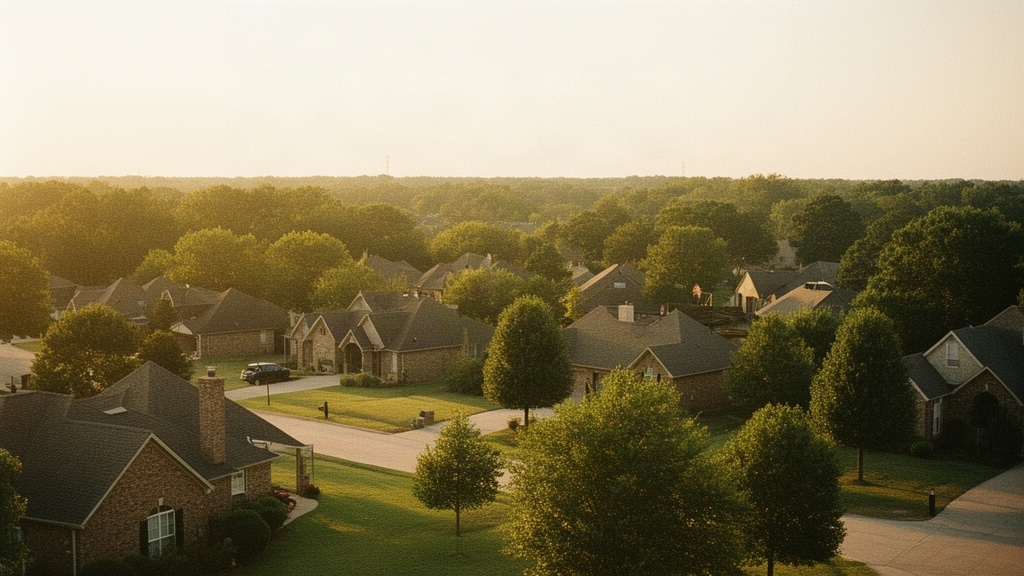
1. How the Pagosa Springs Market Works
Pagosa Springs operates on a different rhythm than Colorado's Front Range cities. Inventory is thin, the buyer pool is national rather than local, and prices are more sensitive to interest rate shifts and seasonal tourism patterns than to Denver or Durango employment trends. Understanding that dynamic is the first step to making a confident decision here.
A Mountain Market, Not a Metro Market
Pagosa Springs sits at roughly 7,100 feet elevation in Archuleta County, about 60 miles east of Durango along U.S. Highway 160. The permanent population hovers near 2,000 in the town proper, with the broader county reaching around 14,000 residents. That small base means the total number of homes that sell in any given month is measured in dozens, not hundreds, so a single large transaction can move the median noticeably.
The San Juan River runs through the center of town, and the world's deepest hot springs sit right on the riverbank. Wolf Creek Ski Area is 23 miles east on Highway 160 and averages more than 400 inches of snowfall per year. Those two anchors, the hot springs and the ski access, pull buyers from Texas, Arizona, and the Midwest who are purchasing second homes, retirement properties, or investment rentals. That out-of-state demand is a defining feature of this market.
What the Data Shows Right Now
As of September 2026, the Pagosa Springs market is in a period of moderate balance. Homes are spending more days on market than they did during the 2021 and 2022 peak, and sellers are more frequently accepting offers below list price. You can track current median price trends on Redfin's Pagosa Springs market page, which updates monthly. For a longer view of how prices have moved over the past decade, the Pagosa Daily Post published a detailed 10-year analysis that puts current conditions in useful historical context.
For the most granular current figures specific to Pagosa Springs, Kaylee Irwin tracks active listings, pending sales, and price-per-square-foot data across all Archuleta County subdivisions and can give you a real-time picture that no national portal fully captures.
2. Home Prices Across Pagosa Springs in September 2026
Prices in Pagosa Springs vary considerably depending on location, lot size, water source, and whether the property has ski or river access. The broad median for single-family homes in Archuleta County currently sits in the mid-to-upper $400,000s, but that number masks a wide spread from entry-level cabins under $300,000 to riverfront and mountain-view properties well above $1 million. For a detailed breakdown of the current median, see our dedicated post on average home prices in Pagosa Springs in September 2026.
Price Ranges by Area
Town-center properties within walking distance of the hot springs and the downtown shops on Pagosa Street generally price between $350,000 and $650,000 for a single-family home, depending on lot size and condition. Pagosa Lakes, the large planned community on the west side of town, covers a wide range from around $280,000 for a smaller home on a standard lot to over $700,000 for a lakefront or golf-course-adjacent property.
Rural properties on acreage in the Blanco Basin, Chromo, or Chama River corridors start around $300,000 for a modest cabin on a few acres and climb steeply with acreage and improvements. Properties with deeded water rights, a productive well, and a permitted septic system on 35 or more acres routinely list above $800,000. Land-only parcels in these corridors typically range from $50,000 to $250,000 depending on access, utilities, and acreage.
What Drives Price Differences Here
Several factors push prices up or down more sharply in Pagosa Springs than they would in a typical Colorado suburb. Water source matters enormously: a home on Pagosa Area Water and Sanitation District service is simpler to finance and insure than one on a private well and septic. Road access is another major variable; properties on maintained county roads command a premium over those reached by seasonal or unmaintained roads, particularly for buyers who plan to live here year-round.
Views of the San Juan Mountains, proximity to the San Juan River or one of the Pagosa Lakes, and short driving distance to Wolf Creek Pass all add measurable value. Wildfire risk zone designation also affects both price and the cost of homeowners insurance, which has become a significant line item in Archuleta County budgets. Our post on extra costs when buying a home in Pagosa Springs covers these ownership costs in detail.
3. The Different Areas of Town and What They Offer
Pagosa Springs is not a single uniform market. Each area has a distinct housing stock, lot character, and set of trade-offs that matter to buyers and sellers differently. Knowing those distinctions helps you price correctly as a seller and search efficiently as a buyer. For a full breakdown of every major subdivision and surrounding community, our dedicated guide to neighborhoods and subdivisions in Pagosa Springs goes deeper on each area.
Town Center and the Hot Sulphur Core
The original townsite sits on both sides of the San Juan River, anchored by the Springs Resort and Spa on the south bank and the downtown commercial strip along Pagosa Street on the north. Homes here tend to be older, built primarily between the 1950s and 1980s, on smaller lots measured in fractions of an acre. You get walkability to the hot springs, the Riverwalk trail system, Reservoir Hill open space, and the weekly farmers market, all without a car.
The trade-off is lot size and privacy. These are not acreage properties. Buyers who want that in-town convenience and are comfortable with a quarter-acre or smaller lot find good value here relative to the amenity access. Sellers in this zone benefit from the walkability premium, particularly with buyers coming from urban markets who prioritize that feature.
Pagosa Lakes and the West Side
Pagosa Lakes is the largest planned community in Archuleta County, stretching west of downtown along U.S. 160 and south toward Lake Pagosa and Pinon Lake. The development encompasses multiple sections built across several decades, so you find everything from 1970s ranch-style homes to newer construction completed in the last five years. Lot sizes range from standard residential parcels around 0.2 acres up to larger lots backing open space or water.
The Pagosa Lakes Property Owners Association manages common areas, the tennis and pickleball courts, a recreation center, and lake access points. HOA fees apply throughout the community and vary by section. The Pagosa Springs Golf Club, an 18-hole course with mountain views, sits within the community boundaries. Properties backing the fairways or fronting the lakes carry a consistent price premium over comparable homes on interior lots.
Upper and Lower Blanco, Chromo, and the Outlying Areas
South of town along U.S. 84 toward Chama, New Mexico, and east along the Blanco River corridor, the landscape opens into broader ranch and cabin country. These areas attract buyers who want acreage, privacy, and proximity to hunting, fishing, and off-road recreation on adjacent national forest land. The Blanco River itself is a productive trout fishery, and properties with direct river frontage are consistently in demand.
Distances to town services matter here. Chromo is roughly 30 miles south of Pagosa Springs on Highway 84, and properties in that corridor can be 45 minutes or more from the nearest grocery store. Buyers planning year-round occupancy should factor in road conditions on county roads during winter months, as not all routes are maintained to the same standard. These are real practical considerations, not deterrents; many year-round residents specifically choose this distance for the seclusion it provides.
4. Market Timing: When to Buy or Sell in Pagosa Springs
Timing in Pagosa Springs follows a seasonal pattern tied to tourism and ski season, but the conventional wisdom that spring is the only time to transact is less accurate here than in most markets. Both buyers and sellers can find strategic advantages in fall and even winter months, depending on their goals.
The Seasonal Pattern
Listing activity in Pagosa Springs typically picks up in April and May as snow recedes from mountain roads and out-of-state buyers begin planning summer trips that double as property searches. June through August is the period of highest buyer traffic, driven by summer tourism, and sellers who price correctly during this window often see the most competitive offer situations.
October through December brings a second, smaller wave of activity tied to ski season anticipation. Buyers who want to be settled before Wolf Creek opens for skiing sometimes push to close in October or November. January and February are the quietest months for listings but not necessarily for motivated buyers, who face less competition from other purchasers during that window.
What Fall 2026 Looks Like Specifically
In September 2026, Pagosa Springs has more active inventory than it did at this point in 2024 or 2025, which gives buyers more options and more negotiating room than they had during the tighter years. Sellers who listed during the summer peak and did not sell are now weighing price reductions heading into fall. That creates a window where motivated sellers and prepared buyers can find common ground more readily than they could 18 months ago.
Interest rates remain a factor for financed buyers, but cash purchases continue to represent a meaningful share of Pagosa Springs transactions, particularly in the second-home and investment segments. Sellers should price based on recent comparable sales rather than the peak values of 2022; overpricing in the current environment leads to extended days on market, which in turn signals weakness to subsequent buyers. For a more detailed look at current supply and demand conditions, Kaylee Irwin can walk you through the most recent absorption rate data for your specific property type.
5. Key Factors That Shape Every Transaction Here
Pagosa Springs transactions involve due diligence items that simply do not come up in suburban Colorado markets. Buyers who research these before making an offer avoid expensive surprises after going under contract. Sellers who understand them can prepare their property for smoother closings.
Land and Water Rights
Colorado is a prior appropriation state, which means water rights are separate from land ownership and are bought and sold independently. On rural properties, understanding what water rights convey with the land, whether that is a decreed well permit, a ditch share, or a spring right, is essential before closing. Some parcels in Archuleta County have no decreed water rights at all and rely on a domestic well permit that limits use to household purposes only.
A water rights attorney review and a well yield test are standard practice on rural Pagosa Springs properties. Title companies here are experienced with these issues, but the buyer's agent needs to know which questions to ask and which contingencies to build into the contract to protect the buyer if the water situation turns out to be different from what was represented.
Wildfire Insurance and Well and Septic
Archuleta County sits in a region where wildfire insurance has become harder to obtain and significantly more expensive over the past several years. Some properties in high-risk zones are no longer insurable through standard carriers and require surplus lines coverage at substantially higher premiums. Buyers should obtain insurance quotes before removing contingencies, not after, because an uninsurable property cannot be financed with a conventional mortgage.
On properties served by private wells and septic systems, a well flow test and a septic inspection are non-negotiable due diligence steps. A well that produces less than three to five gallons per minute can create problems for year-round occupancy, and a septic system that needs replacement can cost $20,000 to $50,000 or more depending on soil conditions and system size. These inspections are relatively inexpensive and protect buyers from significant post-closing costs.
HOA Structures and Covenants
Many Pagosa Springs subdivisions, including Pagosa Lakes, Aspen Springs, and several newer developments, have active homeowners associations with recorded covenants. These covenants can govern everything from exterior paint colors and fence heights to short-term rental permissions and the number of animals allowed on the property. For buyers planning to use a property as a vacation rental, confirming that the HOA and county zoning both permit short-term rentals is a critical step before making an offer.
Archuleta County adopted short-term rental regulations in recent years that require a license and impose occupancy and operational standards. The rules have evolved and continue to be updated, so buyers specifically purchasing for rental income should verify current county requirements directly with the Archuleta County planning department. Our post on property taxes in Pagosa Springs also covers how rental use can affect your property tax classification.
If you are looking at new construction options rather than existing homes, our guide to new construction developments in Pagosa Springs in 2026 outlines what is currently being built, which subdivisions have active phases, and what builder contract terms typically look like in this market.
FAQ
Is Pagosa Springs a buyer's market or a seller's market right now?
As of September 2026, Pagosa Springs has shifted toward more balanced conditions after the strong seller's market of 2021 and 2022. Inventory has increased compared to those peak years, and homes are spending more days on market before going under contract. Sellers still achieve reasonable prices when they price accurately based on current comparable sales, but the multiple-offer situations that were common two to three years ago are less frequent. Buyers have more negotiating room than they have had in several years, particularly on properties that have been sitting on the market for more than 60 days.
What should I know about financing a home in Pagosa Springs compared to buying in a city?
Lenders apply additional scrutiny to rural and mountain properties that have features uncommon in suburban markets. A home on a private well and septic, a property accessed by an easement rather than a public road, or a log or post-and-beam construction home may require additional appraisal documentation or a specialized loan product. Buyers planning to purchase in outlying areas should work with a lender who has experience with rural Colorado properties, not just a national online lender unfamiliar with these nuances. Wildfire insurance requirements can also affect loan approval, since lenders require proof of adequate coverage before closing. Getting pre-approved and addressing these property-specific financing questions early in the process prevents delays once you find the right home.
How long does it typically take to close on a home in Pagosa Springs?
Standard closings in Pagosa Springs run 30 to 45 days for financed purchases, similar to most Colorado markets. However, rural properties with wells, septic systems, and complex water rights situations often require additional inspection and review time, and a 45 to 60 day timeline is more realistic for those. Cash purchases can close faster, sometimes in two to three weeks, which is one reason cash buyers hold a competitive advantage in this market. Title companies in Pagosa Springs are experienced with Archuleta County-specific issues, including mineral rights, easements, and water rights documentation, so choosing a local title company rather than a remote one tends to result in a smoother process.