← Back to Blog
Neighborhoods
What Are the Different Neighborhoods in Miami and What Is Each One Like to Actually Live In?
By Kevin Abascal
September 24, 2026 · 12 min read
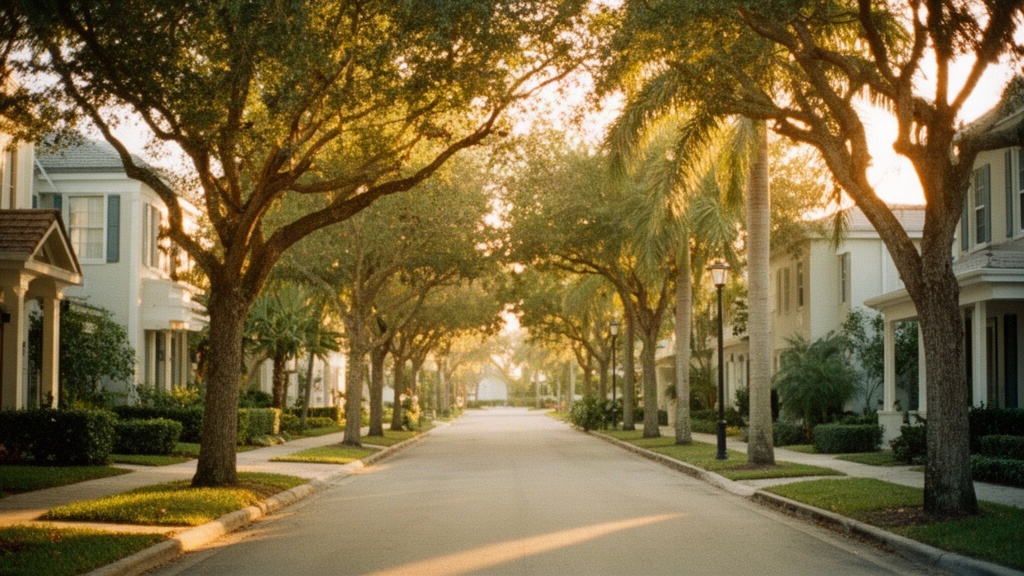
Miami is not one place. It is a collection of distinct neighborhoods, each with its own housing stock, street life, price range, and daily rhythm. If you are trying to figure out what the different neighborhoods in Miami are like to live in, this guide breaks down the most important ones with real numbers, commute times, and local details so you can make a grounded decision.
1. Understanding How Miami Is Laid Out
Miami is a large and layered metro area. The City of Miami is just one municipality inside Miami-Dade County, which stretches from Aventura in the north to Homestead in the south. When people ask what the different neighborhoods in Miami are like to live in, they are usually asking about the broader metro, not just the city limits.
The City vs. The County
Miami-Dade County covers roughly 2,431 square miles and includes over 30 incorporated municipalities. Coral Gables, Hialeah, Doral, Aventura, and North Miami are all separate cities with their own governments, but most people lump them together when talking about "Miami." Knowing this distinction matters when you are researching property taxes, zoning, and municipal services.
How Neighborhoods Connect to Commutes
Traffic in Miami is a real daily variable. I-95 and the Palmetto Expressway carry the bulk of north-south traffic, while the Dolphin Expressway (SR-836) connects the western suburbs to downtown. The Metrorail runs from Kendall in the south through downtown and up to Hialeah, giving residents along that corridor a car-free option for getting to work. Where you land on the map relative to your job will shape your quality of life as much as anything else.
2. Downtown Miami, Brickell, and Edgewater
These three neighborhoods form the urban core of Miami and share a high-density, high-rise character. If you want to walk to work, eat at a restaurant every night, and skip car ownership for your daily routine, this corridor is where that lifestyle is most achievable in Miami.
Downtown and Brickell
Brickell is Miami's financial district, concentrated along Brickell Avenue south of the Miami River. The housing stock is almost entirely high-rise condominiums built after 2000, with a significant cluster of towers completed between 2015 and 2024. As of September 2026, one-bedroom condos in Brickell typically list in the $550,000 to $800,000 range, while two-bedrooms run $800,000 to $1.4 million depending on floor, view, and building amenities.
Brickell City Centre, the mixed-use complex on SE 8th Street, brought a full-service mall, hotel, and office space into the neighborhood and changed the walkability calculus considerably. The Metromover, Miami's free elevated rail loop, connects Brickell to Downtown and Omni in about ten minutes without ever touching I-95.
Downtown Miami itself sits just north of the river and is anchored by Bayside Marketplace, the Adrienne Arsht Center for the Performing Arts, and the Kaseya Center arena. Condos here tend to run slightly below Brickell prices, with one-bedrooms available in the $400,000 to $650,000 range in September 2026. The neighborhood has a denser mix of office buildings, government facilities, and older residential towers alongside newer construction.
Edgewater and Wynwood
Edgewater runs along Biscayne Bay between Downtown and the Design District. The neighborhood has seen a wave of new condo towers since 2018, and waterfront units with bay views command a premium. One-bedrooms in newer Edgewater buildings are priced from roughly $500,000 to $750,000 as of September 2026. The bay-front Margaret Pace Park gives residents a public waterfront green space with tennis courts, a dog park, and bay views.
Wynwood sits just west of Edgewater and is known for its outdoor murals, galleries, and restaurant density along NW 2nd Avenue. Housing in Wynwood is a mix of converted warehouses, new mid-rise condos, and townhomes. Prices have climbed sharply since 2020; townhomes now list in the $700,000 to $1.1 million range, and new condos start around $500,000. The neighborhood has no Metrorail access, so car or rideshare is the primary way in and out.
3. Coconut Grove, Coral Gables, and South Miami
These three areas sit south and southwest of Downtown and share a greener, more tree-lined character than the urban core. Lot sizes tend to be larger, single-family homes are more common, and the pace of daily life is noticeably different from Brickell or Wynwood.
Coconut Grove
Coconut Grove is Miami's oldest continuously inhabited neighborhood, and its street grid reflects that history: winding roads, dense tree canopy, and a mix of historic bungalows, Mediterranean Revival estates, and newer infill construction. The bayfront here includes Dinner Key Marina, Peacock Park, and the Barnacle Historic State Park. Single-family homes in the Grove range widely, from $900,000 for a modest older home to well over $5 million for a renovated waterfront estate.
CocoWalk, the open-air shopping center on Grand Avenue, anchors the commercial core. Commuting to Brickell by car takes roughly 15 to 20 minutes outside of peak hours; the Metrorail's Coconut Grove station on US-1 offers a car-free option to downtown in about 20 minutes.
Coral Gables
Coral Gables was planned and built starting in the 1920s by developer George Merrick, and the Mediterranean Revival architecture he established still defines much of the city. Broad tree-lined boulevards, entry gates, and plazas give the streets a distinct visual character. The Venetian Pool, a public swimming pool carved from a coral rock quarry in 1923, sits in the middle of a residential block and is one of the more unusual amenities in any Miami neighborhood.
Miracle Mile, the city's main commercial street, runs along Coral Way and is lined with restaurants, boutiques, and offices. Single-family home prices in Coral Gables range from about $1.1 million for a smaller older home to $8 million or more for a large estate near the Biltmore Hotel. Condos along US-1 and near the University of Miami campus start around $400,000 for a one-bedroom. The Metrorail's Douglas Road and University stations connect Coral Gables to downtown in 25 to 30 minutes.
South Miami and Pinecrest
South Miami is a small incorporated city just south of Coral Gables with a walkable downtown along Sunset Drive, a Metrorail station, and a mix of bungalows and ranch-style homes. Single-family prices typically run $700,000 to $1.6 million. Pinecrest, further south along US-1, is an unincorporated community with larger lots, many in the half-acre to full-acre range, and homes priced from $1.2 million into the multi-millions. Both areas are roughly 25 to 35 minutes from downtown Miami by car during off-peak hours.
4. Little Havana, Little Haiti, and the Design District
These three neighborhoods represent some of the most culturally distinct pockets in the city, and each has a different housing profile and price point. They sit within a few miles of downtown and have been experiencing significant real estate activity since 2021.
Little Havana
Little Havana stretches along SW 8th Street (Calle Ocho) west of downtown. The housing stock is predominantly single-family homes and small multi-family buildings built between the 1940s and 1970s, with a growing number of renovated properties and new townhome developments. Single-family homes in Little Havana were listing in the $450,000 to $750,000 range as of September 2026, making it one of the more accessible price points for a detached home close to the urban core.
Domino Park at Maximo Gomez Park, the Tower Theater, and the annual Calle Ocho Festival are landmarks that anchor the neighborhood's public life. The area is about two miles from Brickell and roughly 15 minutes by car from downtown outside of peak traffic.
Little Haiti and the Design District
Little Haiti sits north of Wynwood along NE 2nd Avenue and has seen increasing developer interest since 2022. The housing stock includes older Haitian-era shotgun homes, small apartment buildings, and a growing number of new construction townhomes and condos. Prices for single-family homes range from roughly $400,000 to $700,000 in September 2026, though new construction townhomes push higher.
The Design District, just south of Little Haiti between NE 36th and 42nd Streets, is a luxury retail and arts district with flagship stores from brands like Hermes, Louis Vuitton, and Cartier alongside galleries and restaurants. Residential options in and around the Design District lean toward newer condos and townhomes, with prices generally starting above $600,000. For a broader overview of what the Miami market looks like right now, see the Homes for Sale in Miami: 2026 Buyer & Seller Guide on this site.
5. Miami Beach, Key Biscayne, and Brickell Key
Living on the water in Miami comes with a specific set of trade-offs: longer commute times, higher insurance costs, and in some cases, flood zone considerations that affect both your mortgage and your monthly carrying costs. These three areas represent the most prominent waterfront living options in the immediate Miami market.
Miami Beach
Miami Beach is a separate city on a barrier island connected to the mainland by five causeways. South Beach (SoBe) occupies the southern tip and is defined by its Art Deco Historic District, the largest collection of Art Deco architecture in the world. Condos in South Beach range from $350,000 for a studio in an older building to $3 million or more for a renovated penthouse with ocean views.
Mid-Beach and North Beach offer a quieter residential texture with a mix of condos, single-family homes, and mid-rise buildings. The Sunset Harbour neighborhood in mid-Beach has become a local dining and fitness hub. Commuting from Miami Beach to downtown Miami takes 20 to 40 minutes by car depending on causeway traffic, which can back up significantly during morning rush hour and on weekend evenings.
For more context on what buyers and sellers are navigating across the broader Miami market right now, Redfin's Miami neighborhood guide offers additional data on price trends by area.
Key Biscayne
Key Biscayne is a small island village of about 13,000 residents, accessible only via the Rickenbacker Causeway from the mainland. The causeway toll is $2 each way as of September 2026. The island has a mix of single-family homes, low-rise condos, and a few mid-rise towers, with prices for single-family homes generally starting around $2 million and reaching well above $10 million for waterfront estates. Crandon Park and Bill Baggs Cape Florida State Park together cover a large portion of the island's southern end.
Brickell Key
Brickell Key is a small man-made island just off the Brickell waterfront, connected to the mainland by a single bridge. It is a fully residential enclave with a handful of condo towers, a hotel, and a bayside walking path. Condos here typically list from $500,000 for a one-bedroom to over $2 million for larger units with panoramic bay and city views. The commute to Brickell proper is under five minutes by car.
6. North Miami, Aventura, and Doral
The northern and western suburbs of Miami-Dade offer more square footage per dollar than the urban core and Miami Beach, and they each have their own distinct character and infrastructure. These areas are often where buyers land when they want more space without leaving the Miami metro.
North Miami and North Miami Beach
North Miami and North Miami Beach (which, despite the name, does not border the ocean) are two separate cities north of Miami proper. North Miami has a mix of single-family homes, small apartment buildings, and newer townhome developments, with single-family prices running roughly $450,000 to $900,000 as of September 2026. The Museum of Contemporary Art (MOCA) is located on Biscayne Boulevard in North Miami. Commuting to downtown Miami takes 25 to 40 minutes by car via I-95.
Aventura
Aventura sits at the northern edge of Miami-Dade County, bordering Broward. It is a dense, condo-heavy city built largely in the 1980s and 1990s, centered around Aventura Mall, one of the largest shopping centers in the United States. Condo prices range widely, from about $300,000 for an older one-bedroom in a building with a golf course view to over $2 million in newer luxury towers along the Intracoastal Waterway. The Brightline intercity rail station in Aventura, which opened in 2023, connects the city to downtown Miami in roughly 30 minutes and to Fort Lauderdale in about 20.
Doral
Doral is a city of roughly 80,000 people in western Miami-Dade, about 12 miles from downtown Miami via the Dolphin Expressway. The housing stock is predominantly single-family homes in gated communities and townhome developments built since the 1990s, with a significant amount of new construction. Single-family homes in Doral list from about $600,000 for a three-bedroom townhome to over $1.5 million for a larger home in a golf course community. The Trump National Doral golf resort is the area's most prominent landmark. Morning rush-hour commutes to downtown can run 35 to 55 minutes depending on expressway conditions.
7. What to Know Before You Choose a Miami Neighborhood
No two Miami neighborhoods are interchangeable, and the right one for your situation depends on a specific set of factors. Here are the practical variables worth working through before you commit to an area.
Flood Zone and Insurance
Miami-Dade County has extensive flood zone mapping, and your flood zone designation directly affects your insurance costs. Properties in FEMA Flood Zone AE or VE require flood insurance, which can add $3,000 to $12,000 or more per year to your carrying costs depending on the property's elevation certificate. Waterfront and low-lying areas in Miami Beach, Key Biscayne, and parts of Coconut Grove carry the highest flood risk. You can check any property's flood zone at the FEMA Flood Map Service Center before making an offer.
HOA Fees and Condo Assessments
In high-rise condo buildings across Brickell, Edgewater, and Miami Beach, monthly HOA fees commonly run $800 to $2,500 or more. Florida's condo building inspection and reserve funding law, which was strengthened after the 2021 Surfside collapse, has triggered special assessments in many older buildings as they catch up on deferred maintenance. When evaluating a condo purchase in any Miami neighborhood, reviewing the building's reserve study and any pending assessments is essential.
Schools Research
Miami-Dade County Public Schools is the fourth-largest school district in the United States, operating over 500 schools across the county. School assignments are based on address, and the district also has a broad magnet school program. For objective information on specific schools, the Florida Department of Education publishes school accountability data at fldoe.org. This is a personal research decision, and Kevin Abascal can help you understand which schools are zoned for any specific address you are considering.
FAQ
What are the most affordable neighborhoods in Miami for home buyers right now?
As of September 2026, Little Havana and North Miami offer some of the lower entry points for single-family homes within the Miami metro, with prices ranging from roughly $400,000 to $750,000. Older condo buildings in Aventura and parts of Miami Beach also have units available below $400,000, though HOA fees and potential special assessments need to be factored into the total cost. Doral and Hialeah in western Miami-Dade offer newer construction townhomes and single-family homes at price points that are more accessible than the urban core. Working with a local agent who knows current inventory is the fastest way to find what is actually available in your budget.
Which Miami neighborhoods are closest to downtown for commuters?
Brickell and Downtown Miami itself are the most central, with many residents able to walk or use the free Metromover to reach their offices. Edgewater, Wynwood, and Little Havana are all within two to four miles of downtown and typically 10 to 20 minutes by car outside of peak hours. Coconut Grove and Coral Gables offer Metrorail access that puts downtown about 20 to 30 minutes away by train. Miami Beach requires crossing a causeway, which adds 20 to 40 minutes depending on traffic and the time of day.
Do I need flood insurance if I buy in Miami?
Whether flood insurance is required depends on the specific property's FEMA flood zone designation, not just the neighborhood. Properties in high-risk flood zones (Zone AE or VE) require flood insurance if the mortgage is federally backed. Even in lower-risk zones, many buyers choose to carry it given Miami's geography and hurricane exposure. You can look up any address on the FEMA Flood Map Service Center website before making a purchase decision. An elevation certificate, which measures how high the structure sits relative to base flood elevation, can significantly affect the annual premium.