← Back to Blog
Neighborhoods
Relocating to Miami: Neighborhoods, Costs and Timelines
By Kevin Abascal
September 28, 2026 · 11 min read
Relocating to Miami means making decisions across three fronts at once: which neighborhood fits your daily life, what the real housing costs look like beyond the listing price, and how long the entire process realistically takes. This guide covers all three in specific, practical detail so you can plan your move without surprises.
1. What the Miami Housing Market Looks Like Right Now
Miami is an active, competitive market in September 2026, with median single-family home prices sitting above $650,000 across Miami-Dade County and condo prices ranging from the low $300,000s in outer areas to well above $1 million in waterfront and urban-core buildings.
How Prices Break Down Across the City
Price varies dramatically by submarket. A two-bedroom condo in Brickell can list anywhere from $550,000 to $1.2 million depending on floor height, finishes, and water views. A single-family home in Kendall or Hialeah typically runs between $480,000 and $700,000. In Coral Gables, Mediterranean-style homes on tree-lined streets routinely trade above $900,000, with larger estate properties clearing $2 million. The range is wide, and the neighborhood you choose will determine your price band more than almost any other factor.
Miami's luxury segment operates in a separate tier entirely. According to reporting from HousingWire, Miami luxury real estate prices run roughly 174% above the national average, driven by sustained international demand and limited waterfront supply. That gap matters even if you are not buying a luxury property, because it keeps upward pressure on mid-range inventory throughout the county.
What the Inventory Situation Means for You
Condo inventory has loosened somewhat in 2026 compared to the tight conditions of prior years, partly because of new supply coming online from several large tower projects throughout Brickell, Edgewater, and Downtown.
Single-family home inventory remains constrained. Well-priced houses in established neighborhoods like Coconut Grove, South Miami, and Pinecrest still attract multiple offers within the first two weeks of listing. If you are relocating with a firm move-in deadline, that competitive dynamic needs to be part of your planning. You can read more about what new condo and housing developments are adding to supply in our guide to new condo and housing developments in Miami in 2026.
2. Key Neighborhoods to Know Before You Decide
When relocating to Miami, the neighborhood question is not just about aesthetics. It shapes your commute, your property type options, your HOA exposure, and your long-term resale market. Here is how the major submarkets break down.
Brickell and the Urban Core
Brickell is Miami's financial and high-rise residential district, situated along Biscayne Bay just south of Downtown.
The housing stock here is almost entirely condos, ranging from older 1980s and 1990s towers to sleek newer glass buildings with resort-style amenities.
Brickell City Centre and Mary Brickell Village provide walkable retail and dining within the neighborhood itself. The Miami Metrorail's Brickell station makes it possible to reach Downtown and the Civic Center without a car. HOA fees in many Brickell buildings run $800 to $1,500 per month, which is a meaningful line item to factor into your total monthly cost. Our dedicated guide on buying a condo in Brickell covers the building-specific due diligence you need to do before making an offer.
Coconut Grove and Coral Gables
Coconut Grove is Miami's oldest neighborhood, sitting along the western shore of Biscayne Bay roughly four miles south of Downtown.
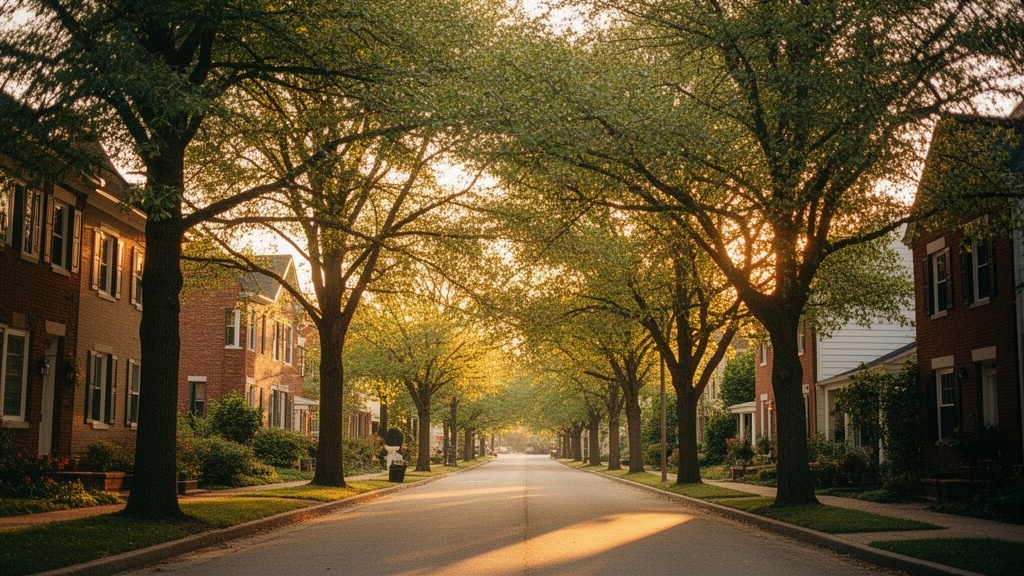
The housing stock is a mix of single-family homes on tree-canopied streets, townhouses, and low-rise condo buildings. Lot sizes tend to be larger here than in Brickell, and many properties have private pools. Prices for single-family homes generally run from $900,000 into the multi-millions for waterfront estates.
Coral Gables sits immediately west of Coconut Grove and is characterized by its 1920s Mediterranean Revival architecture, wide boulevards like Miracle Mile, and the landmark Biltmore Hotel.
The city operates under its own municipal government with its own zoning and building codes, which affects renovation and addition projects. Median home prices in Coral Gables have held above $1.1 million through 2026. For a thorough breakdown, see the Coral Gables real estate market guide.
Wynwood, Edgewater and the Arts District
Wynwood is the mural-covered arts district north of Downtown, known for its gallery buildings, outdoor art walls, and dense restaurant and bar scene along NW 2nd Avenue.
Residential inventory in Wynwood is newer and mostly condo, with one-bedroom units starting around $400,000 and two-bedrooms climbing past $700,000 in newer construction. Edgewater, which runs along Biscayne Bay between Downtown and Wynwood, has seen significant new tower development and offers bay views at prices that generally start around $500,000 for a one-bedroom. The Design District, immediately north of Wynwood, is home to flagship luxury retail and a growing number of boutique residential projects.
Kendall, Doral and the Western Suburbs
The western suburbs offer larger homes on bigger lots at lower price points than the coastal and urban-core neighborhoods.
Kendall, which spans a large area roughly 15 to 20 miles southwest of Downtown along the Kendall Drive corridor, has a mix of single-family homes, townhouse communities, and condos. Prices for single-family homes in Kendall typically run from $480,000 to $750,000 depending on size, lot, and proximity to the Palmetto Expressway. Doral, about 12 miles west of Downtown near Miami International Airport, has newer construction and a strong inventory of townhomes in the $550,000 to $800,000 range. The trade-off in both areas is commute time. Traffic on the Palmetto Expressway and Dolphin Expressway during morning rush hours can add 30 to 50 minutes to a Downtown commute. Our article on the Kendall to Downtown Miami weekday morning commute walks through what to realistically expect.
3. The Real Cost of Relocating to Miami
The purchase price is just the starting point. Relocating to Miami comes with a set of ownership costs that are higher than the national average, and understanding them before you set your budget prevents serious surprises at the closing table and in year one.
Purchase Costs Beyond the List Price
Closing costs for buyers in Miami-Dade County typically run 2% to 4% of the purchase price. On a $700,000 home, that is $14,000 to $28,000 in addition to your down payment. The main line items include the documentary stamp tax on the mortgage (35 cents per $100 of the loan amount), title insurance, lender fees, and prepaid items like homeowners insurance and property tax escrow. Miami-Dade also has its own documentary stamp on the deed, which runs 60 cents per $100 of the purchase price. For a full breakdown of what to expect, see the guide to buyer closing costs in Miami for 2026.
Ongoing Ownership Costs That Surprise New Residents
Property taxes in Miami-Dade are assessed at the county's millage rate, which currently produces an effective rate of roughly 1.8% to 2.1% of assessed value depending on the municipality.
On a $600,000 home, annual property taxes typically land between $9,000 and $11,000 before any exemptions. Florida's Homestead Exemption reduces the assessed value by up to $50,000 for primary residences, but it is only available once you establish Florida domicile and file by the March 1 deadline following your purchase. You can see detailed numbers in the article on property taxes on a $600,000 home in Miami.
Homeowners insurance is the cost that shocks most people relocating from outside Florida. Annual premiums for a single-family home in Miami-Dade routinely run $5,000 to $12,000 or more depending on the home's age, construction type, roof condition, and flood zone designation. Homes in FEMA-designated Special Flood Hazard Areas require separate flood insurance on top of the standard policy, which can add $2,000 to $6,000 annually. Before you make any offer, pull the FEMA flood map for the specific property address and ask your insurance broker for a quote. The article on flood zone considerations and insurance costs in Miami explains exactly what to look for.
HOA and condo association fees are another major variable. In older condo buildings, fees have risen significantly in 2026 as associations address deferred maintenance and comply with Florida's updated structural inspection and reserve funding requirements passed after the Surfside collapse. Monthly fees in some buildings have doubled or tripled in the past two years. Always review the association's financials, reserve study, and any pending special assessments before committing to a condo purchase.
4. Realistic Timelines for Your Miami Move
One of the most common mistakes people make when relocating to Miami is underestimating how long each phase of the process takes. Here is what a realistic timeline looks like from the moment you decide to buy to the day you get your keys.
How Long the Home Search Takes
Most buyers relocating to Miami spend four to twelve weeks actively searching before going under contract. The lower end of that range applies to buyers who arrive pre-approved, have a clear idea of their target neighborhoods, and are ready to move quickly when the right property appears. The upper end applies to buyers who are still narrowing down neighborhoods or waiting for a specific property type to hit the market.
Remote searches are possible but have real limitations. Virtual tours and video walkthroughs help, but Miami's humidity, older building conditions, and flood zone variables mean that a physical inspection of the property and the surrounding street is difficult to replicate remotely. Plan at least one dedicated in-person trip to tour properties before making an offer.
The Contract-to-Close Window
Once you are under contract, the standard closing timeline in Miami runs 30 to 45 days for a financed purchase and 14 to 21 days for a cash transaction.
Condo purchases can take longer if the lender requires a condo questionnaire and association review, which is standard for conventional and FHA loans. Some buildings are not warrantable under Fannie Mae guidelines, which limits your financing options and can extend the timeline while you source a portfolio lender. Cash buyers in condo buildings also need to factor in association approval processes, which in some buildings can take two to four weeks on top of the contract period.
Planning Your Physical Move Around the Market
From the moment you start your search to the day you close, budget a minimum of three to four months for a financed purchase in a competitive Miami submarket. If you are also selling a home in another market simultaneously, add time for that transaction to close before your Miami purchase funds. Sellers in Miami are generally not willing to accept offers contingent on the sale of an out-of-state property, so most relocating buyers either close on their current home first or carry both properties briefly.
Miami's rental market can serve as a bridge. Short-term furnished rentals in Brickell, Edgewater, and South Beach are widely available for one to three month stays, which gives you time to land in the city and search in person without pressure. Month-to-month leases in Miami-Dade typically run $2,500 to $4,500 for a one-bedroom depending on location and building.
5. Practical Steps Before You Arrive
The buyers who navigate Miami's market most efficiently are the ones who do the preparation work before they ever board a flight. These are the steps that matter most.
Get Your Financing in Order First
A pre-approval letter from a lender who understands Miami's condo market is not optional; it is the price of entry for making competitive offers.
If you are relocating from another state and your income situation is complex, such as self-employment, recent job changes, or foreign income, get your documentation in order early. Miami has a large number of international buyers and lenders here are experienced with cross-border transactions, but they still require thorough documentation. Ask your lender specifically about their experience with Miami condo financing and whether they have a list of non-warrantable buildings they can still lend on.
Understand What You Can and Cannot See Remotely
Online listings in Miami do not always capture the things that matter most to a relocating buyer.
Street-level flooding patterns, the condition of a building's exterior and parking structure, proximity to elevated expressways or Metrorail lines, and the noise environment of a condo unit all require an in-person visit to assess properly. Listing photos are shot to minimize these factors. Plan your in-person search trip to include time to walk the blocks around any property you are seriously considering, not just tour the interior.
As HousingWire has reported, Miami's market reflects a tale of two housing markets shaped by both local priorities and international demand. That dynamic plays out differently street by street and building by building, which is why local knowledge matters more here than in most U.S. cities.
Work With Someone Who Knows the Local Inventory
Miami's market moves fast enough that off-market and pre-market opportunities are a real part of the landscape, particularly in Coconut Grove, Coral Gables, and Pinecrest.
An agent who works these submarkets daily will know about listings before they hit the MLS, will have relationships with listing agents that matter in a multiple-offer situation, and will be able to tell you which buildings have pending special assessments or structural issues that are not disclosed on the listing sheet. That local knowledge is not something you can replicate with a national search portal.
FAQ
How much money do I need to relocate to Miami and buy a home?
The total cash you need depends on your purchase price, loan type, and the specific property. For a $700,000 home with a conventional loan at 20% down, you would need $140,000 for the down payment plus $14,000 to $28,000 in closing costs, plus the first year of homeowners insurance and any moving costs. On top of that, budget for inspections ($400 to $800 for a standard home inspection, more for a condo with a structural component), and set aside three to six months of reserves, which many lenders require. Flood insurance, if required for your property's flood zone, adds another $2,000 to $6,000 annually to your ongoing costs.
Is it better to rent first or buy immediately when relocating to Miami?
Renting first gives you time to learn the city's neighborhoods without the pressure of a hard deadline, and Miami has a strong short-term furnished rental market that supports this approach. The trade-off is that renting delays your Homestead Exemption filing and keeps you exposed to Miami's rental prices, which average $2,500 to $4,500 per month for a one-bedroom in most urban neighborhoods. If you have done thorough research on your target neighborhood and your financing is ready, buying directly is entirely workable. Most buyers who relocate successfully either spend two to three months renting while they search, or arrive with a clear enough picture of their target area to go under contract within the first few weeks.
What are the biggest mistakes people make when relocating to Miami?
The most common mistake is underestimating ongoing costs, particularly homeowners insurance and property taxes, which together can add $15,000 to $20,000 or more annually to the cost of owning a mid-range home. A close second is buying a condo without reviewing the association's financials and reserve study, which can result in large special assessments after closing. Third is misjudging commute times: Miami's traffic is among the most congested in the country, and a home that looks close on a map can involve a 45-minute or longer drive during peak hours. Finally, many relocating buyers skip the in-person neighborhood visit and rely entirely on virtual tours, which miss the street-level details that matter most in Miami's varied urban fabric.