
← Back to Blog
Market Trends
Seattle Real Estate Market Guide: Prices, Neighborhoods and Timing for Lynnwood Buyers and Sellers
By Kimberly Morales Hernandez
CENTURY 21 North Homes Realty
September 30, 2026 · 12 min read
This Seattle real estate market guide covers what buyers and sellers in Lynnwood, Washington need to know right now: where prices stand in September 2026, how the surrounding communities compare, and what timing decisions are actually worth making. Whether you are relocating to Snohomish County, upsizing from a condo in Mountlake Terrace, or trying to decide whether to list before winter, the numbers and local context here will help you move forward with confidence.
1. Where Seattle Metro Prices Stand in September 2026
The Seattle metro is one of the most closely watched housing markets in the country, and prices remain elevated across the board in September 2026. The median home price across the greater Seattle area sits at roughly $750,000 to $780,000 as of this month, according to current regional data, though that figure shifts meaningfully depending on which county or submarket you are looking at.
The Lynnwood Price Picture
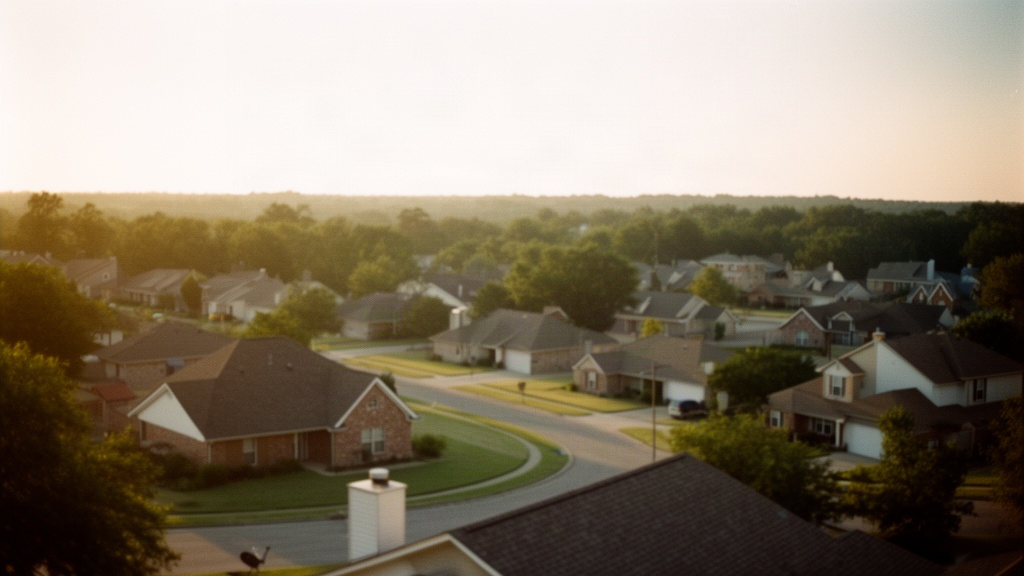
Lynnwood sits in southern Snohomish County, and its price point reflects that position between the higher-cost King County cities to the south and the more affordable communities further north along I-5. In September 2026, the median sale price for a single-family home in Lynnwood is approximately $620,000 to $650,000. Attached homes, including townhouses near the Lynnwood Transit Center corridor and condos along 196th Street SW, are trading closer to $420,000 to $480,000. Those numbers represent a modest year-over-year increase from September 2025, when the median single-family price in the area was closer to $595,000.
The Lynnwood City Center redevelopment and the Link Light Rail extension to the Lynnwood Transit Center, which opened in late 2024, have put upward pressure on prices within walking distance of the station. Properties within roughly half a mile of the transit center have seen stronger appreciation than those in the city's eastern or northern residential pockets, where ranch-style homes and mid-century split-levels on larger lots still offer relatively more value per square foot.
How Lynnwood Compares to King County
King County's median single-family home price is considerably higher. Bellevue, for instance, is tracking at a median well above $1.3 million as of September 2026. For context on what that looks like in property tax terms, see the breakdown in the article on property taxes on an $800,000 home in King County. Lynnwood's price point gives buyers access to the same regional job market and transit network at a meaningful discount, which is one reason relocation inquiries from King County have stayed strong through 2026.
Affordability pressure is real across the entire metro. A recent analysis from HousingWire noted that Seattle has been wrestling with crippling affordability concerns driven by constrained supply and sustained demand from the region's technology and aerospace employment base. Lynnwood benefits from being one of the more accessible entry points into that metro without sacrificing commute practicality.
2. A Practical Neighborhood Overview for the Lynnwood Area
Lynnwood is surrounded by a ring of distinct communities, each with its own housing stock, price range, and commute profile. Understanding how these areas differ helps buyers narrow their search and helps sellers understand how their home is positioned in the broader market. This section covers the communities most relevant to anyone shopping in or around Lynnwood.
Lynnwood Proper and Its Housing Stock
Lynnwood's residential streets are a mix of post-war ramblers, 1970s and 1980s split-levels, and a growing number of newer townhouse developments clustered near the city center and along Highway 99. Lot sizes in established neighborhoods typically run from 6,000 to 9,000 square feet, with some larger parcels in the city's northern quadrant near Scriber Lake Park. The park itself, with its 14-acre lake and wetland trail system, is one of Lynnwood's most distinctive public amenities and sits within a short drive of a broad swath of single-family inventory.
The Alderwood area in eastern Lynnwood, anchored by the Alderwood Mall and its surrounding retail corridor, has seen steady infill townhouse development over the past several years. These newer attached homes typically range from 1,400 to 1,900 square feet across two or three stories, with two-car garages and rooftop decks increasingly common in projects built after 2020. They appeal to buyers who want low-maintenance living with walkable access to restaurants, the AMC theater, and transit connections.
Mountlake Terrace and Shoreline
Mountlake Terrace borders Lynnwood to the south and shares the same Link Light Rail line, with its own station at 236th Street SW. Median single-family prices in Mountlake Terrace currently run slightly below Lynnwood, in the $590,000 to $620,000 range, partly because the housing stock skews older, with many homes built in the 1950s and 1960s on compact lots. The town's Recreation Pavilion and Lake Ballinger waterfront give residents outdoor access that is less common in the surrounding suburbs.
Shoreline, further south along I-5 and bordering Seattle's city limits, has seen sharper price appreciation since its own light rail stations opened. Single-family homes in Shoreline are now frequently trading in the $750,000 to $850,000 range, making it a natural comparison point for Lynnwood sellers who want to understand where their home sits on the price spectrum heading into King County.
Edmonds and Mukilteo
Edmonds sits roughly five miles west of Lynnwood along the Puget Sound waterfront, and its housing market reflects both the waterfront premium and the charm of its walkable downtown. Median single-family prices in Edmonds run from $750,000 to $950,000 in September 2026, with properties carrying water views or within a few blocks of the ferry terminal commanding the top of that range. The Edmonds-Kingston ferry crossing and the Sounder commuter rail station give residents multiple transit options into Seattle, which supports demand even at those price levels.
Mukilteo, northeast of Edmonds along the Sound, offers a similar waterfront character with median prices closer to $700,000 to $800,000. Its ferry connection to Whidbey Island and proximity to Paine Field Airport, which handles Alaska Airlines commercial service, make it a practical base for buyers whose work or travel patterns include those destinations.
Bothell and Mill Creek
Bothell and Mill Creek sit to the east and northeast of Lynnwood, accessible via SR-527 and I-405. Both cities feature newer housing stock on average, with a significant share of homes built after 2000. Median prices in Bothell are running in the $800,000 to $900,000 range in September 2026, partly driven by proximity to the SR-522 and I-405 corridors that connect to Redmond and Kirkland tech campuses. Mill Creek's planned community layout, with its extensive trail network and the Mill Creek Town Center, puts its median closer to $850,000 for single-family detached homes.
3. What Is Driving the Market Right Now
Understanding the forces behind current prices is as important as knowing the numbers themselves. In September 2026, three factors are shaping conditions across the Seattle metro and, by extension, the Lynnwood market: inventory levels, mortgage rates, and tech sector employment trends.
Inventory and Competition
Active listings in Snohomish County remain below the pre-pandemic norms that would constitute a balanced market. Months of supply across the county is hovering around two to two and a half months in September 2026, which still tilts conditions in favor of sellers on well-priced properties. A balanced market is generally considered to sit at five to six months of supply. Lynnwood specifically is seeing faster absorption on homes priced under $700,000, where buyer demand is most concentrated.
The days-on-market figure has ticked upward compared to the frenzied pace of 2022 and 2023, giving buyers more time to conduct inspections and negotiate terms. Homes that are overpriced at listing are sitting longer, sometimes 30 to 45 days, before sellers make price adjustments. That dynamic rewards buyers who are patient and pre-approved, and it rewards sellers who price accurately from the start.
Mortgage Rates and Affordability Pressure
Mortgage rates in September 2026 are sitting in the mid-to-upper 6% range for a conventional 30-year fixed loan, which is meaningfully lower than the peaks of late 2023 but still high enough to constrain purchasing power relative to the 2020 and 2021 environment. On a $620,000 purchase with 10% down, a 6.6% rate produces a principal and interest payment of roughly $3,540 per month. That payment calculation, combined with property taxes and homeowner's insurance, means buyers in Lynnwood need household incomes of roughly $140,000 or more to qualify comfortably under standard debt-to-income guidelines.
Buyers should also account for closing costs, which in Washington State can add 2% to 3% of the purchase price to the upfront cash requirement. The full breakdown of those costs is covered in the article on closing costs for home buyers in Washington State in 2026, which walks through lender fees, title insurance, prepaid items, and transfer taxes specific to this state.
The Tech Sector Effect
Seattle's housing market is closely tied to the health of its major technology employers, including Amazon, Microsoft, and a cluster of mid-size software and cloud companies. A recent report from Inman noted that Seattle's housing market is diverging from San Francisco's based on differing tech sector fortunes, with Seattle holding up relatively well due to sustained hiring by its core employers. That employment base includes a significant number of workers who commute from Lynnwood and southern Snohomish County via the Link Light Rail or I-5.
Boeing's Everett facility, roughly 12 miles north of Lynnwood on I-5, also contributes a steady base of buyers and sellers in the area. Aerospace employment tends to be more stable than tech hiring cycles, which gives Snohomish County's housing market a somewhat different risk profile than markets that depend almost entirely on software sector demand.
4. Timing Your Move: Buyers vs. Sellers in the Lynnwood Market
Timing in real estate is never perfectly predictable, but there are patterns in the Lynnwood market that consistently repeat and that buyers and sellers can plan around. This Seattle real estate market guide would not be complete without addressing the timing question directly, because the month you list or the month you make an offer can affect both price and negotiating position.
When Buyers Have More Leverage
November through January is historically the quietest stretch of the Lynnwood market, with fewer competing buyers and sellers who are more motivated to negotiate. Homes listed in late fall and winter tend to sit longer, and sellers in that window are often dealing with genuine life circumstances, a job change, a relocation, an estate situation, which can create room for price negotiation, repair credits, or flexible closing timelines that are harder to secure in the spring rush.
September, where we are right now, sits at an interesting inflection point. The summer frenzy has cooled slightly, school-year schedules have reduced the pool of active buyers, and some sellers who did not close by August are showing more flexibility. Buyers who are pre-approved and ready to move quickly can find genuine value this month without the bidding-war intensity of April or May.
When Sellers Capture the Most Value
March through June is consistently the strongest window for sellers in Lynnwood and the broader Snohomish County market. Buyer demand peaks as families try to close before the school year ends, inventory is still relatively limited, and longer daylight hours make homes photograph and show better. Homes listed in this window with accurate pricing and strong presentation are most likely to attract multiple offers.
For sellers considering whether to list now or wait until spring, the fall 2026 picture has some nuance worth understanding. The article on whether fall 2026 is a good time to sell in the Seattle metro goes deeper on that specific question, including how reduced competition among listings can work in a motivated seller's favor even outside peak season.
5. What Buyers and Sellers in Lynnwood Should Do Next
Knowing the market conditions is only useful if you translate that knowledge into concrete action steps. Here is what the current environment calls for, depending on which side of the transaction you are on.
Steps for Buyers
Get pre-approved before you tour. In a market where well-priced homes in Lynnwood still move in under two weeks, walking into a showing without a pre-approval letter puts you at an immediate disadvantage. Lenders serving the Snohomish County market can typically turn around a pre-approval in 24 to 48 hours when you have your documents ready.
Understand your total cost picture, not just the purchase price. Washington State does not have a personal income tax, which is a meaningful financial factor for relocating buyers. However, the state does impose a real estate excise tax on sellers, and buyers need to plan for closing costs, prepaid property taxes, and homeowner's insurance at closing. If you are selling a home as part of this move, the article on Washington's capital gains tax and how it applies to home sales is worth reading before you finalize your numbers.
Prioritize your non-negotiables early. In Lynnwood specifically, buyers often face trade-offs between proximity to the light rail station, lot size, garage space, and home age. Newer townhomes near the transit center offer modern finishes and low maintenance but smaller footprints. Older single-family homes in the Scriber Creek or Meadowdale areas offer more space and yard but may need updates. Knowing which trade-offs you can live with before you start touring saves weeks of indecision.
Steps for Sellers
Price accurately from day one. The Lynnwood market in September 2026 is not forgiving of overpriced listings. Homes that come in 5% to 8% above comparable sales are sitting for 30 or more days and then selling at or below where they would have priced correctly at the start. A well-supported comparative market analysis from a local agent is the most reliable pricing tool available.
Invest in presentation, not renovation. Full kitchen and bathroom remodels rarely return dollar-for-dollar in a market where buyers are already stretching their budgets. What does move the needle is fresh interior paint in neutral tones, professional photography, deep cleaning, decluttering, and addressing any deferred maintenance items that would show up on an inspection report. Sellers who handle those items before listing tend to close faster and with fewer post-inspection negotiations.
Know your next move before you list. In a market where your home may go under contract within days, sellers who have not identified their next property or living situation can find themselves in a stressful gap. Whether you plan to buy simultaneously, rent temporarily, or relocate out of the area, having that plan in place before you accept an offer makes the transaction far smoother.
FAQ
What is the median home price in Lynnwood, Washington in September 2026?
The median sale price for a single-family home in Lynnwood is approximately $620,000 to $650,000 in September 2026, up from roughly $595,000 in September 2025. Attached homes, including townhouses and condos, are trading closer to $420,000 to $480,000 depending on location and condition. Homes within a short walk of the Lynnwood Transit Center light rail station are commanding a premium within those ranges. Prices in surrounding Snohomish County cities vary considerably, from around $590,000 in Mountlake Terrace to $850,000 or more in Bothell and Mill Creek.
Is it a buyer's market or a seller's market in Lynnwood right now?
As of September 2026, Lynnwood and Snohomish County broadly remain in seller's market territory, with months of supply sitting around two to two and a half months. However, conditions are softer than the peak of 2022, and overpriced homes are sitting on the market for 30 or more days before receiving offers. Buyers have more time to conduct inspections and negotiate than they did two or three years ago, but well-priced homes under $700,000 are still moving quickly. The market is best described as a moderate seller's market with pockets of opportunity for prepared buyers.
How does the Lynnwood light rail station affect home prices nearby?
The Lynnwood Transit Center station, which opened as part of the Northgate Link Extension in late 2024, has put measurable upward pressure on prices within roughly half a mile of the station. The rail line provides a direct connection to the University of Washington, Capitol Hill, and downtown Seattle, reducing commute times for riders to under 30 minutes to downtown in most cases. Properties near the station have appreciated faster than those in Lynnwood's eastern and northern residential areas. The transit access is particularly attractive to buyers who work in Seattle but want Snohomish County price points, and that sustained demand is expected to support values near the corridor going forward.