← Back to Blog
Market Trends
Washington State Real Estate Market Guide: Prices, Neighborhoods and Timing for Lynnwood Buyers and Sellers
By Kimberly Morales Hernandez
CENTURY 21 North Homes Realty
September 29, 2026 · 10 min read
If you are buying, selling, or relocating to Lynnwood, Washington, this Washington state real estate market guide covers the prices, neighborhoods, and timing details you need to make a confident decision right now, in September 2026. The Lynnwood market sits at an interesting crossroads: inventory is tighter than many buyers expect, prices have held firm through the year, and the opening of the Lynnwood Link light rail extension has reshaped what commute-driven buyers are willing to pay. This guide pulls together current data, local context, and practical guidance so you can move forward without guessing.
1. Where Washington State Home Prices Stand Right Now
Washington state home prices have remained elevated through 2026, supported by persistent demand in the Puget Sound corridor. The statewide median sale price sits in the mid-to-upper $500,000s as of September 2026, though that number shifts considerably depending on which county and which city you are looking at. Markets east of the Cascades, including Spokane and the Tri-Cities, carry significantly lower medians, while the I-5 corridor from Everett south through Seattle and into Tacoma remains the most expensive stretch in the state.
Statewide Median Price Context
According to current market analysis from Norada Real Estate, Washington state has continued to see year-over-year price appreciation in most western Washington markets through 2026, even as mortgage rates have kept some buyers on the sideline. Snohomish County, which includes Lynnwood, has tracked closely with broader Puget Sound trends: steady appreciation, limited supply, and strong demand from buyers priced out of King County.
The key dynamic statewide is the gap between supply and demand. New construction has not kept pace with population growth in the greater Seattle metro area for years, and that structural shortage continues to put a floor under prices even when buyer activity slows seasonally. Lynnwood sits directly inside that constrained supply zone.
What Lynnwood Prices Look Like in September 2026
In Lynnwood specifically, the median sale price for a single-family home is tracking in the low-to-mid $700,000s as of September 2026. That figure reflects a mix of older ranch-style homes built in the 1960s and 1970s, updated split-levels, and a growing number of newer construction homes on smaller lots near the Lynnwood Transit Center. Entry-level detached homes, meaning three-bedroom houses under 1,500 square feet, tend to list in the high $500,000s to low $600,000s, while larger four-bedroom homes on lots of 7,000 square feet or more regularly push past $750,000.
Condominiums and townhomes offer a lower entry point. Two-bedroom condos in Lynnwood are currently listing in the $350,000 to $450,000 range, depending on the building's age, HOA fees, and proximity to the light rail station at 185th Street. Townhomes, which have grown in number as infill development has accelerated near the transit corridor, generally fall between $550,000 and $675,000.
2. Lynnwood Neighborhoods and Housing Stock: What to Expect
Lynnwood's housing stock is more varied than many first-time visitors expect. The city covers roughly 8 square miles and contains everything from post-war bungalows to brand-new mixed-use developments. Understanding the character of each part of town helps buyers focus their search and helps sellers understand how their home is positioned in the current market.
Neighborhoods Close to the Light Rail Station
The area surrounding the Lynnwood City Center station, which opened as part of the Lynnwood Link extension in 2024, has seen the most visible change in the city's housing landscape. Within roughly half a mile of the station, along 196th Street SW and the corridors feeding into the transit center off 44th Avenue W, developers have completed or are finishing several mid-rise apartment and condominium projects. Buyers who want walkability to the station and a shorter commute into downtown Seattle, which runs about 35 to 40 minutes by rail, are concentrating their searches here.
The trade-off near the station is lot size and yard space. Most new construction in this zone is attached housing: townhomes on 2,000 to 3,500 square foot lots, or condos in buildings with shared amenities. Buyers who prioritize a larger yard or a detached garage typically look further from the transit center.
Neighborhoods North and East of Downtown Lynnwood
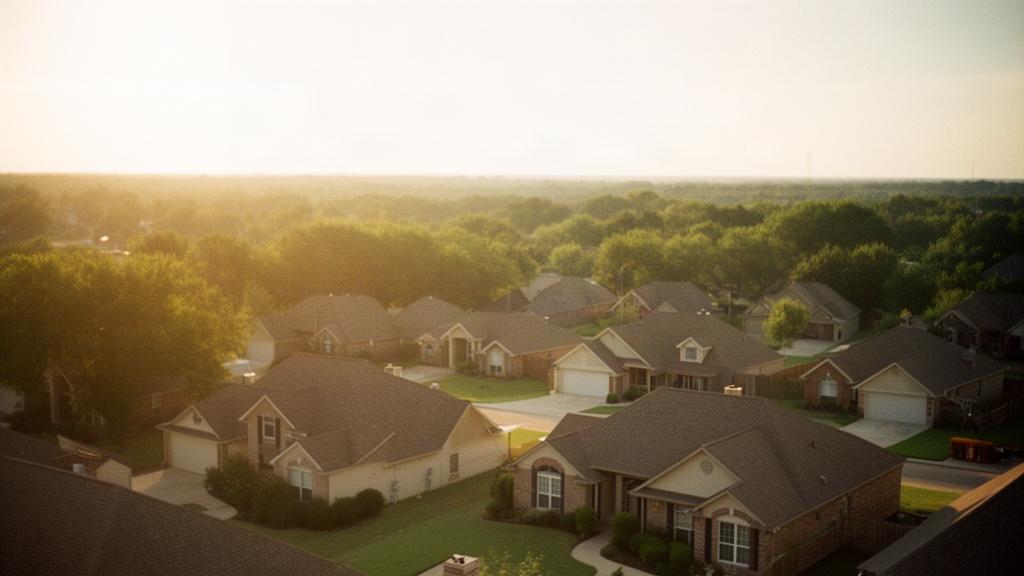
Moving north toward the Alderwood area and east toward the Scriber Lake corridor, the housing stock shifts to established single-family neighborhoods built primarily between 1960 and 1990. Homes here typically sit on lots ranging from 6,000 to 10,000 square feet, with mature trees, attached two-car garages, and the kind of neighborhood infrastructure, sidewalks, cul-de-sacs, and street lighting, that buyers relocating from denser cities often find appealing. Scriber Lake Park, a 26-acre wetland park in the heart of the city, is accessible from several of these streets and provides a natural anchor for the surrounding blocks.
Alderwood Manor, one of Lynnwood's older residential pockets, contains a mix of original 1950s homes and extensively remodeled properties. Buyers who want a detached single-family home in Lynnwood at the lower end of the market often start here, since some original-condition homes still surface in the high $500,000s, though updated properties on the same streets can list well above $700,000.
Condo and Townhome Inventory
Lynnwood's condo market is concentrated in a handful of complexes along 196th Street SW and near the Alderwood Mall area on 36th Avenue W. HOA fees in these buildings range from roughly $350 to $600 per month depending on the building's age and amenities. Buyers considering a condo in Lynnwood should budget carefully for HOA costs on top of the purchase price, since those fees affect both monthly carrying costs and the loan types available. Townhome communities, particularly the newer ones built since 2020, tend to carry lower HOA fees in the $150 to $250 range because exterior maintenance responsibilities fall more on the individual owner.
3. Inventory, Competition, and What Is Driving the Market
Inventory is the single biggest factor shaping the Lynnwood market right now. Snohomish County has consistently run below balanced market levels throughout 2026, meaning there are fewer homes available than there are active buyers. That imbalance keeps prices firm even when individual sellers test the market with a price cut.
How Tight Is Inventory in Snohomish County
A balanced market typically carries four to six months of supply. Snohomish County has been running closer to two months of supply for most of 2026, which means well-priced homes in Lynnwood are still moving within two to three weeks of listing. Homes that sit longer are almost always ones that were priced above what comparable sales support. Buyers who are watching days-on-market data can find useful context in our separate analysis of homes and days on market in Snohomish County in 2026.
Price Cuts and What They Signal
Price reductions are appearing more frequently in Washington state than they did in 2022 and 2023, but that does not mean the market is declining. According to recent reporting from HousingWire, Washington state saw a notable inventory drop paired with an uptick in price cuts, which reflects sellers recalibrating after overpricing rather than a broad market softening. In Lynnwood, this plays out as a tale of two listings: homes priced correctly from day one are still receiving multiple offers, while homes that come to market 5 to 10 percent above comparable sales are sitting and eventually reducing.
How Lynnwood Compares to King County
Lynnwood offers a meaningful price difference compared to King County cities at similar distances from downtown Seattle. Bellevue's median home price, for example, is running significantly higher than Lynnwood's, as detailed in our breakdown of the average home price in Bellevue in September 2026. Buyers who need access to the Seattle employment core but cannot absorb King County prices are increasingly choosing Lynnwood precisely because the light rail now makes the commute practical without a car.
The commute from Lynnwood to downtown Seattle by light rail takes approximately 35 to 40 minutes from the Lynnwood City Center station to Westlake. By comparison, driving the same route on I-5 during peak hours can take 45 to 75 minutes depending on traffic. That gap has made the rail option genuinely competitive for buyers who work in the city core, and it has expanded Lynnwood's buyer pool considerably since the line opened.
4. Timing Your Move: When to Buy or Sell in the Lynnwood Market
Timing matters, but it matters differently depending on whether you are buying or selling. September 2026 sits at the transition point between the summer selling season and the quieter fall market, and that shift creates specific opportunities and constraints for both sides of a transaction.
Fall 2026 Conditions for Sellers
Sellers who list in September and October in Lynnwood are working with a smaller pool of active buyers than they would have had in April or May, but the buyers who are active in fall tend to be more motivated. Job relocations, lease expirations, and life changes do not follow the calendar the way discretionary moves do. A well-presented home priced accurately in fall can sell quickly because it faces less competition from other listings than it would in spring. Our deeper look at fall 2026 selling conditions in the Seattle metro and Lynnwood covers this in more detail.
Fall 2026 Conditions for Buyers
For buyers, fall is one of the better windows to negotiate. Sellers who listed in summer and did not get the offer they wanted are now several months into their carrying costs and are often more willing to consider concessions, whether that means a price adjustment, help with closing costs, or a longer inspection period. Buyers who have been patient through the competitive spring market sometimes find fall is when they can finally get an offer accepted without waiving every contingency.
That said, inventory in Lynnwood is still tight enough that the best-priced homes in the most sought-after pockets of the city are not sitting long. Buyers should come to the market pre-approved and ready to move, not just browsing. The window between a new listing appearing and an accepted offer closing can be as short as seven to ten days for a correctly priced home.
Mortgage Rate Reality in September 2026
Mortgage rates have remained a central factor in affordability calculations throughout 2026. Thirty-year fixed rates have been hovering in the mid-to-upper 6 percent range through the summer and into September 2026. That is meaningfully higher than the sub-3 percent rates buyers locked in during 2020 and 2021, but it is also lower than the peak rates seen in late 2023. Buyers who purchased in 2020 or 2021 and are now considering selling face the rate-lock effect: moving means giving up a low rate and taking on a higher one, which is one reason resale inventory in Lynnwood remains constrained.
5. Costs and Tax Considerations Every Lynnwood Buyer or Seller Should Know
The purchase price is only part of what you will spend when buying or selling a home in Washington state. Several state-specific costs and taxes affect the total financial picture, and understanding them before you are in the middle of a transaction saves real money and prevents surprises.
Closing Costs in Washington State
Washington state buyers typically pay between 2 and 4 percent of the purchase price in closing costs, covering lender fees, title insurance, escrow charges, prepaid property taxes, and homeowners insurance. On a $700,000 home in Lynnwood, that translates to roughly $14,000 to $28,000 in closing costs on top of the down payment. Sellers in Washington pay the real estate excise tax, which is a graduated rate that reaches 3 percent on the portion of the sale price above $3 million. For a $700,000 sale, the excise tax rate is 1.28 percent, or approximately $8,960. Our full breakdown of closing costs for Washington state home buyers in 2026 walks through each line item in detail.
Property Taxes and Capital Gains
Property taxes in Snohomish County run at an effective rate of roughly 0.9 to 1.1 percent of assessed value, which is somewhat lower than King County rates. On a $700,000 home in Lynnwood, annual property taxes typically land in the $6,300 to $7,700 range, though the exact figure depends on the parcel's assessed value and any applicable levies. For comparison, our article on property taxes on an $800,000 home in King County illustrates how the rate structure differs across county lines.
Washington state also has a capital gains tax that can apply to certain home sales, though the primary residence exemption under federal law shields most homeowners who have lived in their property for at least two of the last five years. Sellers who have owned investment property or who have gains exceeding the federal exclusion limits should review how this tax works before listing. Our dedicated article on Washington state capital gains tax and home sales covers the specifics.
FAQ
Is Lynnwood a buyer's market or a seller's market right now in September 2026?
Lynnwood is still leaning toward a seller's market in September 2026, though conditions are more balanced than they were in 2021 and 2022. Snohomish County inventory is running around two months of supply, which is below the four-to-six month range that defines a balanced market. Well-priced homes are still moving in two to three weeks, but buyers have more room to negotiate on overpriced listings than they did two years ago. The fall seasonal slowdown is giving some buyers a window to make offers with contingencies intact, which was difficult to do during the spring peak.
How much does a typical home in Lynnwood, Washington cost in 2026?
As of September 2026, the median sale price for a single-family detached home in Lynnwood is tracking in the low-to-mid $700,000s. Entry-level detached homes, typically three bedrooms under 1,500 square feet, list in the high $500,000s to low $600,000s. Condominiums start around $350,000 for a two-bedroom unit, while newer townhomes fall between $550,000 and $675,000. Prices vary by proximity to the Lynnwood City Center light rail station, lot size, and the condition of the home. Homes that have been updated within the last five years consistently command a premium over original-condition properties on the same street.
What should someone relocating to Lynnwood know about the local real estate market before buying?
People relocating to Lynnwood should understand that the market moves quickly for correctly priced homes, so coming pre-approved and ready to act is essential. The Lynnwood Link light rail extension, which opened in 2024, has changed the commute equation significantly: riders can reach downtown Seattle in roughly 35 to 40 minutes without driving on I-5. Housing stock ranges from 1950s bungalows to brand-new townhomes and condos near the transit center, so the type of home available depends heavily on which part of the city you focus on. Washington state has no income tax, but buyers should budget for closing costs of 2 to 4 percent of the purchase price and factor in annual property taxes of roughly 0.9 to 1.1 percent of assessed value in Snohomish County. Working with a local agent who knows the Lynnwood market is the fastest way to understand which neighborhoods match your priorities and budget.