← Back to Blog
Neighborhoods
What Is It Actually Like to Live in the Midtown Tulsa Neighborhood Day to Day
By Kimmie Martin
September 19, 2026 · 10 min read
If you are wondering what it is like to live in the Midtown Tulsa neighborhood day to day, the short answer is this: it is a walkable, older part of the city with distinct architecture, a strong local dining scene, and housing prices that still sit below what comparable inner-ring neighborhoods cost in larger metros. This article breaks down the streets, the commute, the grocery runs, the housing stock, and the rhythms of daily life so you can decide whether Midtown fits the way you actually want to live.
1. What Midtown Tulsa Actually Is and Where It Sits
Midtown Tulsa is the broad swath of the city that runs roughly between downtown to the east and the 169 corridor to the west, with 15th Street anchoring the north end and 51st Street forming a loose southern boundary. It is not one single neighborhood with a homeowners association and a gate; it is a collection of distinct historic districts and older residential streets that Tulsans collectively call Midtown. Understanding that distinction matters before you start touring homes, because the feel of a block near Brookside on Peoria Avenue is genuinely different from a block near the Cherry Street corridor on 15th Street, even though both sit inside what most people call Midtown.
Defining the Boundaries
Midtown Tulsa is not a single ZIP code. The area spans ZIP codes 74103, 74104, 74105, 74114, and parts of 74119, depending on which block you are standing on. The historic districts embedded within Midtown include Maple Ridge, Terwilleger Heights, Swan Lake, the Riverview neighborhood along the Arkansas River bluffs, and the Brookside commercial district along Peoria. Each of these carries its own deed restrictions, architectural covenants, or historic overlay zoning that shapes what you can build, renovate, or add to a property.
For a thorough overview of how these districts fit together, this detailed breakdown of Midtown Tulsa's historic neighborhoods and districts is worth reading before you start scheduling showings. It lays out the geographic logic clearly.
How Midtown Connects to the Rest of Tulsa
Peoria Avenue, Harvard Avenue, Yale Avenue, and Lewis Avenue run north to south through Midtown and connect directly to the Creek Turnpike and Highway 51 at their southern ends. From most Midtown addresses, downtown Tulsa is roughly 10 to 15 minutes by car with no highway driving required. The Warren Clinic and Saint Francis Hospital complex near 61st and Yale sits about 10 minutes south. Tulsa International Airport is approximately 20 minutes northeast via the 244 or Admiral Place corridor. These are not theoretical drive times; they reflect what a resident leaving at 8 a.m. on a weekday actually experiences on these surface streets.
2. The Housing Stock and What Homes Look Like
The housing in Midtown Tulsa is predominantly older construction, and that is one of the defining features of daily life here. Most of the residential streets were developed between the 1910s and the 1960s, which means the bones of the neighborhood are solid but the systems inside many homes, roofs, plumbing, electrical panels, HVAC, reflect their age. Anyone relocating from a newer suburb should factor that into their budget and their expectations.
Architectural Character
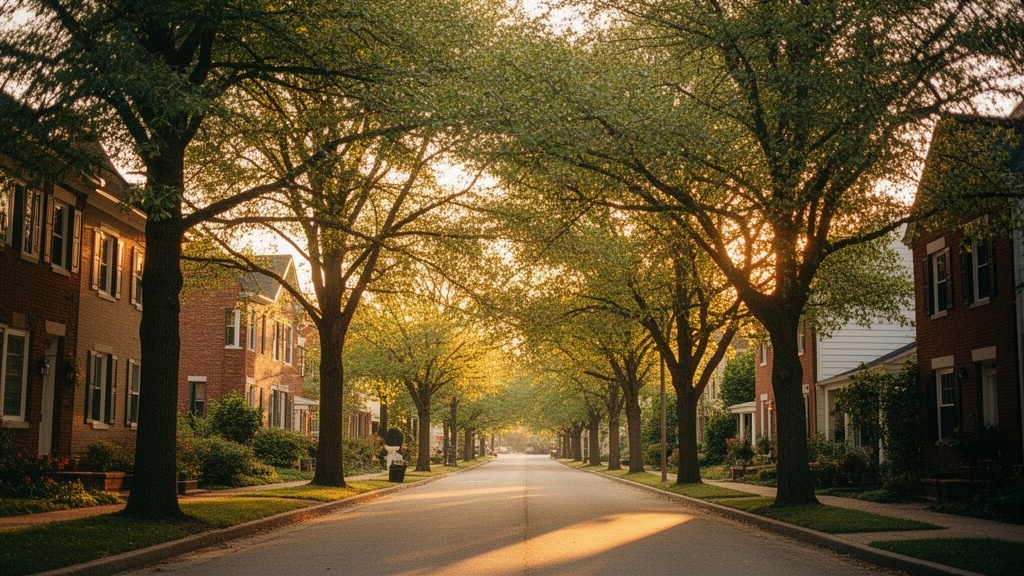
Tudor Revival, Colonial Revival, Spanish Eclectic, and Craftsman bungalows are the styles you will see most often on Midtown streets. The Maple Ridge historic district in particular has some of the most intact examples of 1920s and 1930s residential architecture in Oklahoma, with brick construction, arched doorways, casement windows, and original hardwood floors that buyers pay a premium to find. Terwilleger Heights and Swan Lake carry a similar character but with slightly more variation in lot size and setback. Closer to Cherry Street and the 15th Street corridor, you find more modest bungalows and two-story foursquares that have been renovated over the decades to varying degrees.
Lot Sizes and Yard Space
Lot sizes in Midtown Tulsa typically run between 6,000 and 10,000 square feet for standard residential parcels, though the larger estate-style lots in Maple Ridge and along the Riverview bluffs can reach a quarter acre or more. Detached garages are common, often accessed from an alley behind the home, which keeps the front streetscape clean and walkable. Mature trees, including post oaks, elms, and pecans, are a consistent feature. Many yards have been landscaped over decades, so you get established plantings rather than the blank-slate lots common in newer construction areas.
Price Ranges in September 2026
As of September 2026, Midtown Tulsa homes span a wide price range depending on the specific district, condition, and square footage. Entry-level bungalows that need updating are trading in the low $200,000s. Fully renovated three-bedroom homes in Maple Ridge or Swan Lake typically list between $350,000 and $550,000. Larger estate properties on the Riverview bluffs or on oversized Maple Ridge lots can push past $700,000 to $900,000 and occasionally beyond. Condos and smaller attached units near the Cherry Street corridor offer a lower entry point, with some units priced from the mid-$100,000s. For a broader look at how these figures compare across Tulsa, the buyer's guide on this site covers citywide pricing context.
3. Day-to-Day Errands, Food, and Getting Around
Living in the Midtown Tulsa neighborhood day to day means most routine errands are close, but Tulsa is still a car-dependent city overall. You will not be able to skip car ownership entirely the way you might in a dense urban core, but you will find that many trips, especially for food and coffee, are short enough that residents often walk or bike when the weather cooperates.
Grocery and Daily Errands
Grocery access in Midtown is solid. A Whole Foods Market sits at 81st and Yale, about a 10-minute drive from most Midtown addresses. The Reasor's on 51st Street near Harvard covers conventional grocery needs and is closer for residents in the southern half of the area. A Natural Grocers on 15th Street near Peoria serves the northern Midtown corridor. For specialty items, Sprouts Farmers Market at 71st and Memorial is roughly 15 minutes south. The Brookside district along Peoria also has a cluster of independent shops, a pharmacy, and a hardware store that handle most household needs without requiring a highway trip.
Restaurants and Coffee
The restaurant density in Midtown is one of the most noticeable parts of daily life here. Cherry Street on 15th Street is one of Tulsa's most active dining corridors, with restaurants ranging from Bodean Seafood to Chimera Cafe to the Roosevelt Coffee house, which has been a neighborhood anchor for years. The Brookside district on Peoria between 31st and 41st Street adds another layer, with Burn Co Barbecue, Elgin Park, and a rotating set of independent spots that open and close with the rhythms of the local food scene. Ordering delivery is straightforward from most Midtown addresses, but the walkability of Cherry Street and Brookside means many residents simply walk to dinner rather than drive.
Getting Around by Car and on Foot
Midtown Tulsa has a Walk Score that varies significantly by block, ranging from the low 60s in quieter residential pockets to the upper 70s near Cherry Street and Brookside. The Tulsa Townies bike network and the River Parks trail system along the Arkansas River are both accessible from Midtown within a short ride. The River Parks trail runs about 26 miles along both banks of the Arkansas and is a major draw for residents who commute by bike or run and cycle on weekends. Tulsa Transit does operate bus routes through Midtown, but service frequency is limited compared to larger cities, so most residents rely on a personal vehicle for work commutes.
4. Parks, Green Space, and Weekend Life
Green space is genuinely woven into the fabric of Midtown Tulsa, and it shapes weekend rhythms more than most people expect before they move here. The neighborhood sits close to several of Tulsa's most used public parks, and the River Parks system along the Arkansas River bluffs is within a short drive or bike ride from most Midtown addresses.
Woodward Park and the Rose Garden
Woodward Park sits at 21st Street and Peoria Avenue and covers roughly 45 acres in the heart of Midtown. It contains the Tulsa Garden Center, the Linnaeus Teaching Garden, a formal sunken rose garden with thousands of rose bushes that bloom from May through October, and the Tulsa Arboretum. Residents use it for morning walks, weekend picnics, and photography. The park is free and open daily. It is one of the most consistently used green spaces in the city, and its central location means most Midtown residents are within a five-minute drive or a 15-minute walk.
Gathering Places and Local Events
The Gathering Place on the east bank of the Arkansas River at 23rd Street is one of the most significant public parks to open in Oklahoma in decades, and Midtown residents are among its most frequent users given the proximity. The park spans 66 acres and includes a boathouse, a skate park, playgrounds, a sports court complex, a lodge, and miles of walking and cycling paths. It hosts seasonal events, outdoor concerts, and markets throughout the year. The Brookside neighborhood also runs its own seasonal events along Peoria, including a long-running arts and crafts festival that draws vendors and visitors from across the metro.
For a broader picture of Midtown's lifestyle features and how the historic districts contribute to daily life, this Midtown neighborhood guide offers additional context on the area's character and walkable districts.
5. What Buyers and Renters Should Know Before Committing
Living in the Midtown Tulsa neighborhood day to day is not without trade-offs, and the buyers who are happiest here are the ones who understood those trade-offs before they closed. Here is what deserves honest attention before you commit.
Older Homes Mean Older Systems
A 1930s Tudor Revival in Maple Ridge is a beautiful thing to own, but it may also have a cast-iron sewer line, a 100-amp electrical panel, single-pane windows, and a roof that is 15 years into a 20-year lifespan. None of those things are disqualifying, but they are real costs. Budget for a thorough inspection and ask your inspector specifically about the age and condition of the sewer lateral, the electrical service, and the HVAC system. Renovation costs in Tulsa are lower than in coastal markets, but a full electrical upgrade, new roof, and sewer replacement can still add $30,000 to $60,000 to your first-year ownership costs if you are not prepared.
Historic overlay zoning in districts like Maple Ridge also means that exterior changes, including additions, window replacements, and fence installations, may require approval from the Tulsa Historic Preservation Office. This is not a barrier to ownership, but it is a process to understand before you buy, especially if you are planning significant renovations.
Schools and How to Research Them
Most of Midtown Tulsa falls within Tulsa Public Schools, with some southern portions near 51st Street touching the Union Public Schools district boundary. School assignment depends on your specific address, not the general neighborhood name, so always verify your assigned school directly with the district before purchasing. The Oklahoma State Department of Education publishes school report cards and enrollment data at sde.ok.gov, which is the most reliable starting point for your own research. School selection is a personal decision that involves factors specific to your household, and it is worth visiting schools directly and speaking with the district rather than relying on third-party ratings.
Market Conditions Right Now
As of September 2026, Midtown Tulsa remains a competitive segment of the Tulsa market, particularly for move-in-ready homes in the $300,000 to $500,000 range. Well-presented homes in Maple Ridge and Swan Lake that are priced accurately are still receiving multiple offers within the first week of listing. Homes that need significant work are sitting longer, which creates opportunity for buyers who are comfortable managing a renovation project. Inventory in Midtown has been tighter than in the broader Tulsa metro because the supply of historic homes is fixed; you cannot build new ones to meet demand the way you can in a suburban greenfield area.
Interest rates in September 2026 continue to influence how buyers are approaching their budgets, and pre-approval before touring is especially important in Midtown where accurately priced listings move quickly. If you are weighing Midtown against other parts of Tulsa, the buyer's guide on this site walks through what the broader Tulsa market looks like right now and what to expect from the offer process.
FAQ
Is Midtown Tulsa walkable enough to live without a car?
Midtown Tulsa is more walkable than most of the Tulsa metro, but it is not a car-free lifestyle for most residents. The Cherry Street corridor on 15th Street and the Brookside district on Peoria are both walkable for dining, coffee, and light shopping, and residents in those pockets can handle many leisure errands on foot. However, commuting to work, reaching major grocery stores, and accessing healthcare facilities will almost always require a car or a rideshare. The River Parks trail system is bikeable and connects much of the area, which helps for weekend recreation, but Tulsa Transit bus service through Midtown runs on limited frequency compared to larger cities.
What is the price difference between Midtown Tulsa and newer Tulsa suburbs?
As of September 2026, Midtown Tulsa entry-level homes start in the low $200,000s for properties needing updates, while fully renovated homes in the historic districts range from roughly $350,000 to $550,000 for a three-bedroom. By comparison, newer construction in south Tulsa suburbs like Jenks or Owasso can offer more square footage for a similar price, with the trade-off being newer systems and less architectural character. Midtown buyers are often paying a premium for location, walkability, lot maturity, and the historic character of the homes themselves. The per-square-foot price in Midtown's historic districts tends to run higher than the Tulsa citywide median.
How do I find out which school district covers a specific Midtown Tulsa address?
School district boundaries in Midtown Tulsa do not follow the neighborhood's general boundaries, so you need to verify your specific address rather than assuming. The most reliable method is to use the Tulsa Public Schools or Union Public Schools district websites, both of which have address lookup tools that return your assigned school based on your street address. The Oklahoma State Department of Education at sde.ok.gov publishes school report cards, enrollment figures, and program information for every public school in the state, which is a useful starting point for your own research. If you are considering a specific home, confirm the school assignment before making an offer, not after, since district boundaries can change and the general neighborhood name is not a reliable guide.