← Back to Blog
Neighborhoods
The Maple Ridge Neighborhood of Tulsa, Oklahoma: Real Estate Market Guide, Prices, and Timing
By Kimmie Martin
September 22, 2026 · 10 min read
Maple Ridge is one of Tulsa's most established historic neighborhoods, sitting just south of downtown along the west bank of the Arkansas River corridor, and its real estate market behaves differently from nearly every other pocket of the city. This guide covers current prices, what the housing stock actually looks like, how long homes are sitting, and when to move, whether you are buying, selling, or relocating to Tulsa for the first time.
1. What Makes Maple Ridge Different from Other Tulsa Neighborhoods
Maple Ridge stands apart because of its historic district status and the physical scale of its homes. Platted in the early 1900s and developed through the 1930s during Tulsa's oil boom years, Maple Ridge carries a density of architectural detail that newer parts of the city simply do not have. The neighborhood is roughly bounded by Riverside Drive to the west, Peoria Avenue to the east, 21st Street to the north, and 31st Street to the south, placing it squarely in the heart of midtown Tulsa.
Historic District Designation and What It Means for Buyers
Much of Maple Ridge falls within the Maple Ridge Historic District, which is listed on the National Register of Historic Places. That designation does not automatically restrict what you can do inside a home, but it does shape the exterior renovation process. Buyers planning significant exterior changes should check with the City of Tulsa's planning department and the State Historic Preservation Office before closing, because certain alterations require review to preserve the district's architectural integrity.
The historic designation also creates a natural floor under property values. Homes in recognized historic districts tend to hold value more consistently during broader market slowdowns because the supply of comparable properties is finite and the character of the neighborhood cannot be replicated by new construction. That dynamic is worth understanding before you make an offer or set a list price.
Streets, Lot Sizes, and Architectural Character
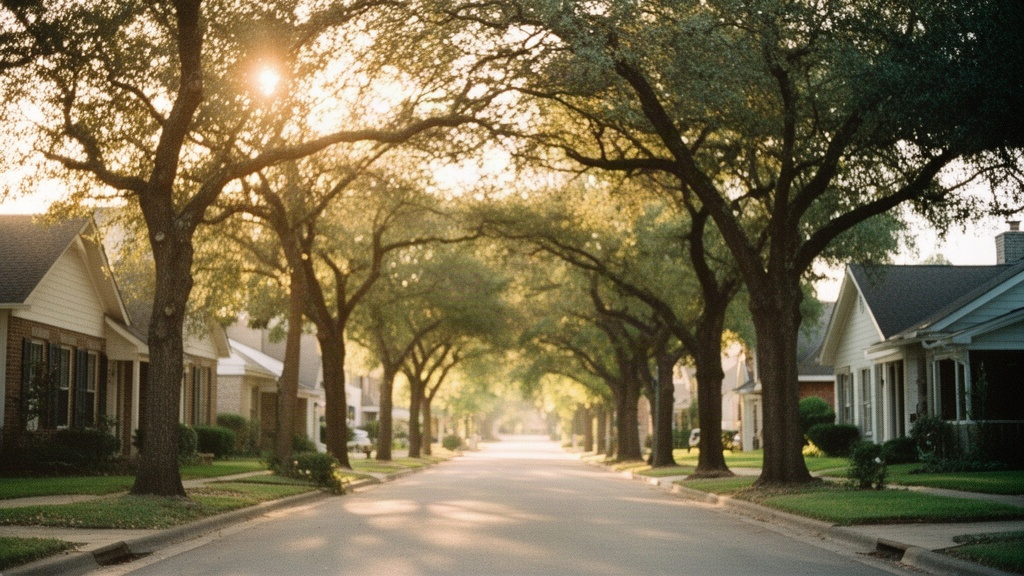
Maple Ridge's street grid is tree-lined and walkable by Tulsa standards. Lots typically run between 7,500 and 12,000 square feet, with many corner lots and double lots that push into the 15,000-square-foot range. Streets like Rockford Avenue, Madison Avenue, and Owasso Avenue are particularly well known for their canopy of mature oaks and elms that arch over the roadway. The sidewalk infrastructure here is more complete than in most of Tulsa's residential areas, making foot traffic to nearby Riverside Drive and Woodward Park genuinely practical.
2. Maple Ridge Real Estate Prices Right Now
As of September 2026, the median sale price for homes in the Maple Ridge neighborhood of Tulsa, Oklahoma sits in the range of $430,000 to $475,000, depending on the block and the extent of interior updates. Price per square foot typically runs between $175 and $230, with fully renovated homes on larger lots pushing toward the top of that range. You can review current listing and sold data directly on sources like Redfin's Maple Ridge Historic District housing market page, which tracks median sale prices and days on market updated regularly.
Median Sale Price and Price Per Square Foot
The price spread within Maple Ridge is wider than most buyers expect. A 1,400-square-foot bungalow with original windows and an unfinished basement might list around $320,000 to $360,000, while a fully restored 3,500-square-foot Tudor Revival with a detached garage and updated kitchen can reach $700,000 or beyond. The neighborhood does not have a single price point; it has a spectrum tied closely to square footage, lot size, and renovation quality.
Homes on Rockford Avenue and the blocks immediately east of Riverside Drive have historically commanded a premium because of their proximity to the river trail system and Woodward Park. Interior blocks along streets like Madison and Owasso tend to price slightly lower, offering more square footage per dollar for buyers willing to take on cosmetic updates.
How Maple Ridge Compares to Surrounding Midtown Areas
Maple Ridge prices are generally higher than those in the broader midtown Tulsa market, which carries a median closer to $280,000 to $320,000 in September 2026. The premium reflects the historic designation, lot sizes, and the concentration of architecturally significant homes. Compared to Brookside, which sits just to the south and west, Maple Ridge homes tend to be larger and sit on bigger lots, though Brookside's commercial corridor along Peoria Avenue draws its own buyer pool. For a broader look at how midtown pricing fits into the city overall, the Midtown Tulsa real estate market guide covers the full picture.
3. The Housing Stock in Maple Ridge
Maple Ridge's housing stock is almost entirely pre-World War II construction, with the bulk of homes built between 1910 and 1942. That means buyers are looking at homes that are 80 to 115 years old, which is both the appeal and the practical consideration. The architectural variety is genuine: Tudor Revival, Colonial Revival, Craftsman bungalow, Spanish Colonial, and Period Cottage styles all appear within a few blocks of each other, a concentration of historic residential architecture that is rare in Oklahoma.
Architectural Styles and Home Sizes
Square footage in Maple Ridge ranges from roughly 1,200 square feet for the smallest bungalows to over 4,500 square feet for the larger estate-style homes near Riverside Drive. Most homes fall between 1,800 and 3,000 square feet. Garages are frequently detached and accessed via rear alleys, which is characteristic of the neighborhood's original design. Basements are common, though many are unfinished or partially finished, representing an opportunity for buyers who want to add livable square footage without altering the home's exterior footprint.
Original hardwood floors, plaster walls, leaded glass windows, and built-in cabinetry are found throughout the neighborhood. These details are part of what drives buyer demand, but they also require a specific kind of maintenance knowledge. Plaster walls crack differently than drywall. Original windows need reglazing, not replacement, if the historic designation applies to the exterior. Buyers who come in expecting a turnkey experience with zero quirks will be better served by a newer build in South Tulsa.
Renovation Realities and What to Budget For
Buyers purchasing a home that has not been recently updated should budget for several categories of deferred maintenance that are common in this age of construction. Knob-and-tube or early aluminum wiring appears in some homes that have not been fully rewired. Cast iron drain lines may need lining or replacement. Older HVAC systems, particularly in homes that were originally heated by radiators, may have been converted with equipment that is now past its useful life. A thorough inspection by a licensed inspector with experience in historic homes is not optional here; it is essential.
On the other side of that equation, a well-maintained Maple Ridge home with updated mechanicals, a newer roof, and a renovated kitchen can sell quickly and at or above list price. Sellers who have invested in those updates over the years tend to see strong returns because buyers understand they are getting a structurally sound historic home without the deferred maintenance risk. Pricing those updates correctly is where a knowledgeable local agent makes a real difference.
4. Market Conditions and Timing in Maple Ridge
In September 2026, Maple Ridge is operating with limited inventory and moderate buyer competition, which keeps it a seller-leaning market for move-in-ready homes. Homes needing significant work are sitting longer, sometimes 60 to 90 days, while updated properties in the $400,000 to $550,000 range are moving in under 30 days when priced correctly. The overall Tulsa market context matters here too; for a city-wide view of days on market trends, the article on how long homes are sitting on the market in Tulsa right now provides useful comparison.
Days on Market and Inventory Levels
At any given time, Maple Ridge has between 15 and 30 active listings across all price points, which is a thin supply for a neighborhood of its size. That low inventory is a consistent feature of the neighborhood, not a temporary condition. Homeowners in Maple Ridge tend to stay for long periods; turnover is lower than in newer subdivisions where people move more frequently. For buyers, that means acting quickly when the right property appears, because the next comparable listing may not come up for several months.
For detailed neighborhood-level data on sold prices and days on market, NeighborhoodScout's Maple Ridge profile aggregates census and real estate transaction data and is worth reviewing alongside current MLS listings to get a complete picture of how the market has moved over time.
Best Seasons to Buy or Sell in Maple Ridge
Spring, specifically March through May, brings the most buyer activity in Maple Ridge, which means sellers who list in late February or early March tend to see the strongest competition and the highest offers. The neighborhood photographs particularly well in spring because of its mature tree canopy and landscaped lots, which helps online listings stand out. Fall is the second most active window, with September and October bringing buyers who want to be settled before the holidays.
Buyers who want the least competition should focus on December and January, when inventory is thin but so is the buyer pool. Motivated sellers who listed in fall and did not sell are often more flexible on price and terms during those months. That is a narrow window, but it can be an opportunity for buyers who are pre-approved and ready to move. For sellers thinking about fall timing specifically, the guide on listing a home in Tulsa during fall 2026 covers current conditions in detail.
5. Location, Commutes, and What Is Around Maple Ridge
Maple Ridge sits approximately 2 to 3 miles south of downtown Tulsa, making it one of the closer established residential neighborhoods to the central business district. That proximity is a practical advantage for anyone working downtown or in the medical corridor along 21st Street, which runs along the neighborhood's northern edge.
Getting to Downtown Tulsa and Major Employment Corridors
A typical morning commute from Maple Ridge to downtown Tulsa runs 10 to 15 minutes by car under normal traffic conditions, using Riverside Drive north to the IDL or cutting across on 21st Street to the central core. The commute to Saint Francis Hospital at 61st and Yale runs roughly 15 to 20 minutes south on Peoria or Yale. The University of Tulsa campus at 11th and Harvard is about 10 minutes northeast. For anyone working in midtown's medical district or the arts district near the Brady Theater, Maple Ridge is genuinely close without requiring highway access.
Peoria Avenue forms the eastern boundary of Maple Ridge and connects directly to the Brookside shopping and dining corridor just to the south. That means residents have walkable or very short drive access to the restaurants, coffee shops, and retail along Brookside's stretch of Peoria between 31st and 41st Streets. The Brookside area market guide covers that corridor in depth for buyers considering the broader midtown pocket.
Parks, Amenities, and Nearby Destinations
Woodward Park, one of Tulsa's most visited public green spaces, sits directly adjacent to Maple Ridge along 21st Street at Peoria. The park covers 45 acres and includes the Tulsa Rose Garden, the Tulsa Garden Center, and the Linnaeus Teaching Garden. It is open year-round and draws consistent foot traffic from the surrounding neighborhood. The Tulsa Arboretum is also within the park boundary, adding another layer of maintained green space immediately accessible from Maple Ridge streets.
Riverside Drive runs along the western edge of Maple Ridge and connects to the River Parks trail system, which extends roughly 15 miles along both banks of the Arkansas River. The paved trail is used for cycling, running, and walking and connects to Gathering Place, Tulsa's 100-acre riverfront park at 21st and Riverside, which opened in 2018 and remains one of the most significant public amenities in the city. Residents of Maple Ridge can walk or cycle to Gathering Place in under 10 minutes from most blocks in the neighborhood.
For buyers who want to understand property tax implications before making an offer in Maple Ridge, Tulsa County's assessment process applies to all residential property in the city. The article on how property taxes are calculated in Tulsa, Oklahoma walks through the millage rate, homestead exemptions, and what to expect on a home in this price range.
FAQ
What is the typical price range for homes in the Maple Ridge neighborhood of Tulsa, Oklahoma right now?
As of September 2026, homes in Maple Ridge are selling in a range from approximately $320,000 for smaller bungalows needing updates to over $700,000 for fully renovated larger homes on premium lots near Riverside Drive. The median sale price sits roughly between $430,000 and $475,000 depending on the block and the condition of the home. Price per square foot runs between $175 and $230, with updated properties at the top of that range. The wide spread reflects the variety in home size, renovation status, and lot size across the neighborhood. Buyers should expect to compete for move-in-ready properties in the $400,000 to $550,000 range, which are moving in under 30 days when priced correctly.
Does the Maple Ridge Historic District designation affect what buyers can do with the property?
The National Register of Historic Places listing for the Maple Ridge Historic District primarily affects exterior alterations, not interior changes. Buyers who plan to update kitchens, bathrooms, or interior layouts are generally free to do so without historic review. However, exterior modifications such as window replacement, siding changes, or additions may require review by the City of Tulsa's planning department and the Oklahoma State Historic Preservation Office to ensure they are consistent with the district's character. Buyers should confirm the specific rules for any property they are considering before making renovation plans part of their purchase decision. Working with an agent who knows the neighborhood well can help you ask the right questions during the due diligence period.
How does buying in Maple Ridge compare to buying in other nearby Tulsa neighborhoods like Brookside or South Tulsa?
Maple Ridge homes are generally larger and sit on bigger lots than Brookside properties, and they carry a higher median price point reflecting the historic designation and architectural character of the area. Brookside offers more walkable commercial access along Peoria Avenue and tends to attract buyers who prioritize proximity to restaurants and retail over square footage. South Tulsa, by contrast, is dominated by newer construction from the 1980s through today, with more predictable maintenance needs but less architectural variety and lot size. For a detailed look at South Tulsa pricing and stock, the South Tulsa real estate market guide covers that area thoroughly. The right choice depends on what physical features matter most to you, and a local agent can help you weigh those trade-offs against your budget and timeline.