← Back to Blog
Market Trends
West Tulsa, Oklahoma Real Estate Market Guide: Prices, Neighborhoods and Timing
By Kimmie Martin
September 24, 2026 · 10 min read
West Tulsa is one of the most overlooked corners of the Tulsa, Oklahoma real estate market, and that gap between perception and reality creates real opportunity for buyers and sellers alike. This guide covers current home prices, what the housing stock actually looks like, how commutes and amenities break down by area, and how to read the timing signals that matter most in this part of the city. Whether you are relocating, buying your first home, or deciding when to list, here is what you need to know about the West Tulsa real estate market right now.
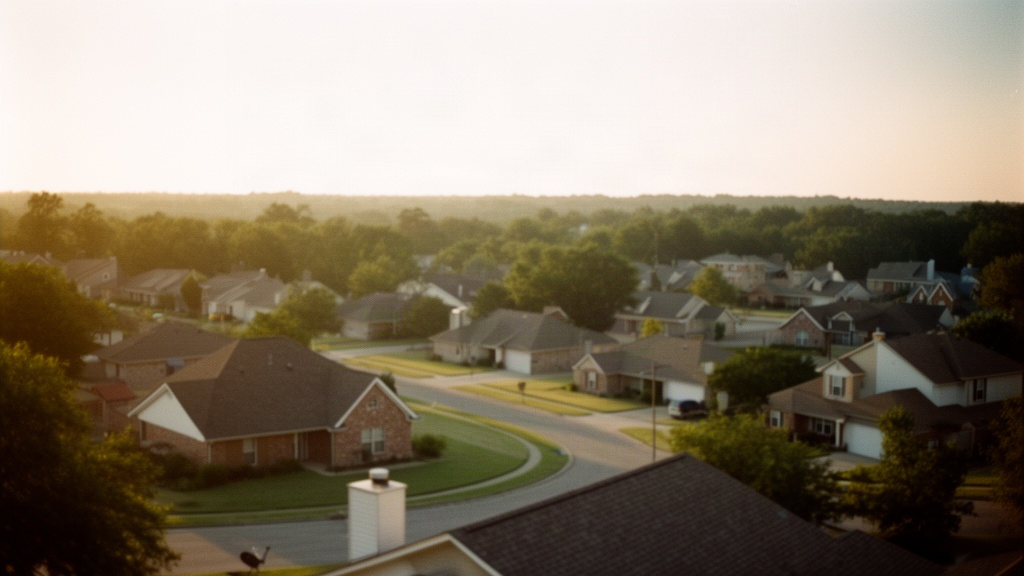
1. What the West Tulsa Real Estate Market Looks Like Right Now
West Tulsa home prices sit meaningfully below the city-wide median, making this part of the market accessible for a wide range of buyers. As of September 2026, homes in West Tulsa are generally trading in a range from the low $100,000s up to around $250,000, depending on the specific pocket, lot size, and condition of the property. That spread is wider than many buyers expect, and it reflects the diversity of housing stock across the area.
Current Price Ranges
Entry-level homes in West Tulsa, particularly smaller bungalows and ranch-style houses in the Red Fork corridor, are regularly listed in the $110,000 to $150,000 range. Mid-tier properties with updated kitchens, larger lots, or proximity to the Arkansas River tend to land between $160,000 and $220,000. Fully renovated or larger square footage homes push toward the $230,000 to $260,000 ceiling for the area. These numbers make West Tulsa one of the more price-accessible parts of the city for buyers working within a defined budget.
Days on market in West Tulsa have been running slightly longer than in Midtown or South Tulsa, which gives buyers a bit more room to negotiate. Well-priced and move-in-ready homes still move within two to three weeks, but properties that need work or are priced above recent comps are sitting longer, sometimes 45 to 60 days. That dynamic matters whether you are buying or selling.
How West Tulsa Compares to the Broader Tulsa Market
Across Tulsa as a whole, the median home price has been hovering around $220,000 to $240,000 through 2026, according to Redfin's Tulsa housing market data. West Tulsa's median lands below that city-wide figure, which means buyers get more square footage per dollar here than they would in Brookside, Cherry Street, or South Tulsa. For sellers, that lower price point means your buyer pool is broad, but pricing strategy matters more than in higher-demand corridors.
Inventory levels in West Tulsa have remained relatively steady through 2026, with neither a sharp shortage nor a glut of available homes. That balance means buyers have reasonable options to compare, and sellers are not competing against a flood of similar listings. It is a market that rewards preparation on both sides.
2. West Tulsa Neighborhoods: What Each Area Offers
West Tulsa is not a single uniform neighborhood. It is a collection of distinct pockets, each with its own street character, price tier, and proximity to amenities. Understanding which sub-area fits your priorities is the first step toward making a confident decision in this part of the Tulsa real estate market.
Red Fork and the Arkansas River Corridor
Red Fork is one of the oldest developed areas in West Tulsa, with roots going back to the early oil boom era. The housing stock here reflects that history: you will find Craftsman bungalows from the 1920s and 1930s alongside mid-century ranch homes on lots that typically run 6,000 to 8,500 square feet. Streets are tree-lined, and many blocks have a walkable, close-knit feel that is less common in newer subdivisions.
The Arkansas River corridor runs along the eastern edge of West Tulsa, and properties within a few blocks of the river tend to command a modest premium. The Gathering Place, one of Tulsa's most prominent public parks, sits on the east bank of the river and is accessible from West Tulsa via the Zink Lake pedestrian bridge. That connection to 100-plus acres of riverfront park land is a tangible amenity for anyone considering a home in this corridor.
Kendall-Whittier and the Western Edge of Midtown
The Kendall-Whittier area straddles the boundary between West Tulsa and the western edge of Midtown, which means buyers here get access to some of the walkability and commercial activity of Midtown at a lower price point. The neighborhood has seen a steady stream of renovation activity over the past several years, with older homes being updated and a handful of small businesses opening along 15th Street.
Home sizes in Kendall-Whittier tend to run from about 900 to 1,800 square feet, with the smaller end being older bungalows and the larger end being post-war two-story homes. Prices in this pocket generally track in the $130,000 to $195,000 range as of September 2026, depending on renovation level and lot position. If you want a neighborhood with visible reinvestment activity and proximity to the Cherry Street and Brookside commercial strips, this area is worth a close look.
The Tower Park and Carbondale Areas
Further west along the Highway 64 and 33rd Street corridors, the Tower Park and Carbondale sections of West Tulsa offer larger lots and more ranch-style construction from the 1950s through the 1980s. Lot sizes here frequently run from a quarter acre to half an acre, which is notably more land than buyers typically find in Midtown or Brookside at similar price points.
Tower Park itself is a city-maintained green space with ball fields and open lawn, giving the immediate surrounding blocks a distinct neighborhood anchor. Homes here tend to be more utilitarian in style but offer square footage in the 1,200 to 2,200 range at prices that still fall below the city median. For buyers who prioritize land and garage space over architectural detail, this pocket delivers.
3. Housing Stock: What Buyers Actually Find in West Tulsa
The housing stock in West Tulsa spans nearly a century of construction, which means condition and update level vary enormously from one block to the next. Buyers who understand what they are looking at, and what deferred maintenance typically costs in older Tulsa homes, will make far better decisions than those who rely on listing photos alone.
Architecture and Lot Sizes
The dominant architectural styles in West Tulsa are Craftsman bungalows from the 1920s and 1930s, American foursquares from the same era, mid-century ranch homes from the 1950s and 1960s, and brick ranch or split-level construction from the 1970s. Each style brings its own maintenance profile. Craftsman bungalows often have original hardwood floors and character woodwork, but they may also have aging electrical panels, galvanized plumbing, and original single-pane windows.
Lot sizes across West Tulsa range from compact 5,000-square-foot city lots in the oldest sections to generous quarter-acre and larger parcels further from the urban core. Many properties include detached garages or carports, which is a practical feature given Oklahoma's hail season. Alley-accessed lots are common in the older grid sections, which keeps street frontage clean and provides rear-yard utility access.
New Construction vs. Established Homes
New construction in West Tulsa is limited compared to South Tulsa or the Broken Arrow corridor. There are scattered infill builds on vacant lots in Red Fork and Kendall-Whittier, and a small number of new townhome projects near the river, but buyers looking for a brand-new subdivision with multiple floor plans and builder warranties will generally need to look elsewhere. For context on what is being built across the broader Tulsa metro right now, the Norada Real Estate Tulsa market overview tracks construction trends alongside resale data.
For buyers who want a move-in-ready home without the premium that new construction carries, West Tulsa's inventory of recently renovated older homes is a real option. Renovated bungalows with updated kitchens, new HVAC systems, and fresh roofs are available in the $160,000 to $210,000 range, which represents strong value compared to equivalent finish levels in other Tulsa neighborhoods. If you are weighing new construction against established homes elsewhere in the city, the guide on Tulsa's broader real estate market covers that tradeoff in more detail.
4. Commutes, Amenities, and Daily Life in West Tulsa
Location relative to work, parks, and daily errands is one of the most practical factors in any home purchase decision. West Tulsa has a specific commute and amenity profile that buyers should understand before making an offer. The good news is that the area's proximity to downtown and major highway corridors makes it more connected than its price point might suggest.
Getting to Downtown Tulsa and Major Employers
Downtown Tulsa is roughly 3 to 6 miles from most West Tulsa neighborhoods, depending on the specific starting point. During typical morning rush hour, that translates to a drive of 10 to 20 minutes via the Creek Turnpike, Highway 64, or the 11th Street bridge. The Gilcrease Expressway provides an additional north-south connection for residents in the northern sections of West Tulsa heading toward the Tulsa Hills shopping area or the industrial employment corridor along the west bank of the river.
Major employers accessible from West Tulsa include the Saint Francis Health System campus near 61st and Yale (roughly a 15 to 20-minute drive east), ONEOK's downtown headquarters, and the manufacturing and distribution facilities concentrated along the western industrial corridor. The Port of Catoosa, one of the nation's most inland ports and a significant industrial employer, is about 25 to 30 minutes northeast via the Mingo Valley Expressway.
Parks, Recreation, and Local Landmarks
The Arkansas River is the defining natural feature of West Tulsa's eastern boundary. The Gathering Place on the east bank and the River Parks trail system, which runs along both banks for several miles, provide walking, cycling, and open green space that residents access regularly. The west bank trail connects directly to several West Tulsa neighborhoods, making river access a genuine daily amenity rather than a distant attraction.
The Gilcrease Museum, which houses one of the world's largest collections of art and artifacts from the American West, sits on the northern edge of West Tulsa near 25th and Gilcrease Museum Road. It is a landmark that draws visitors from across the region and gives the surrounding area a cultural anchor that not every residential neighborhood can claim. Tulsa Hills Shopping Center, located along Highway 75 on the southwest edge of the area, provides grocery, retail, and dining options without requiring a trip across the river.
5. Timing the West Tulsa Market: When to Buy and When to Sell
Timing in any real estate market is never perfect, but understanding the seasonal and structural patterns in West Tulsa gives buyers and sellers a meaningful edge. The West Tulsa market follows Tulsa's broader seasonal rhythm while also having its own dynamics tied to its price tier and buyer pool.
Seasonal Patterns in West Tulsa
Listing activity in West Tulsa picks up from March through June, which is when sellers put homes on the market ahead of the summer moving season. Buyer competition is highest during this window, and well-priced homes in the $140,000 to $190,000 range often receive multiple offers. By late summer, activity softens somewhat, and September through November typically brings a quieter market with more negotiating room for buyers who are still active.
Right now, in September 2026, West Tulsa is in that post-summer transition period. Buyers who missed the spring rush will find more days-on-market flexibility and sellers who are motivated to close before the holiday season. For sellers, listing in September and October still works well if the home is priced correctly from day one; overpriced homes in this window tend to sit and require price reductions that erode net proceeds.
Signals That Tell You the Market Is Shifting
Three data points are worth watching closely in West Tulsa: average days on market, the ratio of list price to sale price, and the volume of price reductions in active listings. When days on market start climbing above 45 and price reductions become common, the market is cooling and buyers gain leverage. When homes are going under contract in under 21 days with minimal price cuts, sellers hold the advantage.
Interest rate movement also affects West Tulsa's buyer pool more directly than it affects higher-priced markets. Because a large share of buyers here are using FHA or conventional loans at the lower conforming limit, even a half-point rate change can shift monthly payments enough to push some buyers out of the market or pull them back in. Watching rate trends alongside local inventory data gives the clearest picture of where the market is heading.
If you are also considering other parts of Tulsa, the guides on relocating to Tulsa and the investment property landscape in Tulsa provide useful context for how West Tulsa fits into the broader metro picture.
FAQ
What is the typical home price range in West Tulsa right now?
As of September 2026, most homes in West Tulsa sell in the $110,000 to $260,000 range, with the bulk of transactions happening between $130,000 and $210,000. Entry-level bungalows in Red Fork and Kendall-Whittier start around $110,000 to $140,000, while updated or larger homes with more land push toward the upper end of that range. This price tier sits below the Tulsa city-wide median, which has been running around $220,000 to $240,000 through 2026. West Tulsa consistently offers more square footage per dollar than comparable homes in Midtown or South Tulsa.
How long does it take to sell a home in West Tulsa?
Move-in-ready homes priced at or slightly below recent comparable sales are going under contract in roughly 14 to 21 days in West Tulsa. Homes that need work or are priced above the current market are sitting longer, often 45 to 60 days, and frequently require price reductions before going under contract. The fall window, which includes September and October, tends to see slightly longer days on market than the spring peak, but motivated sellers who price correctly from day one still find buyers. Overpricing in this market is the single biggest factor that extends time on market.
Is West Tulsa a good area to consider if I am relocating to Tulsa?
West Tulsa offers a combination of lower price points, established neighborhoods with mature trees and older architectural character, and reasonable commute times to downtown and major employment corridors that make it worth including in any relocation search. The area is roughly 3 to 6 miles from downtown, with drive times of 10 to 20 minutes depending on the route and time of day. Amenities like the Arkansas River trail system, the Gilcrease Museum, and the Tulsa Hills retail corridor are all within easy reach. Buyers relocating to Tulsa should research school districts directly through the Tulsa Public Schools and Union Public Schools websites, as attendance boundaries and program offerings vary by address.