
← Back to Blog
Neighborhoods
What Are the Different Neighborhoods in Lake Jackson, Texas and What Is Each One Like to Live In?
By Kobie Moody
September 3, 2026 · 9 min read
Lake Jackson, Texas has a distinct neighborhood structure unlike most Texas cities, and understanding what each area offers can make a real difference when you are buying or relocating here. If you have been asking what are the different neighborhoods in Lake Jackson, Texas and what is each one like to live in, this guide breaks it all down with real housing details, price context, lot characteristics, and local landmarks. From the established streets near the city center to the newer subdivisions pushing toward the Brazoria County line, every pocket of Lake Jackson has its own character worth knowing before you make a move.
1. How Lake Jackson Is Laid Out (and Why It Matters for Buyers)
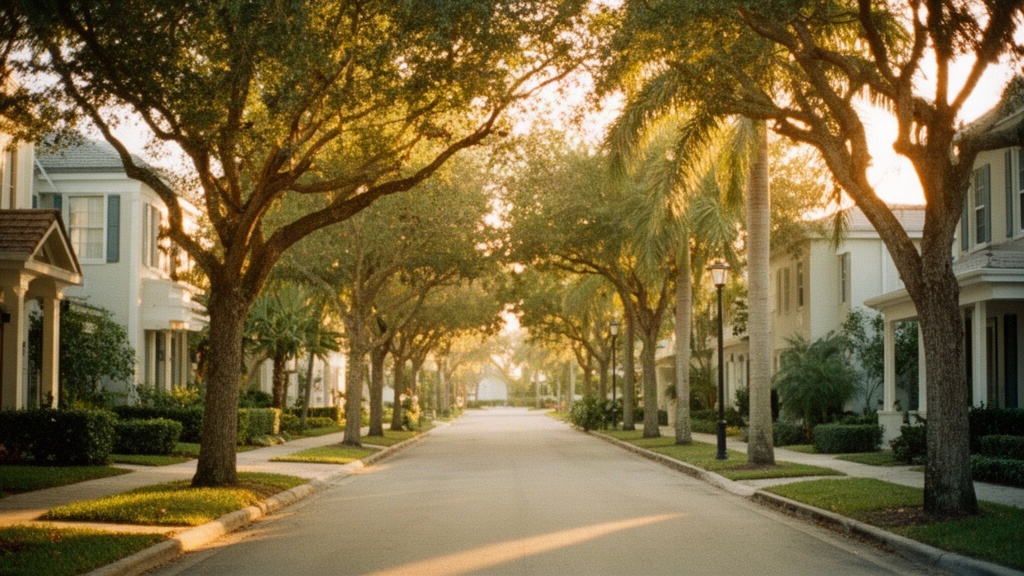
Lake Jackson was deliberately designed as a planned community in the 1940s, built by Dow Chemical to house its workforce. That origin shapes everything about how the city feels today. The street grid is intentional, the green space is woven into the layout, and the neighborhoods flow outward from a central core in a way that makes the city unusually coherent compared to cities that grew organically.
The city sits in Brazoria County, roughly 50 miles south of downtown Houston via State Highway 288. That commute runs between 55 and 75 minutes depending on traffic, which is a real factor for anyone working in the Texas Medical Center or downtown Houston. Local employment at Dow and the broader petrochemical corridor along the Gulf Coast means many residents work within 10 to 20 minutes of home.
The Planned City Grid
Lake Jackson is roughly 26 square miles, and most of the residential development sits within a compact core bounded by FM 2004 to the north, the Brazos River to the west, and Oyster Creek running through the middle. The creek is not just a drainage feature; it is a green corridor with walking and biking trails that connects several neighborhoods and feeds into the broader Brazoria National Wildlife Refuge system just south of the city.
What the Street Names Tell You
One of the first things newcomers notice is that Lake Jackson street names follow themes: trees (Oak, Willow, Pecan, Magnolia), water (Oyster Creek Drive, Brazos), and directional descriptors like "Way" appended to neighborhood names. Streets with "Way" in the name, such as Winding Way or Parking Way, are original planned-city corridors from the Dow-era design. These naming conventions are a quick shorthand for understanding which parts of the city are older and which are newer additions.
2. The Core Neighborhoods Near Downtown Lake Jackson
The neighborhoods closest to the original Lake Jackson town center are the oldest in the city, with homes dating to the late 1940s and 1950s. These areas sit within walking distance of This Is the Place park, the Lake Jackson Historical Museum on Abner Jackson Plantation Road, and the cluster of local businesses along Highway 332. The housing stock here is primarily single-story brick ranch homes and early postwar cottages, typically on lots ranging from 6,000 to 9,000 square feet.
Circle Drive and the Original Townsite
Circle Drive is one of the most recognizable streets in Lake Jackson because it wraps around the central commercial hub in a loop, a deliberate design choice from the 1940s master plan. Homes along and near Circle Drive are modest in square footage, often running between 1,100 and 1,600 square feet, but they sit on established lots with mature trees and proximity to local restaurants, shops, and the Lake Jackson Civic Center. As of September 2026, homes in this core zone typically list in the low to mid $200,000s, making them some of the more accessible price points in the city.
Parking Way and the Mid-Century Blocks
Parking Way runs through the commercial spine of the original townsite and connects to residential blocks that still carry the mid-century layout of wide setbacks and attached carports. These homes were built with the Dow workforce in mind: practical, well-constructed, and designed for the Gulf Coast climate with covered outdoor spaces. Many have been updated over the decades with modern kitchens and HVAC systems, though the exterior footprint and lot layout remain largely original.
The walkability of this central zone is a genuine feature. The Lake Jackson Public Library, Brazosport Center for the Arts, and Brazosport College are all within a few minutes by car and within reasonable biking distance for residents in the core neighborhoods. The Dow campus itself is just north of this area along Highway 332.
3. Established Residential Areas: Oak, Willow, and the Way Streets
Radiating outward from the original core, Lake Jackson's mid-tier established neighborhoods are built along the tree-named streets and the "Way" corridors from the 1950s through the 1980s. These areas represent the largest share of the city's housing stock and are where most buyers searching for a move-in-ready home in the $230,000 to $320,000 range will focus their attention.
The Way Street Corridors
Streets like Winding Way, Yaupon Way, and Camellia Way cut through established residential blocks where homes were built in phases from the 1950s through the 1970s. Square footage in these areas typically runs from 1,400 to 2,200 square feet, with three-bedroom and four-bedroom floor plans being the most common. Lots are generally larger than the core zone, often running from 8,000 to 12,000 square feet, with enough yard space for covered patios and storage buildings, which are common additions in this part of Brazoria County.
Many homes on the Way corridors have gone through one or two renovation cycles, so buyers will find a mix of original layouts with cosmetic updates and fully remodeled interiors with open floor plans. It is worth having a knowledgeable local agent walk you through what has been updated versus what is cosmetic staging, especially in homes where the bones are 1960s construction.
Lot Sizes and Tree Cover
One of the most consistent features of Lake Jackson's established neighborhoods is the tree canopy. The original city plan included significant green space and street tree plantings, and those trees are now mature. Live oaks, magnolias, and pecan trees are common throughout the Oak Street and Willow Street corridors, providing shade that meaningfully affects both outdoor comfort and summer cooling costs in a city that regularly sees temperatures above 95 degrees from June through September.
Oyster Creek Park runs along the creek corridor through this part of the city, with paved trails, picnic areas, and access to the Brazoria County nature trail system. Several neighborhoods back directly up to the creek greenbelt, which adds visual depth to rear yards without the maintenance of additional lawn. Homes backing the greenbelt tend to carry a modest price premium over comparable interior lots.
For a broader look at available inventory across these areas right now, the HAR.com Lake Jackson neighborhood directory breaks listings down by subdivision and can help you cross-reference active listings with the neighborhood descriptions in this guide.
4. Newer Subdivisions and Growth Areas on the Edges of Lake Jackson
Lake Jackson's growth since the 1990s has pushed outward toward the city limits, producing subdivisions with larger floor plans, two-car garages, and more contemporary layouts than the original Dow-era housing stock. These areas trade the mature tree canopy of the older neighborhoods for newer construction, open-concept interiors, and in some cases, access to community amenities like pools and walking trails.
Plantation Subdivision and the Oyster Creek Corridor
Plantation subdivision sits in the northern portion of Lake Jackson and includes homes built primarily from the 1980s through the early 2000s. Floor plans here are generally larger, running from 1,800 to 2,800 square feet, with four-bedroom layouts and formal living and dining rooms that were standard in Texas suburban construction of that era. Lots run from about 9,000 square feet up to a quarter acre in some sections.
Prices in Plantation as of September 2026 tend to fall in the $280,000 to $380,000 range depending on updates and lot position. Homes that have had kitchen and bathroom renovations in the last five to ten years are moving faster than unrenovated counterparts, which reflects a broader pattern across Lake Jackson's mid-tier market right now.
Brazos Lakes and Southern Developments
The southern edge of Lake Jackson, near the Brazos River and closer to the unincorporated communities of Clute and Richwood, includes some of the city's newer construction from the 2000s and 2010s. Developments in this corridor often feature brick and stone exteriors, covered back patios, and two-car attached garages as standard features rather than add-ons. Some sections include detention ponds that double as neighborhood green space, a common design feature in Brazoria County developments built after updated FEMA flood mapping in the early 2000s.
Flood zone status is a meaningful variable in Lake Jackson, and it varies by street and even by lot. Oyster Creek and the Brazos River both influence flood mapping across the city. Buyers should always request the current FEMA flood zone designation for any specific property and factor flood insurance costs into their monthly payment calculations. An experienced local agent can help you read the flood map and understand what it means for a specific address.
If you are currently browsing active listings across these subdivisions, the homes for sale in Lake Jackson, Texas guide on this site walks through what is on the market right now and what to watch for in each price tier.
5. What to Expect From the Lake Jackson Housing Market Across Neighborhoods
Understanding the different neighborhoods in Lake Jackson, Texas means understanding how price, lot size, age of construction, and proximity to amenities interact differently in each area. No two streets are identical, but the broad patterns below give buyers and sellers a reliable starting framework as of September 2026.
Price Ranges by Area
The core original townsite neighborhoods near Circle Drive and Parking Way currently represent the lowest entry point, with many homes listing in the $190,000 to $250,000 range. The established mid-city neighborhoods along the Way corridors and tree-named streets span roughly $230,000 to $340,000. Newer subdivisions like Plantation and the southern growth areas push into the $280,000 to $420,000 range, with fully updated or newer-construction homes at the upper end.
Lake Jackson does not have the extreme price stratification you see in larger Texas metros. The spread from the most affordable to the most expensive neighborhoods is narrower than in Houston proper, which means buyers get meaningful square footage and lot size at most price points. For deeper context on current pricing, the Houston Properties Lake Jackson real estate guide at houstonproperties.com provides additional market data alongside neighborhood context.
Commute Times and Access Points
Highway 288 is the primary artery connecting Lake Jackson to Houston, and access to 288 varies meaningfully by neighborhood. Residents in the northern sections of the city near FM 2004 and the Plantation area reach the 288 on-ramp at Clute in about 5 to 8 minutes. Residents in the southern and core neighborhoods add another 5 to 10 minutes to that. For daily commuters to the Texas Medical Center or downtown Houston, that difference compounds over a work week.
Internal travel within Lake Jackson is short regardless of which neighborhood you are in. The HEB grocery store on Highway 332, the Brazosport Regional Health System hospital, and the main commercial corridors are all within 10 minutes of virtually any residential address in the city. That compactness is one of the practical advantages of a planned city of this size.
Lake Jackson also sits about 20 minutes from the Gulf Coast beaches at Surfside Beach, which is a feature that shapes how residents use their weekends and influences the appeal of living in the southern Brazoria County corridor. Freeport's port and industrial employment base is about 10 minutes west, adding another local employment node beyond the Dow campus.
FAQ
What are the different neighborhoods in Lake Jackson, Texas and what makes each one distinct?
Lake Jackson is a planned city with neighborhoods that generally fall into three tiers: the original core townsite near Circle Drive and Parking Way, the established mid-city residential corridors along the Way streets and tree-named streets like Oak and Willow, and the newer subdivisions like Plantation on the northern edge and the 2000s-era developments near the southern city limits. The core is the oldest and most affordable, with postwar brick homes on modest lots. The mid-city tier offers the widest selection of updated homes in the $230,000 to $340,000 range with mature tree canopy and proximity to Oyster Creek Park. The newer subdivisions have larger floor plans and more contemporary layouts but less established landscaping. Each area has its own construction era, lot size range, and price point, so the right fit depends on what combination of those factors matters most to you.
How does flood zone status affect buying a home in Lake Jackson, Texas?
Flood zone designation varies significantly across Lake Jackson because the city sits between Oyster Creek and the Brazos River, both of which influence FEMA flood mapping. Some streets and subdivisions fall in high-risk flood zones that require mandatory flood insurance, while others are in lower-risk zones where insurance is optional but still advisable. The difference in annual flood insurance cost between a high-risk and moderate-risk property can run from a few hundred to several thousand dollars per year, which affects your true monthly housing cost. Always request the specific flood zone designation for any property you are considering, and review the current FEMA flood map for the address before making an offer. A local agent who knows Lake Jackson can help you interpret what a flood zone designation means for a specific lot and street.
What is the price range for homes in Lake Jackson, Texas as of 2026?
As of September 2026, home prices in Lake Jackson span roughly $190,000 to $420,000 depending on the neighborhood, size, age, and condition of the property. The most affordable options are in the original core townsite, where postwar homes in the 1,100 to 1,600 square foot range list in the low to mid $200,000s. The mid-city established neighborhoods along the Way corridors run from about $230,000 to $340,000 for updated three and four-bedroom homes. Newer subdivisions like Plantation and the southern developments push higher, with fully updated or newer-construction homes reaching into the $380,000 to $420,000 range. The market is more compressed than Houston proper, meaning buyers at most price points get solid square footage and lot size relative to comparable Texas markets.