
← Back to Blog
Market Trends
Maple Ridge, Canada Has the Strongest Reputation Real Estate Market Guide: Prices, Neighborhoods and Timing
By Cardas Mugridge Group
Exp Realty
September 24, 2026 · 10 min read
Maple Ridge, Canada has built a strong reputation as one of Metro Vancouver's most active real estate markets, drawing buyers who want more square footage, larger lots, and direct access to nature without leaving the region. This guide covers what prices look like right now in September 2026, how the major neighborhoods differ from one another, what the commute picture looks like, and how to time a purchase or sale in this market. Whether you are relocating, upsizing, or selling for the first time, the details below will give you a grounded picture of what to expect.
1. What Maple Ridge Prices Look Like Right Now
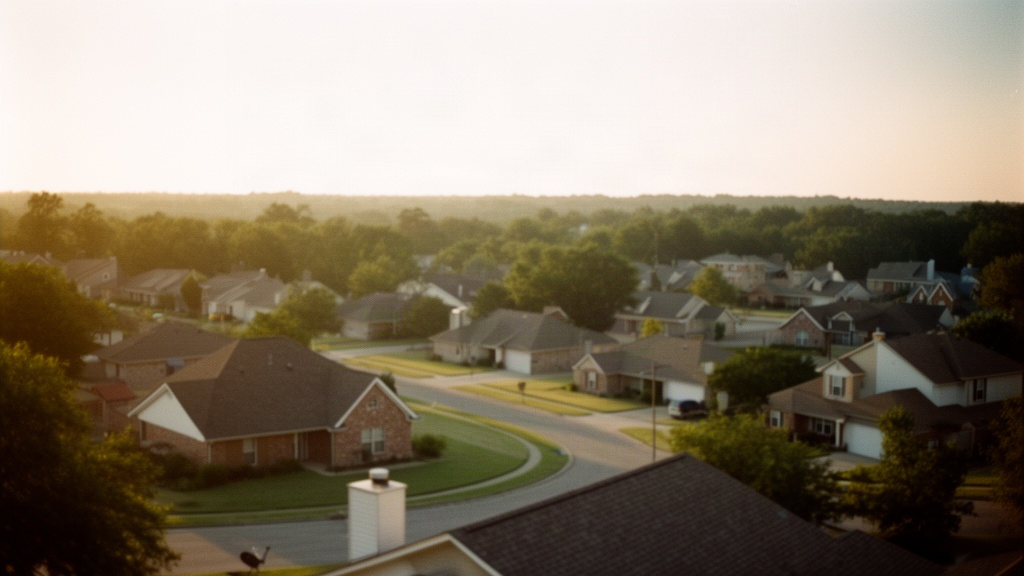
Maple Ridge sits at a distinct price point within Metro Vancouver: meaningfully lower per square foot than Burnaby or Coquitlam, yet offering detached homes with yards that are difficult to find anywhere closer to the city core.
Detached Homes
Detached home prices in Maple Ridge in September 2026 are broadly clustered between roughly $1.0 million and $1.5 million, depending on the neighborhood, lot size, and age of the home. Newer construction in areas like Albion and Silver Valley tends to sit at the higher end of that range, while older ranchers and two-storey homes in the Town Centre and west side can still be found below $1.1 million. For a detailed breakdown of what the benchmark price looks like this month, see our article on the average home price in Maple Ridge right now.
Lot sizes vary considerably across the city. In established west-side streets near 224th Avenue, lots of 7,000 to 10,000 square feet are common. In newer subdivisions east of 240th, standard lots often run 4,000 to 6,000 square feet, though some Silver Valley parcels back onto greenbelt and feel substantially larger.
Townhomes and Condos
Townhomes represent the most active segment in Maple Ridge right now, with prices generally ranging from the high $600,000s to the mid $900,000s depending on size, strata fees, and location. Albion has seen a concentration of newer townhome projects over the past several years, and many of those units offer three bedrooms and a double garage at prices that are difficult to match in communities closer to Vancouver.
Condos in Maple Ridge are concentrated near the Town Centre, particularly along Lougheed Highway and within walking distance of the West Coast Express station at the foot of Haney Place Mall. One-bedroom units in that corridor have been trading in the $400,000 to $550,000 range, while two-bedrooms typically run $550,000 to $700,000.
How Prices Have Moved
Price movement in Maple Ridge has not been uniform across all neighborhoods or property types. According to reporting by the Maple Ridge News, prices have risen in certain pockets of the city while softening in others, which means that the headline benchmark number can mask meaningful variation at the street level. Buyers and sellers both benefit from looking at sold data by sub-area rather than relying on citywide averages alone.
The 2024 calendar year was notably active for houses sold in the Maple Ridge and Pitt Meadows area, with transaction volumes outperforming some earlier expectations. That momentum carried into 2025 and has continued to shape the inventory and pricing environment heading into the fall of 2026.
2. Neighborhood Breakdown: What Each Area Offers
Maple Ridge is not a single housing market. It is a collection of distinct neighborhoods, each with its own housing stock, price range, proximity to amenities, and character. Understanding the differences helps buyers narrow their search and helps sellers position their property accurately.
Cottonwood and Albion
Cottonwood and Albion sit in the northeast quadrant of Maple Ridge, roughly between 240th Street and 272nd Street, north of the Lougheed Highway. Both neighborhoods are dominated by homes built from the late 1990s through to the present day, with a mix of detached single-family homes, townhome complexes, and a growing number of newer multi-family projects.
Albion in particular has seen consistent new development over the past decade and continues to see new projects break ground in 2026. The Albion Sports Complex on 105th Avenue serves as a major community hub, with ice rinks, a fitness centre, and multipurpose fields. Albion Elementary and neighbouring schools serve the area; for a detailed look at school structure in the adjacent Cottonwood area, see our article on schools serving Cottonwood in Maple Ridge.
Detached homes in Albion generally range from the low $1.0 million to $1.4 million range, while townhomes in the area run from the high $600,000s to around $900,000 depending on size and strata specifics.
Silver Valley
Silver Valley occupies the eastern edge of Maple Ridge, climbing up the slopes toward the Golden Ears mountains. The area is characterized by larger lots, newer homes built from the mid-2000s onward, and direct trail access into the Golden Ears Provincial Park corridor. Many properties in Silver Valley back onto forested land or have mountain views, which is reflected in their pricing.
Detached homes in Silver Valley regularly trade between $1.1 million and $1.6 million, with premium lots and newer builds at the top of that range. The neighborhood has a distinct feel compared to the more urban Town Centre: quieter streets, more mature landscaping on the older sections, and a strong connection to outdoor recreation.
West Maple Ridge and Town Centre
The Town Centre and the streets west of 224th Avenue represent the most established part of Maple Ridge. Housing stock here includes everything from 1960s and 1970s bungalows to more recent infill construction. Haney Place Mall, the Maple Ridge Library, Memorial Peace Park, and the Fraser River waterfront are all within easy reach.
The West Coast Express station in the Town Centre is a key draw for buyers who commute into Vancouver. Older detached homes in this area can still be found below $1.0 million, though renovated or updated properties on larger lots push well above that. The condo and townhome supply near the Town Centre is the densest in the city.
Thornhill and Yennadon
Thornhill sits north of the Lougheed Highway on the western side of Maple Ridge, while Yennadon occupies a semi-rural pocket further east. Both areas feature larger parcels, with some properties on half-acre to full-acre lots. Thornhill has a mix of older ranchers and newer custom builds. Yennadon properties often include detached workshops or secondary structures, and the area borders agricultural land reserve parcels.
Prices in Thornhill and Yennadon vary widely based on lot size and improvements, but detached homes on larger parcels in these areas can range from $1.1 million to well over $1.8 million for a fully updated home on a substantial lot.
3. Commute, Infrastructure, and Daily Life
One of the most practical questions buyers ask about Maple Ridge is how manageable the commute is. The answer depends heavily on mode of transport, time of day, and where in the city you are coming from.
Getting to Vancouver and Beyond
The West Coast Express is the backbone of the Maple Ridge-to-Vancouver commute. The train runs from Maple Ridge's Mission City and Port Haney stations into Waterfront Station in downtown Vancouver, and the trip takes approximately 75 to 80 minutes on a typical morning run. For a full breakdown of transit options and timing, see our article on the commute from Maple Ridge to downtown Vancouver by transit in 2026.
Driving to Vancouver via the Lougheed Highway or Highway 7 takes roughly 60 to 90 minutes depending on traffic conditions, with peak-hour delays on the Port Mann and Golden Ears bridges adding variability. Many Maple Ridge residents who work in Pitt Meadows, Langley, or the Tri-Cities find the drive considerably shorter.
Amenities, Parks, and Landmarks
Maple Ridge's outdoor infrastructure is one of its most tangible assets. Golden Ears Provincial Park, located at the eastern edge of the city, covers over 55,000 hectares and includes campgrounds, swimming areas at Alouette Lake, and hundreds of kilometres of hiking and mountain biking trails. The Kanaka Creek Regional Park runs through the middle of the city, connecting several neighborhoods by trail.
For daily needs, Haney Place Mall anchors the Town Centre retail corridor and includes a grocery anchor, a range of service retailers, and a food court. A second grocery-anchored shopping node sits near 240th Street in the Albion area. Ridge Meadows Hospital on 116th Avenue provides acute care services for the Maple Ridge and Pitt Meadows area.
4. Timing Your Purchase or Sale in Maple Ridge
Timing matters in any real estate market, and Maple Ridge follows some predictable seasonal patterns while also responding to broader Metro Vancouver conditions, interest rate movements, and local inventory levels.
When Buyers Have More Leverage
Inventory in Maple Ridge tends to be highest in the late summer and early fall, which is the window we are currently in as of September 2026. When more homes are listed simultaneously, buyers have more options, less competition per listing, and more room to negotiate on price, conditions, and completion dates. The period from August through October has historically been one where days on market extend slightly and sellers are more open to subject-to-financing and subject-to-inspection offers.
December and January see the lowest listing volumes of the year, which cuts both ways: less competition from other buyers, but also fewer choices. Buyers who are flexible on timing often find that the quieter winter months allow for more thorough due diligence.
When Sellers See the Most Activity
The spring market, running from roughly late February through May, consistently produces the highest buyer activity in Maple Ridge. Listings that hit the market in March and April tend to attract the most showings and, in balanced or tighter inventory conditions, can generate multiple offers. Sellers who prepare their homes through the winter for a March or April launch are generally well positioned.
A secondary wave of activity occurs in September and October as buyers who paused through the summer re-enter the market. This fall window can be productive for sellers, particularly for well-priced detached homes in the $900,000 to $1.3 million range where buyer demand remains consistent.
Days on Market and What It Signals
Days on market is one of the clearest indicators of where the market stands at any given moment. When the average detached home in Maple Ridge is selling within 14 to 21 days, the market is moving quickly and buyers need to act decisively. When that average stretches to 30 to 45 days or beyond, sellers need to be more competitive on price and presentation. For a current read on how long homes are sitting right now compared to the same period last year, see our article on homes sitting on the market in Maple Ridge in 2026 versus last year.
5. Costs Buyers and Sellers Need to Factor In
The purchase price is only one number in the transaction. Both buyers and sellers in Maple Ridge carry additional costs that need to be planned for well before the completion date.
Buyer-Side Costs
Property Transfer Tax is the largest additional cost most buyers face in British Columbia. On a $900,000 purchase, PTT amounts to $16,000 under the standard formula, though first-time buyers may qualify for a full or partial exemption depending on the purchase price. For a detailed breakdown, see our article on property transfer tax on a $900,000 home in Maple Ridge.
Beyond PTT, buyers should budget for home inspection fees (typically $500 to $700 for a detached home in this region), legal and notary fees ($1,200 to $2,000), title insurance, and any adjustments for prepaid property taxes or strata fees. Buyers purchasing a strata property should also review depreciation reports and contingency reserve fund balances before committing.
For a comprehensive overview of everything buyers need to budget for beyond the purchase price, our article on closing costs for buyers in Maple Ridge covers each line item in detail.
Seller-Side Costs
Sellers in Maple Ridge typically pay real estate commissions, legal fees to discharge any existing mortgage and transfer title, and any pre-listing costs such as staging or minor repairs. Commission structures vary and are negotiable, but sellers should understand the full cost picture before setting a net proceeds target. Mortgage prepayment penalties can also be significant for sellers who are breaking a fixed-rate mortgage mid-term.
Annual property taxes are another number sellers and buyers both need to understand when evaluating affordability. On a detached home assessed at $1.1 million in Maple Ridge, the 2026 property tax bill runs approximately $4,800 to $5,400 depending on applicable grants and levies. Our article on annual property taxes on a $1.1 million home in Maple Ridge in 2026 breaks down exactly how that figure is calculated.
FAQ
Is Maple Ridge still a good place to buy real estate in 2026?
Maple Ridge continues to offer detached homes, townhomes, and condos at price points that are meaningfully lower than many other Metro Vancouver communities, while still providing access to the regional transit network and major employment corridors. The market in September 2026 has more inventory than it did during the peak years of 2021 and 2022, which gives buyers more time to evaluate properties and negotiate terms. Whether the timing is right for any individual buyer depends on their financial position, mortgage qualification, and personal timeline. Consulting with a local agent who tracks sold data by sub-area, rather than citywide averages, will give you the most accurate picture of what is available in your price range.
Which neighborhoods in Maple Ridge have the newest housing stock?
Albion and Silver Valley contain the highest concentration of homes built in the 2000s and later, including many properties constructed within the past ten years. Both areas have seen ongoing development activity through 2025 and into 2026, with new townhome and single-family projects either recently completed or currently under construction. Cottonwood also has a significant inventory of homes built from the late 1990s through the 2010s. The Town Centre and west-side neighborhoods have a wider range of housing ages, with some properties dating back to the 1960s alongside newer infill builds on subdivided lots.
How do I know if a Maple Ridge home is priced fairly?
The most reliable way to assess pricing is to look at recent sold data for comparable properties in the same neighborhood, not just active listings. Active listings reflect what sellers are asking; sold data reflects what buyers have actually paid. Key comparison points include square footage, lot size, age of the home, basement suite presence, garage type, and proximity to parks or transit. A local agent with access to the MLS sold history for Maple Ridge sub-areas can pull a comparative market analysis that gives you a defensible view of value before you write an offer or set a list price.