← Back to Blog
Neighborhoods
What Is It Actually Like to Live in the Garden District Neighborhood of Monroe Louisiana
By Kristen LeDent
Keller Williams Parishwide Partners
September 23, 2026 · 9 min read
If you are wondering what it is like to live in the Garden District neighborhood of Monroe Louisiana, the short answer is this: it is one of the most architecturally distinct pockets in all of northeast Louisiana, with tree-lined streets, older homes on generous lots, and a location that puts you close to the core of Monroe without feeling like you are in the middle of a busy city. This guide breaks down the housing stock, price ranges, commute times, nearby amenities, and what daily life looks like so you can decide whether this neighborhood fits what you are looking for.
1. A Quick Orientation: Where the Garden District Sits in Monroe
The Garden District sits in the central-to-southern portion of Monroe, Louisiana, generally anchored around the streets south of Louisville Avenue and north of the Ouachita River corridor. It is a walkable distance from downtown Monroe and sits inside the 71201 zip code, which puts residents close to the city's core institutions, medical facilities, and commercial corridors without being in the thick of the busiest traffic patterns.
Location and Boundaries
The neighborhood's rough footprint runs along streets like South Grand, Forsythe Avenue, and the surrounding residential blocks. Forsythe Park, one of Monroe's most recognizable green spaces, borders the neighborhood and gives residents a large, publicly accessible lawn and walking path that feels like the neighborhood's front yard. The Ouachita River is only a few minutes south, and the Riverwalk area is reachable without getting on a highway.
For a broader data profile of the Garden District, NeighborhoodScout's Garden District Monroe profile pulls together census-level data on housing density, age of housing stock, and household composition that can be useful as a starting point for your own research.
Street Character and Tree Canopy
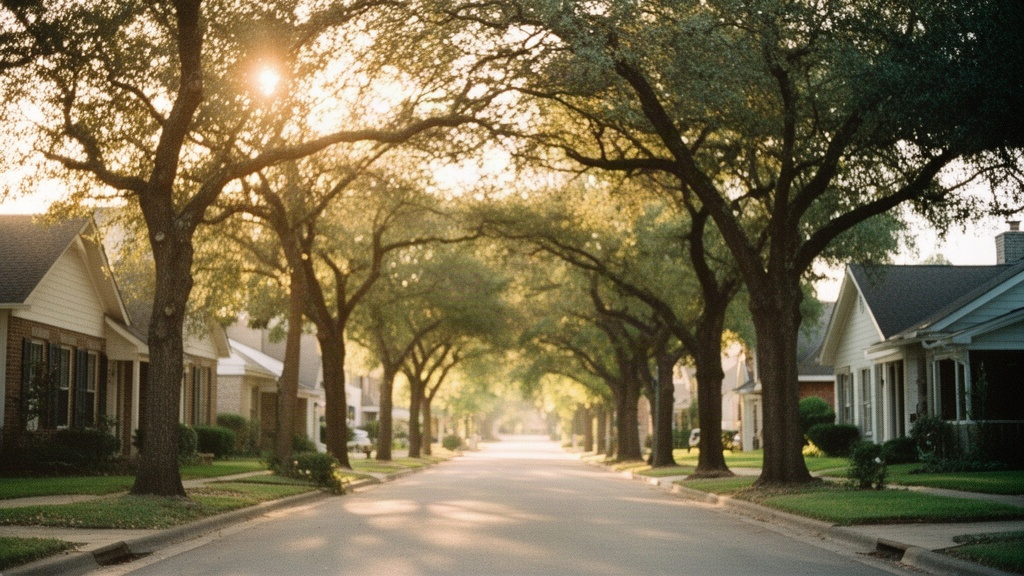
The tree canopy here is one of the first things people notice. Mature live oaks line many of the residential streets, creating a shaded canopy that makes walking or biking in the morning genuinely pleasant even in Louisiana's warmer months. The streets themselves tend to be wider than you find in newer subdivisions, and the sidewalks, where present, give the area a more pedestrian-scaled feel than much of Monroe's newer development on the outskirts of the city.
2. Housing Stock and Architecture in the Garden District
The Garden District is defined by its older housing stock. Most homes here were built between the 1920s and the 1960s, with a meaningful number of Craftsman bungalows, Colonial Revival houses, and Tudor-influenced cottages mixed in alongside larger two-story homes that reflect the prosperity Monroe experienced during the early and mid-twentieth century.
Home Styles and Lot Sizes
Lot sizes in the Garden District tend to run larger than what you find in Monroe's newer subdivisions. A typical residential lot here might run 60 to 100 feet wide with a depth of 120 to 150 feet, giving homes a real sense of separation and room for mature landscaping. Many properties have detached garages or carriage houses at the rear of the lot, which is a feature you almost never see in post-2000 construction.
Square footage varies considerably. Smaller bungalows in the 1,100 to 1,500 square foot range sit on the same blocks as larger two-story homes running 2,500 to 3,500 square feet. That variety means buyers at different price points and household sizes can find something here, though inventory is limited at any given moment because the neighborhood is fully built out and turnover depends entirely on existing owners deciding to sell.
Condition and Renovation Landscape
Because most homes here are 60 to 100 years old, condition ranges widely. Some properties have been meticulously maintained or fully renovated, with updated kitchens, new electrical panels, and modern HVAC systems tucked behind original hardwood floors and plaster walls. Others are priced to reflect deferred maintenance and represent a project for a buyer willing to invest in restoration. A thorough home inspection is essential in this neighborhood, and buyers should budget for the possibility that older systems, including galvanized plumbing, knob-and-tube wiring in unrenovated sections, or aging roofs, may need attention.
3. What Homes Cost in the Garden District Right Now
As of September 2026, homes in the Garden District of Monroe generally list and sell in a range from the low $100,000s for smaller or unrenovated properties up to the mid-$400,000s for larger, fully updated homes on premium lots. The middle of the market, meaning move-in-ready homes with 1,500 to 2,200 square feet, tends to cluster between $185,000 and $290,000.
Current Price Ranges
Price per square foot in the Garden District typically runs between $90 and $160, depending on condition and updates. Renovated homes with original character details preserved, such as original hardwood floors, restored millwork, and period-appropriate fixtures, tend to command the upper end of that range. Unrenovated homes, even on desirable lots, often price closer to $80 to $100 per square foot, reflecting the work a buyer will need to put in.
How Garden District Prices Compare to Broader Monroe
Monroe's broader market context matters here. For a current look at what homes are selling for across the city, the Monroe Louisiana home prices guide for September 2026 breaks down median prices by area and price tier. The Garden District generally prices above Monroe's overall median for comparable square footage, which reflects the lot sizes, the architectural character, and the central location.
Inventory in the Garden District is typically thin. At any given time, you might find five to fifteen active listings in the immediate neighborhood, and well-priced, updated homes often go under contract within two to three weeks of hitting the market. If you see something you like, moving quickly matters.
4. Getting Around: Commutes and Daily Errands from the Garden District
One of the practical advantages of living in the Garden District is its central position in Monroe. You are not fighting your way in from a far-flung subdivision every morning. Most of the city's major employment centers, hospitals, and commercial corridors are within a short drive.
Commute Times to Key Monroe Destinations
St. Francis Medical Center on Jackson Street is approximately 10 minutes from most Garden District addresses under normal traffic conditions. Glenwood Regional Medical Center in West Monroe is about 12 to 15 minutes, depending on the bridge crossing and time of day. The University of Louisiana Monroe campus sits roughly 10 to 14 minutes northeast. Downtown Monroe, including the Civic Center and the Ouachita Parish Courthouse, is a 5-minute drive or a 15-minute walk from the heart of the Garden District.
The drive to West Monroe across the Ouachita River runs 10 to 20 minutes depending on which bridge you take and whether you hit the Louisville Avenue corridor during peak hours. The I-20 on-ramp at Louisville Avenue is about 5 minutes from the neighborhood, which matters if you commute toward Ruston or Shreveport.
Walkability and Daily Errands
The Garden District is more walkable than most of Monroe, but it is still a car-dependent city overall. Forsythe Park is reachable on foot from most addresses in the neighborhood. The Louisville Avenue commercial strip, which has grocery options, pharmacies, and restaurants, is a short drive of two to four minutes. For larger grocery runs, the Kroger on Louisville Avenue and the Walmart Supercenter locations around Monroe are all within ten minutes by car.
Coffee shops, local restaurants, and small retail along Forsythe Avenue and the surrounding blocks give the neighborhood a more urban texture than much of Monroe. You can handle a lot of daily errands without going far, which is a genuine quality-of-life advantage compared to living on the city's outer edges.
5. Parks, Landmarks, and Things to Do Near the Garden District
Living in the Garden District neighborhood of Monroe Louisiana means having some of the city's most used green spaces and cultural institutions within a short walk or drive. That proximity to amenities is one of the reasons buyers who want an older home with character often focus their search here.
Green Space and Outdoor Options
Forsythe Park is the neighborhood's most prominent outdoor resource. The park runs along the river bluff and includes open lawn space, a gazebo, and walking paths with views of the Ouachita River. It hosts community events throughout the year and serves as an informal gathering point for the surrounding neighborhoods. The Riverwalk along the Ouachita is a few minutes south and offers a paved path along the water.
Kiroli Park in West Monroe, which has a disc golf course, nature trails, and a small zoo, is about 15 minutes from the Garden District. Black Bayou Lake National Wildlife Refuge, a 4,800-acre wetland preserve north of Monroe, is roughly 20 minutes away and offers fishing, kayaking, and wildlife viewing.
Cultural and Dining Destinations Within a Short Drive
The Biedenharn Museum and Gardens, which sits on Riverside Drive along the Ouachita River, is less than five minutes from the Garden District. The Chennault Aviation and Military Museum is about ten minutes northeast. The Masur Museum of Art on South Grand Street is practically in the neighborhood itself, making it one of the more unusual perks of living here: a regional art museum within walking distance of your front door.
For dining, the DeSiard Street and Louisville Avenue corridors offer a mix of local restaurants, casual spots, and chain options. The Garden District's central location means you are never more than ten minutes from most of Monroe's dining options, and West Monroe's Antique Alley district on Trenton Street is about 15 minutes across the river.
For a broader look at what the Garden District area offers in terms of local amenities and community data, the Homes.com Garden District neighborhood guide aggregates information on nearby points of interest and local services that can be useful when you are doing early-stage research.
6. What to Know Before You Buy in the Garden District
Buying in the Garden District is different from buying in a newer Monroe subdivision. The process involves more due diligence on the physical condition of the home, a sharper eye on what the seller has and has not disclosed, and an understanding that older homes carry a different set of considerations than new construction.
What the Buying Process Looks Like Here
Homes in the Garden District are almost exclusively resale properties, meaning they come with history. A standard home inspection is the baseline, but buyers in older neighborhoods often benefit from adding a sewer scope inspection, which checks for root intrusion or deteriorating clay pipes, and a more detailed electrical review if the home has not been rewired in recent decades. These additional inspections typically add $200 to $500 to your due diligence costs but can surface issues that would otherwise only appear after closing.
Flood zone status is worth checking carefully. Parts of Monroe near the river corridor carry flood insurance requirements, and the Garden District's proximity to the Ouachita means some parcels fall within FEMA-designated flood zones. Your agent can pull the flood map overlay for any specific address before you make an offer.
Questions to Ask Before Making an Offer
Before writing an offer on any Garden District home, it is worth asking when the roof was last replaced, what type of plumbing is in the walls, whether the electrical panel has been updated, and whether the property has ever had water intrusion. Sellers are required to disclose known defects in Louisiana, but older homes sometimes have issues that the current owner genuinely does not know about. That is why the inspection period is your most important window in this type of purchase.
Property taxes on a $250,000 Garden District home in Ouachita Parish run in a range that most buyers find manageable compared to national averages, but the specific millage rate depends on the exact parcel and any applicable homestead exemption. Louisiana's homestead exemption reduces the assessed value of your primary residence by $75,000 for tax purposes, which is a meaningful benefit for owner-occupants.
FAQ
How does the Garden District in Monroe Louisiana compare to newer subdivisions in terms of what you get for the money?
In the Garden District, your money tends to buy more land, more architectural detail, and a more central location than you get in newer Monroe subdivisions on the city's outer edges. The trade-off is that older homes require more active maintenance and more thorough due diligence before purchase. A buyer who wants a newer home with warranties and low-maintenance systems will likely find newer construction in areas like Sterlington Road or Highway 165 South more straightforward. A buyer who values original hardwood floors, larger lots, and proximity to downtown Monroe will often find the Garden District more compelling at a comparable price point.
What schools serve the Garden District neighborhood in Monroe Louisiana?
The Garden District falls within the Ouachita Parish School System. Specific school assignments depend on your home's exact address, and school boundaries can shift over time. For current, accurate information on which schools serve a specific address, the Ouachita Parish School Board's website is the direct source to consult. Louisiana's Department of Education also publishes school performance data that you can review independently to inform your own assessment. Kristen LeDent can confirm the assigned schools for any specific property you are considering.
Is the Garden District in Monroe Louisiana a good area to invest in as a rental property?
The Garden District attracts interest from investors because of its central location and the consistent demand for housing close to Monroe's medical corridor and downtown employment base. Rental rates for renovated two- and three-bedroom homes in the area generally run between $900 and $1,500 per month as of September 2026, depending on condition and updates. As with any investment, the purchase price relative to achievable rent, the cost of any needed repairs, and the ongoing maintenance burden of an older home all factor into whether a specific property pencils out. A local agent with knowledge of the neighborhood's rental market can help you evaluate individual deals before you commit.