← Back to Blog
Market Trends
Monroe, Louisiana Real Estate Market Guide: Prices, Neighborhoods and Timing
By Kristen LeDent
Keller Williams Parishwide Partners
September 22, 2026 · 11 min read
If you are buying, selling, or relocating to Monroe, Louisiana, you need a clear picture of what the market actually looks like right now, not six months ago. This Monroe, Louisiana real estate market guide covers current prices, the physical character of different parts of the city, and the timing factors that can shift how much you pay or pocket at closing. Whether you are comparing neighborhoods by housing stock, trying to gauge when to list, or figuring out what your budget gets you in Ouachita Parish, you will find concrete answers here.
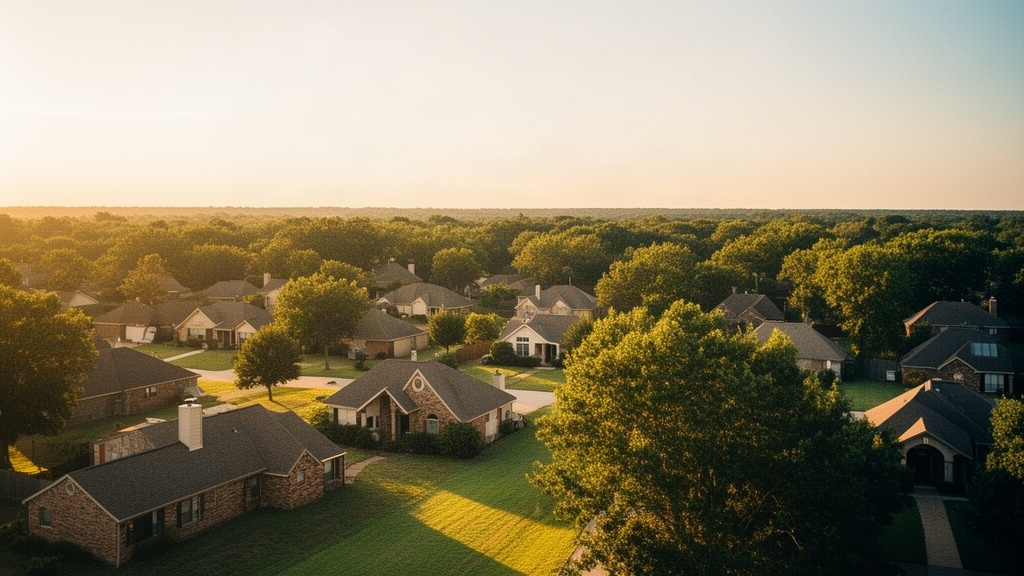
1. What Monroe Home Prices Look Like in September 2026
Monroe home prices sit in an accessible range compared to most Louisiana metros. The median sale price across Monroe and the broader Ouachita Parish market has been tracking in the low-to-mid $200,000s through 2026, with entry-level homes in the $120,000 to $160,000 range still available in several parts of the city. That spread is meaningful: Monroe is one of the few markets in the South where a buyer with a conventional loan and a modest down payment can still purchase a three-bedroom home without stretching into uncomfortable territory.
Where the Median Sits Right Now
For a deeper look at current figures, the Monroe, LA housing market data on Redfin tracks median sale prices, price-per-square-foot trends, and sale-to-list ratios updated regularly. As of September 2026, those figures reflect a market that has seen modest appreciation without the sharp volatility that hit larger metros. Year-over-year price growth in Monroe has been measured rather than dramatic, which creates a stable environment for both buyers planning a long hold and sellers who purchased several years ago.
For a detailed breakdown of what homes are selling for across Monroe's zip codes right now, see Kristen's post on Monroe Louisiana home prices in September 2026, which covers median figures by area and price movement over the past twelve months.
What Different Price Bands Buy You
Under $150,000: You will find older ranch-style homes and bungalows, many built between the 1940s and 1970s, often on larger lots in established residential streets. These homes typically need updating but offer solid bones and genuine square footage.
$150,000 to $250,000: This is the most active price band in Monroe right now. Buyers in this range can access updated three-bedroom homes, newer construction in subdivisions off Forsythe Avenue, and brick homes in established neighborhoods closer to the University of Louisiana Monroe campus. Square footage typically runs from 1,400 to 2,200 square feet.
$250,000 to $400,000: This range opens up larger homes in subdivisions like Frenchman's Bend and along the south side of the city, as well as renovated historic properties in the Garden District. Expect four-bedroom layouts, two-car garages, and in some cases, private pools.
Above $400,000: The upper tier of Monroe's market includes custom builds, waterfront or water-view properties along the Ouachita River, and larger estates on the south end of the parish. Inventory at this level is thinner, and homes can sit longer before finding the right buyer.
2. Monroe Neighborhoods: Housing Stock and What to Expect
Monroe's residential areas each have a distinct physical character shaped by when they were built and how the city grew outward from the Ouachita River. Understanding the housing stock in each part of the city helps buyers set realistic expectations before they tour, and helps sellers price accurately relative to comparable properties nearby.
South Monroe and Garden District
The Garden District along South Grand Street contains some of Monroe's most architecturally distinctive housing stock. You will find large two-story homes built in the early twentieth century, many featuring wide front porches, original hardwood floors, and mature oak canopies over the street. Lot sizes in this area tend to be generous by current standards, often running 75 to 100 feet wide. Prices here vary widely depending on renovation status: a fully updated Garden District home can trade above $350,000, while one needing significant work might list closer to $180,000.
South Monroe more broadly stretches toward the Forsythe Park area and the Ouachita River levee. Forsythe Park itself is a long green corridor along the river that draws walkers, cyclists, and weekend visitors throughout the year. Homes within a few blocks of the park tend to command a modest premium over comparable properties farther inland.
North Monroe and Richwood Corridor
North Monroe and the areas extending toward Richwood offer a mix of post-war ranch homes and mid-century brick construction. Lot sizes here are typically moderate, and many homes have been updated over the decades with additions or renovated kitchens. Prices in this corridor generally run below the city median, making it one of the more accessible areas for first-time buyers working with tighter budgets. The proximity to US-165 means commute access to downtown Monroe and to I-20 is straightforward.
Forsythe Avenue and the River District
The stretch along and near Forsythe Avenue heading south from downtown is one of Monroe's most recognizable residential corridors. Homes here range from large traditional two-stories on deep lots to smaller cottages on tighter parcels. The Biedenharn Museum and Gardens sits along this corridor, and the presence of Forsythe Park means walkable green space is a genuine feature rather than a marketing phrase. Buyers interested in character-rich older construction will find a lot to evaluate here.
East Monroe and the Louisville Avenue Corridor
Louisville Avenue is Monroe's primary commercial spine running east-west, and the residential streets branching off it in East Monroe contain a dense mix of housing types. You will find smaller single-family homes, duplexes, and investor-owned rental properties mixed in alongside owner-occupied residences. The University of Louisiana Monroe campus sits in this general area, and that proximity shapes the character of nearby streets. Buyers looking at this corridor should review each block individually, as housing condition and lot maintenance can vary considerably within a short distance.
For buyers trying to understand which parts of Monroe are seeing the most transaction activity right now, Kristen has published a breakdown of Monroe zip codes where homes are selling fastest, which maps active demand across the city's major postal zones.
3. Market Conditions: Supply, Demand, and Days on Market
Monroe is currently operating in a market where inventory remains below historical norms, which keeps upward pressure on prices even as broader economic headwinds have cooled demand in other markets. Understanding the supply-demand balance is essential for both buyers setting offer strategy and sellers deciding how to price.
Inventory Levels in September 2026
Active listings in Monroe have been running lean through most of 2026. The months-of-supply figure, which measures how long it would take to sell every current listing at the current pace of sales, has been hovering below four months for much of the year. A balanced market sits at roughly five to six months of supply, so Monroe is still tilted in favor of sellers in most price bands. The tightest supply is in the $150,000 to $250,000 range, where buyer demand is highest and new listings move quickly.
The broader Louisiana housing picture provides useful context here. According to Norada Real Estate's Louisiana housing market analysis, statewide inventory constraints have persisted through 2025 and into 2026, driven by a combination of limited new construction and homeowners reluctant to trade their existing lower-rate mortgages for new ones at current rates. Monroe reflects that statewide pattern.
How Quickly Homes Are Moving
Well-priced homes in Monroe's core residential areas are going under contract in two to four weeks in September 2026. Overpriced listings, or homes with deferred maintenance that was not accounted for in the asking price, are sitting longer and in some cases requiring price reductions. The gap between a correctly priced home and an optimistically priced one is showing up clearly in days-on-market data this fall.
For buyers, the practical takeaway is that hesitation on a well-priced listing in a popular price range can mean losing it to another offer. For sellers, the data confirms that pricing discipline matters more than ever: the homes that linger are almost always the ones that launched too high.
4. Timing the Monroe Market: When to Buy and When to List
Timing is one of the most common questions Kristen LeDent hears from buyers and sellers in Ouachita Parish. The honest answer is that timing the market perfectly is not possible, but understanding Monroe's seasonal rhythms gives you a real advantage.
Seasonal Patterns in Ouachita Parish
Spring is traditionally Monroe's busiest listing season, running from late February through May. Buyer activity picks up as the school year approaches its end and families begin planning moves. Sellers who list in March or April typically see the most foot traffic and the most competitive offer situations. Inventory also rises in spring, so buyers have more choices, but competition is steeper.
Fall, and specifically September through November, is Monroe's second-most-active window. Buyers who did not find a home in the spring often re-enter the market after summer, and sellers who list in September tend to face less competition from other listings than they would have in April. Right now, in September 2026, the market is in this secondary active period. Serious buyers are out looking, and motivated sellers are pricing to move before the quieter holiday months.
December through January is the slowest stretch for Monroe real estate. Fewer listings, fewer buyers, and longer days on market are typical. That said, buyers who shop in this window sometimes negotiate more favorable terms because sellers who list in winter tend to be genuinely motivated.
Interest Rate Context for Fall 2026
Mortgage rates remain the single biggest variable affecting affordability in Monroe right now. Rates have moderated somewhat from their 2023 peak but are still elevated enough that monthly payments on a $200,000 loan are meaningfully higher than they were three years ago. Buyers should run payment scenarios at current rates rather than waiting for rates to drop to a specific target, since Monroe's price appreciation could offset any future rate savings if the wait extends too long.
Louisiana Housing Finance Agency programs, including down payment assistance options available to qualifying buyers, are worth exploring if your budget is tight. Kristen LeDent can connect you with lenders familiar with these programs who work regularly in the Monroe market.
5. What Buyers and Sellers Should Know Before They Move
Monroe has specific practical considerations that do not come up in generic real estate advice but matter significantly when you are buying or selling here. Knowing these in advance prevents surprises at inspection or at the closing table.
Due Diligence Specifics for Monroe
Flood zone status is a critical due diligence item for any Monroe property. The Ouachita River runs through the city, and portions of Monroe and surrounding Ouachita Parish fall within FEMA-designated flood zones. Flood insurance requirements and costs can add several hundred to over a thousand dollars annually to the cost of ownership, and this is not always factored into initial affordability calculations. Buyers should request the flood zone determination early in the process and get an insurance quote before finalizing their offer.
Older homes in Monroe's established neighborhoods, particularly those built before 1978, require attention to lead paint disclosures and may have aging electrical panels, cast iron plumbing, or original HVAC systems that are at or past their service life. A thorough home inspection by a licensed Louisiana inspector is not optional here; it is the primary tool for understanding what you are actually buying.
Property taxes in Ouachita Parish are generally lower than the national average, which is a genuine financial benefit for buyers. Louisiana's homestead exemption reduces the assessed value of a primary residence by $75,000 for tax purposes, which meaningfully lowers the annual tax bill for owner-occupants. Understanding exactly what you will owe before you close is straightforward once you know the assessed value and the applicable millage rates.
Relocation Considerations
People relocating to Monroe from larger metros are often surprised by how far their housing budget stretches here. A budget that would buy a two-bedroom condo in a major Southern city can purchase a four-bedroom brick home with a yard in Monroe. The trade-off is that Monroe is a mid-sized city of roughly 45,000 people, and the amenity set reflects that scale: you will find Pecanland Mall, a regional medical center in Ochsner LSU Health, Chennault International Airport, and the Monroe Regional Airport for travel, but the dining and entertainment options are more limited than in Baton Rouge or New Orleans.
West Monroe sits directly across the Ouachita River and is functionally part of the same metro area. Many buyers consider both cities simultaneously, since the bridge crossings are short and the housing markets, while distinct, overlap in price range and commute practicality. If you are weighing homes on both sides of the river, understanding the commute times and distances is worth doing before you narrow your search.
For school district information, the Louisiana Department of Education publishes data on district performance at its official site, and Ouachita Parish School Board maintains its own information portal. These are the appropriate sources to consult directly when evaluating schools, as that is a personal decision that deserves firsthand research rather than secondhand summaries.
FAQ
Is Monroe, Louisiana a buyer's market or a seller's market right now?
As of September 2026, Monroe leans toward a seller's market in the most active price bands, particularly homes priced between $150,000 and $250,000. Months of supply has been running below four months for much of 2026, which means well-priced listings are receiving offers relatively quickly. Buyers can still find opportunity, especially in the upper price tiers where inventory is thicker and sellers have more room to negotiate. The balance shifts depending on the specific neighborhood and price point, so working with a local agent who tracks current data is the most reliable way to assess conditions on any specific property.
What are the most important things to check before buying a home in Monroe?
Flood zone status is the first thing to verify, since portions of Monroe and Ouachita Parish fall within FEMA-designated flood zones and flood insurance can add significantly to annual ownership costs. A thorough home inspection is essential, especially for older homes in established neighborhoods where aging systems like plumbing, electrical panels, and HVAC may need attention. Buyers should also confirm the property's assessed value and calculate the post-homestead-exemption tax bill, since Louisiana's $75,000 homestead exemption can make a meaningful difference in the annual cost of ownership. Finally, check title history and any HOA requirements if the property is in a subdivision.
How does the Monroe, Louisiana real estate market compare to the rest of the state?
Monroe's median home prices are generally lower than those in Baton Rouge and the New Orleans metro, making it one of the more accessible markets in Louisiana for buyers working with moderate budgets. The market has seen steady rather than dramatic appreciation through 2026, which aligns with statewide trends driven by constrained inventory and persistent demand. Monroe's economy is anchored by healthcare, education, and regional commerce, which provides a relatively stable demand base for housing. For a broader view of how Louisiana's market is performing, the National Association of Realtors publishes regional assessments covering Louisiana and surrounding states that provide useful statewide context.