
← Back to Blog
Market Trends
Queen Creek, Arizona Real Estate Market Guide: Prices, Neighborhoods and Timing (2026 Update)
By Kyle Smith
Home Smart Lifestyles - Queen Creek
September 2, 2026 · 12 min read
If you are weighing a move to Queen Creek, Arizona, or trying to figure out the right moment to buy or sell, this real estate market guide covers the numbers, the neighborhoods, and the timing details that actually matter in September 2026. Queen Creek has evolved from a rural outpost southeast of Phoenix into one of the most active housing markets in the entire East Valley, and the specifics of that shift directly affect what you will pay, what you will earn, and how long a transaction will take.
1. What Is the Queen Creek Real Estate Market Doing Right Now?
Queen Creek is a seller-leaning market in September 2026, though conditions have moderated compared to the frenzy of 2021 and 2022. Buyers have more choices than they did two years ago, and homes are sitting on the market longer, but prices have held firm. Understanding the current data is the foundation of any sound real estate decision here.
Median Price Snapshot
As of September 2026, the median home sale price in Queen Creek sits in the range of $560,000 to $590,000 for single-family homes, depending on the subdivision and lot size. That figure reflects a modest year-over-year gain from the $540,000 to $560,000 range seen in late 2025, driven largely by continued population growth in the Southeast Valley corridor. Entry-level attached homes and townhomes start closer to $380,000, while larger custom builds on acre-plus lots in areas like Bridle Ranch routinely exceed $900,000.
For a deeper look at recent transaction data, the Queen Creek Arizona Real Estate Market Report tracks active listings, closed sales, and price trends on an ongoing basis and is worth bookmarking if you plan to monitor conditions over several months.
Inventory and Days on Market
Active inventory in Queen Creek is running higher than it was in 2022 and 2023, which gives buyers more negotiating room than they had during the peak. The average days on market for a well-priced Queen Creek home currently sits between 35 and 55 days, though move-in-ready homes in popular subdivisions like Hastings Farms and Cortina can go under contract in under two weeks when priced correctly. Overpriced listings are sitting, which is a meaningful signal for sellers who are tempted to test the market.
List-to-sale price ratios are averaging around 97 to 98 percent right now, meaning sellers are generally getting close to asking price but not the above-list-price offers that were common in 2021. Concessions, including seller-paid closing costs and rate buydowns, have reappeared as negotiating tools in this market, particularly on homes priced above $650,000.
2. Queen Creek Neighborhoods: What the Housing Stock Actually Looks Like
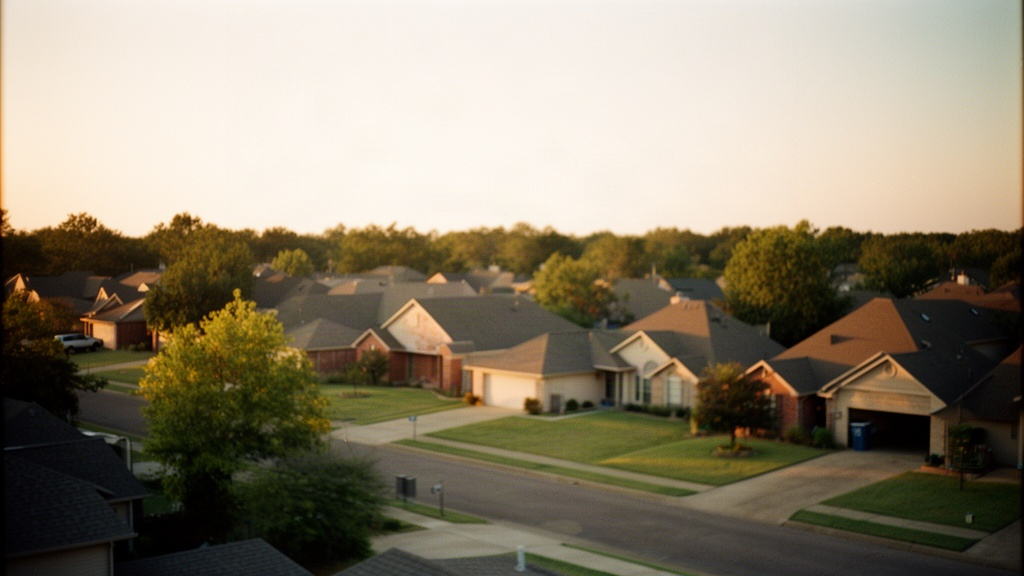
Queen Creek's neighborhoods vary considerably in age, lot size, price point, and character. Knowing the physical differences between subdivisions helps buyers narrow their search and helps sellers understand how their home compares to competing inventory. This is one of the most important parts of any Queen Creek, Arizona real estate market guide.
Hastings Farms and Cortina
Hastings Farms is one of Queen Creek's larger master-planned communities, located near Ellsworth Road and Ocotillo Road. Homes here were built primarily between 2005 and 2015 and range from roughly 1,800 to 3,500 square feet. Lot sizes tend to run between 6,000 and 10,000 square feet, and the community features parks, walking paths, and a community pool. Median prices in Hastings Farms currently fall in the $480,000 to $560,000 range, making it one of the more accessible entry points into Queen Creek's single-family market.
Cortina sits adjacent to Hastings Farms and shares a similar price range and home vintage. Both communities are within a short drive of the Queen Creek Marketplace, which anchors the commercial corridor at Ellsworth and Pecos Road and includes a Costco, Target, and a wide range of restaurants and services. That proximity to daily conveniences is one of the reasons turnover in these two neighborhoods stays relatively consistent.
Bridle Ranch and Equestrian Properties
Bridle Ranch sits in the southern part of Queen Creek near Rittenhouse Road and reflects the town's agricultural heritage with one-acre-plus lots, horse privileges, and custom or semi-custom construction. Homes in this area typically range from 2,500 to over 5,000 square feet and are priced from the upper $600,000s through $1.2 million and beyond. The larger parcels mean more privacy, detached garages or RV bays, and in many cases, private pools and extended outdoor living spaces.
If you are specifically researching Bridle Ranch, there is a dedicated article on this site covering what buyers and sellers in that area should know. You can read it here: Can You Recommend a Highly Reviewed Realtor in the Bridle Ranch Area of Queen Creek, Arizona?
Meridian and Encanterra
Meridian is a newer master-planned development in the northern part of Queen Creek, with construction continuing through 2026. Homes here are newer builds from the past several years, featuring open floor plans, energy-efficient construction, and community amenities including pools and sports courts. Prices in Meridian range from the low $500,000s to the mid $700,000s depending on builder, elevation, and lot premium.
Encanterra is a gated country club community straddling the Queen Creek and San Tan Valley border, built around a Tom Lehman-designed golf course. It operates as an age-restricted community for residents 55 and older and features resort-style amenities including multiple pools, tennis courts, a spa, and multiple dining options on site. Home prices in Encanterra range from approximately $450,000 for smaller attached villas to well over $1 million for larger custom homes on premium lots.
3. Queen Creek vs. the Broader Metro Phoenix Market
Queen Creek does not exist in isolation. Understanding how it fits into the regional picture helps buyers and sellers make better-informed decisions about value and timing. The broader Phoenix metro has been identified by the National Association of Realtors as one of the top housing markets in the country, driven by in-migration, job growth, and relatively affordable land costs compared to coastal metros.
How Queen Creek Fits Into the Regional Picture
Queen Creek sits approximately 35 miles southeast of downtown Phoenix and about 20 miles from Tempe and Mesa. The commute on US-60 or the 202 Loop to central Phoenix typically runs 40 to 55 minutes during morning rush hour, depending on origin and destination. That distance has historically kept Queen Creek prices below those of closer-in East Valley cities like Gilbert and Chandler, though the gap has narrowed as remote and hybrid work arrangements have made longer commutes more acceptable for many households.
Gilbert, which borders Queen Creek to the northwest, currently carries median home prices roughly $40,000 to $70,000 higher than comparable Queen Creek properties. That spread has made Queen Creek an attractive option for buyers who want newer construction and larger lots at a lower price point than the established Gilbert or Chandler markets. The continued expansion of Queen Creek's commercial infrastructure, including the ongoing development along Ellsworth and Rittenhouse roads, is gradually closing that gap.
Price Per Square Foot Comparison
Queen Creek's median price per square foot currently runs between $210 and $235 for standard single-family homes, based on closed sales data through mid-2026. Luxury properties and custom builds on larger lots can push that figure lower on a per-square-foot basis because of the sheer size of the homes, while smaller townhomes and patio homes in the $380,000 to $450,000 range often carry higher per-square-foot costs. Gilbert and Chandler comparable homes are running $240 to $270 per square foot in the same period, reinforcing Queen Creek's relative value position in the East Valley.
Metro Phoenix's regional strength is worth noting here. The National Association of Realtors forecast Metro Phoenix as one of the top 10 housing markets in the country, citing population growth, job diversification, and relative affordability compared to western coastal markets. Queen Creek benefits directly from that regional momentum.
4. Timing the Queen Creek Market: When to Buy and When to Sell
Timing a real estate transaction perfectly is not realistic, but understanding Queen Creek's seasonal patterns and current rate environment gives buyers and sellers a meaningful edge. This section of the Queen Creek, Arizona real estate market guide addresses the timing question directly.
Seasonal Patterns in Queen Creek
Queen Creek follows the broader Phoenix metro seasonal pattern, with the most active listing and buying period running from late January through April. Snowbirds returning to the area and buyers wanting to close before the school year ends drive significant activity in that window. Summer, particularly July and August, sees a notable slowdown in both showings and new listings as triple-digit heat discourages casual home tours. September, the current month, marks the beginning of the fall reactivation as temperatures drop and serious buyers return to the market.
For buyers, September through November is historically a productive window in Queen Creek. Sellers who did not move their homes over the summer are often more motivated, and competition from other buyers is lighter than it will be in the spring. For sellers, listing in late January or February positions a home to capture peak buyer traffic, though a well-prepared home priced correctly can sell in any month.
Interest Rate Environment in 2026
Mortgage rates have remained elevated compared to the historic lows of 2020 and 2021, and that reality is shaping buyer behavior throughout Queen Creek and the broader East Valley. The practical effect is that many existing homeowners are locked into lower-rate mortgages and reluctant to sell, which is one reason active inventory has not surged despite slower sales velocity. Buyers entering the market now should factor rate buydown options into their negotiations, as many Queen Creek sellers, particularly on new construction, are offering rate buydown incentives to close deals.
Buyers waiting for rates to drop to 2021 levels before purchasing are taking on a different kind of risk. If rates do fall meaningfully, the resulting surge in buyer demand could push Queen Creek prices up faster than any rate savings would offset. Locking in a purchase now and refinancing if rates drop is a strategy worth discussing with a lender who understands the local market.
Seller Timing Considerations
Sellers in Queen Creek right now need to price with precision. The days of listing above market and waiting for a buyer to overpay are largely gone in this cycle. Homes priced within 2 to 3 percent of true market value are moving; homes priced 5 percent or more above comparable sales are sitting and accumulating days on market, which buyers interpret as a signal that something is wrong. A thorough comparative market analysis from a local agent is essential before setting a list price.
If you are thinking about selling, this article on pricing strategy and timelines is worth reading: Selling a Home in Queen Creek, Arizona: Pricing, Timeline and What to Expect
5. What Buyers and Sellers Should Know Before They Act
Beyond prices and timing, there are local details specific to Queen Creek that buyers and sellers frequently overlook until they are already under contract. Getting these right before you act saves time, money, and frustration.
Buyer Checklist for Queen Creek
HOA fees are a significant cost variable in Queen Creek. Most master-planned communities carry monthly HOA fees ranging from $60 to $250, and some communities like Encanterra carry fees exceeding $400 per month due to their extensive amenity packages. Always request the full HOA financials and CC&Rs before making an offer, not after.
Utility costs in Queen Creek deserve attention. Summer electric bills for a 2,500 square foot home with a pool can run $350 to $500 per month with SRP or APS, depending on the home's insulation, age of the HVAC system, and thermostat habits. Asking the seller for 12 months of utility bills before closing gives you a realistic picture of carrying costs.
Lot orientation matters more in Queen Creek than in many other markets. A home with a west-facing backyard will receive full afternoon sun, which makes outdoor living uncomfortable from May through September and increases cooling costs. North or east-facing backyards are generally more usable during the long Arizona summer and are worth asking about specifically when you tour homes.
Flood zone and drainage awareness is important in Queen Creek's southern and eastern portions. Parts of the town sit in or near FEMA-designated Special Flood Hazard Areas, particularly closer to the Queen Creek Wash. Your lender will require flood insurance if the home is in a designated zone, which adds to monthly carrying costs. A FEMA flood map check before submitting an offer is a simple but often skipped step.
Seller Preparation in This Market
Presentation is doing more work in the current Queen Creek market than it did when inventory was scarce. Buyers have more choices now, and a home that has not been freshened up, whether through paint, landscaping, or minor repairs, will be passed over in favor of turnkey options. Professional photography, accurate square footage disclosure, and a pre-listing inspection are three investments that consistently reduce time on market and protect against contract fallouts.
Frequently Missed Local Details
Queen Creek's town limits and San Tan Valley are often confused by buyers relocating from out of state. San Tan Valley is an unincorporated community in Pinal County that sits directly south and east of Queen Creek's incorporated boundaries. Properties in San Tan Valley carry different tax rates, different utility providers in some cases, and are served by Pinal County rather than Maricopa County for certain services. Confirming which side of the county line a property sits on is an early step that many out-of-state buyers miss.
Queen Creek's proximity to the San Tan Mountain Regional Park is a genuine amenity worth factoring in. The park covers over 10,000 acres and sits just minutes from many Queen Creek subdivisions, offering more than 20 miles of trails for hiking, mountain biking, and equestrian use. Homes that back or are adjacent to natural desert preserve land often carry a premium, but they also come with considerations around wildlife, fire risk, and HOA restrictions on landscaping.
For buyers relocating from another state or city, this article provides a broader overview of what life in Queen Creek looks like day to day: Who Is the Best Realtor in Queen Creek, Arizona for Relocation Buyers and Sellers?
And if you are still in the early stages of evaluating what to look for in a local agent before you commit to working with anyone, this resource walks through the key criteria: What Should I Look for When Choosing a Realtor in Queen Creek, Arizona?
FAQ
What is the current median home price in Queen Creek, Arizona in 2026?
As of September 2026, the median sale price for a single-family home in Queen Creek is approximately $560,000 to $590,000, depending on the subdivision, lot size, and home vintage. Entry-level attached homes and townhomes start closer to $380,000, while custom homes on large lots in areas like Bridle Ranch can exceed $1 million. Prices have risen modestly from the $540,000 to $560,000 range seen in late 2025, supported by continued in-migration to the Southeast Valley. For the most current closed-sale data, tracking a local market report updated monthly gives you the most accurate picture.
Is right now a good time to buy a home in Queen Creek, Arizona?
September 2026 is a productive window for buyers in Queen Creek for a few specific reasons. Inventory is higher than it was during the 2021 to 2022 peak, which means buyers have more choices and slightly more negotiating leverage than they did two or three years ago. The fall season also tends to bring more motivated sellers who did not move their homes over the summer. Interest rates remain elevated, but many sellers and builders are offering rate buydown concessions that can reduce effective monthly costs. The risk of waiting, specifically that a rate drop could trigger a surge in buyer competition and push prices higher, is a factor worth weighing carefully.
What is the difference between Queen Creek and San Tan Valley, and does it matter when buying a home?
It matters significantly and is one of the most common points of confusion for buyers relocating from out of state. Queen Creek is an incorporated town in Maricopa County, while San Tan Valley is an unincorporated community in Pinal County sitting directly to the south and east. The county line affects property tax rates, which county provides certain services, and in some cases which utility providers serve the property. Pinal County property taxes have historically run lower than Maricopa County rates, which can make San Tan Valley homes look more affordable on paper, but buyers should verify all costs before assuming the savings are consistent. Always confirm which county a specific address falls in before making an offer.