← Back to Blog
Market Trends
Manteca Real Estate Market Guide: Prices, Neighborhoods, Timing
By La Tasha Laster-Mullins, California REALTOR®
https://new.servefirstrealty.com/about/meet-our-team/agent?id=latasha-lastermullins · DRE# 02007166
September 1, 2026 · 11 min read
This Manteca, California real estate market guide covers everything you need to know before buying, selling, or relocating here: what homes actually cost right now, how the city's distinct neighborhoods differ from one another, and what the current market conditions mean for your timing. Manteca sits at the crossroads of the San Joaquin Valley and the Northern California commuter belt, which gives it a different rhythm than most Central Valley cities. Read through each section and you will leave with a clear picture of what to expect.
1. What Manteca's Housing Market Looks Like Right Now
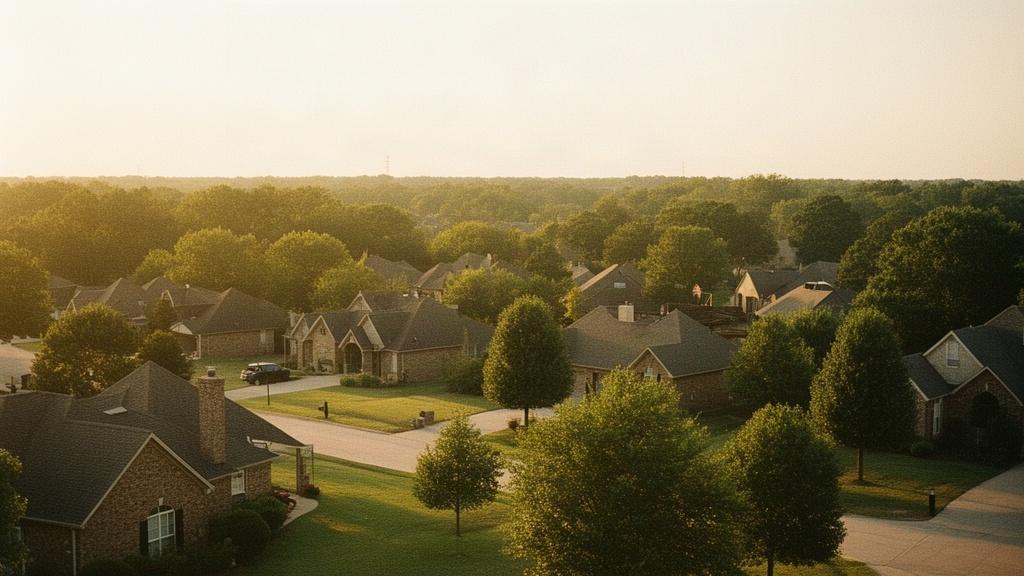
Manteca's median home price is sitting in the mid-to-upper $500,000 range as of September 2026, a level that reflects both steady demand from Bay Area transplants and the city's own growing employment base.
Median Prices and Price Per Square Foot
Current data points to a median sale price in Manteca of roughly $555,000 to $580,000, depending on the month and the specific zip code. Price per square foot for a typical resale single-family home runs between $270 and $320, while new construction commands a premium closer to $330 to $360 per square foot. You can track these figures in real time on Redfin's Manteca housing market page, which updates weekly with median sale prices, days on market, and sale-to-list ratios.
Compared to neighboring Stockton, Manteca prices run about 10 to 15 percent higher on a per-square-foot basis, partly because of newer housing stock and partly because of the city's positioning along the Highway 120 corridor. Compared to Tracy, prices are roughly comparable, though Tracy's western edge near the Altamont Pass commands a slight premium due to shorter BART-accessible commutes.
How Inventory Levels Are Shaping Deals
Active inventory in Manteca has increased compared to the low-supply environment of 2023 and 2024, but the market has not flipped into a full buyer's market. Months of supply currently hovers between two and three months, which means well-priced homes in move-in condition still attract multiple offers. Homes that need cosmetic work or are priced above comparable sales tend to sit longer, sometimes 30 to 50 days, giving buyers a window to negotiate.
For a deeper look at whether current conditions favor buyers or sellers specifically, this breakdown of the Manteca housing market covers the balance of power in more detail.
2. Manteca's Major Neighborhoods and What Each One Offers
Manteca spans roughly 20 square miles and is divided into distinct pockets, each with its own housing era, lot characteristics, and price range. Understanding the differences helps buyers narrow their search and helps sellers price correctly against the right comparable set.
West Manteca and the Del Webb Area
West Manteca contains some of the city's most established residential streets, with homes built primarily from the 1970s through the early 1990s. Lot sizes in this part of town tend to be larger than what you find in newer subdivisions, often 7,000 to 9,000 square feet, and many properties have mature trees and established landscaping. The Del Webb community of Woodbridge sits in this general corridor and is an age-restricted community of 55-plus residents built around a private clubhouse, indoor and outdoor pools, tennis courts, and a 27-hole golf course. Homes in Woodbridge typically range from about $480,000 to $650,000 depending on the floor plan and upgrades.
East Manteca and Newer Master-Planned Communities
East Manteca has been the primary growth zone for the city over the past two decades. Builders including Meritage, Lennar, and KB Home have all developed subdivisions here, and the streetscapes reflect that era: consistent architecture, HOA-maintained common areas, and homes built to modern energy codes. Square footage in east-side communities typically runs from 1,600 to 3,200 square feet, with three- and four-bedroom floor plans dominating the inventory. Prices in this corridor currently range from roughly $530,000 to $720,000, with larger corner lots and premium elevations pushing toward the top of that range.
Several east Manteca communities sit within walking distance of Big League Dreams Sports Park, a 48-acre multi-field complex off Danielson Road that hosts youth and adult leagues year-round. Proximity to that facility makes these streets popular with households that use it regularly.
Central and Downtown-Adjacent Manteca
The older core of Manteca, centered around Main Street and the blocks radiating from downtown, contains the city's original housing stock from the 1940s through the 1960s. Homes here are smaller on average, often 1,000 to 1,500 square feet, and sit on lots that can be quite deep. Many have been updated over the decades with new kitchens, added bathrooms, and detached garages converted to bonus rooms. Entry-level buyers often find their most accessible price points in this part of the city, with some homes still available in the $420,000 to $490,000 range.
The Lathrop Border and South Manteca Corridor
The southern edge of Manteca blends into the city of Lathrop, and this corridor has seen significant new construction over the past five years. The River Islands master-planned community in Lathrop is technically just across the city line but influences pricing expectations throughout south Manteca. Homes in the south Manteca corridor built after 2018 frequently feature solar panels, tankless water heaters, and open-concept layouts that appeal to buyers coming from higher-cost Bay Area markets. Prices here range from about $560,000 to $780,000 for newer construction.
3. The Housing Stock: What Kinds of Homes You Will Find
Manteca is almost entirely a single-family detached market. Condos and townhomes exist but represent a small share of total inventory, so buyers looking for that product type will find fewer options here than in Stockton or Modesto.
Single-Family Detached Homes
The vast majority of Manteca's for-sale inventory consists of three- and four-bedroom detached homes with two-car garages. Two-story floor plans are common in subdivisions built after 2000, while single-story homes dominate the older west-side and central neighborhoods. Single-story homes in Manteca carry a measurable price premium per square foot over comparable two-story homes, often 5 to 8 percent more, because demand for them consistently outpaces supply.
New Construction vs. Resale
New construction in Manteca currently comes with a base price premium of roughly $40,000 to $80,000 over a comparable resale home, before upgrades. Builders are offering incentives in September 2026, including interest rate buydowns and closing cost contributions, which can partially offset that premium. Resale homes, by contrast, often come with mature landscaping, window coverings, and appliances already in place, reducing the immediate out-of-pocket costs after closing.
If you are weighing new construction against resale, the article on Manteca real estate listings and what to know before you search walks through what to look for in both categories before you start scheduling tours.
Lot Sizes and Outdoor Space
Lot sizes in Manteca vary considerably by era and location. Homes built in the 1970s and 1980s typically sit on 6,500 to 9,000 square foot lots. Homes built after 2005 in master-planned subdivisions often have smaller lots of 4,500 to 6,000 square feet, a trade-off for newer construction and community amenities. If a large backyard is a priority, older west-side and central neighborhoods are where to look. Premium-lot homes backing to open space or water features in newer communities can command $30,000 to $50,000 over the base tract price.
4. Timing the Market in Manteca
Timing matters in any real estate transaction, but it matters differently depending on whether you are buying or selling. Manteca follows Central Valley seasonal patterns with some Bay Area-driven nuances layered on top.
Seasonal Patterns in Manteca
Listing activity in Manteca peaks between March and June, when inventory is highest and buyer competition is most intense. The late summer and fall window, roughly August through October, tends to bring a secondary wave of listings as sellers who missed the spring market try again. September 2026 sits squarely in that secondary window, which means buyers currently have slightly more negotiating room than they would have had in April or May, and sellers who price correctly are still finding motivated buyers before the holiday slowdown.
Interest Rate Sensitivity in the San Joaquin Valley
Manteca buyers are more rate-sensitive than buyers in higher-cost Bay Area markets because the loan amounts are large enough to feel rate changes but not so large that buyers have already priced themselves into adjustable-rate products. A half-point move in the 30-year fixed rate changes the monthly payment on a $560,000 loan by roughly $175 to $200, which is meaningful to most buyers in this price range. Watching rate trends closely and locking at the right moment can save a Manteca buyer thousands of dollars over the life of a loan.
When Sellers Get the Best Results
Sellers in Manteca consistently achieve the strongest sale prices when they list in the March-to-May window, price within 2 to 3 percent of recent comparable sales, and present the home in move-in condition. Homes that require buyers to immediately replace a roof or HVAC system tend to receive offers that discount those costs by more than the actual repair price, so addressing deferred maintenance before listing almost always pays off. Sellers who list in September and October can still achieve strong results, particularly in east Manteca and the south corridor where buyer demand from corporate relocations stays more consistent year-round.
If you are still deciding whether now is the right moment to make a move, the article on whether it is a good time to buy a home in Manteca or wait covers that question from multiple angles.
5. Commutes, Amenities, and What Living in Manteca Actually Means Day to Day
For many buyers, the practical question is not just what a home costs but what the surrounding city offers and how livable the daily routine will be. Manteca has a lot to offer on both fronts, and the specifics matter when you are comparing it to nearby cities.
Getting to the Bay Area and Sacramento
Manteca sits at the intersection of Highway 120 and Interstate 5, giving residents two primary westbound routes toward the Bay Area. The drive to the Dublin/Pleasanton area of the East Bay runs approximately 55 to 70 miles and takes 60 to 90 minutes depending on traffic, with the I-580 corridor through the Altamont Pass being the most common route. The ACE train, which departs from Stockton and stops in Lathrop/Manteca, provides a rail commute option to San Jose that takes roughly two hours and bypasses highway congestion entirely. Sacramento is about 60 miles north via Highway 99, typically a 55 to 75 minute drive.
The Lathrop/Manteca ACE station on Louise Avenue is a meaningful selling point for households where one partner commutes to Silicon Valley by train. Properties within a few miles of that station tend to hold value well because the commute option is a concrete, quantifiable benefit.
Parks, Recreation, and Local Landmarks
Manteca has invested significantly in its parks and recreation infrastructure over the past decade. Woodward Reservoir, located about 15 minutes north of the city, is a popular destination for boating, fishing, and camping. Within the city itself, the Manteca District Aquatic Center on Fishback Road is one of the largest public aquatic facilities in San Joaquin County, featuring a competition pool, a leisure pool, and water slides. Tidewater Bikeway provides a dedicated multi-use path connecting several east Manteca neighborhoods to parks and commercial areas without requiring riders to share lanes with traffic.
Big League Dreams Sports Park, mentioned earlier in the east Manteca section, draws visitors from across San Joaquin County for its replica fields modeled after Wrigley Field, Fenway Park, and Yankee Stadium. The facility hosts tournaments that bring economic activity to the city's hotels and restaurants on weekends throughout the year.
Shopping, Dining, and Services
Manteca's retail core is concentrated along the Yosemite Avenue and Main Street corridors, with a mix of national chains and locally owned businesses. The city has two major grocery anchors within its boundaries, and the Costco on Danielson Road serves a large portion of the surrounding area. The Promenade Shops at Orchard Valley in Manteca is a lifestyle center with restaurants, retail, and a movie theater, making it a hub for evening activity. For medical services, Doctors Hospital of Manteca on East North Street is the primary hospital serving the city.
Buyers relocating from the Bay Area often note that daily expenses, from dining out to home services, run noticeably lower in Manteca than in Alameda or Santa Clara counties. That cost-of-living differential is a real factor in household budgeting, not just a talking point.
For a broader look at what the Manteca listings landscape looks like before you start your search, the Manteca buyer's guide to homes for sale is a useful companion to this market overview.
6. Key Numbers to Know Before You Buy or Sell in Manteca
Having the right benchmarks at hand makes every conversation with a lender, an agent, or a seller more productive. Here is a snapshot of where the Manteca, California real estate market stands as of September 2026, drawn from current market data available through sources like Zillow's Manteca home values tracker.
- Median sale price: Approximately $555,000 to $580,000 as of September 2026, varying by zip code and neighborhood.
- Price per square foot (resale): Roughly $270 to $320 depending on age of home, location, and condition.
- Price per square foot (new construction): Approximately $330 to $360 before upgrades and lot premiums.
- Average days on market: Move-in ready, well-priced homes are selling in 10 to 20 days; homes needing work or priced above comps are sitting 30 to 50 days.
- Months of supply: Between two and three months currently, indicating a market that leans slightly toward sellers on well-priced homes.
- Typical lot size range: 4,500 to 9,000 square feet, with older neighborhoods skewing larger and newer subdivisions skewing smaller.
- Commute to East Bay (Dublin/Pleasanton): 55 to 70 miles, 60 to 90 minutes by car; approximately two hours by ACE train from the Lathrop/Manteca station.
- Commute to Sacramento: Approximately 60 miles via Highway 99, typically 55 to 75 minutes.
FAQ
What is the current median home price in Manteca, California?
As of September 2026, the median sale price in Manteca sits in the range of $555,000 to $580,000, depending on the specific zip code and the type of home. Newer construction in east Manteca and the south corridor tends to push toward the higher end of that range, while older homes in central and west Manteca can still be found in the $420,000 to $490,000 range. Price per square foot for resale homes runs roughly $270 to $320, while new construction commands $330 to $360 per square foot before upgrades. These figures shift month to month, so checking a current source like Redfin or Zillow alongside working with a local agent gives you the most accurate picture.
How does Manteca compare to Tracy and Stockton for home prices?
Manteca prices are broadly comparable to Tracy on a per-square-foot basis, though Tracy's western neighborhoods near the Altamont Pass carry a slight premium because of their proximity to BART-accessible commuting. Compared to Stockton, Manteca runs about 10 to 15 percent higher per square foot, which reflects both the newer average age of Manteca's housing stock and the city's position along the Highway 120 corridor. For buyers who prioritize newer construction and master-planned community amenities, Manteca often offers more of that product type than central Stockton does. The trade-off is that entry-level price points are somewhat more accessible in Stockton's older neighborhoods.
What should I know about the ACE train commute from Manteca to the Bay Area?
The ACE train departs from the Lathrop/Manteca station on Louise Avenue and runs to San Jose Diridon, with stops along the way in Pleasanton, Fremont, and other East Bay and South Bay cities. The total trip from the Lathrop/Manteca station to San Jose takes approximately two hours, and the train runs weekday service timed for morning and evening commutes. Buyers who use the ACE train regularly report that it significantly reduces the stress of the commute compared to driving I-580 through the Altamont Pass during peak hours. Homes within a short drive or bike ride of the Lathrop/Manteca station tend to hold a measurable value premium because of this commute option.