
← Back to Blog
Neighborhoods
What Is It Actually Like to Live in the Bishop Arts District in Dallas in 2026?
By LAKESIA "Kesia" HANSEN
September 3, 2026 · 11 min read
If you have been wondering what it is actually like to live in the Bishop Arts District in Dallas in 2026, the short answer is this: it is one of the most walkable, visually distinct, and actively developing pockets of the city, with a housing market that reflects every bit of that demand. This guide covers daily life on the ground, current home prices, commute realities, the restaurant and retail scene, and what the real estate market looks like right now so you can decide whether it fits your life.
1. The Physical Character of the Neighborhood
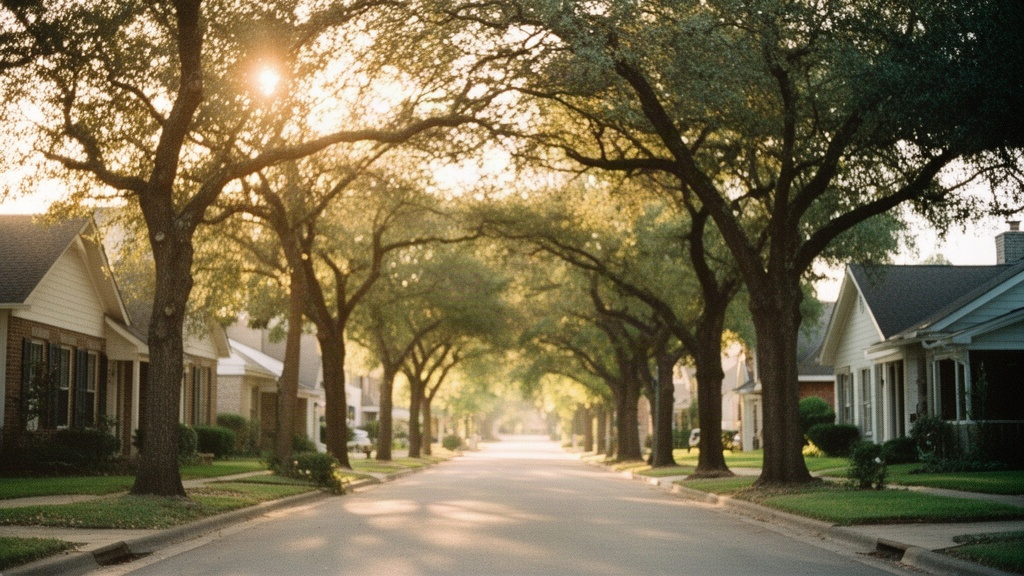
The Bishop Arts District sits in the Oak Cliff section of Dallas, roughly 3 miles southwest of downtown. The core of the district is a roughly 20-block stretch centered on Bishop Avenue and Davis Street, where the built environment feels noticeably different from most of Dallas. Sidewalks are wide enough to actually use, storefronts sit close to the street, and most buildings are one or two stories of early-to-mid 20th century brick construction.
Street Layout and Architecture
The residential streets surrounding the commercial core are a mix of Craftsman bungalows, Tudor cottages, and Spanish Revival homes, most of them built between the 1920s and 1950s. Lot sizes in the historic blocks typically run between 5,000 and 7,500 square feet. Many homes have been renovated in the last decade, so you will find original hardwood floors and arched doorways sitting alongside updated kitchens and new HVAC systems. Newer infill construction, including townhomes and small-lot single-family homes, has filled in vacant parcels along the edges of the district over the past several years.
Parks and Green Space
Kidd Springs Park is the largest green anchor near the district, located about half a mile west of Bishop Avenue. The park covers roughly 27 acres and includes a spring-fed lake, a recreation center, tennis courts, and a public pool open in the summer months. Stevens Park Golf Course, an 18-hole public course established in 1921, sits just over a mile to the west and backs up to the Trinity River corridor. The Trinity Forest Trail system, which connects to the broader Trinity River Greenbelt, is accessible within a short drive and offers paved and unpaved trail mileage that extends well beyond the neighborhood itself.
2. What Is It Actually Like to Live in the Bishop Arts District in Dallas in 2026: Daily Life
Living in Bishop Arts in 2026 means your daily errands, meals, and social life can happen within a short walk from most residential streets in the core. That is a genuinely uncommon quality in Dallas, a city built almost entirely around the car. The tradeoff is that the district is small, parking on weekends can be tight near the main commercial strip, and the noise level on Bishop Avenue on a Friday or Saturday night is real.
Walkability and Getting Around
Walk Score rates the Bishop Arts District in the high 80s, which puts it among the most walkable areas in Dallas. Groceries, coffee, restaurants, and a handful of boutique shops are all reachable on foot from homes on or near Bishop Avenue. For larger grocery runs, a Tom Thumb sits about 1.5 miles north on Zang Boulevard, and an ALDI is within a mile to the east. Cycling is practical on the flatter streets, and the neighborhood has seen a steady increase in protected bike lane markings over the past two years.
Dining, Retail, and Culture
The restaurant and bar scene in Bishop Arts is dense for a district this size. Resident Taqueria, Oddfellows, Lucia, and Emporium Pies are among the names that have drawn diners from across the metro for years. The independent retail mix includes vintage clothing shops, art galleries, a handful of home goods stores, and local boutiques that turn over occasionally as rents have risen. For a comprehensive look at what is open right now, D Magazine's Ultimate Bishop Arts Dining and Drinking Guide is updated regularly and covers the full range of options from coffee to late-night cocktails.
The Bishop Arts Theatre Center on Jefferson Boulevard, about four blocks from the main strip, presents live performances throughout the year and is one of the few community theater venues in Dallas that operates out of a historically preserved building. Monthly art walks, pop-up markets, and seasonal events on Davis Street keep the commercial district active beyond just restaurant traffic.
3. Housing Stock and Home Prices in 2026
The Bishop Arts housing market in September 2026 is competitive relative to broader Dallas, with prices that reflect the walkability premium and limited inventory of historic homes. Buyers looking here should understand that the district is small, turnover is relatively low, and well-renovated historic homes move quickly when they are priced correctly.
What You Can Buy Right Now
As of September 2026, median home prices in the Bishop Arts District and the immediately surrounding Oak Cliff streets run between $475,000 and $650,000 for renovated single-family bungalows in the 1,200 to 2,000 square foot range. Fully updated homes on larger lots or with detached garage apartments, which are common in this area, can push into the $700,000 to $850,000 range. Unrenovated or cosmetically dated homes on the same blocks can still be found in the $380,000 to $450,000 range, though they are less common than they were three years ago. Infill townhomes, which have been built in clusters along the edges of the district, typically list between $420,000 and $580,000 depending on finish level and proximity to the commercial core.
For a broader look at how Bishop Arts pricing compares to other Dallas neighborhoods, the Dallas, Texas Real Estate Market Guide: Prices, Neighborhoods and Timing on this site breaks down current conditions across the metro.
Renting vs. Buying in the District
Rental inventory in Bishop Arts is limited but present. Garage apartments and accessory dwelling units behind single-family homes rent between $1,400 and $2,000 per month for a one-bedroom configuration. Larger standalone rental homes in the area, where they exist, typically run $2,500 to $3,500 per month. Apartment options within the district itself are scarce; most renters looking for a traditional apartment complex end up in the Sylvan Thirty development on Fort Worth Avenue, about a mile northwest, or in the newer mixed-use buildings along Jefferson Boulevard.
JLL's Bishop Arts Portfolio report for 2026 documents the multi-housing investment activity in and around the district, which gives useful context for anyone evaluating the rental market from an ownership perspective. You can review that Bishop Arts Portfolio 2026 report from JLL directly for current multi-family data.
4. Commute Times and Getting Out of the Neighborhood
One of the most practical questions for anyone considering Bishop Arts is how long it takes to get to work. The district's location in Oak Cliff puts it close to downtown but separated from the major northern employment corridors by significant drive times during peak hours.
Driving to Major Dallas Employment Hubs
Downtown Dallas is approximately 3 miles from the heart of Bishop Arts, which translates to a 10 to 15 minute drive outside of peak hours and 20 to 30 minutes during morning rush. Uptown and the Turtle Creek corridor add another 10 minutes. The Medical District on Harry Hines Boulevard is about 5 miles north and runs 20 to 35 minutes depending on time of day. Uptown Plano and the Legacy West corridor, which house major employers including Toyota North America and JPMorgan Chase, are roughly 25 miles north and can take 45 to 60 minutes in traffic via I-35E. Las Colinas in Irving, a significant employment hub, sits about 14 miles northwest and typically runs 25 to 40 minutes. Bishop Arts is not a commuter-friendly location for jobs north of LBJ Freeway, but it works well for anyone working downtown, in the Medical District, or in southern Dallas.
DART Light Rail Access
The nearest DART light rail station to Bishop Arts is the Tyler/Vernon Station on the Red and Blue lines, about 0.7 miles east of Bishop Avenue. From there, downtown Dallas is two stops and roughly 8 minutes by train. The Dallas Arts District, Deep Ellum, and Fair Park are all reachable via rail without a transfer. Riders heading to Uptown can transfer at Akard or St. Paul stations. DART bus routes also serve Bishop Avenue directly, with Route 52 running north-south along the corridor. For anyone commuting downtown or to the medical center, the combination of the Tyler/Vernon station and a short walk or bike ride makes car-free commuting genuinely workable.
5. The Bishop Arts Real Estate Market in September 2026
The Bishop Arts market in September 2026 is tighter on inventory than it was in late 2024 and early 2025, when a brief softening brought more options to buyers. Demand has firmed back up, particularly for move-in-ready historic homes, and well-priced listings are seeing multiple offers within the first week.
Market Conditions and Inventory
Active listings in the Bishop Arts zip code area (75208) have been running between 35 and 55 homes at any given time in 2026, which is low relative to the size of the buyer pool interested in the area. Days on market for updated homes has averaged around 18 to 24 days this year, while homes that need significant work or are priced above recent comparables are sitting longer, sometimes 45 to 60 days. Price reductions have been more common on the upper end of the market, above $750,000, where the buyer pool narrows considerably.
If you are planning to buy in this area, the Homes for Sale in Dallas: 2026 Buyer's Guide on this site walks through the full purchase process, including what to expect with offers, inspections, and closing timelines in the current Dallas market.
Investment Activity and New Development
Bishop Arts has drawn consistent investor attention over the past several years, and that activity has not slowed in 2026. Short-term rental demand in the district is high given the concentration of restaurants, bars, and walkable amenities, and a number of homes in the area operate as licensed short-term rentals. The City of Dallas short-term rental ordinance requires registration and limits density in some areas, so buyers interested in that use case should verify current zoning and licensing requirements with the city before purchasing.
New mixed-use development continues along Jefferson Boulevard and Fort Worth Avenue, the two corridors bracketing the district to the north and south. Several projects that broke ground in 2024 and 2025 have delivered or are nearing completion in 2026, adding retail space at street level and residential units above. This ongoing densification is gradually expanding the walkable footprint of the district beyond its original 20-block core. For buyers and investors evaluating the area, this pipeline matters: it adds amenities and transit-oriented density, but it also means construction activity on some corridors will continue through at least 2027.
6. Schools, Education Resources, and What to Research
The Bishop Arts District falls within Dallas Independent School District. School assignments for specific addresses depend on your exact location within the district boundaries, which can shift. The Texas Education Agency website at tea.texas.gov and the Dallas ISD website at dallasisd.org both publish current attendance zone maps and campus information, and those are the most reliable places to verify which schools serve a specific address. School selection is a personal decision, and Kesia recommends that buyers with school-aged children research TEA data and visit campuses directly rather than relying on third-party ratings.
Private school options within a reasonable drive include schools in the Oak Cliff, Kessler Park, and Winnetka Heights areas, as well as several campuses in the southern Methodist University corridor to the north. Families relocating to Dallas who want help thinking through school research as part of their home search can ask Kesia for guidance on how to approach the process; she works with buyers across the city and can help you understand which questions to ask and where to find reliable data.
7. What to Know Before You Buy or Rent in Bishop Arts
There are a few practical realities about Bishop Arts that buyers and renters should understand before committing. None of them are dealbreakers, but they are worth knowing so you are not surprised after moving in.
First, older homes in this area often carry deferred maintenance that is not visible at first glance. Pier and beam foundations, which are common in the Craftsman and Tudor-era stock, require periodic inspection and leveling. Buyers should budget for a thorough inspection and, in some cases, a structural engineer's review before closing. Sewer lines in homes built before 1960 may be original cast iron or clay tile, and a sewer scope during the inspection period is worth the cost.
Second, the weekend foot traffic on Bishop Avenue is significant. Homes within a block or two of the main commercial strip will have noise and parking pressure on Friday and Saturday evenings. If you want the walkability without the weekend noise, the blocks west of Polk Street and south of Colorado Boulevard tend to be quieter while still being within a five-minute walk of the restaurants and shops.
Third, homeowners insurance in Dallas has increased materially in the past two years due to hail exposure and broader market conditions. Older homes in Bishop Arts, particularly those with original roofing materials or wood siding, can carry higher premiums than newer construction. Getting an insurance quote before you make an offer is a practical step that many buyers skip and then regret at closing.
For anyone navigating the buying process in a competitive pocket like this, working with an agent who knows the neighborhood well makes a measurable difference. The guide on how to find the right Dallas real estate agent on this site walks through what to look for and what questions to ask.
FAQ
Is Bishop Arts District in Dallas walkable enough to live without a car?
For daily errands, dining, and social activity within the district itself, Bishop Arts is among the most walkable areas in Dallas, with a Walk Score in the high 80s as of 2026. The Tyler/Vernon DART light rail station is about 0.7 miles away and connects to downtown in roughly 8 minutes by train. That said, Dallas is a large, spread-out city, and anyone with a job north of downtown or in the suburbs will almost certainly need a car for commuting. The honest answer is that Bishop Arts works well car-light for daily life but not fully car-free for most Dallas residents.
What is the average home price in the Bishop Arts District in 2026?
As of September 2026, renovated single-family homes in the Bishop Arts District and surrounding Oak Cliff streets are generally priced between $475,000 and $650,000 for homes in the 1,200 to 2,000 square foot range. Larger or more fully updated homes, particularly those with detached garage apartments, can reach $700,000 to $850,000. Infill townhomes along the edges of the district list between $420,000 and $580,000. Prices have held firm in 2026 relative to the brief softening seen in late 2024, and well-priced homes are moving in under 25 days on average.
What should I watch out for when buying an older home in Bishop Arts?
The most common issues in Bishop Arts homes are pier and beam foundation settling, aging sewer lines in pre-1960 construction, and deferred maintenance on roofs and exterior wood siding. A standard home inspection is essential, and for homes built before 1960, adding a sewer scope and a structural engineer's review is worth the additional cost. Homeowners insurance premiums have also risen in Dallas over the past two years, and older homes with original materials can be more expensive to insure; getting a quote before making an offer helps avoid surprises at closing. Working with a knowledgeable Dallas buyer's agent who is familiar with the neighborhood's typical inspection findings will help you negotiate repairs or price adjustments where needed.