← Back to Blog
Selling
Selling a Home in Lakeridge: Pricing, Timeline and What to Expect
By LaMonica Birmingham
September 2, 2026 · 10 min read
Selling a home in Lakeridge is a process with real moving parts: setting the right price, preparing the property, navigating offers, and closing on time. This guide walks you through each stage with Cedar Hill market specifics so you know exactly what to expect before you put your home on the market.
1. What Makes Lakeridge Different from the Broader Cedar Hill Market
Lakeridge is a distinct community within Cedar Hill, and that distinction matters when you are selling. Buyers searching in this part of Cedar Hill are often comparing Lakeridge homes directly against each other, not against listings in Uptown Village or High Pointe. Understanding the neighborhood's own comparable sales is the foundation of a successful sale.
The Lakeridge Housing Stock
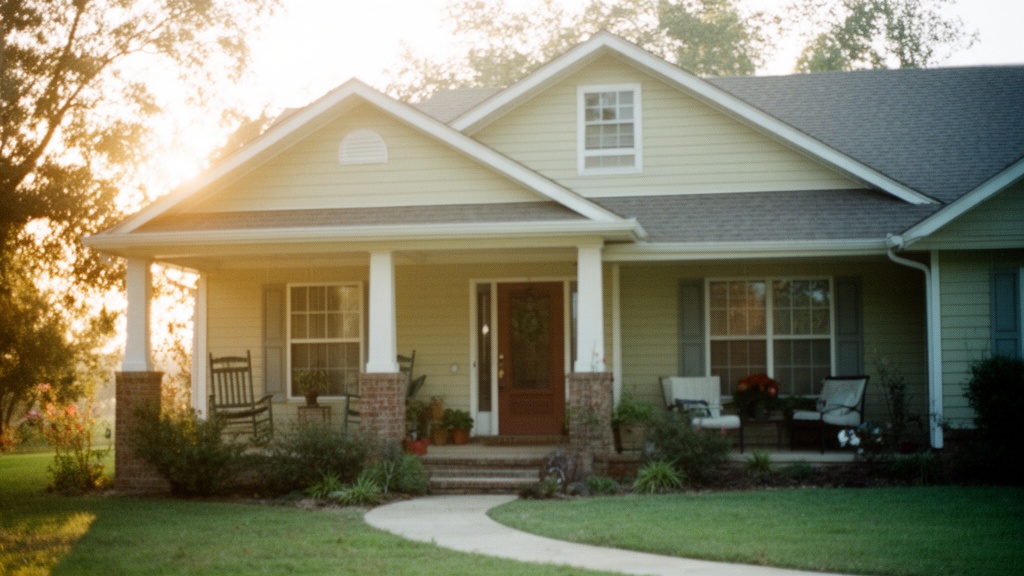
Homes in Lakeridge are primarily single-family residences built between the late 1980s and mid-2000s. Square footage in the community commonly ranges from roughly 1,600 to 3,200 square feet, with a mix of brick exteriors, two-car garages, and established landscaping on lots that run between a quarter acre and just over half an acre. Many homes back to greenbelt areas or sit near the community's namesake lake, which adds visual appeal that photographs well for listings.
The community sits inside the city of Cedar Hill, which gives residents access to Joe Pool Lake recreation, Dogwood Canyon Audubon Center, and the retail and dining corridor along Highway 67. Commute times to downtown Dallas run approximately 30 to 35 minutes under normal traffic conditions, and the proximity to U.S. 67 and FM 1382 keeps Fort Worth within about 40 minutes. Buyers relocating to the Dallas-Fort Worth area frequently include Cedar Hill on their shortlist for exactly these reasons, which sustains demand for Lakeridge listings.
How Lakeridge Fits Into Cedar Hill Pricing
As of September 2026, Cedar Hill's median single-family home price is tracking in the low-to-mid $300,000s, with Lakeridge homes typically landing in the $310,000 to $390,000 range depending on size, condition, and lot position. Homes with lake views or greenbelt backing have closed above $400,000 in recent transactions. Those numbers are not a ceiling; they are a starting point for understanding where your specific property fits before a single showing is scheduled.
2. Pricing Your Lakeridge Home Correctly from the Start
Pricing is the single variable that controls everything else in your sale: how quickly buyers schedule tours, how strong the offers are, and whether you end up reducing the price weeks later. In Lakeridge specifically, a home priced even five percent above its defensible market value tends to sit, accumulate days on market, and attract lower offers than a home priced correctly from day one.
How a CMA Works in This Neighborhood
A comparative market analysis, or CMA, pulls closed sales of similar homes within Lakeridge and the immediately adjacent Cedar Hill streets over the past three to six months. The analysis adjusts for differences between your home and each comparable: square footage, bedroom and bathroom count, garage size, lot features, and condition updates like a renovated kitchen or new HVAC system. A well-built CMA in this neighborhood will typically reference eight to fifteen closed sales, narrowing to the four or five most similar before arriving at a price range.
The National Association of Realtors outlines the key inputs that go into a proper home valuation. You can review their consumer guide on what goes into pricing your home to understand exactly which factors carry the most weight before you sit down with an agent to review your numbers.
Why Automated Estimates Often Miss the Mark
Online automated valuation tools are built on county tax records and broad zip-code data, not on the nuances of a specific subdivision. In Lakeridge, a home backing to the lake can differ by $40,000 or more from an otherwise identical floor plan on an interior lot. Automated tools rarely capture that distinction. Sellers who list at their Zestimate without a proper CMA often find themselves either leaving money on the table or sitting on the market with a price reduction ahead of them.
If you want to understand the gap between automated estimates and real market data, this HousingWire article on why automated pricing talk isn't landing with sellers lays out the issue clearly. The core takeaway is that a local agent's CMA, grounded in actual closed sales, is the most reliable starting point for a Lakeridge listing price.
3. The Selling Timeline: From Decision to Closing
Most Lakeridge sellers underestimate how much time the pre-list phase takes. From the moment you decide to sell to the day you hand over keys, the full process typically runs eight to fourteen weeks in the current Cedar Hill market, though well-prepared homes in move-in condition have closed faster.
Pre-List Preparation: Two to Four Weeks
The preparation window covers repairs, cosmetic updates, decluttering, professional cleaning, staging, and photography. In Lakeridge, where buyers often compare listings side by side on their phones during a lunch break, professional photography is not optional. Homes with high-quality listing photos, including drone shots that show the lake or greenbelt backdrop, consistently generate more showing requests in the first 72 hours than homes with phone photos.
Common pre-list tasks for Lakeridge homes include pressure-washing driveways and sidewalks, touching up exterior paint around trim and shutters, servicing the HVAC if it has not been done recently, and ensuring the fence is in good condition since many lots back to the lake or greenspace. Interior updates that tend to move the needle most in this price range are fresh neutral paint, updated light fixtures, and clean, uncluttered countertops in the kitchen.
Active Listing Phase: Days on Market in Cedar Hill
In September 2026, the median days on market for single-family homes in Cedar Hill is running approximately 28 to 38 days. Lakeridge homes priced correctly and presented well have been going under contract in the ten to twenty day range. Homes that require a price reduction typically spend 50 or more days on market before finding a buyer, and the eventual sale price tends to be lower than what a correct initial price would have yielded.
The first two weekends on the market are the highest-traffic period for any listing. Buyers who have been watching Cedar Hill inventory will schedule showings within hours of a new listing appearing on the MLS. That initial surge is the best opportunity to generate competing interest, which is why pricing and preparation before the launch date matter so much.
Under Contract Through Closing: Thirty to Forty-Five Days
Once you accept an offer, the contract period in Texas typically runs 30 to 45 days to closing. During that window, the buyer will complete their inspection, typically within the first ten days. The option period in Texas contracts gives buyers a defined number of days to terminate for any reason, and most Lakeridge transactions include an option period of five to ten days. After that window closes, the buyer moves into their financing contingency period if applicable, followed by appraisal and final underwriting.
Sellers should expect an inspection report that lists items regardless of the home's condition. In Lakeridge homes built in the 1990s, common inspection findings include older water heaters, HVAC systems approaching the end of their service life, and minor foundation movement that is typical of North Texas clay soil. Having a pre-listing inspection done before you go on market lets you address items proactively rather than negotiating under pressure after an offer is accepted.
4. Costs Sellers Should Anticipate in Lakeridge
Knowing your net proceeds before you list prevents surprises at the closing table. Cedar Hill sellers typically encounter two categories of costs: pre-sale expenses they control and closing costs that come out of the sale proceeds.
Pre-Sale Costs
Pre-sale costs vary widely based on the home's current condition, but sellers in Lakeridge commonly spend between $1,500 and $6,000 preparing their home for market. A pre-listing inspection runs $350 to $500 for a home in this size range. Professional staging consultation averages $300 to $800 depending on scope. Professional photography, including aerial drone footage to show the lake setting, typically costs $300 to $600 in the Cedar Hill area. Minor repairs and cosmetic updates are the most variable line item, ranging from a few hundred dollars for paint touch-ups to several thousand for replacing flooring or updating fixtures.
Closing Costs
Texas seller closing costs typically total six to nine percent of the sale price, covering agent commissions, title insurance, the owner's title policy, and prorated property taxes. On a $350,000 Lakeridge home, that means sellers should budget approximately $21,000 to $31,500 in total closing costs before calculating their net equity. Cedar Hill property taxes are assessed by Dallas County, and sellers pay taxes through their closing date; the buyer assumes responsibility from that point forward. Your closing disclosure will itemize every line before you sign.
Sellers sometimes offer concessions to buyers, particularly in a market where buyers are carrying higher mortgage rates. In the Cedar Hill market as of September 2026, concessions toward buyer closing costs or rate buydowns appear in a meaningful portion of transactions, especially for homes priced above $360,000. Budgeting one to two percent of the sale price for potential concessions gives you flexibility at the negotiating table without being caught off guard.
5. What to Expect When Offers Come In
Receiving an offer is exciting, but the purchase price is only one term that determines whether a deal is actually strong. Sellers in Lakeridge who focus only on the headline number sometimes accept offers that fall apart during the option period or appraisal, costing them two to three weeks and forcing a re-list.
Reading the Terms Beyond the Price
A complete offer review in Texas covers the purchase price, the option period length and fee, the earnest money amount, the financing type and down payment percentage, the proposed closing date, and any contingencies or addenda. A cash offer at $340,000 with a ten-day close can outperform a financed offer at $355,000 with a 45-day close and a two percent concession request, depending on your timeline and financial situation. Your listing agent should walk you through a side-by-side comparison of every offer's net proceeds and risk profile.
Earnest money in Lakeridge transactions typically runs one to two percent of the purchase price, so roughly $3,500 to $7,000 on most deals. A higher earnest money deposit signals stronger buyer commitment. The option fee, which is separate and non-refundable, typically runs $100 to $500 in this price range. Both amounts are negotiable, and understanding the norms for this specific market helps you counter-offer with confidence.
Negotiation Realities in the Current Cedar Hill Market
Cedar Hill in September 2026 is a market where well-priced, well-prepared homes still attract multiple showings in the first week, but the multiple-offer frenzy of 2021 and 2022 is not the norm. Sellers should expect to negotiate, and should enter that process with a clear understanding of their bottom line on price, concessions, and closing timeline. Lakeridge homes that generated two or three offers in the first weekend typically did so because they were priced at or slightly below the CMA range, creating urgency among buyers who had been watching the market.
If you are also planning to buy your next home after selling, coordinating the two timelines is one of the more complex parts of the process. Options include a sale-leaseback agreement that lets you stay in your Lakeridge home for 30 to 60 days after closing while you secure your next property, or a contingency offer on your next purchase tied to your Lakeridge closing. An experienced Cedar Hill agent can help you structure whichever approach fits your situation. If you are also navigating the buying side, the article on finding the right agent to buy a home in Cedar Hill covers what to look for on that side of the transaction.
Choosing the right listing agent is the most consequential decision in the entire selling process. If you want a framework for evaluating your options, the guide on how to choose the right listing agent in Cedar Hill walks through the specific questions to ask and what the answers should tell you.
FAQ
What is the best time of year to list a home in Lakeridge, Cedar Hill?
Spring, specifically March through May, has historically produced the highest buyer activity in Cedar Hill and the broader DFW market. That said, the National Association of Realtors notes that the best time to sell depends heavily on local inventory levels and individual circumstances, not just the calendar month. In September 2026, Cedar Hill inventory remains relatively lean, which means well-priced Lakeridge homes are still moving in the fall. The most reliable way to time your listing is to review current active and pending inventory in Lakeridge with your agent before committing to a launch date.
Do I need to make repairs before listing my Lakeridge home?
Not every repair is worth doing before you list, but deferred maintenance that shows up prominently during a buyer's inspection will come back as a negotiating point anyway. In Lakeridge homes built in the 1990s, the items most likely to affect buyer confidence are HVAC systems older than 15 years, water heaters past their service life, and any visible wood rot on exterior trim or fences. Addressing these before listing gives you control over the cost and prevents a buyer from using them as leverage to reduce the price after an inspection. A pre-listing inspection for $350 to $500 tells you exactly where you stand.
How does the appraisal affect my Lakeridge home sale?
If a buyer is financing their purchase, their lender will order an appraisal to confirm the home's value supports the loan amount. If the appraisal comes in below the agreed purchase price, you and the buyer must negotiate: the buyer can make up the difference in cash, you can reduce the price to the appraised value, or you can meet somewhere in the middle. In Lakeridge, homes priced within the defensible CMA range rarely face significant appraisal gaps because the appraiser is pulling from the same closed sales your agent used. Overpriced homes are far more likely to encounter appraisal issues, which is one more reason accurate pricing from the start protects the deal.