
← Back to Blog
Local Living
What Is It Actually Like to Live in the NoDa Neighborhood of Charlotte Day to Day
By Latricia Gilmore
September 3, 2026 · 9 min read
If you are wondering what it is actually like to live in the NoDa neighborhood of Charlotte day to day, the short answer is this: NoDa is a dense, walkable, arts-forward district where live music, independent restaurants, and light rail access shape the rhythm of everyday life. This guide covers the housing stock, noise levels, commute options, weekend pace, and everything else a prospective buyer or renter needs to understand before making a move to North Davidson Street.
1. What NoDa Is and Where It Sits in Charlotte
NoDa is Charlotte's arts district, anchored by North Davidson Street and 36th Street, roughly two miles northeast of Uptown. The neighborhood sits between Interstate 85 to the north and the LYNX Blue Line light rail corridor to the south and west, which puts it close to the city center without dropping you into the high-rise density of Uptown itself.
The Physical Layout
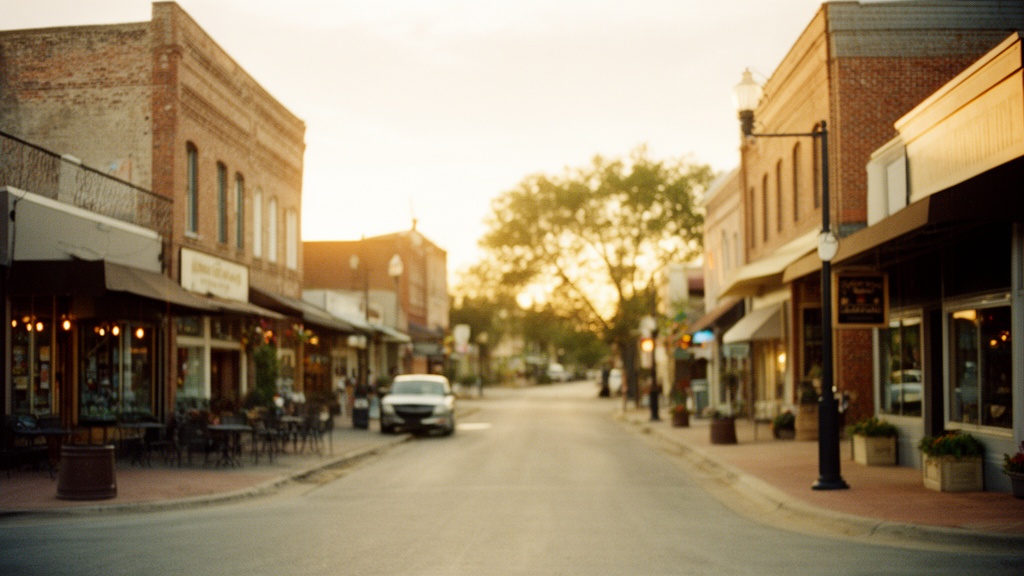
The core of NoDa is compact enough to walk end to end in about fifteen minutes. North Davidson Street is the main commercial spine, lined with converted mill buildings, one-story brick storefronts, and newer mixed-use construction. Side streets like 36th, 35th, and Matheson Avenue hold most of the residential stock, ranging from bungalows built in the early 1900s to townhomes and condos added in the past decade.
Street-Level Character
Murals cover building exteriors throughout the district. You will find large-scale public art on blank walls, utility boxes, and even some parking structures. The streetscape feels intentionally creative rather than polished, which is part of what distinguishes NoDa from Charlotte neighborhoods like Dilworth or SouthPark. Independent galleries, tattoo studios, vintage shops, and music venues sit next to newer cocktail bars and coffee roasters. The mix changes block by block.
For a broader look at how NoDa fits into Charlotte's overall real estate picture, the Charlotte, North Carolina Real Estate Market Guide on this site covers citywide price trends and neighborhood comparisons that give useful context.
2. What the Day-to-Day Pace Actually Feels Like in NoDa
Living in NoDa day to day means accepting that the neighborhood has two distinct personalities: a quieter, walkable residential rhythm during weekday mornings and a noticeably busier, louder energy on evenings and weekends. Neither mode is hidden; both are worth understanding before you commit to buying or renting here.
Weekday Mornings
On a typical Tuesday morning, NoDa is calm. Coffee shops like Smelly Cat Coffeehouse open early and draw a mix of remote workers and people heading to the light rail. The sidewalks are walkable but not crowded. You can get from your front door to a seat on the LYNX Blue Line at the 36th Street Station in under ten minutes on foot from most addresses in the core of the neighborhood.
Residents who work from home will find that daytime NoDa offers a functional pace. Parking is manageable, foot traffic is light, and the neighborhood feels residential rather than commercial until early afternoon.
Evenings and Weekends
Thursday through Saturday evenings are when NoDa fully activates. Venues like Neighborhood Theatre, which holds around 1,000 people, and Visulite Theatre bring concert crowds onto North Davidson Street regularly. Bar and restaurant patios fill up. Street parking disappears. If your home or unit is within a block of the main commercial corridor, you will hear music and foot traffic until midnight or later on weekend nights.
Saturday mornings bring a different kind of activity. The NoDa Farmers Market runs seasonally at the Neighborhood Theatre parking lot, and the area draws brunch crowds to spots along 36th Street. Sunday afternoons tend to be the quietest time of the week.
Noise and Density
Noise is the most common adjustment for new NoDa residents. The neighborhood is not a quiet suburban enclave, and it is not designed to be. Live music from outdoor stages, rideshare pickup activity, and the occasional train on the light rail corridor are part of the ambient soundscape. Homes and condos that sit on side streets one or two blocks off North Davidson tend to experience noticeably less noise than those directly on the commercial strip.
Density in NoDa has increased meaningfully over the past several years. New mixed-use buildings have added hundreds of apartment and condo units, which means more foot traffic, more cars, and more demand on street parking. The tradeoff is that the neighborhood's walkability score has improved alongside that growth.
3. Getting Around: Commutes and Transit from NoDa
NoDa's transit access is one of its clearest practical advantages over many other Charlotte neighborhoods. The 36th Street Station on the LYNX Blue Line sits at the southern edge of the district and connects riders directly to Uptown Charlotte, South End, and as far south as I-485 at Pineville.
The LYNX Blue Line and Light Rail
The light rail runs from UNC Charlotte in the north through NoDa and Uptown and down through South End to the I-485 station. From the 36th Street Station, Uptown Charlotte is approximately a five-minute ride. South End, which holds a large concentration of office space and employers, is roughly eight to twelve minutes by rail. The Blue Line runs every ten to fifteen minutes during peak hours, which makes car-free commuting realistic for residents who work along the corridor.
For commuters heading to University City, the line also connects north through the Parkwood and Sugar Creek stations before reaching the UNC Charlotte campus. This makes NoDa a geographic midpoint between two of Charlotte's largest employment centers.
Driving and Parking
Driving to Uptown from NoDa takes roughly eight to twelve minutes outside of peak hours. During morning rush on weekdays, North Davidson Street can back up toward the I-277 interchange, adding five to ten minutes. Residents who drive to work in areas like Ballantyne, the Arrowood corridor, or the airport should expect twenty-five to forty minutes depending on time of day and route.
Street parking in the residential blocks is generally available during the week, but it tightens considerably on weekend evenings when the entertainment district draws visitors from across Charlotte. Homes with driveways or garage access are noticeably more practical for daily life than those without.
Biking and Walking
NoDa connects to the Little Sugar Creek Greenway, which runs south toward Uptown and links into Charlotte's broader greenway network. Cyclists can ride to Uptown in about fifteen minutes on a flat, paved path. The greenway also provides a car-free route to Freedom Park and the Midtown area. Within the neighborhood itself, most daily errands, including coffee, dining, and entertainment, are reachable on foot from most residential addresses.
4. Housing in NoDa: What You Will Find and What It Costs
The housing stock in NoDa is more varied than most people expect. The neighborhood was originally a textile mill community, and some of that early twentieth-century architecture survives in the form of small craftsman bungalows and worker cottages on the side streets. Alongside those older homes, the past decade of development has added townhomes, stacked flats, and mid-rise condo buildings throughout the district.
Types of Homes Available
Detached single-family homes in NoDa are typically small by Charlotte standards, often 900 to 1,800 square feet on lots of 4,000 to 7,000 square feet. Many of the original bungalows have been renovated with updated kitchens and bathrooms while retaining original hardwood floors, covered front porches, and relatively tight setbacks from the street. Townhomes, which are the most common newer construction type in the neighborhood, generally run 1,400 to 2,200 square feet across two or three stories. Condos in mixed-use buildings along North Davidson range from studios to two-bedroom units.
Current Price Ranges
As of September 2026, NoDa home prices reflect the neighborhood's proximity to Uptown and its light rail access. Renovated bungalows on the residential side streets are generally priced from the high $400,000s to the mid $600,000s depending on square footage and condition. Newer townhomes typically list in the $500,000 to $750,000 range. Condo pricing varies widely, with smaller units in older buildings starting around $280,000 and larger or newer units in mixed-use buildings reaching $500,000 or more. The neighborhood commands a premium over many Charlotte zip codes because of its walkability and transit access.
You can find additional context on NoDa's housing market in the NoDa neighborhood guide on Redfin, which tracks median sale prices and days on market for the area.
What to Know Before You Buy
Older bungalows in NoDa often require careful inspection. Homes built before 1960 may have older electrical panels, cast iron or galvanized plumbing, and original windows that affect energy efficiency. Buyers should budget for potential updates even on homes that appear move-in ready. On the condo side, HOA fees in NoDa mixed-use buildings can run $300 to $600 per month, which affects total monthly cost calculations significantly.
Latricia Gilmore works with buyers throughout Charlotte's urban neighborhoods and can walk you through what to watch for in NoDa contracts, inspection contingencies, and HOA documents before you make an offer. If you are earlier in your research, the guide on buying a home in NoDa covers the full purchase process, costs, and timeline specific to this neighborhood.
5. Everyday Errands, Dining, and Local Anchors
Day-to-day life in NoDa is shaped heavily by what is within walking distance, and the neighborhood's commercial corridor covers more of the daily routine than most Charlotte neighborhoods of similar size.
Groceries and Daily Needs
NoDa does not have a full-size grocery store within the neighborhood itself. The nearest options are a Harris Teeter on North Tryon Street roughly one mile south, and a Publix on Central Avenue about one mile to the southeast. Residents who do not have a car or prefer not to drive for grocery runs typically use the light rail to reach the Harris Teeter or order delivery. This is the most frequently cited practical limitation of NoDa living among current residents.
For smaller daily purchases, NoDa has a handful of specialty food shops, a wine and bottle shop, and several coffee roasters along North Davidson. These cover quick stops but not a full weekly grocery run.
Restaurants, Coffee, and Nightlife
NoDa has one of the highest concentrations of independent restaurants and bars per block in Charlotte. Standouts include Cabo Fish Taco, which has been a neighborhood anchor for years, and Growlers Pourhouse, a craft beer bar with rotating taps. The Rein's Deli location on North Davidson draws lunch crowds on weekdays. For coffee, Smelly Cat Coffeehouse on North Davidson is a NoDa institution with a roaster on-site and a deliberately low-key interior.
Nightlife is centered on live music. Neighborhood Theatre books national touring acts as well as local Charlotte artists. Visulite Theatre, a converted movie house, hosts smaller shows with a standing-room floor and balcony seating. On any given Friday or Saturday, multiple venues will have live music running simultaneously within a two-block radius.
Parks and Green Space
Cordelia Park sits at the northern edge of NoDa and covers about 22 acres along Little Sugar Creek. It includes baseball fields, a dog park, tennis courts, and greenway access. The park is walkable from most NoDa addresses and serves as the neighborhood's primary outdoor space for daily use. Little Sugar Creek Greenway enters the park and runs south, providing a paved trail connection toward Uptown and beyond.
For residents with dogs, the Cordelia Park dog park is a daily gathering point. The greenway corridor also passes through several smaller pocket parks and creek-side rest areas between NoDa and Midtown, making it a practical route for both exercise and commuting by bike or foot.
The North Charlotte neighborhood guide on Homes.com includes additional detail on parks, transit stops, and amenities in and around NoDa that can help you orient to the area before visiting.
FAQ
Is NoDa in Charlotte walkable enough to live without a car?
NoDa is one of Charlotte's more walkable neighborhoods, but a car-free lifestyle requires some planning. Daily dining, coffee, entertainment, and the light rail station are all accessible on foot from most addresses in the core of the district. The main gap is grocery shopping: the nearest full-size grocery stores are Harris Teeter on North Tryon Street and Publix on Central Avenue, both about one mile away. Residents who commute via the LYNX Blue Line and use grocery delivery or rideshare for weekly shopping generally find car-free living manageable in NoDa.
How loud is NoDa at night, and does it affect sleep?
Noise level in NoDa depends heavily on which block and which type of home you live in. Addresses directly on or within half a block of North Davidson Street will experience music, foot traffic, and rideshare activity on Thursday, Friday, and Saturday nights until midnight or later. Homes on residential side streets like 36th Street or Matheson Avenue, set back from the commercial corridor, are noticeably quieter. Buyers and renters who are sensitive to nighttime noise should visit the specific address they are considering on a weekend evening before committing. Condo units on higher floors in mixed-use buildings also tend to experience less street-level noise.
What types of homes are available to buy in NoDa, and what do they cost as of September 2026?
NoDa's housing stock includes original craftsman bungalows from the early 1900s, newer townhomes built in the past decade, and condos in mixed-use buildings along the commercial corridor. Renovated bungalows on residential side streets are generally priced from the high $400,000s to the mid $600,000s depending on size and condition. Townhomes typically list between $500,000 and $750,000. Condo pricing starts around $280,000 for smaller units in older buildings and can exceed $500,000 for larger or newer units. HOA fees on condo properties often run $300 to $600 per month, which is an important factor in total monthly cost calculations.