
← Back to Blog
Buying
Homes for Sale in Oslo NY: What Every Buyer Needs to Know Before Making an Offer
By Leander Mosseng
September 27, 2026 · 12 min read
If you are searching for homes for sale in Oslo NY, you are looking at one of Wyoming County's quieter rural markets, where properties range from century-old farmhouses on open acreage to modest single-family homes on village-sized lots. This guide covers everything a serious buyer needs before writing an offer: what the housing stock actually looks like, how to read a listing critically, what inspections matter most in this area, how to position your offer, and what the closing process looks like from contract to keys.
1. What the Oslo NY Housing Market Looks Like Right Now
Oslo NY is a rural town in Wyoming County, situated in the rolling terrain between Warsaw and the Genesee Valley corridor. The housing market here is small by volume but meaningful for buyers who want land, space, and a lower price per square foot than they would find closer to Buffalo or Rochester.
The Housing Stock Itself
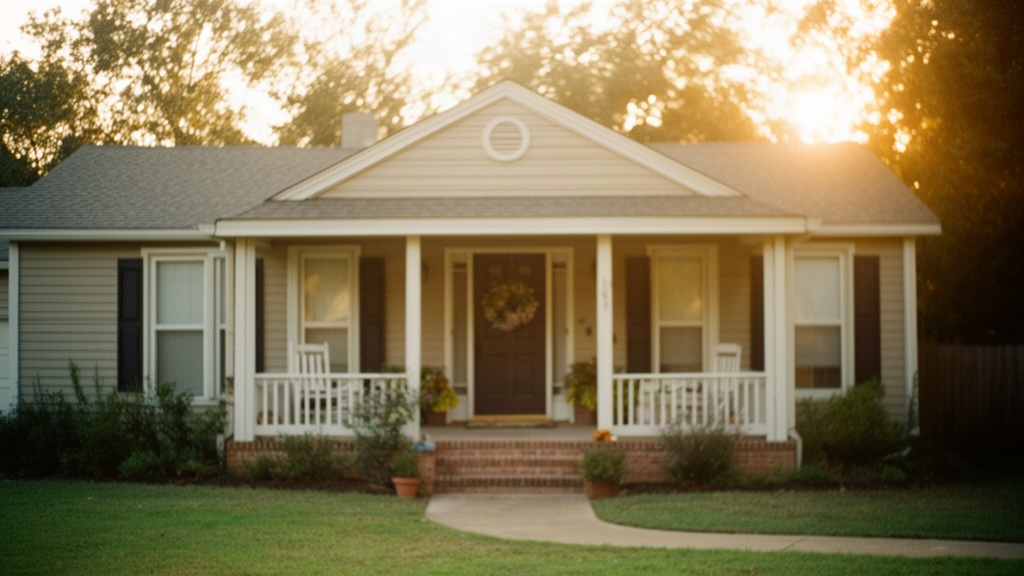
Most homes for sale in Oslo NY fall into a few clear categories. You will find older two-story farmhouses, many built between the 1880s and 1940s, sitting on parcels of five acres or more. These properties often include outbuildings such as barns, equipment sheds, or detached garages. Alongside them are mid-century ranch and cape-style homes on smaller lots, typically under two acres, and the occasional newer construction from the 1990s or 2000s.
Vacant land and parcels with existing structures sold together are also a notable part of what comes to market in Oslo. Buyers interested in that category will find useful detail in the Oslo, New York rural land listings guide published on this site.
Price Ranges and What They Buy You
As of September 2026, homes for sale in Oslo NY are generally priced between roughly $90,000 and $280,000, with the widest portion of active listings clustering in the $130,000 to $210,000 range. At the lower end of that band you are typically looking at older farmhouses that need meaningful updating: roofing, windows, heating systems, or kitchen and bath renovations. At the upper end, you get properties that have been maintained or partially renovated, often with larger acreage, a functional outbuilding, and updated mechanicals.
The price per square foot in Oslo is considerably lower than in suburban Erie or Monroe County markets, which is one reason buyers relocating from those areas find this market worth a serious look. A 1,800 square foot home with three bedrooms, two acres, and a barn can be purchased here for what a modest suburban ranch without land would cost in Cheektowaga or Gates.
How Long Homes Are Sitting
Oslo is a low-volume market, meaning the number of homes that sell in any given month is small. That cuts both ways. Well-priced homes in good condition can move in two to four weeks when buyer demand is active. Properties that need significant work or are priced above what the local comparables support can sit for several months. Days on market varies sharply by condition and price point, not by a single market-wide trend.
Nationally, the pattern of rising inventory and moderating prices has given buyers more negotiating room than they had in 2022 or 2023. According to the National Association of Realtors' existing-home sales data, inventory levels have been gradually recovering, which translates to more choices and less pressure for buyers in rural markets like Oslo.
2. Reading an Oslo NY Listing Critically Before You Tour
Not every listing for homes in Oslo NY tells the full story in the headline price and photo count. Learning to read the details before you schedule a showing saves you time and prevents you from falling in love with a property before you understand what it actually needs.
Acreage and Lot Details
In Oslo, the acreage listed on a property can include everything from flat tillable fields to steep wooded hillside, and those are very different assets. A listing that says 22 acres might include 18 acres of dense second-growth forest and four acres of usable yard and pasture. Ask specifically about soil classification, slope, and whether any portion is in a flood zone or wetland designation. The Wyoming County real property tax records and the USDA Web Soil Survey are both publicly accessible and can tell you a lot before you ever set foot on the land.
Septic, Well, and Utility Notes
The majority of homes for sale in Oslo NY rely on private well water and on-site septic systems rather than municipal services. This is standard for rural Wyoming County and not a red flag on its own, but it does mean you need to ask specific questions. When was the septic last pumped and inspected? Is there a record of the system's location and tank size? How deep is the well, and is there a recent water quality test on file? Sellers are not always required to provide these documents proactively, so ask for them early.
Heating fuel is another listing detail worth scrutinizing. Many older Oslo properties heat with fuel oil, propane, or wood, and the cost difference between those options over a winter is significant. If a listing mentions an oil tank, find out whether it is above-ground or buried, because buried tanks carry environmental liability that can complicate financing and future resale.
Age of Systems and Structural Flags
A home built in 1910 with original knob-and-tube wiring, a gravity furnace, and a roof last replaced in 2004 is a very different financial proposition than a 1995 ranch with updated mechanicals. Listings sometimes bury these details or omit them entirely. Look at the listing age, the tax assessment year built, and any seller disclosure documents. If the listing photos show a basement with stone foundation walls and visible moisture staining, factor remediation costs into your offer math before you tour.
3. What to Inspect When Buying Homes for Sale in Oslo NY
Inspections are where buyers in rural markets like Oslo protect themselves. The inspection contingency in your purchase offer gives you the right to negotiate repairs, request credits, or walk away based on what the inspector finds. Do not waive it to win a bidding situation unless you have a thorough independent knowledge of the property's condition.
General Home Inspection
A licensed home inspector will evaluate the structure, roof, foundation, electrical, plumbing, and HVAC systems. For older Oslo farmhouses, pay particular attention to the roof inspection. Farmhouses with multiple additions often have complex roof lines with valleys that collect debris and age faster than a simple gable. Ask your inspector to walk the roof if it is safe to do so, not just view it from the ground with binoculars.
Outbuildings are generally not included in a standard home inspection scope unless you specifically request it. If a barn or equipment shed is a meaningful part of why you are buying the property, hire the inspector to evaluate it separately, or at minimum walk it yourself and look at the foundation, framing, and roof ridge for signs of settlement or structural failure.
Well and Septic Testing
Water quality testing is not optional when buying a home on a private well in Wyoming County. At minimum, test for coliform bacteria, nitrates, and arsenic, which are the contaminants most commonly found in rural upstate New York groundwater. If the property is near agricultural land, add a pesticide and herbicide panel. The Wyoming County Health Department can point you toward certified testing labs, and some lenders require a satisfactory water test before they will underwrite the loan.
Septic inspection typically involves pumping the tank and having a professional assess the condition of the tank, baffles, and drain field. A failing drain field can cost $8,000 to $25,000 or more to replace depending on soil conditions and the system size required. If the seller cannot produce any maintenance history, treat that as a reason to negotiate a price reduction or a seller credit at closing rather than assuming everything is fine.
Radon and Oil Tank Checks
Radon is a naturally occurring gas that concentrates in basements and lower levels of homes built on certain soil types. New York State has elevated radon levels in many rural counties, and Wyoming County is no exception. A radon test is inexpensive, typically under $200 when added to a home inspection, and mitigation systems cost $800 to $1,500 if levels come back above the EPA action threshold of 4 picocuries per liter. Build this test into your inspection plan from the start.
If the property has or had an underground fuel oil tank, hire a specialist to assess it before closing. Soil contamination from a leaking buried tank is an environmental liability that travels with the land, not with the seller. Remediation costs can reach tens of thousands of dollars and can make a property difficult to finance or resell. This is a due-diligence step that buyers sometimes skip and later regret.
4. How to Position Your Offer in Oslo NY
Making a strong offer on homes for sale in Oslo NY is less about outbidding competitors and more about understanding what the seller actually needs and structuring your offer to meet it. Oslo is not a high-competition urban market where waiving contingencies and going well over list price is the norm. Most transactions here involve careful negotiation grounded in comparable sales and property condition.
Understanding Seller Motivation
In a small rural market, seller motivation varies widely from property to property. An estate sale often means heirs who want a clean, quick close with minimal contingency friction. A long-time owner who has lived in the home for thirty years may care more about the buyer's intentions for the property, particularly if there is farmland or a barn involved, than about squeezing the last dollar from the sale price. Knowing which situation you are in shapes how you write the offer.
Days on market is one of the most useful signals available to buyers. A home that has been listed for 90 days with no price reduction tells a different story than one that came on last week. In the first case, the seller has likely already adjusted their expectations and there is room to negotiate. In the second, you may need to be closer to list price if the property is priced correctly and in good condition.
Contingencies That Protect You
Standard New York purchase offers include an inspection contingency, a financing contingency, and sometimes an appraisal contingency. All three serve a purpose for buyers in Oslo. The inspection contingency gives you an exit or negotiating point if major defects are found. The financing contingency protects your deposit if your mortgage falls through. The appraisal contingency matters if you are borrowing close to the purchase price and the property appraises below what you agreed to pay.
Rural properties sometimes present appraisal challenges because comparable sales in sparsely populated townships are scarce. An appraiser may need to pull comps from neighboring towns like Gainesville, Sheldon, or Eagle to support the value. If you are financing with a conventional loan, USDA rural development loan, or FHA product, understand that the appraisal process in this market can take longer and may require a second review if the first appraiser cannot support the price.
Working With a Local Agent
An agent who knows the Oslo market can tell you whether a listing is priced fairly, which properties have had price history, and which sellers are motivated. That local knowledge directly affects how you write your offer. Leander Mosseng works specifically in this area and has the comparable sales data and local context to help you make an informed decision rather than guessing at what the market will bear.
For buyers who want to understand the full picture of how offers are evaluated and what sellers in this market respond to, the article on who consistently gets sellers the highest sale price in Oslo, New York gives useful insight into how the negotiation dynamic works from the other side of the table.
5. The Closing Process for Oslo NY Buyers
Once your offer is accepted on a home for sale in Oslo NY, the closing process in New York State follows a specific sequence that typically takes 45 to 75 days from accepted offer to closing day. Understanding each stage helps you stay organized and avoid surprises that delay the transaction.
From Accepted Offer to Closing Day
New York is an attorney-state, meaning both the buyer and seller are represented by attorneys who draft and review the purchase contract. After your offer is verbally accepted, the seller's attorney prepares the formal contract of sale, typically within one to two weeks. Your attorney reviews it, negotiates any modifications, and you sign and return it with your contract deposit, usually 10 percent of the purchase price. From there, your lender orders the appraisal, you complete your inspections, and the title company begins its search.
Title searches in Wyoming County can occasionally surface old easements, right-of-way agreements, or boundary line discrepancies that need to be resolved before closing. Agricultural properties in particular may have historical easements for drainage ditches, utility access, or neighboring farm equipment passage. These are generally not deal-killers, but they need to be disclosed and understood before you take ownership.
What to Budget Beyond the Purchase Price
Closing costs for buyers in New York typically run between 2 and 5 percent of the purchase price, on top of your down payment. On a $175,000 Oslo property, that means budgeting an additional $3,500 to $8,750 for attorney fees, title insurance, lender fees, prepaid property taxes, homeowner's insurance, and recording fees. New York also charges a mortgage recording tax, which is approximately 1 percent of the loan amount in most upstate counties.
If you are buying a property with a private well and septic, budget for the inspection and testing costs separately from your general home inspection fee. Well and septic inspections combined typically cost $400 to $800 depending on the service provider and the scope of the assessment. Water testing adds another $100 to $300 depending on the panel you order. These are not optional costs in this market; they are standard due diligence.
For a broader view of how the New York State housing market is shaping buyer costs and lending conditions heading into late 2026, Forbes Advisor's New York housing market overview provides useful statewide context on price trends and mortgage rate movements.
Buyers who want a detailed breakdown of what closing costs look like in this specific market will find the closing costs guide for Oslo, New York published on this site a practical resource before they finalize their budget.
FAQ
What types of homes are most commonly for sale in Oslo NY?
The most common property types in Oslo are older two-story farmhouses on multi-acre parcels, mid-century ranch and cape-style homes on smaller residential lots, and vacant land or land-with-structure combinations. Many of the farmhouses date to the late 1800s and early 1900s and include outbuildings such as barns or equipment sheds. Newer construction from the 1990s and 2000s exists but is less common. Buyers looking for a home with acreage, agricultural potential, or significant privacy will find more options here than in suburban Wyoming County communities like Warsaw or Perry.
How do I know if an Oslo NY home is priced fairly?
The most reliable way to evaluate price is through a comparative market analysis that looks at recent sales of similar properties in Oslo and neighboring townships such as Gainesville, Eagle, and Sheldon. Because Oslo is a low-volume market, your agent may need to pull comps from a wider radius to find enough data points. Key factors that affect value include acreage, condition of the home and outbuildings, age and condition of the well and septic system, and whether major systems like the roof, furnace, and electrical panel have been updated. A local agent with access to the full MLS sales history is the most direct route to an accurate price assessment.
Can I get a USDA loan to buy a home in Oslo NY?
Oslo NY is a rural township in Wyoming County and is likely eligible for USDA Rural Development loan programs, which offer zero-down-payment financing for qualified buyers who meet income limits. Eligibility is determined by both the property's location and the buyer's household income relative to the county's median. You can check property eligibility directly on the USDA's official eligibility map tool. USDA loans do require the property to meet minimum condition standards, which is relevant for older farmhouses that may need repairs. Your lender can run a preliminary eligibility check before you make an offer so you know which financing products are available for a specific property.