
← Back to Blog
Buying
Investment Property Guide for Oslo, New York: What to Know Before You Buy
By Leander Mosseng
September 17, 2026 · 11 min read
This investment property guide for Oslo, New York covers everything a serious buyer needs to know before committing: the types of properties available, what the local rental market looks like, how property taxes affect your returns, and the key steps to closing on an income-producing asset in this part of Wyoming County. Oslo is a small, rural town with a distinct set of investment dynamics that differ sharply from what you would find in Buffalo or Rochester, and understanding those differences is what separates a smart purchase from an expensive lesson.
1. Why Oslo, New York Attracts Investment Property Buyers
Oslo draws investment buyers for one primary reason: low acquisition costs relative to the rental income a property can generate. In September 2026, single-family homes in Oslo and the surrounding Wyoming County area are transacting in a price range that makes the math on a rental property more accessible than it would be in a Buffalo suburb or along the Lake Ontario corridor. For buyers priced out of larger markets, Oslo represents a realistic entry point into real estate investing in upstate New York.
This trend is not unique to Oslo. According to NAR's Realtor Magazine, a growing share of buyers across the country are purchasing investment properties as a primary wealth-building strategy, particularly in smaller markets where purchase prices stay manageable. Oslo fits that profile well.
Low Entry Costs Compared to Western New York Cities
A modest single-family home in Oslo can be purchased for well under what a comparable property would cost in a Buffalo suburb like Orchard Park or Clarence. That lower purchase price compresses the amount of capital you need to deploy upfront, which matters when you are building a portfolio over time. For a detailed look at where prices stand right now, see the September 2026 home price breakdown for Oslo, New York on this site.
What the Rental Demand Picture Looks Like
Oslo is a rural town in Wyoming County, and rental demand here is driven by a different set of factors than you would find in an urban market. Workers commuting to Batavia, Warsaw, or the Genesee County industrial corridor make up a meaningful portion of the local renter pool. Agricultural employment, healthcare workers tied to facilities in Warsaw and Batavia, and people relocating from more expensive areas who prefer to rent before buying all contribute to baseline demand. The rental pool is smaller than in a city, but competition for available units in good condition is real.
Oslo sits roughly 35 to 40 miles southeast of Buffalo and about 50 miles southwest of Rochester, which means residents can realistically commute to either metro for work. That commute range expands the potential tenant base beyond just local workers. For more on commute times from Oslo, the Oslo to Buffalo and Rochester commute guide has the specifics.
2. Types of Investment Properties Available in Oslo, NY
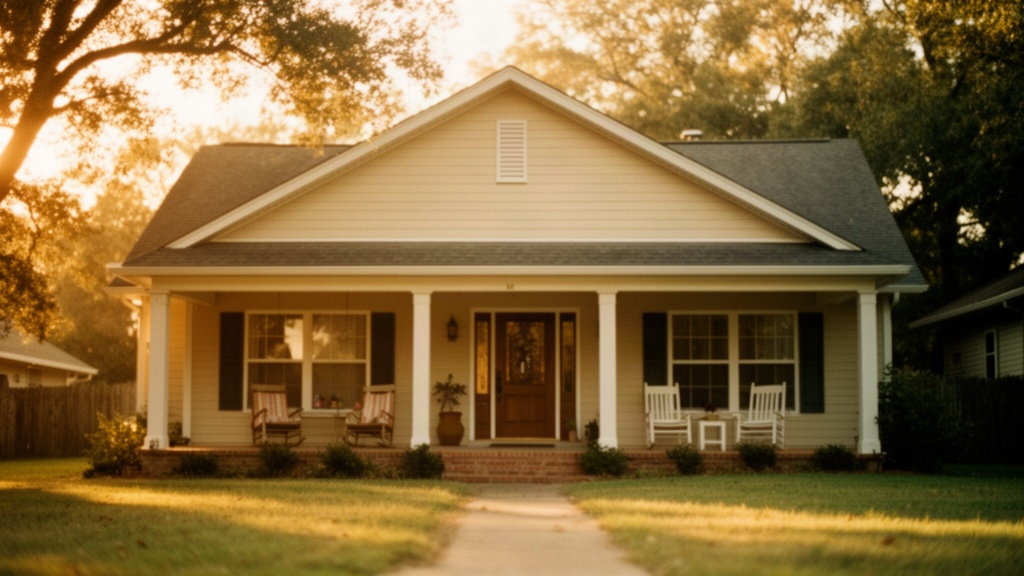
Oslo's housing stock is predominantly older and rural, which shapes the investment options available. You will not find large apartment complexes or commercial mixed-use buildings here. What you will find is a mix of single-family homes, occasional small multifamily properties, and agricultural land parcels, each with its own return profile and management demands.
Single-Family Rentals
Single-family homes are the most common investment vehicle in Oslo. Many of these properties are older farmhouses or cape cods on modest lots, built before 1970. They tend to have larger square footages than newer construction, which can be attractive to tenants who need space. The trade-off is that older homes typically carry higher maintenance costs, and mechanicals like furnaces, roofs, and electrical panels may need attention shortly after purchase. A thorough inspection is non-negotiable.
Small Multifamily Properties
Two-family and three-family properties do appear in Oslo and neighboring Wyoming County towns, though they are less common than single-family homes. A duplex in this market can allow an owner to live in one unit while renting the other, which is a strategy that reduces personal housing costs while the tenant contributes to the mortgage. These properties tend to move quickly when priced correctly, because there are relatively few of them and demand from both investors and owner-occupants overlaps.
Land and Agricultural Parcels
Agricultural land in Wyoming County, including parcels in and around Oslo, can be leased to working farmers for crop or pasture use. This is a lower-management investment strategy, though returns per acre are modest and the market for land is highly local. Land values in this part of New York are influenced by soil quality, drainage, proximity to grain elevators, and access to county roads. If you are considering a land purchase as part of this investment property guide for Oslo, New York, working with someone who knows the local agricultural land market is essential.
3. Running the Numbers: Cash Flow, Cap Rates, and Expenses
A property that looks cheap to buy can still be a poor investment if the operating expenses consume the rent. Before making an offer on any Oslo property, you need to model the income and expenses honestly. Rural properties often carry costs that urban investors underestimate, including higher per-mile maintenance travel costs, septic and well servicing, and heating fuel for older homes without natural gas access.
Estimating Gross Rent and Vacancy
Gross monthly rents for a three-bedroom single-family home in the Oslo and Wyoming County area currently range from roughly $900 to $1,400 per month depending on condition, lot size, and proximity to Batavia or Warsaw. These figures are not comparable to suburban Buffalo rents, but the purchase prices are proportionally lower. A conservative investor should model a vacancy rate of 8 to 10 percent annually in a rural market like Oslo, accounting for the smaller tenant pool and longer re-leasing timelines when a tenant leaves.
Property Taxes and Their Impact on Returns
Property taxes in Oslo are a meaningful line item that every investor must build into their projections. Wyoming County effective tax rates tend to run higher than the national average, which is a common feature across upstate New York. On a $200,000 investment property, annual taxes could land anywhere from $4,000 to $6,500 depending on the assessed value and the specific tax levies in place. For a detailed breakdown, the Oslo, NY property tax rate guide walks through exactly how the math works on different price points.
Repair Reserves and Operating Costs
A standard rule of thumb for older rural properties is to reserve 1 to 1.5 percent of the purchase price annually for repairs and capital expenditures. On a $180,000 property, that is $1,800 to $2,700 per year set aside before you ever see a profit. Add landlord insurance (typically $800 to $1,400 per year for a rural single-family in upstate New York), and you are looking at a meaningful cost structure that needs to be covered by rent before you calculate any return on your investment.
The HouseCashin New York real estate investing guide provides a broader framework for evaluating upstate New York investment properties, including cap rate benchmarks and financing considerations that apply to markets like Oslo.
4. Financing an Investment Property in Oslo, New York
Financing an investment property works differently than financing a primary residence, and the rules tighten in several important ways. Lenders treat investment properties as higher-risk loans, which means higher interest rates, stricter qualification criteria, and larger required down payments. Understanding these constraints before you start shopping for properties in Oslo saves a significant amount of time and frustration.
Conventional Investment Loans vs. Portfolio Lenders
Most investment property buyers in Oslo will use a conventional loan through a bank or mortgage company, which follows Fannie Mae or Freddie Mac guidelines. These loans are available for one-to-four-unit properties and typically require the borrower to have a credit score of at least 680, though 720 or higher gets you better pricing. Portfolio lenders, which are smaller banks and credit unions that hold loans on their own books rather than selling them to the secondary market, sometimes offer more flexibility on rural or unusual properties that conventional lenders decline. Wyoming County-area community banks are worth a conversation if a conventional loan does not work for your situation.
Down Payment Requirements
Investment property loans require a minimum down payment of 15 percent for a single-unit property and 25 percent for a two-to-four-unit property under conventional guidelines. On a $175,000 Oslo single-family rental, that means $26,250 minimum down, plus closing costs. On a duplex priced at $200,000, you would need $50,000 down. These figures do not include the repair reserves you should have liquid before closing. For a breakdown of what closing costs look like in this market, the Oslo closing costs guide covers the specific line items buyers encounter.
Using Equity From an Existing Property
Some buyers fund their Oslo investment purchase by tapping equity from a primary residence through a home equity line of credit or a cash-out refinance. This approach can reduce or eliminate the need for a traditional investment loan, which simplifies the transaction. The risk is that you are pledging your primary home as collateral for the investment, so the strategy requires a clear-eyed assessment of your ability to service both obligations if the rental sits vacant for a period.
5. Step-by-Step: How to Buy an Investment Property in Oslo, NY
The process of buying an investment property in Oslo follows the same general arc as any real estate purchase, but with additional due diligence steps that matter more here than in a city market. Rural properties have more variables: well and septic condition, heating system type, road access, and agricultural zoning considerations all need to be evaluated before you commit.
Define Your Strategy First
Before looking at a single listing, decide what kind of investor you want to be. A long-term buy-and-hold strategy focused on monthly cash flow looks very different from a value-add strategy where you purchase a distressed property, renovate it, and either sell or refinance. Oslo's market, with its older housing stock and slower price appreciation compared to urban cores, generally favors the buy-and-hold approach for investors who want steady income rather than rapid equity gains.
Get Pre-Approved and Set a Budget
Talk to a lender who has experience with investment property loans before you make any offers. Know your maximum loan amount, your required down payment, and the interest rate environment you are working in as of September 2026. Set a total acquisition budget that includes purchase price, closing costs, and a renovation or repair fund so you are not surprised after closing.
Evaluate Properties With an Investor's Eye
When touring Oslo properties as an investor, you are not evaluating whether you would enjoy living there. You are evaluating the roof age, the heating system, the well and septic records, the electrical panel capacity, and the realistic rent you could achieve. Request the seller's utility bills for the past 12 months. Ask whether the property has ever been a rental and, if so, what the rent history looks like. Check with Wyoming County on any open permits or code violations.
Close and Manage the Asset
After closing, decide whether you will self-manage or hire a property manager. Property management fees in rural upstate New York typically run 8 to 12 percent of collected rent. For an out-of-area investor, professional management often makes sense given the distance involved in handling maintenance calls and tenant issues. If you plan to self-manage, build a reliable list of local contractors for plumbing, HVAC, and electrical work before you ever have a tenant in place.
6. Risks and Realities Every Oslo Investor Should Understand
Every investment carries risk, and a complete investment property guide for Oslo, New York has to be honest about the specific risks this market presents. None of these risks make Oslo a poor choice for investment, but ignoring them leads to underperforming returns and frustrated investors.
Rural Vacancy Risk
When a tenant leaves a property in Oslo, finding a replacement takes longer than it would in a city. The pool of qualified applicants is smaller, and if your property needs any work between tenants, you may be carrying the mortgage for two or three months without income. Investors who model only a 2 or 3 percent vacancy rate in a rural market are setting themselves up for a cash flow shortfall. Build in a realistic buffer.
Maintenance in an Older Housing Stock
Oslo's housing inventory skews older, and older homes require more consistent attention than newer construction. A furnace that is 20 years old, a roof that has 5 years of useful life remaining, or a septic system that has not been inspected in a decade are all liabilities that can turn a profitable year into a losing one. Prioritize properties where major systems have been recently updated, and price any deferred maintenance into your offer rather than assuming the seller will address it.
Exit Strategy Considerations
Rural investment properties in markets like Oslo have a narrower buyer pool when it comes time to sell. Your exit buyers will primarily be other investors or owner-occupants, and neither group is as abundant as in an urban market. This means you should not count on selling quickly if your circumstances change. The Oslo, NY market guide for buyers and sellers has context on how long properties typically spend on the market here, which is useful for setting realistic exit timeline expectations.
FAQ
Is Oslo, New York a good place to buy a rental property?
Oslo offers lower acquisition costs than most Western New York suburbs, which can make the numbers work for a buy-and-hold investor focused on cash flow rather than rapid appreciation. The rental demand is real but smaller in scale than an urban market, driven by workers commuting to Batavia, Warsaw, and the broader Genesee County area. Investors who succeed here tend to be patient, conservative in their vacancy assumptions, and willing to manage or hire out maintenance on older properties. It is not a market for someone expecting city-level rent growth or a quick flip.
How much money do I need to start investing in Oslo, NY real estate?
For a single-family investment property priced around $150,000 to $200,000, you should plan on a minimum of 15 percent down (roughly $22,500 to $30,000), plus closing costs that typically run 2 to 4 percent of the purchase price in New York State. On top of that, a prudent investor keeps a repair reserve of at least $5,000 to $10,000 liquid before the first tenant moves in. In total, entering the Oslo investment market realistically requires $35,000 to $55,000 in available capital depending on the property and your financing structure.
What types of investment properties are most common in Oslo, New York?
Single-family homes make up the largest share of available investment properties in Oslo and the surrounding Wyoming County area. These are mostly older farmhouses and cape cods on modest to large lots, many built before 1970. Small two-family properties exist but are less common and tend to attract both investors and owner-occupants, which keeps competition for them higher. Agricultural land parcels are also available and can be leased to working farmers, though returns per acre are modest and the market for land is highly localized to soil quality and access conditions.