
← Back to Blog
Market Trends
Oslo, New York Has the Most Experienced Real Estate Market Guide: Prices, Neighborhoods and Timing
By Leander Mosseng
September 16, 2026 · 12 min read
If you want a thorough, experience-backed real estate market guide for Oslo, New York, this is it. Whether you are buying, selling, or relocating, understanding local prices, what the housing stock actually looks like across different parts of town, and how timing affects your outcome will put you in a far stronger position than going in without that context.
1. What the Oslo, NY Housing Market Looks Like Right Now
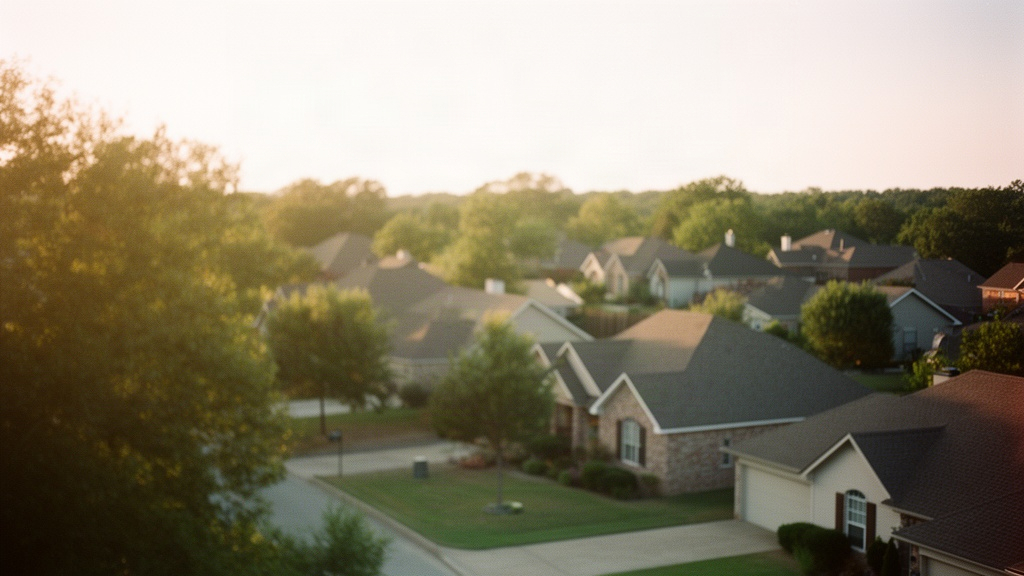
Oslo, New York is a small rural town in Wyoming County, and its real estate market reflects that character directly. Inventory tends to be limited at any given moment, which means the gap between a well-priced listing and an overpriced one shows up quickly in buyer response. As of September 2026, the market here rewards preparation and local knowledge more than most.
Current Price Ranges
Median sale prices in Oslo and the surrounding Wyoming County area currently sit in the low-to-mid $200,000s for single-family homes, though the range is wide. Entry-level properties, including older farmhouses and smaller ranch-style homes on modest lots, often list between $130,000 and $175,000. Larger homes with acreage, updated interiors, or lakeshore access can reach $350,000 to $450,000 and occasionally higher. For a granular look at what prices are doing right now, see the dedicated breakdown in What Are Home Prices Doing in Oslo New York Right Now in September 2026.
Housing Stock and Architecture
The housing stock in Oslo skews older. Most of the single-family homes were built between the 1900s and the 1970s, and many sit on generous lots ranging from half an acre to several acres. You will find a mix of two-story farmhouses with original woodwork, post-war ranch homes, and the occasional cape cod. Barns, outbuildings, and detached garages are common features, particularly on properties outside the hamlet core.
Newer construction is relatively rare in Oslo proper, which is part of why updated homes or those with recent mechanical improvements tend to attract more competitive offers when they do come to market. For context on what new development activity looks like in the area, the article on new housing developments and construction projects in Oslo, NY in 2026 covers that in detail.
How Oslo Compares to Broader New York Trends
Statewide, New York's housing market has experienced persistent inventory pressure and price resilience over the past two years. The New York State Association of REALTORS tracks monthly data on median sale prices, days on market, and closed sales across all regions, including Western New York. You can review that data directly at NYSAR's Market Data page. Oslo's market is quieter and slower-moving than the statewide averages, but it has tracked the same general direction: fewer listings, stable-to-rising prices, and buyers who need to move quickly when something good appears.
2. A Neighborhood-by-Neighborhood Look at Oslo's Housing Areas
Oslo does not have named subdivisions or formal neighborhood boundaries the way a larger city would. Instead, buyers and sellers typically think about properties in terms of their relationship to the hamlet center, the surrounding agricultural land, and proximity to water. Each of these zones has a distinct character, price profile, and set of practical considerations.
Rural and Agricultural Parcels
A significant portion of Oslo's land area is agricultural, and properties in this zone often include working farmland, large wooded parcels, or homes with five or more acres. Prices per acre vary considerably depending on soil classification, road frontage, and whether there are existing structures. A farmhouse with 30 acres of tillable land will be priced and financed very differently from a wooded recreational parcel of similar size. Buyers interested in agricultural properties should understand that conventional financing may not apply; USDA rural development loans and farm credit lenders are worth exploring for these situations.
Well and septic systems are standard on rural parcels outside the hamlet. Buyers should budget for a thorough well water test and a septic inspection as part of due diligence. These are not optional steps; they directly affect both the property's livability and its appraised value.
Village-Adjacent Properties
Homes closer to the hamlet center or along the main roads connecting Oslo to Arcade, Attica, and Warsaw tend to sit on smaller lots, typically a quarter acre to one acre. These properties often have older two-story construction, covered porches, and mature trees. They are within a shorter drive of the services in Arcade, which is roughly 10 to 12 miles southeast and has a grocery store, pharmacy, and several local businesses.
For buyers who want to understand what day-to-day life in Oslo actually looks like, including where residents go for errands, dining, and recreation, the article on what it is like to live in Oslo, New York day to day is a useful companion read.
Waterfront and Lakeshore Corridors
Wyoming County has several small lakes and ponds, and properties with any water frontage or water access command a measurable premium. In and around Oslo, parcels near Wiscoy Creek or seasonal water features attract buyers looking for recreational use, fishing access, or simply the aesthetic of a water view. These properties can list 15 to 30 percent above comparable non-waterfront homes depending on the quality and permanence of the water feature.
Flood zone designation is an important consideration for any property near water in Oslo. Buyers should request a flood zone determination early in the process. If a property falls within a FEMA-designated Special Flood Hazard Area, flood insurance will be required by most lenders and adds a recurring annual cost that affects affordability calculations.
3. Timing the Oslo, NY Market: When to Buy and When to Sell
Timing in a small rural market like Oslo works differently than in a metro area. There are seasonal patterns, but because inventory is thin year-round, the appearance of a well-priced listing at any time of year tends to generate activity quickly. Understanding the rhythms of this specific market is more useful than applying generic national advice.
Seasonal Patterns in Oslo
Spring, from late March through June, is historically the busiest listing period in Western New York, and Oslo follows that pattern. Sellers who list in April or May benefit from buyers who have been searching through the winter and are ready to act. Curb appeal is also at its peak when landscaping is green and driveways are clear of snow.
Fall listings, particularly September and October, can also perform well in Oslo. Buyer pools are smaller than spring, but so is competition from other sellers. A well-prepared home listed in September 2026 faces fewer competing listings than it would in May, which can actually work in a seller's favor if the price and condition are right. The article on homes sitting on the market in Oslo NY this fall explains what is happening with days on market right now and what it means for both buyers and sellers.
Days on Market and What They Signal
In a market as small as Oslo, days on market is one of the most telling data points available. When a home sells within the first two to three weeks of listing, it usually signals that the price was well-calibrated to current demand. When a home sits for 60 or 90 days without an accepted offer, it almost always points to a pricing problem rather than a property problem.
Buyers can use extended days on market as a negotiating signal, but should investigate the reason before assuming a discount is warranted. Sometimes a home has been sitting because it was overpriced from the start and the seller has since corrected the price to market value. In that case, the discount opportunity may already be priced in.
New Construction and Inventory Shifts
New construction in Oslo is limited, which keeps the resale market as the primary option for most buyers. When new inventory does enter the market, whether through an estate sale, a long-term owner finally listing, or a new build on a vacant parcel, it tends to shift local absorption rates noticeably. Buyers who are actively watching the Oslo market should set up alerts and be prepared to schedule showings within days of a new listing appearing.
4. Costs Beyond the Purchase Price
The purchase price is only one number in the full cost picture of buying a home in Oslo. Property taxes, closing costs, and ongoing carrying costs all affect what a home truly costs to own, and in Wyoming County those numbers have specific characteristics worth understanding before you make an offer.
Property Taxes in Oslo
Wyoming County property tax rates are among the things buyers most frequently ask about when relocating from outside the region. Oslo falls within the Town of Eagle or adjacent townships depending on the specific parcel, and tax bills reflect a combination of town, county, and school district levies. For a detailed breakdown of how the rate is calculated and what a buyer would pay on a $300,000 home, the article on property tax rates in Oslo, NY walks through the numbers clearly.
New York State does offer a STAR exemption program for owner-occupied primary residences, which reduces the school tax portion of the bill for qualifying homeowners. Buyers should apply for this through the New York State Department of Taxation and Finance after closing. The enhanced STAR benefit applies to homeowners 65 and older who meet income thresholds and provides a larger reduction.
Closing Costs and Carrying Costs
Buyers in New York State typically pay between 2 and 5 percent of the purchase price in closing costs, covering items like lender origination fees, title insurance, attorney fees, and prepaid escrow amounts. On a $220,000 home in Oslo, that translates to roughly $4,400 to $11,000 in closing costs beyond the down payment. New York State also charges a mortgage recording tax, which varies by county and loan amount.
Carrying costs on older rural homes can be higher than buyers anticipate. Heating costs in Wyoming County winters are meaningful; oil and propane are the most common fuel sources in Oslo, and a home with poor insulation or an aging furnace can add $300 to $500 per month to winter utility bills. Buyers should ask for at least 12 months of utility bills during due diligence.
What Buyers Often Overlook
Septic pumping and inspection, well pressure tank replacement, roof age, and the condition of the electrical panel are four items that come up repeatedly in Oslo home inspections. A home with a 25-year-old roof and a 1960s electrical panel may be priced attractively, but those two items alone could represent $15,000 to $25,000 in near-term capital expenditure. Factor these into your offer strategy, not just your wish list.
Internet connectivity is another practical consideration that relocating buyers sometimes underestimate. Rural parcels in Oslo may have limited broadband options. Fiber is not universally available across the township, and some properties rely on fixed wireless or satellite service. If remote work is part of your life, verify the available providers and speeds at the specific address before making an offer.
5. Practical Steps for Buyers and Sellers in Oslo, NY
The Oslo, New York real estate market rewards people who do their homework before they need to move fast. Whether you are buying or selling, the steps below reflect what actually works in this specific market, not generic advice that applies equally to Manhattan or suburban Phoenix.
Steps for Buyers
Get pre-approved before you start touring homes. In a thin inventory market, a seller with two interested parties will always favor the one who arrives with a lender letter. Pre-approval also forces you to understand your true budget, including taxes, insurance, and carrying costs, before you fall in love with a property.
Set up automated listing alerts for Oslo and the surrounding Wyoming County towns. New listings in small markets move faster than the weekly check-in cadence most buyers default to. If a property matches your criteria, you want to know within hours, not days. Plan to schedule a showing within 24 to 48 hours of a new listing appearing.
Understand your commute tolerance before you commit to a location. Oslo is roughly 45 to 55 miles from Buffalo and a similar distance from Rochester, making either city reachable for work but not without a meaningful daily drive. The article on commuting from Oslo NY to Buffalo or Rochester breaks down realistic drive times, routes, and what to expect in winter conditions.
Steps for Sellers
Price your home based on recent comparable sales in Oslo and Wyoming County, not on what you need to net or what a neighboring town sold for two years ago. The comparable sales pool in Oslo is small, which means each comp carries more weight. A local agent who has tracked actual closed transactions in the area will give you a more accurate valuation than an automated estimate from a national website.
Address the deferred maintenance items before listing, not after the inspection report arrives. Buyers in this price range are often stretching their budgets, and a long inspection report with multiple repair items creates negotiation pressure and sometimes kills deals entirely. A pre-listing inspection is a worthwhile investment for sellers of older Oslo homes.
Professional photography matters even in rural markets. Most buyers today begin their search online, and the quality of listing photos determines whether someone schedules a showing or scrolls past. A well-photographed farmhouse on five acres in Oslo will generate more interest than the same property captured on a phone in poor light.
Working with a Local Expert
The Oslo, New York real estate market is specific enough that local experience makes a measurable difference. An agent who knows which roads flood in spring, which parcels have boundary disputes on record, which lenders are active in Wyoming County, and how long homes at various price points have been sitting is not a luxury; that knowledge directly affects your outcome whether you are buying or selling.
Leander Mosseng works specifically in Oslo and the surrounding Wyoming County area, and brings that on-the-ground market knowledge to every transaction. For buyers and sellers who want guidance grounded in how this market actually behaves, that local depth is what this Oslo, New York real estate market guide is built on.
FAQ
What is the typical price range for homes in Oslo, New York in 2026?
As of September 2026, single-family homes in Oslo and the surrounding Wyoming County area generally list and sell in a range from the low $130,000s for smaller or dated properties up to $450,000 or more for larger homes with acreage, updates, or water access. The median for the area sits in the low-to-mid $200,000s. Prices vary significantly based on lot size, condition, and proximity to water. Rural parcels with agricultural land are priced differently from village-adjacent homes and require different financing approaches in many cases.
When is the best time to buy or sell a home in Oslo, NY?
Spring, from late March through June, is the most active listing period in Oslo and Western New York generally, giving sellers the largest pool of active buyers. Fall, particularly September and October, offers sellers less competition from other listings, which can work in their favor if a home is priced correctly and in good condition. Buyers benefit from shopping in fall and winter when competition is lower, though inventory is also thinner during those months. Because Oslo's inventory is limited year-round, the appearance of a well-priced listing at any time of year tends to generate strong interest quickly.
What should relocating buyers know before moving to Oslo, New York?
Relocating buyers should understand that Oslo is a rural Wyoming County town with limited walkable services; most errands require driving to Arcade, Attica, or Warsaw, which are 10 to 20 miles away. Commutes to Buffalo or Rochester are possible but run 45 to 55 miles each way, so buyers who work in either city should plan those drives carefully, especially in winter. Broadband internet availability varies by parcel, and buyers who work remotely should verify service options at any specific address before making an offer. Well and septic systems are standard on most properties outside the hamlet core, and buyers should budget for thorough inspections of both. Property taxes in Wyoming County include town, county, and school district levies, and the New York STAR exemption can reduce costs for owner-occupants.