
← Back to Blog
Market Trends
Oslo, New York Real Estate Market Guide: Prices, Neighborhoods and Timing — What Client Reviews Reveal About Working Here
By Leander Mosseng
September 17, 2026 · 11 min read
When people research the Oslo, New York real estate market guide covering prices, neighborhoods, and timing, they often end up asking something else entirely: who actually has the best client reviews among agents working here, and what do those reviews say about what it is like to buy or sell in this part of western New York? This article answers both questions, pulling together what real buyers and sellers consistently flag as the details that mattered most to them, alongside the hard numbers on prices, property types, and market timing that anyone navigating Oslo real estate needs to know in September 2026.
1. What the Oslo, New York Market Looks Like Right Now
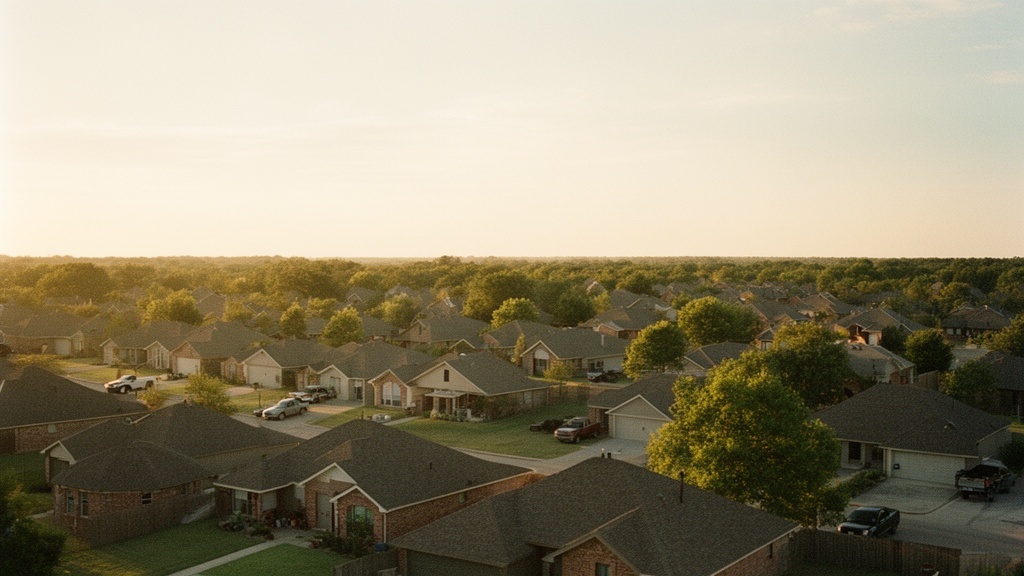
Oslo, New York sits in Wyoming County, roughly 45 miles southeast of Buffalo and about 65 miles southwest of Rochester. The market here is genuinely rural, with a housing stock dominated by single-family homes on larger lots, older farmhouses on acreage, and the occasional converted barn or century-old two-story that has been updated over the decades. Condos and townhomes are essentially absent from the local inventory, which is a meaningful distinction for anyone relocating from a more suburban market.
Current Price Ranges and Property Types
Prices in Oslo proper remain well below the statewide median. As of September 2026, entry-level single-family homes in the area, typically two or three bedrooms on a half-acre to two-acre lot, are trading in the $130,000 to $210,000 range depending on condition and road access. Updated homes with four or more bedrooms, a detached garage, and usable outbuildings can reach $280,000 to $350,000. Properties with significant acreage, 10 acres or more, or those with barns in workable condition, tend to price individually based on land value and structure quality rather than falling neatly into a per-square-foot formula.
For a deeper look at what prices are doing month by month, the article What Are Home Prices Doing in Oslo New York Right Now in September 2026 covers the current data in detail. The short version: values have held steady through the summer of 2026, with no dramatic correction and no runaway appreciation either. It is a measured market.
How Oslo Compares to the Broader Western New York Market
The broader New York housing market has seen persistent price pressure in suburban and urban corridors. A recent overview of New York housing market trends from Forbes Advisor notes that inventory shortages have kept prices elevated across much of the state. Oslo and Wyoming County sit outside that pressure zone. Buyers who cannot afford western suburbs of Buffalo or the Monroe County ring around Rochester often discover that Oslo offers substantially more land and structure per dollar, with the tradeoff being a longer drive to urban employment and services.
Wyoming County property taxes are a real factor to model before buying. The article What Is the Property Tax Rate in Oslo NY and How Much Would I Pay on a $300,000 Home? walks through the current rates and how they affect your monthly carrying cost. For most buyers, the tax line is the number that changes the affordability calculation most meaningfully at these price points.
2. Neighborhoods and Areas Within and Around Oslo
Oslo, New York is a town rather than an incorporated village, which means there is no downtown grid or dense residential neighborhood in the traditional sense. Most of the housing is distributed along county roads and state routes, with clusters of homes near road intersections and the occasional hamlet-scale grouping. Understanding the layout matters because two properties listed in Oslo can feel very different depending on road frontage, proximity to Route 20A, and whether the parcel drains well through Wyoming County's clay-heavy soils.
What the Housing Stock Actually Looks Like
The dominant architectural type is the two-story wood-frame farmhouse, many built between the 1880s and 1940s. These homes typically have full basements, older mechanicals that may have been partially updated, and enough square footage, often 1,400 to 2,200 square feet, to function well for a household that wants space without the maintenance overhead of a larger structure. Ranch-style homes from the 1960s and 1970s appear on smaller lots closer to the town's road network. A smaller number of newer construction homes, built from the 1990s onward, show up with vinyl siding, attached garages, and more open floor plans.
Buyers interested in what is being built new should read Are There Any New Housing Developments or Construction Projects Happening in Oslo, New York in 2026? for the current picture. The short answer is that new construction in Oslo is limited, which means the resale market is where most transactions happen.
Proximity to Services, Roads, and Surrounding Towns
The nearest grocery stores, pharmacies, and medical offices are in Warsaw, the Wyoming County seat, located roughly 8 to 12 minutes from most parts of Oslo depending on which road you take. Attica is similarly close to the north. For a broader range of retail, restaurants, and healthcare, residents drive to Batavia in Genesee County, about 20 to 25 minutes northeast, or to the eastern Buffalo suburbs like Depew or Lancaster, roughly 40 to 50 minutes west on Route 20A and I-90.
The question of walkability and daily errands comes up constantly in buyer conversations. The article Is Oslo New York a Rural Area or Does It Have Walkable Shops and Services Nearby gives an honest, practical breakdown of what you can and cannot do without a car. Spoiler: Oslo is a car-dependent community, and anyone relocating from an urban or dense suburban setting should plan accordingly.
3. Market Timing: When to Buy or Sell in Oslo
Timing in a rural western New York market follows its own rhythm, and it does not always mirror what national headlines describe. The spring listing surge that dominates suburban markets is real here too, but compressed. Serious buyer activity in Oslo typically begins in late March and runs through June, with July and August seeing some slowdown as families settle in before the school year. September, right now, is a transitional month: motivated sellers who did not close in summer are still active, and buyers who want to be in before winter often push to close in October or November.
Seasonal Patterns in This Corner of New York
Winter listings in Oslo tend to sit longer, not because demand disappears, but because fewer buyers want to schedule showings in Wyoming County weather. Snowfall in this part of New York can be significant from December through March, and rural roads sometimes complicate access to properties set back from the main routes. Sellers who list in January or February often do so out of necessity rather than strategy, and they sometimes accept offers closer to asking price simply because there are fewer competing listings.
For sellers, the fall window closing in on us right now is meaningful. Buyers who need to be settled before the holidays are making decisions in September and October. A property priced correctly and presented well can move quickly in this window. After mid-November, the pool of active buyers shrinks noticeably until spring.
What Days on Market Tell You Right Now
Days on market in Oslo this fall range widely depending on price point and condition. Move-in-ready homes priced under $200,000 are moving in 30 to 50 days. Properties needing significant work, or those priced above $300,000 with acreage, are sitting longer, sometimes 90 to 120 days or more. The article How Long Are Homes Sitting on the Market in Oslo NY This Fall breaks this down by price band and gives sellers a realistic picture of what to expect if they list today.
4. What Client Reviews Consistently Reveal About Oslo Real Estate Transactions
When buyers and sellers in rural western New York leave reviews for their agents, certain themes repeat regardless of the price point or property type. The agent who consistently draws strong reviews in a market like Oslo is not the one with the flashiest marketing. It is the one who knew which road flooded in spring, which properties had well and septic issues that the listing did not mention, and which local inspectors would actually show up on time. Local knowledge is the differentiator that clients name most often after closing.
The Details Buyers Say Mattered Most
Buyers relocating to Oslo from outside the area consistently mention that they underestimated how different rural property transactions are from what they had experienced before. Well and septic inspections are not optional here; they are essential, and the results can shift a negotiation significantly. Buyers who worked with an agent who proactively scheduled these, explained what the results meant, and knew which findings were negotiating leverage versus which were dealbreakers reported far smoother experiences than those who did not.
Commute logistics also come up repeatedly in buyer feedback. Buyers who work in Buffalo or Rochester want to know exactly what the daily drive looks like in real conditions, not just Google Maps estimates. The article How Long Does It Take to Commute from Oslo NY to Buffalo or Rochester for Work covers actual drive times by route and season. Buyers who had this information before they committed to a property said it was one of the most useful things their agent shared.
Closing costs are another area where informed buyers say their experience was better. Rural transactions in New York carry some costs that surprise first-timers, including title insurance on older properties with complex deed histories and transfer taxes that are calculated differently than buyers expect. Knowing these numbers upfront, rather than discovering them at the closing table, is something buyers consistently credit to thorough agent preparation.
What Sellers Flag After Closing
Sellers in Oslo who leave detailed reviews tend to focus on two things: pricing accuracy and how long the process actually took. Overpriced listings in this market do not get corrected by bidding wars. They sit, and the longer they sit, the more buyers wonder what is wrong with them. Sellers who trusted an agent's honest pricing recommendation, even when it felt conservative, consistently report faster closings and fewer headaches than those who pushed for a higher number and had to reduce later.
Sellers also frequently mention the value of having an agent who managed buyer questions about rural-specific issues confidently. Questions about heating oil versus propane, whether the driveway is maintained by the town or privately, and what the zoning allows on the acreage are common. An agent who could answer these accurately, or knew exactly who to call to find out, kept deals from falling apart over details that a less experienced agent might have fumbled.
5. How to Use This Information to Make a Smarter Decision
Whether you are buying or selling in Oslo, the market rewards preparation. The clients who report the best experiences, and who leave the most detailed positive reviews, are almost always the ones who came in with realistic expectations, asked the right questions early, and worked with an agent who knew the local specifics rather than applying a generic playbook.
Steps for Buyers Entering the Oslo Market
Start with a realistic budget that includes property taxes, well and septic maintenance reserves, and heating costs for an older home. Wyoming County winters are real, and a house with oil heat and a 30-year-old furnace will cost more to run than a newer home with a modern system. These are not reasons to avoid Oslo; they are numbers to model before you make an offer.
Get pre-approved with a lender who handles rural properties before you start touring homes. Some lenders have restrictions on properties with acreage, outbuildings used commercially, or homes that do not meet minimum square footage requirements for conventional financing. Knowing your financing parameters before you fall in love with a property saves significant frustration. The First-Time Home Buyer Guide for Oslo, New York covers this in detail if you are navigating the process for the first time.
Plan your inspections thoughtfully. A general home inspection is the minimum. For most Oslo properties, you will also want a well water test, a septic inspection, and potentially a structural assessment if the home is pre-1950. Budget $800 to $1,500 for this full inspection package. It sounds like a lot until you consider that a failing septic system can cost $15,000 to $30,000 to replace.
Steps for Sellers Preparing to List
Price your home based on recent comparable sales in Wyoming County, not on what you paid or what you need to net. The Oslo market is thin enough that a single overpriced listing can sit visibly for months, which creates a perception problem that is hard to recover from even after a price reduction. A well-priced home in good condition will attract the buyers who are actively looking right now.
Address the obvious deferred maintenance before listing. In a rural market, buyers are already accounting mentally for the work that comes with older homes. A leaking roof, a non-functional outbuilding door, or a clearly failing water heater will give buyers a reason to reduce their offer or walk away. Fixing the things that a buyer will notice in the first ten minutes of a showing is almost always worth the cost.
Document everything about the property that a buyer would want to know. When was the well last tested? What is the age of the septic system and when was it last pumped? Is the road maintenance agreement with the town or private? Having this documentation ready shortens the due diligence period and signals to buyers that the transaction is going to be straightforward, which is something that shows up in reviews long after closing.
FAQ
What price range should I expect for a move-in-ready home in Oslo, New York in September 2026?
Move-in-ready single-family homes in Oslo, New York are currently trading in the $160,000 to $230,000 range for two to three bedroom properties on modest lots. Updated homes with four bedrooms, a detached garage, and good road access can reach $280,000 to $340,000. Homes requiring significant renovation or those with structural issues often list below $130,000 but carry higher total cost of ownership once repairs are factored in. Properties with 10 or more acres price individually based on land quality, outbuildings, and road frontage. Wyoming County property taxes will add meaningfully to your monthly payment at any price point, so model that number before you finalize your budget.
How is the fall 2026 market in Oslo, New York for sellers?
September and October represent one of the two best windows to sell in Oslo, alongside the spring. Buyers who want to close before winter are actively looking right now, and inventory in Wyoming County remains limited, which reduces direct competition for well-priced listings. Homes priced correctly and in good condition are moving in 30 to 50 days at this time of year. After mid-November, buyer activity drops noticeably as weather and the holiday period pull attention away from home searches. Sellers who are not under time pressure and miss the fall window should plan to list again in late March or April to catch the spring surge.
Why do client reviews matter when choosing a real estate agent in a rural market like Oslo, New York?
In a thin, rural market like Oslo, the difference between a smooth transaction and a frustrating one often comes down to hyper-local knowledge that no online database captures. Reviews from past clients in the same market reveal whether an agent understood well and septic issues, knew which local inspectors were reliable, priced homes accurately against real comparable sales, and communicated clearly through the process. Generic five-star reviews that mention nothing specific about the property type or location are less useful than detailed accounts from buyers and sellers who closed on rural Wyoming County properties. When reading reviews, look for mentions of specific local challenges the agent helped navigate, not just general satisfaction.